The Hypothyroidism a Whippet Does Not Have
Whippet thyroid test results often appear low on standard veterinary lab ranges because sighthound physiology is naturally different.
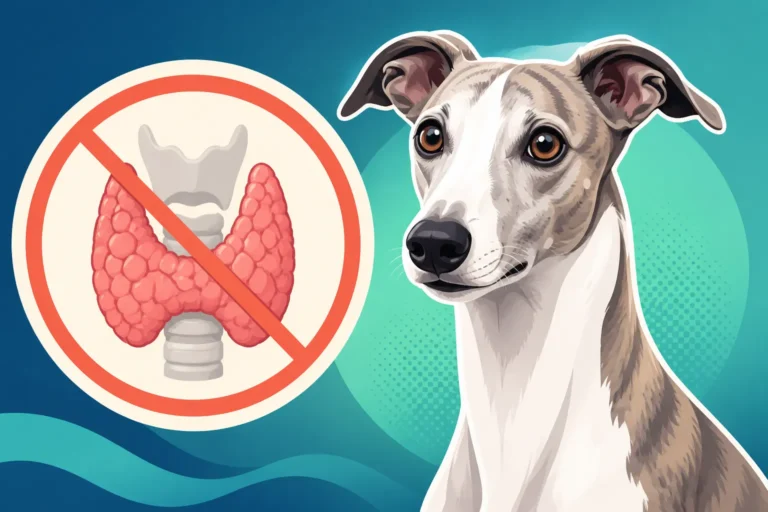
Whippet thyroid test results often appear low on standard veterinary lab ranges because sighthound physiology is naturally different.
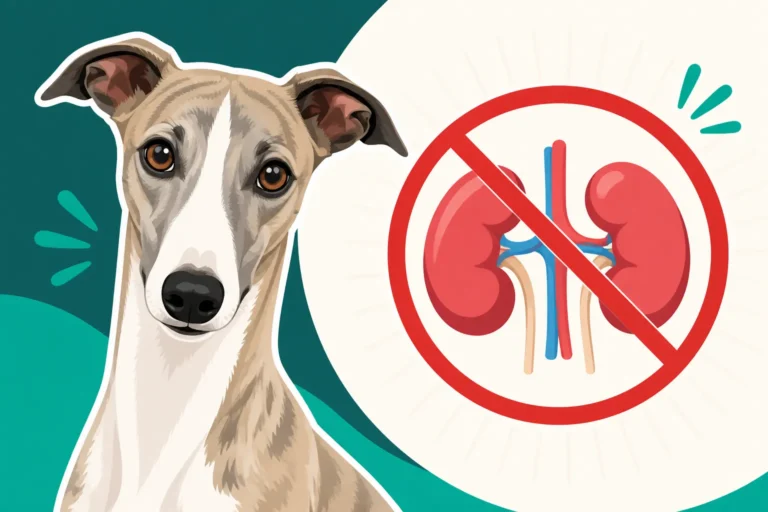
Renal amyloidosis is a severe kidney disease affecting Greyhounds, but Whippets are thankfully spared from this genetic condition.
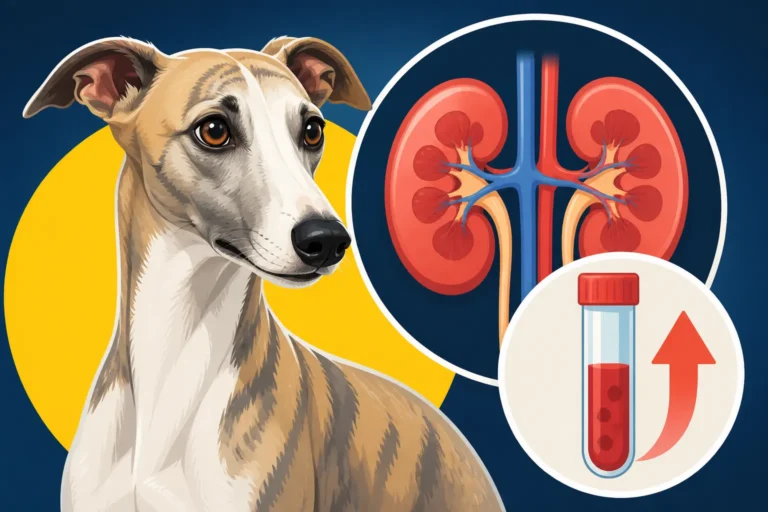
Whippet muscle mass and sighthound physiology explain why creatinine blood test levels naturally run higher than standard reference ranges.
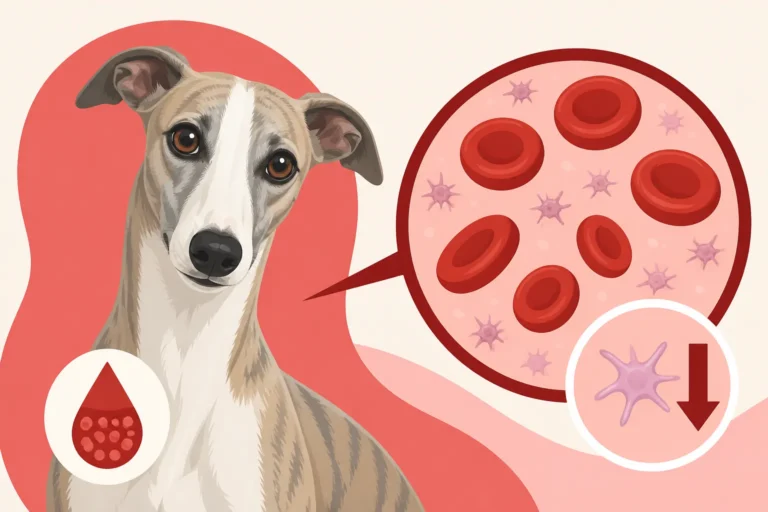
Whippet platelet counts often fall below standard veterinary ranges due to unique sighthound physiology without indicating illness.
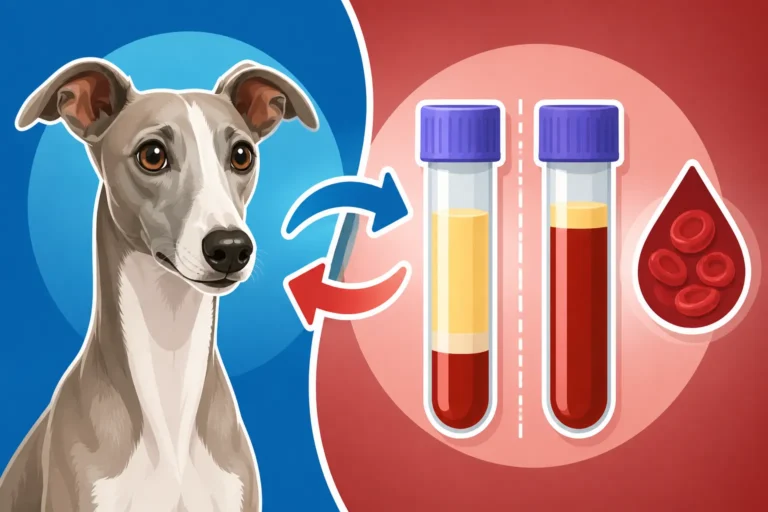
Whippet packed cell volume levels often appear abnormally high, but sighthounds naturally maintain elevated red blood cell counts.
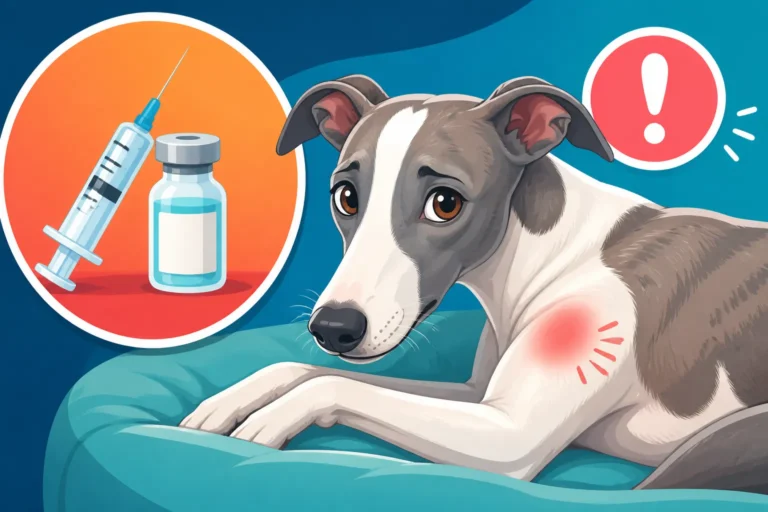
Whippet vaccine reactions and their unique physiological causes explain local swelling, redness, and tenderness at the injection site.

Ivermectin sensitivity in Whippets stems from the MDR1 gene mutation, causing serious neurotoxicity risks from certain medications.
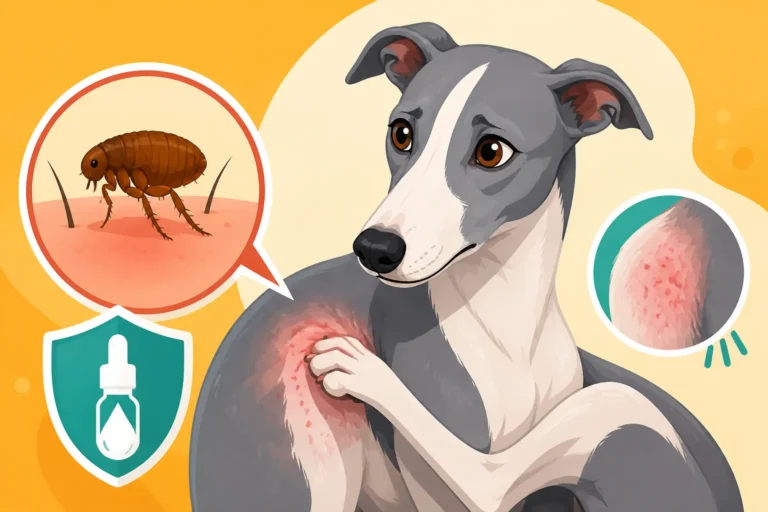
Whippet flea treatment reactions happen because low body fat and unique liver metabolism alter drug processing and increase risks.
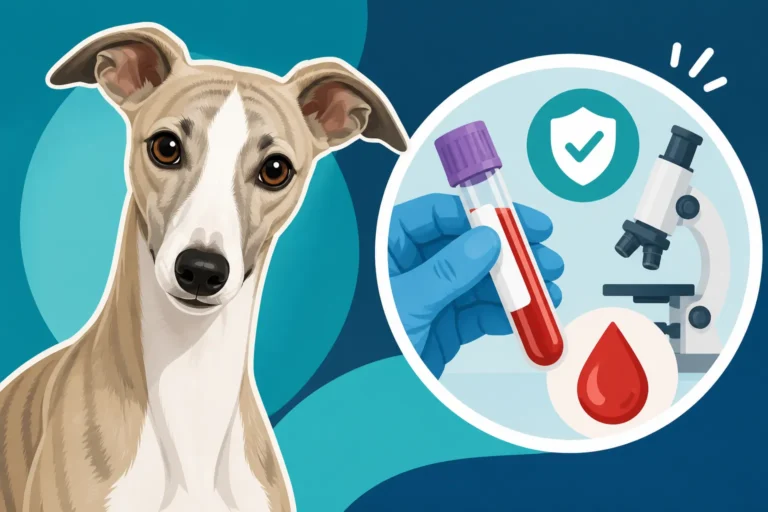
Pre-anesthetic bloodwork for Whippets reveals hidden organ function to prevent serious complications during veterinary surgery.
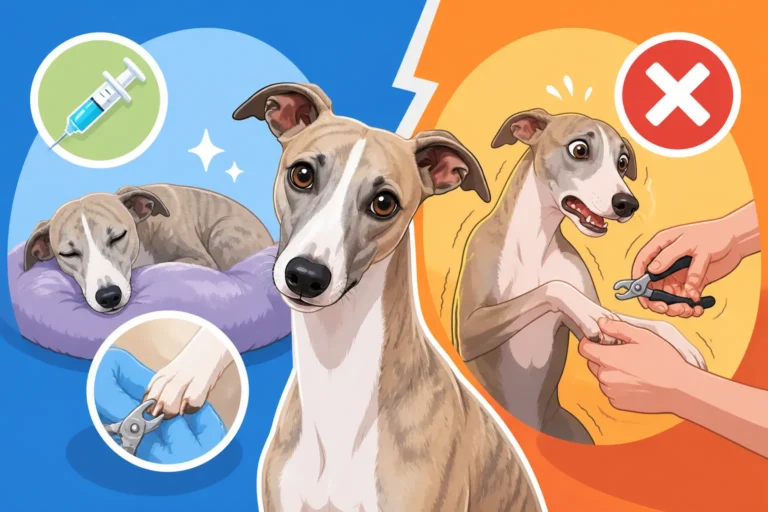
Whippet nail trim sedation helps owners manage extreme paw anxiety, preventing injuries and severe panic during grooming sessions.