Teeth Are the Whippet Problem That Sneaks Up
It’s a common scenario for us whippet owners: you lean in for a snuggle, your sweet whippet gives you a loving lick, and then… you catch a whiff. That unmistakable, slightly fishy, sometimes downright offensive "dog breath" that makes you recoil. It's easy to dismiss it as just part of having a dog, but here’s the stark truth many of us don’t realize until it’s too late: bad breath is often the first silent alarm bell for dental disease, a pervasive issue that can sneak up on our beloved sighthounds and lead to significant pain and serious health problems if left unchecked. This comprehensive guide is here to walk you through everything you need to know about keeping your whippet's pearly whites healthy, from understanding their unique predispositions to implementing daily care and knowing when to call the vet.
Why Whippet Teeth Are Uniquely Vulnerable
Whippets, with their elegant lines and often delicate appearance, come with a few anatomical quirks that can make them particularly susceptible to dental issues. It's not just about what they eat or whether they chew toys; sometimes, the very structure of their mouths sets them up for problems that other breeds might not face as severely.
The Whippet's Narrow Jaw and Crowded Teeth
Have you ever taken a close look at your whippet's mouth? Many of us don't really inspect beyond a quick peek at those impressive canines. But if you do, you might notice something particular: their jaws tend to be quite narrow, especially in the front. This elegant, fine-boned structure is part of what gives them that distinctive, refined look, but it can also lead to a real challenge when it comes to dental health.
Imagine trying to fit too many books on a shelf that's just a bit too short. That's often what happens with a whippet's teeth. The teeth, especially the incisors and sometimes the premolars, can be crowded or rotated in the jaw. This isn't just an aesthetic concern; it creates nooks and crannies that are perfect little hideaways for food particles and plaque. These areas become incredibly difficult to clean, even with regular brushing. It's like trying to get into a tiny crevice with a large cleaning brush – you just can't reach it effectively. Over time, this makes these crowded areas prime locations for tartar buildup and gum inflammation, laying the groundwork for more serious periodontal disease.
Why a Whippet's Tartar Builds Faster Than Other Breeds
It seems unfair, doesn't it? You might know someone with a bulldog or a Labrador who barely does anything for their dog's teeth, and they seem fine. Meanwhile, you're trying your best, and your whippet still seems to accumulate tartar at an alarming rate. Part of this is indeed linked to genetics and oral chemistry.
Sighthounds, including whippets, often have a different saliva composition compared to other breeds, which can contribute to faster plaque mineralization into tartar. Think of it like hard water deposits in your shower; some breeds just seem to have more "hard water" in their mouths. This means that even with a fairly consistent diet and similar dental hygiene efforts, a whippet can develop significant tartar buildup much quicker. This rapid accumulation is frustrating because it feels like you're constantly fighting an uphill battle. It's not a reflection of poor care on your part, but rather a predisposition that requires a more vigilant and proactive approach to dental hygiene.
Genetic Predisposition to Dental Issues
Beyond jaw structure and saliva, there can be a broader genetic component to dental health in whippets. While specific genes for periodontal disease in whippets aren't commonly highlighted in the same way as, say, Bully Whippet Syndrome and the Myostatin Gene Behind It, it's understood that some lines may be more prone to developing dental issues early in life. This means that if your whippet's parents or close relatives had a history of significant dental problems, your dog might inherit a similar predisposition.
This genetic component doesn't mean dental disease is inevitable, but it does mean you need to be even more diligent. It's important to ask breeders about the dental health history of their lines, although this is a less common health test than some others. Knowing your dog might be genetically inclined to faster tartar buildup or earlier onset of periodontal disease can help you be more proactive, starting dental care early and maintaining it rigorously throughout their lives. It's about playing the long game to protect those teeth and gums from potential inherited vulnerabilities.
Recognizing the Early Signs of Dental Trouble
One of the biggest challenges with dental disease in dogs is that they are masters at hiding pain. A whippet might be suffering silently for quite some time before you notice any obvious symptoms. That's why being vigilant and knowing what to look for is absolutely crucial. Catching problems early can prevent a lot of discomfort for your dog and save you from more extensive (and expensive) treatments down the line.
That Distinctive "Dog Breath" You Can't Ignore
Let's be real, no dog has minty fresh breath naturally. But there's a world of difference between typical dog breath and genuinely bad breath, or halitosis, that makes you want to turn your head away. If your whippet's breath has taken a turn for the worse – becoming more pungent, foul, or even resembling something decaying – it's almost certainly a sign that something is amiss in their mouth.
This odor is typically caused by an accumulation of bacteria in the mouth. These bacteria thrive on food particles and plaque, producing volatile sulfur compounds that smell terrible. Often, we rationalize it away, thinking "oh, he just ate something stinky" or "that's just how dogs smell." But if it's persistent, it's a red flag. It means bacteria are building up, and inflammation is likely already starting. Don't ignore it. That awful smell is your dog's way of telling you, "Hey, I need some help here!"
Red, Swollen Gums or Bleeding
When you manage to get a good look inside your whippet's mouth, pay close attention to the gums. Healthy gums should be a nice, uniform pink color (or pigmented if your whippet has dark gums), fitting snugly around the teeth. They should not look puffy, bright red, or inflamed.
If you see redness along the gum line, especially where the gum meets the tooth, that's gingivitis. This is the first stage of periodontal disease, and it means the gums are irritated and inflamed by plaque. You might even notice a thin red line where the gum meets the tooth, or the gums may appear swollen and receded in places. In more advanced cases, the gums might even bleed when your dog chews on a toy or you try to brush their teeth. Seeing blood is a serious sign of inflammation and infection, and it warrants immediate attention. Imagine your own gums bleeding when you brush; you wouldn't ignore that, and neither should you ignore it in your whippet.
Changes in Chewing Habits or Eating Behavior
A whippet's love for food can sometimes mask discomfort, but pay close attention to subtle shifts in how they eat. If your whippet starts to be picky about their food, especially hard kibble or crunchy treats, it could be because chewing is causing them pain. They might hesitate before eating, drop food from their mouth, or start chewing only on one side. You might notice them favoring softer foods, or even refusing to chew on their favorite dental chews or toys that they once loved.
Sometimes, the changes are more dramatic. A whippet might suddenly become reluctant to play tug-of-war, or they might flinch when you touch their muzzle. They could show signs of irritability when you approach their mouth or head. If a dog who previously devoured their meals now approaches their bowl with apprehension, or takes a long time to finish, dental pain is a strong possibility. These are all subtle cues that their mouth is hurting, and it's essential to investigate rather than assume they're just being fussy. It's not uncommon for owners to tell their vet, "I thought he was just being weird, but now I realize he was in pain."
The Progression of Dental Disease
Dental disease doesn't happen overnight; it's a slow, insidious process that worsens over time if left untreated. Understanding these stages can help you grasp the seriousness of the issue and appreciate why early intervention is so critical. What starts as a minor irritation can escalate into a painful, debilitating, and even life-threatening condition.
From Plaque to Tartar: The Starting Point
It all begins with plaque. Every time your whippet eats, tiny food particles mix with bacteria in their mouth, forming a sticky, colorless film on their teeth called plaque. This happens constantly, throughout the day, on every tooth surface. If you could feel your own teeth after a few hours without brushing, that fuzzy coating is plaque.
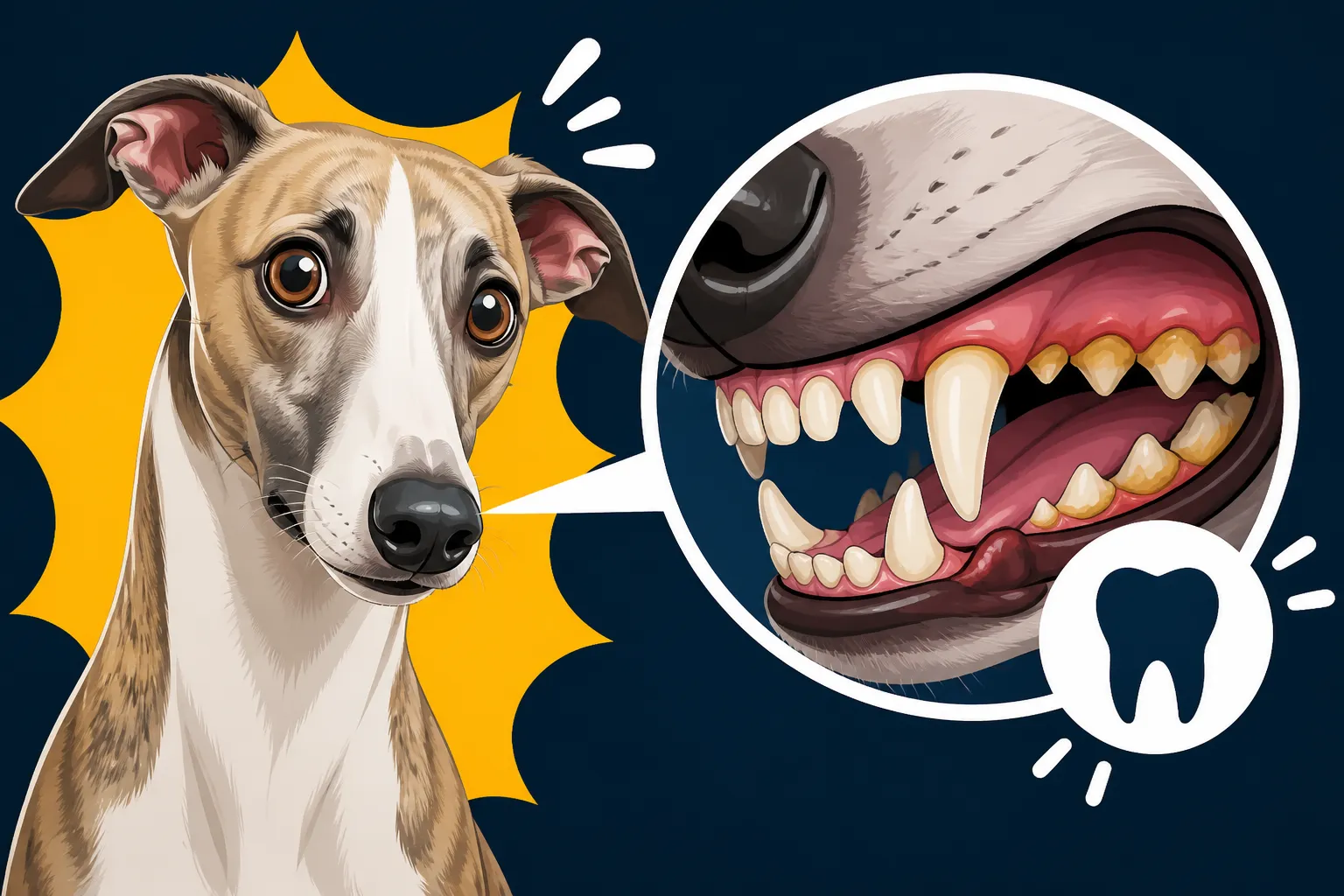
The problem arises when this plaque isn't removed. Within a matter of days, the minerals in your whippet's saliva (which, as we discussed, can be more abundant in whippets) combine with the plaque. This process, known as mineralization, hardens the plaque into tartar (or calculus). Tartar is a rough, porous substance that is typically yellow, brown, or even black. Unlike plaque, which can be brushed away, tartar is extremely hard and adheres firmly to the tooth surface. Once tartar forms, you can't remove it with a toothbrush. It requires professional scaling by a veterinarian. This buildup then acts as a perfect rough surface for even more plaque to accumulate, creating a vicious cycle and providing an ideal environment for harmful bacteria to flourish.
Gingivitis and Periodontitis: When Gums Get Involved
Once tartar starts accumulating, it acts like a rough, irritating shelf pushing against the gums. The bacteria living in the plaque and tartar then begin to irritate the gum tissue, leading to inflammation. This initial stage is called gingivitis.
With gingivitis, you'll see those red, swollen gums and possibly notice bad breath or bleeding when touched. At this stage, gingivitis is reversible with proper professional cleaning and diligent home care. The problem is, many owners don't notice it until it's more advanced. If gingivitis is left untreated, the inflammation spreads deeper, infecting the ligaments and bone supporting the teeth. This more severe stage is called periodontitis.
Periodontitis is irreversible. The bacteria literally eat away at the supporting structures of the tooth. Pockets form between the tooth and gum, filling with more bacteria, pus, and debris. The gums recede, exposing the tooth roots. Bone loss occurs, and eventually, the affected teeth become loose and may even fall out. This isn't just uncomfortable; it's incredibly painful and can lead to severe systemic health issues.
Abscesses, Bone Loss, and Systemic Health Risks
The progression of periodontitis doesn't stop at tooth loss. As the infection deepens, it can lead to incredibly painful dental abscesses, which are pockets of pus that form around the tooth roots. These can swell the face, cause extreme pain, and even rupture, releasing foul-smelling discharge. The infection can also spread to the jawbone, causing severe bone loss and weakening the jaw, making it prone to fractures, especially in a breed with a delicate jaw like a whippet's.
Even more concerning, the constant presence of bacteria and inflammation in the mouth doesn't stay confined there. These bacteria can enter the bloodstream through the inflamed gum tissue and travel to other organs in the body. This is where dental disease becomes a systemic health risk. Bacteria from the mouth have been linked to problems in the heart, kidneys, and liver. For example, heart infections can sometimes trace back to chronic oral infections. This is why Mitral Valve Disease Is What Ends Most Old Whippets is a concern for aging whippets, and while not directly caused by dental disease, any systemic inflammation can exacerbate existing conditions or contribute to new ones. Neglecting dental health isn't just about bad breath or lost teeth; it's about protecting your whippet's overall health and lifespan.
Preventative Home Care: Brushing and Beyond
The good news is that much of the progression of dental disease can be prevented or significantly slowed down with consistent home care. It takes dedication and patience, but the payoff is a healthier, happier whippet with less pain and fewer trips to the vet for extensive dental work.
Brushing Your Whippet's Teeth: Techniques and Tools
Brushing your whippet's teeth is, without a doubt, the single most effective thing you can do at home to prevent plaque and tartar buildup. I know, I know, the thought alone can be daunting for some. Trying to get a whippet, who might already be sensitive to handling, to willingly open their mouth for a toothbrush can feel like an Olympic sport. But it's totally achievable with patience and positive reinforcement.
First, let's talk tools. You don't want to use human toothpaste, as it contains fluoride and detergents that aren't meant to be swallowed. Dog-specific toothpastes come in appealing flavors like poultry or beef, which can make the experience more palatable for your whippet. For the brush, start with something soft. Finger brushes are great for puppies or sensitive adults, as they allow you to be gentle and feel what you're doing. As your whippet gets used to it, you can graduate to a small, soft-bristled toothbrush designed for pets, or even a child's toothbrush. The key is small and soft.
The technique isn't about scrubbing vigorously like you would your own teeth. Focus on the outside surfaces of the teeth, especially where the gum meets the tooth, as this is where plaque accumulates most rapidly. Use a gentle, circular motion, aiming the bristles at a 45-degree angle towards the gum line. You don't need to open your whippet's mouth wide; just lift their lip. Start with a few teeth at a time, keeping sessions short and positive. Praise, treats, and calm energy are your best friends here. Aim for daily brushing, but even every other day is significantly better than nothing. Remember, it's a marathon, not a sprint. Consistency is key, and it might take weeks to get your whippet comfortable, but it's worth every bit of effort. You can find a good selection of pet toothbrushes and toothpastes on sites like Chewy or Amazon.
Dental Chews and Water Additives
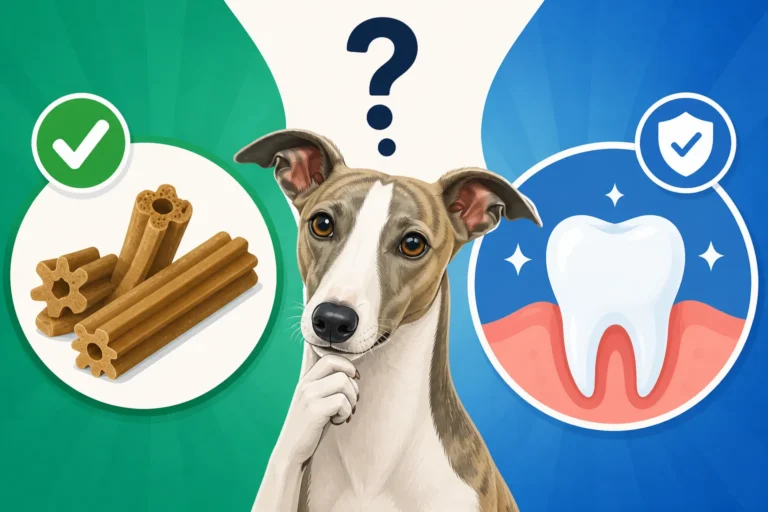
While brushing is king, other tools can support your efforts, especially if daily brushing is a struggle or you want to provide extra protection. Dental chews are a popular option, and some can be quite effective. Look for chews that are specifically designed for dental health, often carrying a VOHC (Veterinary Oral Health Council) seal of approval. This seal indicates that the product has met standards for reducing plaque and/or tartar.
The effectiveness of dental chews comes from their abrasive action against the tooth surface as your dog chews, which helps scrape off plaque. Some also contain enzymes or other ingredients to help break down plaque. However, it's crucial to choose chews that are appropriately sized and not too hard, especially for a whippet. Very hard chews (like antlers, bones, or some hard nylon chews) can actually fracture teeth, leading to even more pain and requiring costly extractions. Always supervise your whippet with chews, and discard them when they become small enough to be a choking hazard.
Water additives are another supplementary option. These typically contain ingredients that help reduce bacteria in the mouth or alter saliva composition to slow plaque formation. You simply add a measured amount to your dog's drinking water daily. While they're not a standalone solution and certainly don't replace brushing, they can offer a little extra support, especially in a dog prone to rapid tartar buildup. Think of them as an extra layer of defense, not a primary weapon.
Regular Oral Inspections You Can Do
Beyond the daily routine, making it a habit to regularly inspect your whippet's mouth can help you catch problems early. This doesn't need to be a formal "examination"; it can be as simple as gently lifting their lips during a cuddle session or when they're relaxed on the sofa.
What are you looking for?
- Gum color and texture: Are they pink and tight, or red, swollen, or receding?
- Tartar buildup: Can you see yellow, brown, or black deposits, especially on the back teeth or the outside of the canines?
- Missing or broken teeth: Are all the teeth present? Are there any chips, cracks, or fractured pieces?
- Unusual growths: Are there any bumps, lumps, or lesions on the gums, tongue, or inside of the cheeks?
- Bad breath: Does the smell seem worse than usual?
Get your whippet used to having their mouth handled from a young age. Start by gently touching their muzzle, then gradually lifting their lips, and eventually opening their mouth a little. Always make it a positive experience with praise and treats. The more comfortable they are, the easier it will be for you to spot issues, and the less stressful it will be for them when the vet needs to do a more thorough check. Early detection is a powerful tool in preventing advanced dental disease.
Professional Dental Cleanings: When and Why
Despite our best efforts at home, almost all whippets will eventually need a professional dental cleaning under anesthesia. It’s a necessary procedure for truly deep cleaning and addressing issues that home care simply cannot resolve.
The Importance of Anesthesia for a Thorough Cleaning
This is where many owners get nervous. The idea of their beloved whippet going under anesthesia can be frightening, and it’s a totally valid concern. However, for a truly effective and safe dental cleaning, anesthesia is absolutely essential.
Imagine trying to clean your own teeth while someone holds your mouth open, scraping and probing every tooth and gum line, all while you're awake and possibly squirming. It would be impossible to do a thorough job, and potentially painful and dangerous. The same goes for your whippet. Anesthesia allows the veterinary team to perform a comprehensive oral exam, which includes probing around each tooth to check for gum pockets and recession, taking dental X-rays (which are vital for assessing bone loss and issues hidden below the gum line), and scaling all surfaces of the teeth, including beneath the gum line where most periodontal disease hides. Polishing the teeth after scaling is also crucial to smooth the tooth surface, making it harder for plaque to adhere quickly.
Without anesthesia, none of this can be done properly. A non-anesthetic "dental" is purely cosmetic; it removes some visible tartar above the gum line but completely misses the critical areas where disease actually progresses. It offers a false sense of security and can delay necessary treatment. The good news is that modern veterinary anesthesia protocols are very safe, especially for whippets, who require specific Why a Whippet Needs a Sighthound Anesthesia Protocol. Vets take many precautions, including pre-anesthetic bloodwork, IV fluids, and careful monitoring throughout the procedure.
What a Professional Cleaning Entails and Its Costs
So, what exactly happens during a professional dental cleaning? It's much more than just a quick scrape. Your whippet will typically undergo:
- Pre-anesthetic Bloodwork: This checks organ function to ensure your whippet is healthy enough for anesthesia.
- IV Catheter and Fluids: An IV catheter provides a direct route for medications and fluids help maintain blood pressure and hydration during the procedure.
- Anesthesia and Monitoring: Your whippet is intubated, and their vital signs (heart rate, respiration, blood pressure, oxygen saturation, temperature) are continuously monitored by a dedicated veterinary nurse.
- Oral Exam and Dental X-rays: The vet performs a thorough visual exam and takes full-mouth dental X-rays. These X-rays are invaluable, revealing bone loss, root abscesses, un-erupted teeth, and other issues hidden beneath the gums.
- Scaling: Using ultrasonic and hand scalers, the veterinary team meticulously removes all plaque and tartar from above and, critically, below the gum line.
- Polishing: The teeth are polished to smooth the enamel, making it harder for new plaque to stick.
- Fluoride Treatment (Optional): Sometimes a fluoride treatment is applied to strengthen enamel and reduce sensitivity.
- Extractions: If severe periodontal disease is present, or if teeth are fractured or abscessed, extractions may be necessary. This is where the X-rays are crucial, guiding the vet to ensure all root fragments are removed.
- Pain Management & Recovery: Appropriate pain medication is given before, during, and after the procedure. Your whippet is then carefully monitored as they recover from anesthesia. Expect your whippet to be a little groggy, as How Slowly a Whippet Wakes From Sedation is a common trait.
The cost of a professional dental cleaning can vary significantly based on location, the clinic, and the extent of work needed (e.g., number of extractions, X-rays). It's certainly an investment, and often one that surprises new whippet owners. However, it's far less costly in the long run than dealing with untreated infection, systemic illness, or emergency extractions from severe pain. Many clinics will provide an estimate before the procedure, but be aware that if extractions are needed, the final bill might be higher than the initial quote. This is why pet insurance, if you have it, can be a huge help.
How Often Does a Whippet Need a Professional Cleaning?
This is a common question with no single answer, as it depends on several factors: your whippet's individual genetics, the quality of home care they receive, their diet, and any pre-existing dental conditions.
For many whippets, a professional cleaning might be needed every one to two years, especially if home care is consistent. Some whippets, due to those genetic predispositions we discussed or if they resist home brushing, might need them annually or even more frequently. Other whippets, with excellent genetics and dedicated daily brushing, might stretch it to three years.
The best way to determine the frequency is through regular veterinary check-ups. Your vet will perform an oral exam during your whippet's annual wellness visit and can assess the level of plaque and tartar buildup, as well as the health of their gums. They can then recommend a timeline for the next professional cleaning. Don't wait until you notice significant bad breath or visible tartar; by then, disease is likely well underway. Proactive care is always best. Think of it as preventative maintenance for their oral health. Waiting until problems are obvious almost always means more extensive, painful, and costly interventions. For more on this, you might find Whether a Whippet Needs Dentals More Often helpful.
Diet and Dental Health
The food your whippet eats plays a surprising, yet significant, role in their overall dental health. It’s not just about what goes into their mouth, but how that food interacts with their teeth and gums.
Kibble vs. Raw/Fresh Food for Dental Hygiene
There's a lot of debate in the dog owner community about what kind of diet is best for dental health. Let's break down the common arguments.
Kibble: The traditional wisdom was that crunchy kibble helps scrape plaque off teeth. While some specifically formulated "dental diet" kibbles are designed with larger, fibrous kibble that encourages more chewing and has a mechanical cleaning action, most standard kibbles offer very little dental benefit. Think about how effectively eating potato chips cleans your teeth – not very, right? Many kibbles are processed and can leave starchy residues that contribute to plaque formation. If your whippet simply gulps down their kibble with minimal chewing, any supposed abrasive action is largely lost. So, while not inherently bad for teeth, don't rely on most standard kibbles to keep your whippet's mouth clean.
Raw/Fresh Food: The argument for raw or fresh food, often championed by proponents, suggests that it's more natural and doesn't leave the same starchy residues as kibble. Some raw feeding advocates also include raw meaty bones (not weight-bearing bones which can fracture teeth) as a way to "brush" teeth naturally. While fresh food diets like those from Ollie can certainly be highly digestible and nutritious, the dental benefit is often oversimplified. While a raw diet might produce less plaque-forming residue, the mechanical action needed to truly clean teeth is still crucial. Simply eating fresh, soft food won't magically eliminate plaque. If you do consider feeding raw bones, consult with your vet first to understand the risks of fractured teeth and choose appropriate types and sizes. Regardless of the diet, active mechanical cleaning, either through brushing or appropriate dental chews, is still paramount.
The Role of Dental Treats and Chews
We touched on dental chews in the home care section, but it's worth reiterating their specific role within a dietary context. Not all treats are created equal when it comes to dental health. Many popular dog treats, while delicious to our whippets, are essentially sugary or starchy snacks that can actually contribute to dental problems.
When choosing treats, consider if they offer a dental benefit. Again, look for that VOHC seal. These treats are formulated to help reduce plaque and tartar through their texture, shape, or added ingredients. For example, some have a unique shape that forces the dog to chew them in a way that scrapes the teeth, while others contain enzymes that help break down plaque. Brands widely available on Chewy or Amazon often carry these specialized dental treats.
However, a word of caution: even dental treats are not a substitute for brushing or professional cleanings. They are a supplement. They help, but they don't solve the problem entirely. Also, remember to factor these treats into your whippet's daily calorie intake, especially since Keeping Weight On a Whippet Without Making It Fat is a common concern for active whippets, and even more so for less active ones. Overfeeding, even with dental treats, can lead to unwanted weight gain.
Addressing Specific Dental Problems
Sometimes, despite our best efforts, or if we adopt a whippet with a pre-existing condition, specific dental problems arise. Knowing what these are and how they're typically addressed can help you navigate veterinary recommendations.
Dealing with Fractured or Broken Teeth
Whippets are active dogs, and accidents happen. A fractured or broken tooth can occur from chewing on something too hard (like inappropriate chew toys, rocks, or even ice), trauma, or simply from weakened teeth due to advanced dental disease. A fractured tooth is not just a cosmetic issue; it's often incredibly painful and can lead to serious infection.
When a tooth fractures, especially if the fracture extends into the pulp cavity (the center of the tooth containing nerves and blood vessels), it exposes the sensitive inner structures to bacteria. This is excruciating for your whippet and provides a direct pathway for infection to enter the jawbone and potentially spread systemically. You might notice your whippet suddenly dropping food, pawing at their mouth, excessive drooling, or showing a preference for chewing on one side.
Treatment for a fractured tooth depends on its severity. If the pulp is exposed, it's considered an emergency. The options are typically extraction or a root canal. Extractions are very common and involve surgically removing the entire tooth and its roots. Root canals, performed by a veterinary dental specialist, save the tooth but are more expensive and involved. Regardless of the approach, addressing a fractured tooth quickly is crucial to alleviate pain and prevent further infection. This is a situation where Emergency Stitches: the Whippet Bill Nobody Budgets For can quickly become an "Emergency Extraction: the Whippet Bill Nobody Budgets For."
Canine Oral Masses and Growths
Finding a lump or bump in your whippet's mouth can be incredibly alarming. While not all oral masses are cancerous, any new growth should be promptly examined by your veterinarian. They could be benign (non-cancerous) growths, inflammatory lesions, or unfortunately, malignant (cancerous) tumors.
Common benign growths include epulides, which are gum masses that can sometimes become quite large or interfere with chewing. They are often surgically removed, and typically don't recur. Less common but more serious are malignant tumors such as melanoma, squamous cell carcinoma, or fibrosarcoma. These can be aggressive and require prompt and often extensive treatment, including wide surgical removal, radiation, or chemotherapy.
During your home oral inspections or your vet's annual check-up, keep an eye out for any new lumps on the gums, tongue, lips, or inside the cheeks. Note their size, location, and if they've changed over time. Early detection of oral masses, especially cancerous ones, significantly improves the prognosis. Don't assume a lump is harmless; always have it checked.
Advanced Periodontal Disease and Extractions
When dental disease reaches its advanced stages, periodontitis has caused irreversible damage to the bone and supporting structures of the teeth. At this point, home care alone is no longer enough to resolve the problem. Often, the only effective treatment is extraction of the affected teeth.
It can be heartbreaking to hear that your whippet needs multiple teeth removed. We want them to have all their teeth! However, an infected, painful, loose tooth is doing more harm than good. Removing these diseased teeth alleviates chronic pain, eliminates a source of infection, and often significantly improves your whippet's quality of life. Dogs, including whippets, adapt remarkably well to missing teeth, even many of them. They learn to eat comfortably again, often showing a renewed enthusiasm for food once the pain is gone. Many owners report that their dogs seem like puppies again after severe dental pain is resolved.
The extraction process is performed under anesthesia and involves careful surgical removal of the tooth, often with sutures to close the gum. Post-operative care usually includes pain medication, antibiotics, and a temporary diet of soft food. While it feels drastic, extractions are sometimes the kindest and most effective treatment for advanced dental disease, preventing further pain and systemic health complications. It's a testament to their resilience that even with fewer teeth, a whippet can still live a full, happy life.
Long-Term Dental Health for Your Senior Whippet
As our whippets age, their dental health can become an even greater concern. Just like us, older dogs are more prone to a variety of health issues, and dental disease is high on that list. Keeping their mouths healthy is a vital part of Caring for a Whippet Past Ten.
Increased Risk of Dental Disease in Older Whippets
It's a sad reality that as whippets get older, their risk of developing or worsening dental disease significantly increases. Years of plaque and tartar accumulation, even with good home care, can eventually take their toll. Their immune systems might not be as robust, making them more susceptible to oral infections.
Older whippets may also have other health conditions, such as heart murmurs (like Mitral Valve Disease in a Whippet) or kidney disease, which can complicate anesthesia for dental procedures. This doesn't mean dental care should be neglected; in fact, it makes it even more critical. Chronic oral infection can put additional strain on aging organs and exacerbate existing health problems. The goal is to manage their dental health proactively throughout their lives so that by the time they are seniors, their mouths are in the best possible condition, making any necessary procedures less extensive and less risky. Regular check-ups with your vet are paramount to assess their overall health and dental status as they age.
Special Considerations for Anesthesia in Senior Whippets
The thought of anesthesia for an older whippet can be particularly stressful. We worry about the risks involved. However, modern veterinary medicine has made incredible strides in making anesthesia safer for senior pets.
When a senior whippet needs a dental procedure, your vet will typically recommend a more thorough pre-anesthetic work-up. This might include a full physical exam, comprehensive bloodwork (including a geriatric panel to check kidney and liver function, and thyroid levels, as Why a Whippet's Thyroid Reading Runs Low can be a peculiar normal in some), and potentially an echocardiogram or chest X-rays, especially if a heart murmur is present. The goal is to identify any underlying health issues that could increase anesthetic risk and to tailor the anesthetic protocol specifically for your whippet's needs.
During the procedure, senior whippets receive meticulous monitoring, with dedicated personnel overseeing their vital signs, temperature, and blood pressure. IV fluids are almost always used to support organ function. Pain management is also a critical component, ensuring your whippet is comfortable before, during, and after the dental work. Don't let the fear of anesthesia deter you from pursuing necessary dental care for your senior whippet; untreated dental disease can pose a greater risk to their overall health than a carefully managed anesthetic procedure. Talk openly with your vet about your concerns and the specific protocol they recommend for your senior companion.
Daily Routines for a Lifetime of Healthy Whippet Smiles
Maintaining your whippet’s dental health is an ongoing commitment, not a one-time fix. By integrating a few simple habits into your daily and weekly routine, you can make a huge difference in preventing pain and disease.
Establishing a Consistent Brushing Schedule
As we've stressed, brushing is the gold standard for home dental care. The most important thing is consistency. Just like you brush your own teeth daily, aiming for daily brushing for your whippet will yield the best results. If daily is truly impossible, every other day is a good compromise, but try to avoid going longer than that.
Pick a time of day that works for you and your whippet, and stick to it. Maybe it’s in the morning after breakfast, or in the evening during quiet cuddle time. Make it a positive experience:
- Start Slow: Don't expect perfection on day one. Start by just letting them lick the enzymatic toothpaste off your finger.
- Introduce the Brush: Once they like the toothpaste, let them sniff and lick the brush. Gently touch it to a tooth or two.
- Short Sessions: Keep initial sessions very brief – just 10-20 seconds. Gradually increase the duration as they become more comfortable.
- Positive Reinforcement: Shower them with praise and reward them with a high-value treat immediately after each session. Make it the best part of their day.
- Be Patient: Whippets can be sensitive, so forcing the issue will only create a negative association. If they resist, back off and try again later, or even the next day. A little progress each day is better than a big fight.
Think of it as bonding time. Over time, your whippet will associate the routine with positive attention and treats, making it a much smoother process.
Utilizing Dental-Friendly Chews and Toys
Beyond brushing, incorporating appropriate dental chews and toys into your whippet's daily life provides additional support and helps satisfy their natural urge to chew.
Look for items that are designed to be safe and effective. As mentioned, the VOHC seal is a good indicator of products that have been proven to reduce plaque and tartar. Examples might include specific shapes or textures of edible chews that scrape the teeth, or durable rubber toys with nubs and grooves that gently clean as your whippet gnaws on them. When purchasing from sites like Chewy or Amazon, you can often filter by these criteria.
Remember the rule of thumb for chews: if you can't indent it with your thumbnail, it's probably too hard for your whippet's teeth. Avoid anything that feels like it could break a human tooth. This includes natural bones (cooked or raw, as both can fracture teeth or splinter), antlers, hooves, or extremely hard nylon products. Supervise your whippet with any chew to ensure they are using it safely and that it doesn't become a choking hazard once it's small. Offering a safe, dental-friendly chew daily for 15-30 minutes can significantly complement your brushing efforts.
The Role of Regular Vet Check-ups for Oral Health
Even with the most dedicated home care, regular veterinary check-ups are non-negotiable for monitoring your whippet's dental health. Your vet is trained to spot subtle signs of disease that you might miss, and they have the tools to perform a more thorough examination.
During your whippet's annual wellness exam, your vet will perform an oral assessment. This isn't usually a deep dive under anesthesia, but they will check for:
- Plaque and tartar accumulation.
- Redness or inflammation of the gums.
- Any signs of gum recession or pockets.
- Loose or fractured teeth.
- Any suspicious lumps or bumps in the mouth.
- Persistent bad breath (which Whether a Whippet's Bad Breath Means Dental Disease often does).
Based on this examination, your vet can recommend a professional cleaning schedule, suggest adjustments to your home care routine, or identify any immediate concerns that need further investigation. Think of it as your yearly dental check-up, but for your whippet. These regular professional assessments allow for early intervention, preventing minor issues from escalating into major problems, and ultimately ensuring your whippet maintains a healthy, pain-free mouth for as long as possible.
Disclaimer
This article is for general informational purposes only and does not constitute professional advice. Laws, prices and regulations vary by location and change over time. Consult a qualified professional for guidance on your specific situation.