How Many Hours a Whippet Can Be Left
It's a common struggle for many Whippet owners: that pang of guilt as you close the door, wondering just how long is too long to leave your beloved sighthound alone. You juggle work, errands, and social commitments, all while worrying about your dog getting bored, developing separation anxiety, or simply feeling lonely. This guide is here to shed light on what a Whippet can realistically handle when left unsupervised, and how you can best prepare them for those inevitable periods of solitude.
Understanding Your Whippet's Unique Temperament
Whippets are often described as "40 mph couch potatoes," a perfect blend of high-energy bursts and serene indoor calm. This unique temperament plays a huge role in how they cope with being left alone, making them different from many other breeds.
The Whippet's "Couch Potato" Tendencies
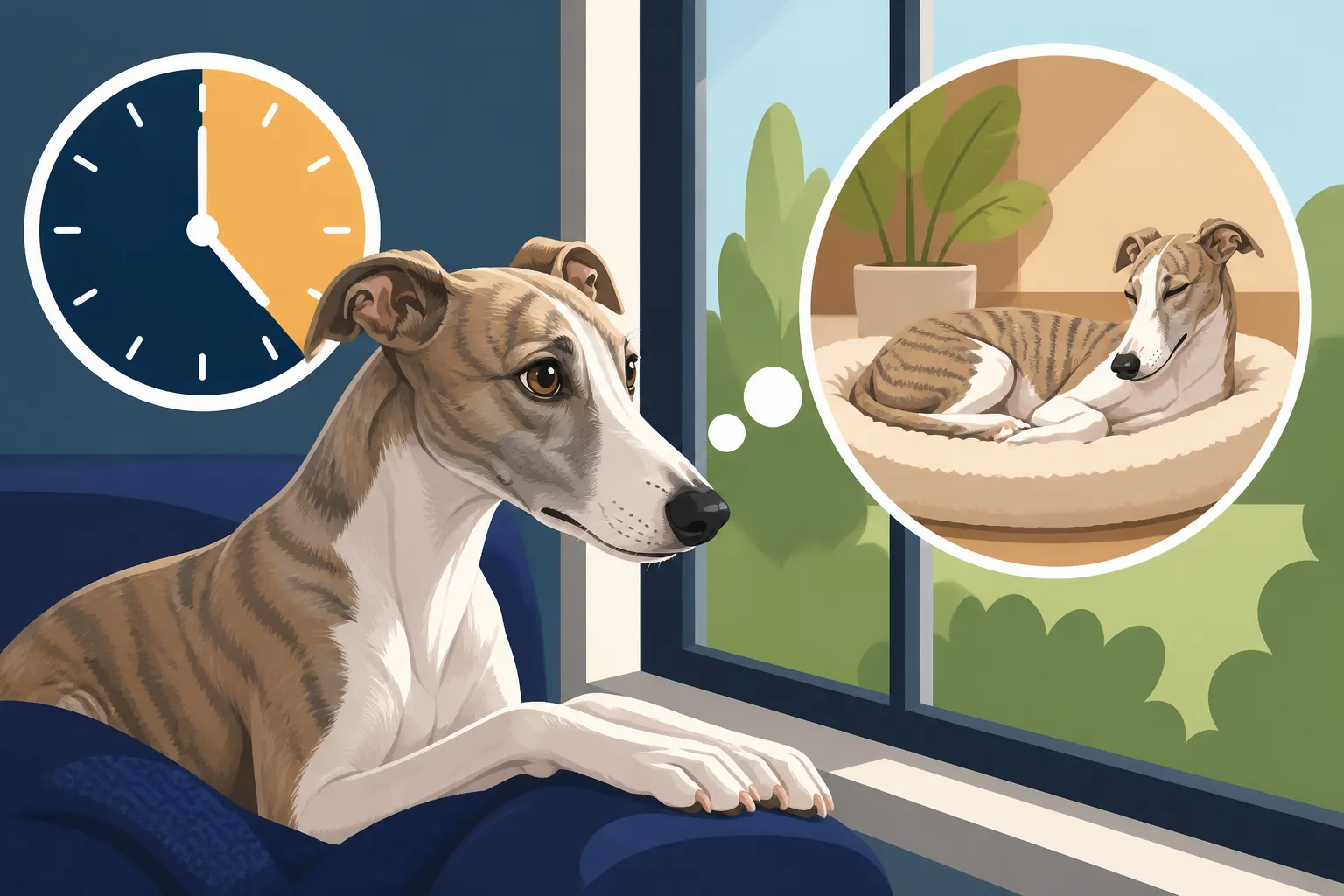
Anyone who has spent time with a Whippet knows that while they can explode into action with incredible speed, they spend a significant portion of their day napping. They truly are masters of relaxation. This inherent calmness, combined with their short bursts of energy, means they aren't typically a breed that needs constant activity to stay sane. If they've had their exercise and potty break before you leave, many adult Whippets are perfectly content to curl up on a soft bed or sofa and snooze until you return. This natural inclination to relax is a huge advantage when it comes to managing alone time, as it means they're less likely to bounce off the walls from sheer boredom. Think about it: a good 18-hour nap schedule isn't unusual for them, so a few hours of quiet time might just blend right into their regular routine. You might even find them in the exact same spot you left them, just a bit more deeply asleep. This characteristic is why many owners find that How Many Hours a Day a Whippet Sleeps is surprisingly high.
However, this doesn't mean they're immune to boredom or neglect. While they excel at napping, their social nature means they thrive on companionship. A Whippet who is always left alone for extended periods without adequate human interaction, even if they sleep through much of it, can still develop issues. The key is to balance their natural love of rest with their need for connection and proper enrichment. When they're awake, they want to be with you, or at least aware of your presence. A house that's completely silent and devoid of activity for too long can feel isolating, even to the most dedicated napper.
Their Deep Need for Companionship
Despite their independent napping habits, Whippets are incredibly social dogs at heart. They bond very deeply with their human families, often forming strong attachments that lead them to prefer being in the same room as you, if not right on your lap or snuggled under a blanket beside you. This isn't a breed that enjoys being relegated to the backyard or left alone for days on end without proper interaction. Their sensitive nature means they truly appreciate and seek out human connection. This desire for companionship is one of the main reasons why Why a Whippet Sleeps More Than Most Breeds isn't just about physical rest, but also about recharging from social engagement.
This deep attachment means that while they might tolerate alone time, they often don't love it. They crave the warmth of your presence, the gentle scratch behind the ears, or simply the knowledge that you're near. For some Whippets, this can manifest as genuine anxiety if they feel truly abandoned, even if it's just for a few hours. It’s not just about physical needs; it’s about emotional security. They are creatures of habit and routine, and a sudden or prolonged disruption to their expectation of your presence can be unsettling.
Prey Drive and Managing Boredom
Whippets were bred for speed and the chase, and that strong prey drive is still very much alive, even in the most pampered pet. When left alone, a bored Whippet with nothing to occupy its mind might decide to create its own entertainment – and that entertainment isn't always something you'll appreciate. This could mean investigating countertops, chewing on furniture, or even attempting to "hunt" household items. This is especially true if they haven't had adequate physical and mental exercise before being left. An under-stimulated Whippet, even a sleepy one, can find mischief.
Providing appropriate mental stimulation and outlets for their natural instincts is crucial. Puzzle toys, long-lasting chews, or even a securely hidden treasure hunt with treats can make a huge difference. Think about what your Whippet would naturally be drawn to if they were outside: movement, smells, the thrill of discovery. You can translate some of that into safe, indoor activities. Without this, their sharp senses and intelligence can turn towards less desirable activities. A tired Whippet is a good Whippet, and a mentally stimulated Whippet is a content Whippet.
Factors Influencing How Long a Whippet Can Be Left Alone
There's no single magic number for how many hours a Whippet can comfortably be left alone. It's a nuanced question with several key factors that weigh heavily on the answer.
Age and Stage of Life
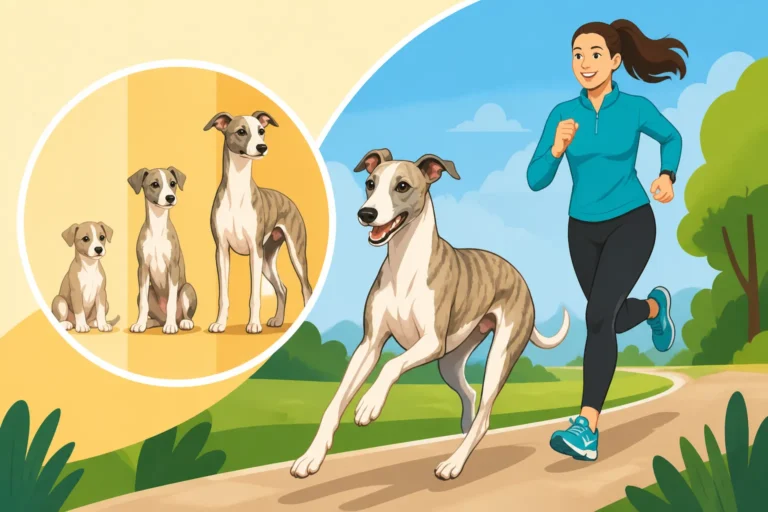
A Whippet puppy is a completely different creature from a mature adult or a senior. A young puppy, especially under six months, simply cannot be left alone for extended periods. They have tiny bladders, need frequent potty breaks (sometimes every 2-3 hours), and require constant supervision and socialization during their critical developmental stages. Leaving a puppy alone for a full workday is a recipe for house-training regressions, destructive chewing, and potentially severe separation anxiety. Their entire world is developing, and they need a guide. This is why you need to consider How Long a Whippet Puppy Holds It Overnight carefully, as their daytime capacity is even shorter.
Adult Whippets (typically from 1.5 to 8 years old) are generally the most adaptable. If properly trained and socialized, many adult Whippets can comfortably handle 6-8 hours alone during a typical workday. Some may even manage 9-10 hours occasionally, but this should not be a daily occurrence. The key here is "comfortably" – they might tolerate longer, but their quality of life decreases. As Whippets enter their senior years (around 8-10+ years), their needs change again. They might need more frequent potty breaks due to aging bladders or medical conditions, become more prone to anxiety or confusion, or simply crave more constant companionship. Caring for an Old Whippet That Feels the Cold also means they might need extra comfort, like a warm bed, which can help them feel secure when alone.
Training and Socialization
A well-trained and properly socialized Whippet will always cope better with alone time than one who hasn't had those foundational experiences. Crate training, for instance, can be invaluable. A crate, when introduced correctly and positively, becomes a safe, den-like space where your Whippet feels secure and comfortable. It's not a punishment; it's their personal sanctuary. If your Whippet views their crate as a good place, they'll be much more relaxed when left there, rather than roaming the house and potentially getting into trouble. Whether a Whippet Can Be Crate Trained is a common question, and the answer is usually a resounding yes, with patience and positive reinforcement.
Beyond crate training, general obedience training helps build confidence and structure. A dog who understands boundaries and routines is less likely to become anxious or destructive. Socialization, exposing your puppy to a variety of sights, sounds, people, and other friendly dogs in a positive way, helps them develop into a confident, adaptable adult. A well-adjusted Whippet is less likely to panic when routines shift or when left alone, as they have a broader understanding of the world and their place in it. The more confident and secure your Whippet is in themselves and their environment, the better they will handle periods of solitude. For those looking for structured training, online programs can be a lifesaver, and brands like BAXTER & Bella offer comprehensive puppy and adult dog training courses that can build that essential confidence.
Home Environment and Enrichment
The physical environment you leave your Whippet in significantly impacts their comfort. A drafty, barren room is far less inviting than a cozy corner with a soft bed and a warm blanket for burrowing. Whippets famously have very little body fat, so warmth and comfort are paramount. Ensure they have access to their favorite sleeping spots, whether it's a dog bed, a soft mat in their crate, or even a designated spot on the sofa covered with a plush throw. Remember, A Whippet Has No Insulation and No Padding, so comfort is key.
Beyond comfort, mental enrichment is vital. Before you leave, make sure your Whippet has had adequate physical exercise. A good sprint or a brisk walk will help them burn off energy and be ready for a nap. Then, provide engaging toys to keep their minds active. Puzzle feeders stuffed with tasty treats, long-lasting chews, or interactive toys can turn alone time into a positive experience. You can find a vast array of these on Amazon, from classic Kongs to more advanced treat-dispensing gadgets. Rotate these toys to keep them novel and exciting. A tired, stimulated Whippet is a happy Whippet, and a happy Whippet is much more likely to settle down and relax when you're not there.
Strategies for Preparing Your Whippet for Alone Time
Successfully leaving your Whippet alone isn't about simply walking out the door; it's about a strategic approach that builds their confidence and ensures their comfort.
Gradual Desensitization and Crate Training
The golden rule for teaching a Whippet to be alone is gradual desensitization. You can't go from never leaving them to an 8-hour workday overnight. Start with very short periods: leave the room for a minute, then two, then five, then ten. Gradually increase the duration you're out of sight, always returning before they show signs of distress. This teaches them that your departures are not permanent and that you always come back. Make your departures and arrivals low-key; no big goodbyes or overly enthusiastic hellos, which can heighten their anxiety about you leaving or returning. The goal is to make it a non-event.
If you choose to crate train, ensure the crate is a positive space. Feed meals in the crate, give high-value treats only when they are in the crate, and never use it for punishment. Make it comfortable with soft bedding and a favorite toy. The crate should be a safe haven, not a prison. For puppies, this is especially crucial, as it provides a secure space where they can't get into trouble and are less likely to soil their sleeping area. Many owners find that mastering Whether a Whippet Can Be Crate Trained early on makes a huge difference in managing alone time later.
Providing Mental and Physical Stimulation
Before you head out for the day, make sure your Whippet is both physically and mentally tired. A good run in a secure area or a long, brisk walk allows them to burn off excess energy. Remember, The Whippet Is a Forty Mile an Hour Couch Potato, so a good sprint can do wonders for settling them down for a nap. Follow that up with some mental stimulation, such as a short training session, a game of hide-and-seek with treats, or a puzzle toy before you leave.
Once you're ready to depart, offer them an engaging, long-lasting chew or a food puzzle that will keep them occupied for a significant portion of your absence. A frozen Kong stuffed with peanut butter, yogurt, or wet food can last quite a while and provides positive reinforcement for being alone. Rotating these enrichment items prevents boredom and keeps your Whippet interested. A well-exercised and mentally satisfied Whippet is far more likely to nap peacefully than one who is restless and bored.
Utilizing Technology and Professional Help
Modern technology offers some fantastic tools for monitoring your Whippet while you're away. Pet cameras, many available on Amazon, allow you to check in on them, talk to them, or even dispense treats remotely. Seeing how your Whippet truly behaves when you're gone can provide immense peace of mind or highlight areas where they might be struggling. For instance, you might discover they settle quickly after five minutes, or conversely, that they pace and whine for hours.
If you find your Whippet is truly struggling with alone time, exhibiting signs of severe distress, don't hesitate to seek professional help. A certified professional dog trainer or a veterinary behaviorist can help diagnose underlying issues like separation anxiety and develop a tailored behavior modification plan. Sometimes, what looks like simple naughtiness is actually a cry for help. Online training platforms, like those offered by BAXTER & Bella, can also provide resources and guidance on building a dog's confidence in various situations, including being left alone.
Recognizing and Addressing Issues
It's heartbreaking to think your Whippet might be unhappy while you're away. Knowing the signs of distress and how to address them is crucial for their well-being.
Signs of Separation Anxiety
Separation anxiety is more than just a dog missing you; it's a genuine panic disorder. If your Whippet exhibits consistent, severe distress when left alone, it’s likely separation anxiety. Common signs include excessive vocalization (howling, barking, whining), destructive chewing targeting exits (doors, window sills), inappropriate urination or defecation (even if house-trained), frantic pacing, or excessive drooling. They might also try to escape their confinement, potentially injuring themselves in the process. This isn't out of spite or naughtiness; it's a real fear. It’s important to understand that Separation Anxiety in a Whippet can be a serious condition that requires dedicated intervention.
If you suspect separation anxiety, monitoring your Whippet with a camera can confirm your suspicions. True separation anxiety behaviors only occur when you're absent, not when you're home. For example, a dog with separation anxiety will typically not chew on the door frame if you're in the next room, but will if you leave the house. Observing the pattern and severity of these behaviors is the first step towards getting them the help they need. Simply punishing these behaviors is ineffective and can make the anxiety worse, as it doesn't address the underlying fear.
Destructive Behaviors and Accidents
A bored Whippet might chew on an inappropriate item simply because it's available and interesting. A Whippet with separation anxiety chews destructively to try and escape or to self-soothe in a panic. The motivation is key. If your Whippet occasionally chews a shoe, it might be boredom or lack of appropriate chew toys. If they consistently tear up carpet by the door, chew through walls, or destroy their crate in an attempt to get out, it's a stronger indicator of anxiety.
Similarly, house-training accidents. If your fully house-trained adult Whippet suddenly starts having accidents only when left alone, particularly if it's accompanied by other anxious behaviors, it's likely stress-related rather than a forgotten lesson. It's often a sign of extreme distress, not defiance. For a detailed look at their needs, understanding What a Whippet Needs Every Day can help prevent many common issues, including stress-related accidents. Ensuring a clean, safe, and stimulating environment can mitigate many of these issues, but professional help may still be needed for deeply ingrained anxiety.
When to Seek Expert Advice
If you've tried all the common strategies – gradual desensitization, ample exercise, engaging enrichment toys, cozy spaces – and your Whippet continues to show significant distress, it's time to bring in the experts. A certified professional dog trainer specializing in behavior modification or a veterinary behaviorist can assess your Whippet's specific situation and help you develop a tailored plan. This might involve counter-conditioning exercises, desensitization protocols, and in some cases, medication to help manage severe anxiety while behavior modification takes place.
Never feel ashamed or guilty about seeking help. Separation anxiety is a complex issue, and it's a testament to your love for your Whippet that you're willing to go the extra mile to ensure their emotional well-being. These professionals have the knowledge and experience to guide you through what can be a challenging process, ultimately helping your Whippet feel more secure and content when you're not around.
Here's a quick guide to general recommendations for leaving a Whippet alone:
| Whippet Age / Stage | Recommended Max Alone Time (Daily) | Considerations |
|---|---|---|
| Puppies (8-12 weeks) | 1-2 hours | Tiny bladders, critical socialization, frequent potty breaks, constant supervision |
| Puppies (3-6 months) | 2-4 hours | Still need frequent breaks, learning boundaries, prone to chewing |
| Adolescents (6-18 months) | 4-6 hours | Testing boundaries, high energy, need strong routine and mental stimulation |
| Adult (1.5 – 8 years) | 6-8 hours | Best able to cope, given exercise, comfort, and enrichment, occasional 9-10h OK |
| Senior (8+ years) | 4-6 hours | May need more frequent potty breaks, prone to anxiety, seek comfort |
This table provides general guidelines. Every Whippet is an individual, and their tolerance for alone time will vary. Always observe your own dog's behavior and adjust accordingly.
Disclaimer
This article is for general informational purposes only and does not constitute professional advice. Laws, prices and regulations vary by location and change over time. Consult a qualified professional for guidance on your specific situation.