How Quickly a Whippet Learns
It’s a common scenario: you’re trying to teach your beautiful Whippet a new trick, or simply to come when called, and sometimes it feels like you're talking to a brick wall. The truth is, how quickly a Whippet learns can be a bit of a rollercoaster, influenced by their unique sighthound nature and incredible sensitivity. This guide will dive deep into their learning style, address common training frustrations, and offer practical strategies to help your Whippet become the well-behaved, happy companion you know they can be.
Understanding the Whippet Learning Style
Whippets are not your average dog when it comes to learning. Their intelligence is undeniable, but it manifests differently than in, say, a herding breed. They are independent thinkers, driven by instinct, and incredibly sensitive to their environment and your emotions. Understanding these core traits is the first step to successful training.
Are Whippets Naturally Intelligent?
Absolutely, Whippets are intelligent, but perhaps not in the way many people traditionally define it for dogs. They possess a keen observational intelligence and are masters of efficiency. They can quickly figure out what they want to do and how to achieve it with the least amount of effort. This often leads owners to believe they are "stubborn" or "not listening," when in reality, they've simply weighed the reward for compliance against the perceived effort or their own desires. They are incredibly good at learning routines and anticipating events, which is a sign of high intelligence.
Their intelligence is often wrapped up in their sighthound heritage. These dogs were bred for speed and independent hunting, meaning they had to make quick decisions on their own, far from human direction. This innate self-reliance means they’re not always looking to you for instruction in the same way a Labrador might. They are thinkers, problem-solvers (especially if the problem involves getting to a comfy spot on the sofa or a dropped crumb), and very adept at training their humans, sometimes without us even realizing it!
What Motivates a Whippet to Learn?
This is where many owners hit a snag. A Whippet isn't usually motivated by the sheer joy of pleasing you in the same way some other breeds are. While they adore their families, their primary motivators are often comfort, food, and the thrill of the chase. High-value treats are almost always a winner. Think tiny pieces of cooked chicken, cheese, or even specific commercial training treats they absolutely adore. If the reward isn't worth their while, or if another, more enticing distraction is present (like a squirrel darting across the park), your Whippet might just decide that listening isn't their top priority at that moment.
Beyond food, comfort plays a huge role. Many Whippets will learn cues that lead to snuggling on the couch or getting a warm blanket. Positive reinforcement, particularly with gentle praise and soft petting, can also go a long way, but it must be paired with tangible rewards initially. Their sensitive nature means harsh corrections are counterproductive; they'll shut down or simply disengage. Instead, focus on making training a positive, rewarding, and fun experience. Remember that the chase instinct is very powerful; activities like Lure Coursing Channels a Whippet's Drive can be an excellent way to motivate and bond with your Whippet.
The Whippet's Sensitive Nature and Training
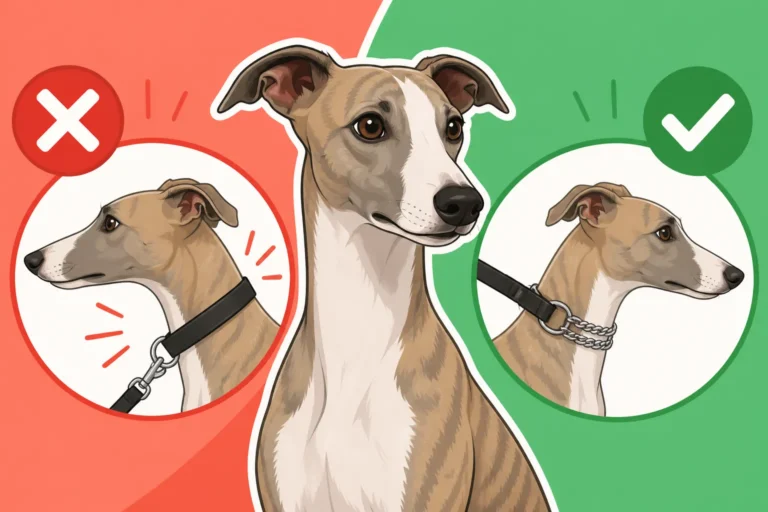
If there's one thing that defines a Whippet's temperament, it's sensitivity. They are soft, gentle souls who thrive on positive interactions and can be deeply affected by harsh tones, loud noises, or any form of physical correction. Yelling at a Whippet for having an accident in the house or for not coming when called can instantly make them wary and fearful, damaging your bond and making future training much harder. They can quickly learn to associate certain situations or commands with negative feelings, leading to avoidance.
This sensitivity also means they are incredibly attuned to your mood. If you're stressed or frustrated during a training session, your Whippet will pick up on that and may become anxious or shut down. It’s crucial to approach training with patience, a calm demeanor, and a sense of humor. If you find yourself getting frustrated, it’s always better to end the session on a positive note, even if it’s just for a simple, known command, and try again later. Understanding How a Whippet Learns When It Bruises From Pressure is essential for effective, humane training.
Common Training Challenges and How to Overcome Them
Every breed comes with its unique set of training challenges, and Whippets are no exception. Their sighthound instincts, coupled with their delicate disposition, can sometimes make seemingly simple tasks feel like an uphill battle. But with the right approach and a deep understanding of their nature, these hurdles are entirely surmountable.
The Elusive Whippet Recall
Ah, the Whippet recall – the bane of many an owner's existence! You can practice in the garden a hundred times, and they'll come flying back for a treat. Then you go to the park, a leaf blows, a bird flutters, and suddenly you're invisible. This isn't stubbornness; it's instinct. Whippets have an incredibly strong prey drive and vision. When they see something move, their ancient sighthound brain takes over, and that object becomes the most important thing in the universe. Why a Whippet's Chase Instinct Overrides Its Recall is a battle against millennia of selective breeding.
To combat this, you need to make yourself even more enticing than that squirrel. Start recall training in a completely enclosed, distraction-free area, heavily rewarding every successful return. Gradually introduce mild distractions, always upping the reward. Use a long line – you can find excellent durable ones on Amazon – to practice in open, safe areas, giving them the illusion of freedom while you maintain control. Never call your Whippet to punish them; they need to associate coming to you with positive outcomes, every single time. An emergency recall word, used only for critical situations and always followed by the best treats imaginable, can also be a lifesaver.
House Training Hurdles
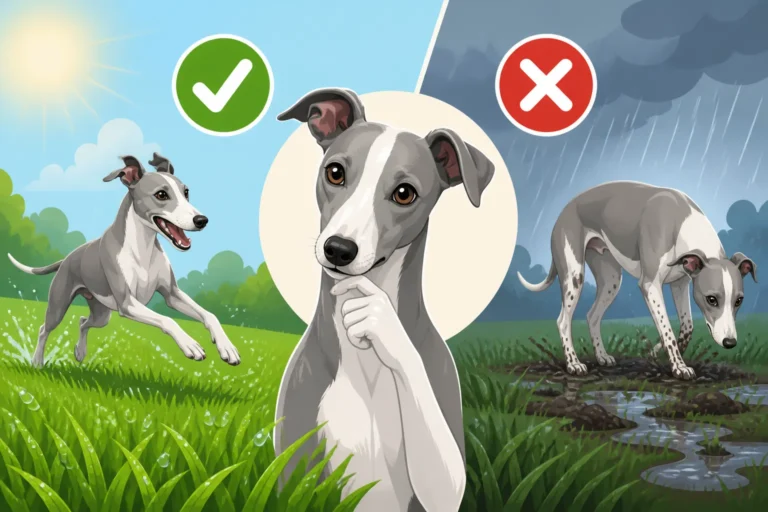
Some Whippets can be surprisingly challenging to house train. Many factors play into this, including their delicate skin that makes them sensitive to cold or wet weather, and a potential reluctance to go potty in a specific spot if it’s not to their liking. The Whippet That Will Not Toilet in the Rain is a very real phenomenon! You might find your Whippet looks at you with utter disdain if you try to take them out in a drizzle, preferring to hold it until the coast is clear, or worse, finding an indoor spot.
Consistency and routine are paramount. Take your Whippet out frequently, especially after waking up, after meals, and before bed. Praise lavishly and reward immediately when they go outside. If they refuse to go in inclement weather, consider a sheltered potty area or invest in a good quality rain or snow coat for them. Whether a Whippet Needs a Coat to Go Outside is often a resounding yes in colder climates! Crate training can be incredibly helpful for house training a Whippet, as dogs generally don't like to soil their sleeping area. Just ensure the crate is a comfortable, positive space, not a punishment zone.
Keeping a Whippet Engaged in Training
Whippets aren't known for endless repetitions. They get bored quickly and will disengage if a session becomes too long, monotonous, or demanding. Their independent spirit means they often prefer to decide when they're "on" for learning. This isn't laziness; it's just how their brains are wired. If they start yawning, looking away, or wandering off, they're telling you they've had enough.
To keep them engaged, embrace short, fun sessions. Think 5-10 minutes, perhaps two or three times a day, rather than one long, arduous session. Mix up the commands, incorporate games, and always end on a high note. Use varied, high-value rewards to maintain their interest. Interactive puzzle toys can also be a fantastic way to engage their minds and make them "work" for their food, keeping them sharp and happy without the pressure of formal training. Some online programs, like those offered by BAXTER & Bella, emphasize positive, engaging methods that can work well with the Whippet's temperament.
Optimizing Your Whippet's Learning Environment
Creating the right environment is just as important as the training methods themselves when it comes to teaching a Whippet. These sensitive dogs thrive on routine, predictability, and a calm atmosphere where they feel secure and understood. Without these elements, even the best training techniques can fall flat.
Short, Sweet, and Frequent Sessions
Forget hour-long training drills; your Whippet will be snoozing before you've taught the first command. Whippets respond best to Whether Short Sessions Suit a Whippet – usually no more than 5-10 minutes at a time. Their attention spans can be brief, especially if the task isn't inherently exciting to them. The key is to keep it fun, upbeat, and always end before they get bored or frustrated.
Think of it like this: would you rather sit through one long, tedious meeting, or several short, engaging discussions? Your Whippet feels the same way. By keeping sessions brief, you maximize their focus and enthusiasm. You can fit several mini-sessions into a day – maybe one before breakfast, another before an evening walk, and a final one before bedtime. This frequent exposure, even in small doses, builds muscle memory for commands and reinforces good habits without overwhelming them.
Consistency is Key
This might sound obvious, but for a Whippet, consistency is absolutely non-negotiable. If one family member allows them on the sofa without an invitation, but another scolds them for it, your Whippet will become confused and frustrated. They won't understand the nuance; they'll just know that sometimes it's okay, and sometimes it's not. This leads to what looks like "disobedience" but is actually just a dog trying to figure out the rules.
Everyone in the household needs to be on the same page regarding commands, expectations, and rewards. Use the same verbal cues and hand signals, and be consistent with when and where your Whippet is allowed certain privileges. For example, if "sit" means butt on the floor, it always means butt on the floor, no matter who says it or where you are. This predictability helps your Whippet feel secure and makes it much easier for them to understand what's expected of them. A good online training resource, such as BAXTER & Bella, can help ensure all family members follow a consistent approach.
The Importance of Socialization and Exposure
Early and ongoing socialization is vital for a well-adjusted Whippet. Because of their sensitive nature, they can easily become overwhelmed or fearful if not properly introduced to new sights, sounds, people, and other dogs. An undersocialized Whippet might become shy or anxious around strangers, or even reactive towards other dogs, making it harder to train them in public spaces.
Enroll your Whippet puppy in a well-run puppy class that emphasizes positive interactions. Once they are fully vaccinated, expose them to a variety of safe, positive experiences: gentle strangers, different types of dogs (calm, well-mannered ones), various environments like parks, stores (where dogs are allowed), and even different surfaces like grass, pavement, and gravel. The more positive experiences they have in their youth, the more confident and adaptable they will be as adults, which directly impacts their ability to learn and respond to you in different situations. Socializing a Whippet Puppy properly sets them up for a lifetime of happy learning.
Beyond Basic Obedience: Advanced Learning for Whippets
While Whippets might not be the poster children for competitive obedience, their intelligence, agility, and desire for engaging activities mean they can excel in many advanced pursuits beyond basic "sit" and "stay." Don't let their couch potato reputation fool you; these dogs love to learn and burn off energy in stimulating ways.
Whippets in Dog Sports
Many owners are surprised to learn how many dog sports Whippets actually excel in. Their incredible speed and agility make them natural competitors in activities like lure coursing, Fast CAT, and even agility. These sports tap into their innate prey drive and love of running, providing a fantastic outlet for their energy and mental stimulation. Whether a Whippet Can Do Agility is often a resounding yes, though care must be taken with jumping to protect their joints.
Beyond the obvious speed-based sports, Whippets can also enjoy things like scent work or barn hunt, where their keen noses and problem-solving skills are put to the test. These activities are less physically demanding but provide immense mental enrichment, which is just as important for a Whippet's overall well-being and willingness to learn. Engaging in sports also deepens the bond between you and your Whippet, making them more attentive and responsive in everyday life.
Therapy and Service Work Potential
Given their gentle, affectionate, and sensitive nature, some Whippets can make excellent therapy dogs. Their calm demeanor indoors, combined with their soft fur and loving disposition, makes them incredibly comforting companions for people in hospitals, nursing homes, or schools. Whether a Whippet Makes a Therapy Dog often depends on the individual dog's temperament, but many possess the right qualities.
While service dog work is more specialized and demanding, requiring an extremely stable and task-oriented temperament, some Whippets have proven capable. Their smaller size can be an advantage for tasks like retrieving dropped items or providing deep pressure therapy. However, finding a Whippet with the necessary low prey drive and unwavering focus for such intense work is less common. For owners interested in this path, early and extensive training from a reputable program is crucial, often starting with foundational skills from puppyhood, which might involve resources like the BAXTER & Bella online training program to build a strong foundation.
Whippet Learning & Training Comparison
To help visualize some key aspects of Whippet learning and how they compare to general dog training principles, here's a quick overview:
| Training Aspect | General Dog Training Advice | Whippet Specifics & Considerations |
|---|---|---|
| Motivation | Food, praise, toys, pleasing owner. | Primarily high-value food, comfort, the chase. Less motivated by "pleasing you." |
| Session Length | 10-15 minutes, 1-2 times/day. | 5-10 minutes, 2-3 times/day. Shorter, more frequent to avoid boredom and frustration. |
| Correction | Can vary; some methods use verbal correction. | Absolutely NO harsh verbal or physical correction. Will shut down or become fearful. Positive only. |
| Recall | Practice regularly, proof distractions. | Extremely strong prey drive overrides recall. Requires extensive, high-reward training & long lines. |
| House Training | Consistent schedule, reward outside. | Sensitive to cold/wet. May refuse to go outside. Covered potty area or coat can help. |
| Socialization | Crucial for puppies. | Extremely important due to sensitivity. Early, positive exposure prevents fear and reactivity. |
| Patience Level | Varies by breed and individual. | Requires significant patience. They learn quickly but only if they see the value and are comfortable. |
Disclaimer
This article is for general informational purposes only and does not constitute professional advice. Laws, prices and regulations vary by location and change over time. Consult a qualified professional for guidance on your specific situation.