How a Cat Teaches a Whippet Manners
Bringing a sleek, lightning-fast sighthound into a home ruled by a feline can feel like mixing oil and water. Many owners worry that their dog’s relentless instinct to chase will turn everyday life into a stress-filled battlefield. Fortunately, cats are master communicators that often teach young or curious dogs proper boundaries far faster than human shouting ever could. This guide explores how a cat teaches a Whippet manners, how to manage these interactions safely, and how to build a peaceful household.
The Dynamics of Sighthound Prey Drive and Feline Boundaries
Sighthounds are hardwired to notice quick movements. A sudden dash across the living room rug triggers an instant reflex in a dog bred to spot a running hare half a mile away. However, living indoors requires these swift athletes to suppress that reflex, and feline communication plays a pivotal role in shifting a hound’s mindset from hunter to respectful housemate.
Understanding the Whippet Chasing Instinct
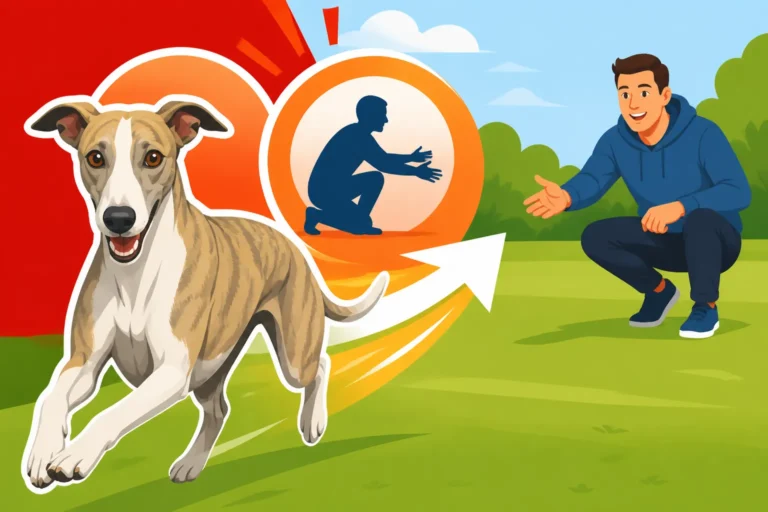
To manage a sighthound successfully, you first have to understand what drives their impulses. When a dog sees a small creature run, a surge of adrenaline hits their nervous system. In an open yard, this energy translates into rapid acceleration, but inside a home, that same drive can lead to chaos.
When you look at Living With a Whippet and a Cat, the primary challenge isn’t malice; it’s movement arousal. A dog doesn’t necessarily want to harm a cat, but the sheer joy of the chase can prove overwhelming. If a cat bolts, the dog chases. If the cat stands its ground, the dynamic changes entirely.
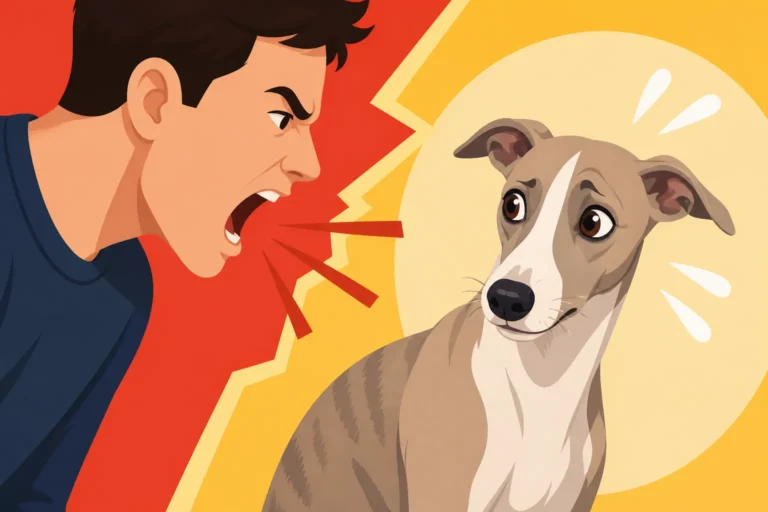
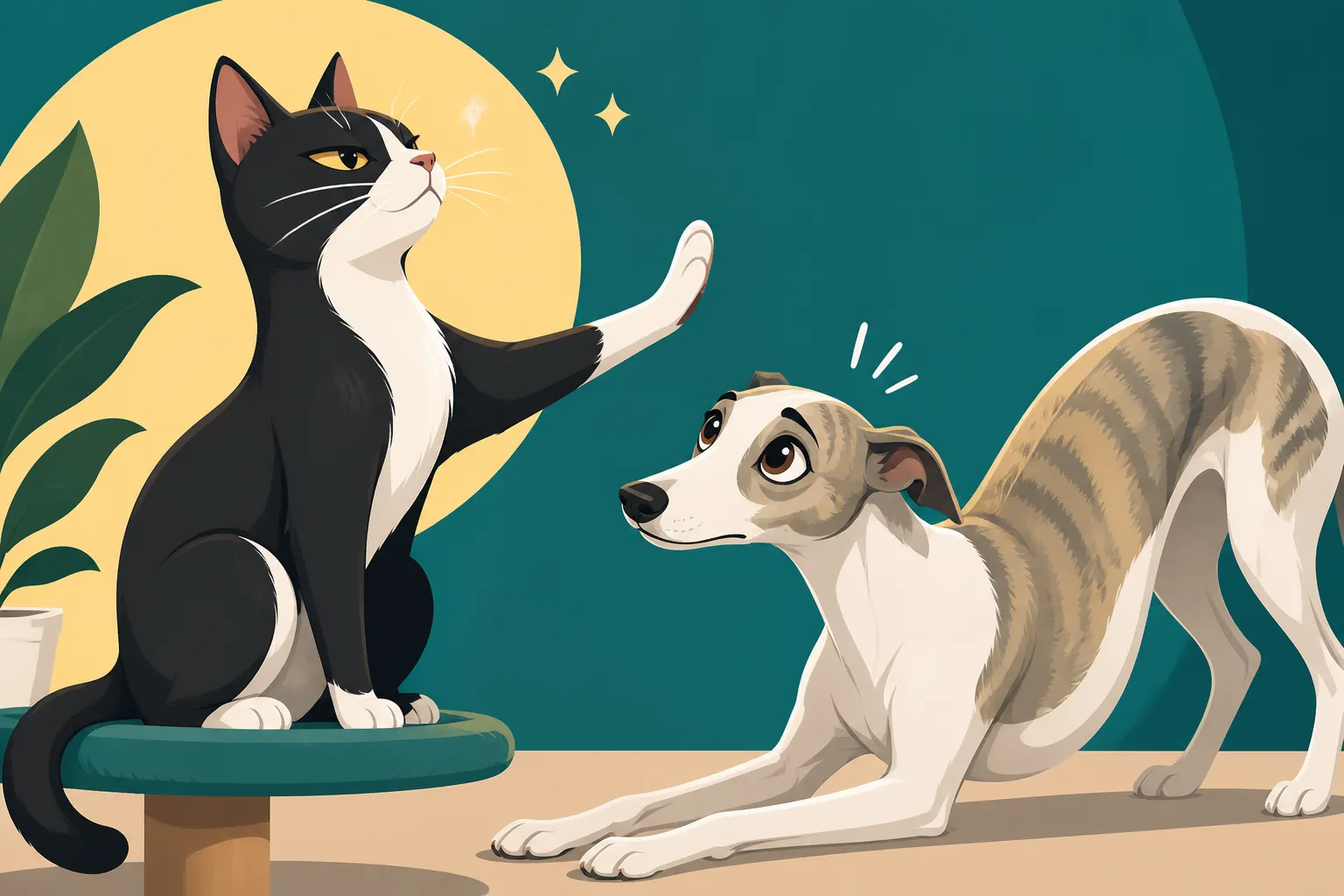
When young sighthounds enter a home, they test boundaries constantly. They drop into play bows, bark playfully, or poke their narrow snouts into a cat’s personal space. If a human reacts by yelling, the dog often perceives that noise as exciting group arousal, which actually elevates the dog’s energy rather than lowering it. A cat, on the other hand, responds with surgical precision.
Feline Body Language as the Ultimate Corrective Signal
Cats are masters of non-verbal language and spatial control. While humans rely heavily on verbal commands, feline warnings are clear, quiet, and immediate. A cat communicates discomfort long before it strikes.
First comes the freezing of movement. When a cat stops dead in its tracks, the dog loses the movement trigger that sparks the chase. Next comes the subtle shift in ear position, flattened sideways, followed by an unmistakable narrowing of the eyes and a tense, arched spine.
Sighthounds are deeply sensitive dogs. Understanding Why Harsh Handling Ruins a Whippet helps explain why a cat’s subtle, quiet corrections often work far better than loud human reprimands. A dog that shatters under loud shouting will absorb a cat’s cold, calculated warning glance with profound focus. The cat’s stillness effectively breaks the dog’s chain of arousal, forcing the dog to evaluate the situation rather than react blindly.
Example Table Placeholder – will use Markdown Pipe Table below
How Cats Enforce Spatial Respect and Lower Chase Energy
The process of a cat teaching a hound how to act indoors comes down to cause and effect. A dog learns that polite, calm behavior gains permission to share space, while intrusive, hyperactive behavior results in swift, uncomfortable feedback from the cat.
The Power of the Cold Stare and Swat
When a dog oversteps, a cat rarely hesitates to establish boundaries. A inquisitive dog snout invading a sleeping cat’s bed is usually met with a zero-tolerance response. The cat might deliver a firm hiss, a raised paw, or a quick, clawless smack across the muzzle.
This immediate feedback loop teaches the dog several critical lessons:
- Personal Space Has Boundaries: The cat’s bed and high perches are completely off-limits to curious noses.
- Fast Movements Bring Negative Consequences: Lunging forward results in a sharp hiss or a swipe, whereas slow, calm approaches are met with neutral tolerance.
- A Staring Cat Holds Ground: A cat that does not run cannot be chased, rendering the dog’s predatory instinct useless.
A sharp swat to the nose provides a memorable lesson. Because sighthounds have sensitive skin and delicate feelings, a single well-timed slap from a cat often permanently alters how close the dog will step next time. Over time, the dog learns that respecting the feline’s personal space ensures a quiet, peaceful room.
Why Feline Independence Defuses Sighthound Arousal
Cats possess a unique indifference that thoroughly confuses high-energy dogs. When a dog prances around trying to initiate a game of chase, a cat will often look away, lick a paw, or calmly leap onto a tall bookshelf. By removing itself from the interaction, the cat refuses to participate in the game.
This lack of feedback starves the dog’s drive. Dogs repeat behaviors that yield rewards, whether that reward is a thrilling chase or a playful game. When the cat offers zero engagement and complete indifference, the dog eventually loses interest and settles down on the sofa.
Understanding How a Whippet Treats the Family Cat requires recognizing this shift from intense focus to total neutrality. Once the dog realizes the cat is neither a toy nor prey, the two animals can exist in the same room without tension.
Managing and Guiding House Manners Safely
While a confident cat can teach a hound a great deal, owners must step in to oversee the process. Leaving an untrained sighthound alone with a cat without safety measures is a recipe for disaster. The human’s job is to manage the environment so the cat can deliver safe, low-risk lessons without either animal getting hurt.
Structuring Controlled Household Interactions
When introducing these two species, control is essential. During early meetings, the dog should always be on a leash or behind a sturdy baby gate. This prevents the dog from pursuing the cat if the cat decides to run, keeping interactions within a safe boundary.
- Establish Safe Retreats: Ensure the cat has elevated pathways and safe zones that the dog cannot reach. High cat trees, wall shelves, or rooms blocked by pet gates give the cat total control over when it chooses to interact.
- Reward Calm Behavior: When the cat walks into the room and the dog chooses to look at you or lay its head down, deliver high-value treats immediately.
- Interrupt Fixation: If the dog stares intensely with a stiff body, disrupt the gaze immediately. A gentle touch, a happy voice, or stepping between the two animals breaks the predatory focus before it turns into a chase.
- Allow Safe Corrections: If the dog approaches calmly with a soft body and sniffing nose, allow the cat to set its boundary. If the cat gives a soft warning hiss, do not scold the cat; it is actively teaching the dog how to behave.
Reviewing Introducing a Whippet Puppy to a Resident Cat will provide deeper insight into pacing these early days. Early management ensures that any corrections issued by the cat happen safely without escalating into physical conflict.
Training Support and Environmental Setup
To make household integration smoother, setting up your environment thoughtfully makes a massive difference. You can source specialized tall pet gates, heavy-duty scratching posts, and window perches from outlets like Amazon to give your cat plenty of vertical escape routes. Creating a three-dimensional territory allows the cat to monitor the dog safely from above, which builds feline confidence and keeps the dog from feeling overwhelmed by proximity.
Structured training programs can also accelerate this learning curve. Utilizing comprehensive online resources like BAXTER & Bella gives owners step-by-step guidance on teaching reliable impulse control, strong leave-it cues, and relaxed mat settling around high-distraction triggers. Combining direct cat feedback with consistent human reward systems ensures both pets feel secure.
When considering Teaching an Adult Whippet to Live With Cats, remember that older dogs may take longer to unlearn habits than puppies. Patience and consistent management are critical. For owners evaluating Whether a Whippet Raised With a Cat Is Safe, early positive experiences combined with cat-enforced boundaries offer the highest chance of long-term success.
It is also worth noting that household harmony does not automatically transfer outdoors. Understanding Why a Whippet Chases Every Cat but Its Own helps clarify a common sighthound trait: a dog may show complete respect to the resident feline indoors, yet still feel compelled to chase a stray cat running across the backyard. Indoor manners depend heavily on familiar context and established feline authority.
Comparing Cat and Whippet Communication Signals
Understanding how these two animals interpret each other helps owners step in at the right time. Cats and dogs often speak entirely different languages, leading to misunderstandings during early interactions.
Deciphering Sights, Swats, and Bows
The table below breaks down common signals exchanged between cats and sighthounds during their cohabitation learning curve:
| Animal | Behavior / Signal | What the Animal Means | How the Other Animal Interprets It | Owner Action Needed |
|---|---|---|---|---|
| Whippet | Play Bow (Chest low, rear in air) | “I want to play and chase!” | Threat or unpredictable aggressive behavior | Interrupt gently; redirect dog to a calm toy or mat. |
| Cat | Direct, Unblinking Stare | “Back off, this space is mine.” | Challenge or sudden loss of movement trigger | Allow the interaction if safe; the dog learns to pause. |
| Whippet | Intense Stiff Stare & Ear Perk | High arousal / Predatory fixation | Imminent attack; cat prepares to defend or run | Break eye contact immediately; use a cue to turn away. |
| Cat | Hiss and Raised Paw | “You crossed the line; back away now.” | Clear warning; triggers dog to back off or hesitate | Let the cat correct if dog is calm; intervene if dog lunges. |
| Whippet | Turning Head Away / Lip Lick | “I am submitting / I mean no harm.” | Non-threatening posture; feline lowers tension | Praise the dog softly for showing calm, respectful signals. |
| Cat | Slow Blink | “I am comfortable and non-threatened.” | Neutral presence; lowers overall room energy | None; this indicates growing trust and peace. |
Recognizing these signals allows you to understand the conversation taking place in your living room. When a dog reads the cat’s signals correctly and chooses to turn away, you are seeing feline discipline in action.
Distinguishing between a dog that is simply playful and one that is overly pushed requires acute observation. Learning the difference by Telling a Stubborn Whippet From a Sensitive One can help you tailor your intervention style, ensuring your dog learns respect without losing confidence.
Ultimately, a cat’s calm, firm demeanor serves as a powerful mirror for a high-speed hound. Through silent stares, defensive posture, and the occasional quick swipe, the resident cat sets clear house rules. Supported by smart management, high-quality gear from Amazon, and structured training tools from BAXTER & Bella, your dog will quickly learn that domestic cats demand space, respect, and gentle manners.
Disclaimer
This article is for general informational purposes only and does not constitute professional advice. Laws, prices and regulations vary by location and change over time. Consult a qualified professional for guidance on your specific situation.