How Quickly a Whippet Settles Indoors
Bringing a new Whippet, whether a bouncy puppy or a rehomed adult, into your home often comes with a blend of excitement and a burning question: how long will it take for them to truly settle indoors? Many people hear about the "40 mph couch potato" stereotype and expect immediate zen, only to find a dog that's still figuring out its new space, perhaps zooming through the living room or struggling to relax. This guide will dive deep into understanding your Whippet's unique indoor behavior, what influences their ability to settle, and practical strategies to help them become the calm, curled-up companion you've dreamed of.
Understanding the Whippet Temperament Indoors
Whippets truly are a breed of delightful contradictions. They possess incredible athletic prowess, capable of reaching breathtaking speeds, yet they are equally renowned for their serene, often sleepy, disposition inside the home. However, this isn't an instant switch for every dog, and understanding their natural tendencies is key to helping them adapt.
The "Forty Mile an Hour Couch Potato" Misconception
The phrase "forty mile an hour couch potato" is one you hear a lot when discussing Whippets, and for good reason! It perfectly encapsulates their dual nature: explosive speed and an intense drive to chase outdoors, followed by an equally intense desire to nap, snuggle, and conserve energy indoors. What this doesn't mean, however, is that they arrive pre-programmed to be perfectly calm from day one. A young Whippet, especially a puppy or adolescent, might still have plenty of internal engine noise even after a good run. They might need guidance and a consistent environment to truly embrace their inner couch potato. Think of it less as a default setting and more as a potential that needs nurturing. They're not lazy; they're incredibly efficient with their energy, reserving it for when it truly matters. You can read more about this fascinating aspect in The Whippet Is a Forty Mile an Hour Couch Potato.
Why Their Energy Differs From Other Breeds
Unlike many high-energy working breeds that need constant mental and physical stimulation to prevent destructive boredom, a Whippet's energy is typically expressed in short, intense bursts. They're sprinters, not marathoners. This means their "exercised" state looks different. A Border Collie might need an hour of frisbee and then an hour of puzzle toys to be content. A Whippet, on the other hand, might have a thrilling 15-minute sprint session in a secure area and then be ready for a solid three-hour nap. Their need isn't for endless activity but for appropriate and satisfying bursts of activity that tap into their natural sighthound instincts. Once those needs are met, their inclination is to settle deeply and recharge.
The Importance of Post-Exercise Relaxation
For a Whippet to truly settle indoors, that post-exercise relaxation isn't just a bonus; it's a fundamental part of their well-being. Imagine winding down after a hard workout yourself; you crave comfort and quiet, not more stimulation. It's the same for your Whippet. After a vigorous run, a lure coursing session, or even a brisk walk, their bodies need to cool down, and their minds need to switch gears. Providing a soft, warm bed in a quiet spot immediately after exercise encourages this transition. Without adequate physical outlets for their sighthound instincts, that pent-up energy can manifest as restlessness, pacing, or an inability to truly relax in the house.
Factors Influencing a Whippet's Settling Time
Every Whippet is an individual, and how quickly they settle into a new indoor routine can vary greatly. Several key factors play a significant role in this adjustment period.
Age and Maturity
Just like human children, puppies and adolescents have more energy and less impulse control than adults. A Whippet puppy, typically from 8 weeks to around 6-9 months, is still exploring the world, learning boundaries, and has boundless, albeit short-lived, bursts of energy. They might chew, nip, and have a harder time settling than an adult. An adolescent Whippet (roughly 9 months to 2 years) might be even more challenging, as they gain confidence and test limits, often having seemingly endless reserves of energy and a reduced attention span. An adult Whippet, especially one over two years old, generally settles much faster, assuming they've had positive prior experiences and their exercise needs are consistently met. They've learned the rhythm of a home and understand that indoor time means relaxation.
Previous Experiences and Environment
A Whippet's past deeply impacts its ability to settle. A puppy raised in a chaotic environment or one that hasn't learned basic manners might take longer to calm down. Conversely, a puppy from a reputable breeder who focuses on early socialization and exposure to a quiet home environment will likely transition more smoothly. For rescue Whippets, their history is even more critical. A retired racer might initially be overstimulated by a typical home environment, having lived in kennels where noise and activity levels were very different. A Whippet who has experienced neglect or trauma might be anxious and struggle to feel safe enough to relax. Patience, understanding, and a consistent, predictable routine are paramount for these dogs.
Individual Personality Differences
Even within the same litter, Whippet puppies can have vastly different personalities. Some are naturally more laid-back and adaptable, while others are more sensitive, boisterous, or easily overstimulated. You might have a Whippet who happily snoozes through a bustling household, while another needs a quiet room to truly unwind. Observing your dog's unique quirks and preferences is crucial. Does loud music make them pace? Do they prefer to nap near you or in a secluded spot? Tailoring their environment and routine to their individual personality will significantly aid their settling process. This is why it’s so important to pick the right puppy for your lifestyle, or to be prepared to adapt for your new family member.
Here's a quick overview of how different factors can influence settling time:
| Factor | Impact on Settling Time (Generally) | Notes |
|---|---|---|
| Age (Puppy) | Longer, more active | Requires more direct guidance, frequent naps, structured play. |
| Age (Adolescent) | Can be longer, testing boundaries | High energy, developing independence, needs consistent training. |
| Age (Adult) | Quicker, more relaxed | Understands routines, generally calmer if needs are met. |
| Past Environment (Quiet) | Quicker | Already accustomed to home life, less novelty to adjust to. |
| Past Environment (Chaotic/Kennel) | Longer, requires decompression | Might be overstimulated, needs slow introduction to home sounds and routines. |
| Exercise Levels (Inadequate) | Much longer, restless | Pent-up energy can manifest as pacing, seeking attention, inability to relax. |
| Soft Bedding/Comfort | Quicker | Essential for physical comfort and security, especially for thin-skinned Whippets. |
| Consistent Routine | Quicker | Predictability reduces anxiety and helps them understand expectations. |
| Quiet Space | Quicker, more restful | Allows sensitive Whippets to decompress away from household activity. |
Creating an Optimal Indoor Environment for Settling
For a Whippet to truly relax and feel at home, their indoor environment needs to be designed with their specific needs in mind. This goes beyond just providing food and water.
The Power of a Cozy Den and Soft Surfaces
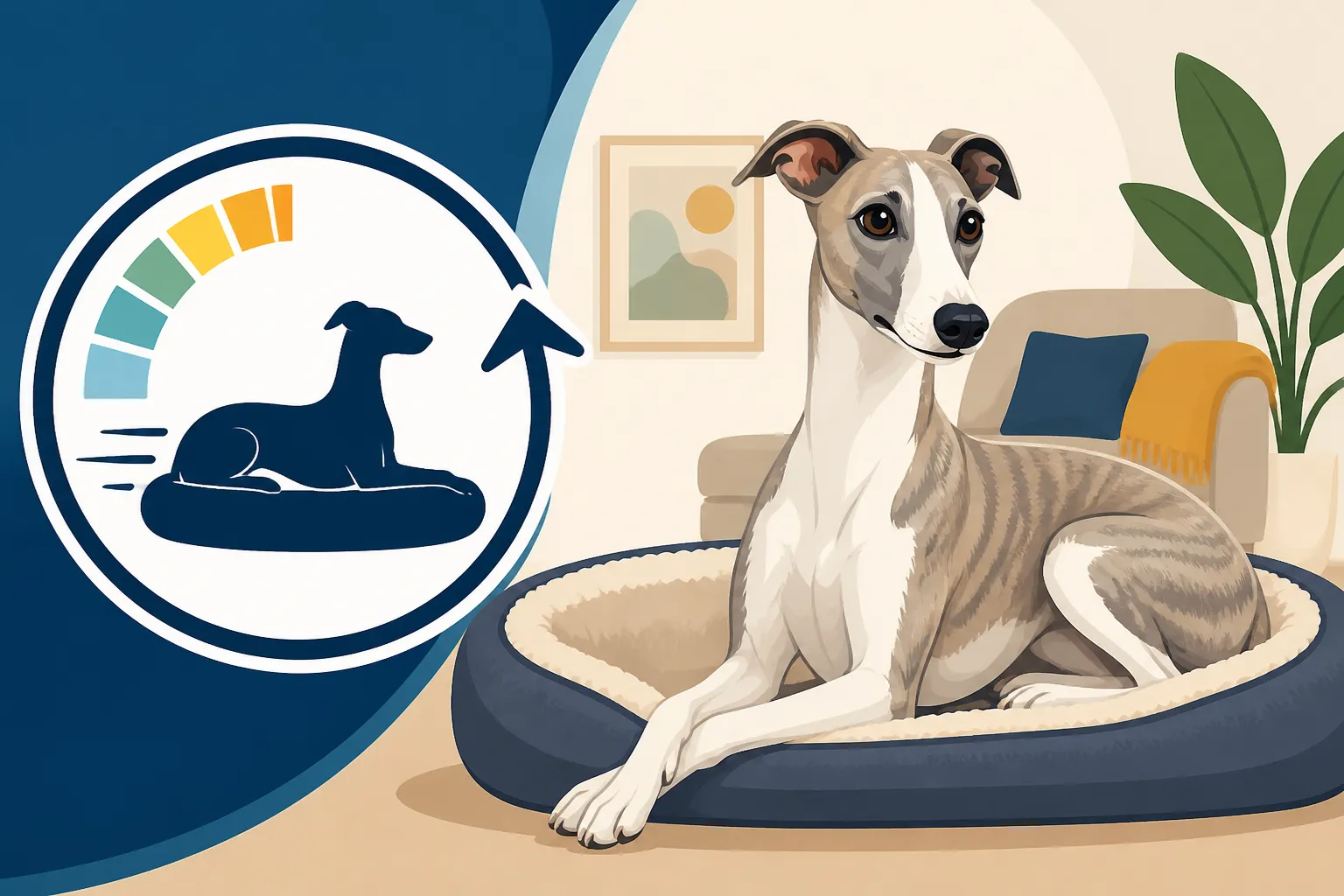
Whippets, with their thin skin and minimal body fat, absolutely crave warmth and softness. A hard floor is simply not an option for comfortable napping; it can lead to pressure sores and general discomfort. Providing ample soft, plush bedding is not just a luxury, it's a necessity. Think of it as creating multiple "dens" around your home. A comfortable dog bed in the living room, a soft mat in the kitchen, and a cozy space in the bedroom. Many Whippets adore sleeping under blankets, so a designated blanket for burrowing is often a huge hit. Look for orthopedic beds or those with deep bolsters. You can find excellent options for every room, from memory foam to extra-plush varieties, on platforms like Amazon. Remember, Why a Whippet Cannot Sleep on a Hard Floor goes into more detail about this vital need. The more comfortable and secure they feel, the faster they will settle into deep, restorative sleep.
Establishing a Consistent Routine
Dogs thrive on routine and predictability, and Whippets are no exception. A consistent schedule for meals, potty breaks, exercise, and quiet time helps them understand what to expect throughout the day, significantly reducing anxiety. If their day is haphazard, with walks happening at different times and meal schedules shifting constantly, they might remain in a state of mild alert, unsure of when their needs will be met.
By contrast, a predictable rhythm — wake up, potty, breakfast, play, nap, midday walk, nap, evening walk, dinner, quiet time, final potty, bed — helps them mentally prepare for each phase. They learn that after their morning run, it’s time to settle down. This routine provides a framework for calmness and allows them to switch off and relax, knowing that their next adventure or meal will come when expected.
Managing Noise and Stimulation
Whippets have keen senses, especially their sight, but also their hearing. A bustling, noisy home with constant television, loud conversations, or children playing vigorously can be overstimulating for some Whippets, making it difficult for them to truly settle. While some might adapt to a lively home, many prefer a quieter atmosphere for their downtime. Consider providing a designated "safe space" where your Whippet can retreat from the action, like a crate in a less-trafficked room, or a bed tucked away in a corner. Calming music or a white noise machine can sometimes help muffle external sounds. Be mindful of sudden loud noises, which can startle a sensitive Whippet. By managing their exposure to excessive stimulation, you help them understand that certain areas or times are meant for quiet relaxation.
Training and Management Strategies for Calmness
Beyond environmental adjustments, active training and consistent management are crucial for teaching your Whippet how to settle and promoting a calm demeanor indoors.
Reinforcing Calm Behavior
One of the most powerful tools in your arsenal is positive reinforcement. Often, we inadvertently reward boisterous behavior by giving attention, even if it's negative attention. Instead, make a conscious effort to reward your Whippet when they are already calm.
If they lie down quietly on their bed, offer a gentle "good dog" and a small treat or a quiet scratch behind the ears. If they choose to settle at your feet during an evening, acknowledge it with quiet praise. The goal is to make calmness a rewarding state. This isn't about making them be calm with force, which is counterproductive for a sensitive Whippet, but about catching and reinforcing those moments when they choose it themselves. This teaches them that settling is a desirable behavior that earns them positive attention. What a Whippet Will Work For delves into the types of rewards that resonate most with these unique hounds.
Effective Exercise and Mental Stimulation
As discussed, meeting your Whippet's exercise needs is non-negotiable for indoor calmness. A well-exercised Whippet is a happy, settled Whippet. This doesn't mean hours of forced marches, but rather appropriate outlets for their sighthound instincts. Think short, intense sprints in a secure, fenced area, or participation in activities like lure coursing or Fast CAT, which allow them to run full-out in a safe, controlled environment. How Much Exercise a Whippet Really Needs offers a deeper look at this.
Beyond physical exercise, mental stimulation is equally important. Puzzle toys, snuffle mats, and short training sessions (Whippets are smart and can learn quickly, as explored in How Quickly a Whippet Learns) can tire their minds without over-tiring their bodies. A mentally engaged Whippet is less likely to be restless or destructive indoors. Even simple nose work games, like hiding treats around the house, can be incredibly satisfying for them.
Addressing Restlessness and Anxiety
If your Whippet is struggling to settle, it's important to differentiate between simple puppy energy and underlying restlessness or anxiety. Pacing, whining, excessive panting without exertion, or destructive chewing could be signs of anxiety. For younger dogs, teaching a "place" command, where they learn to go to their bed and stay there for increasing periods, can be very effective. This gives them a designated spot to unwind.
For dogs prone to anxiety, especially if they struggle with being left alone, addressing potential separation anxiety is critical. You might find resources from reputable online training platforms like BAXTER & Bella helpful for guidance on teaching your dog to be comfortable alone and building confidence. Gradual desensitization, counter-conditioning, and providing appropriate chew toys can help. A structured training program can make a huge difference in managing these behaviors, helping your Whippet feel more secure and therefore, more able to settle.
Common Challenges and Troubleshooting
Even with the best intentions and strategies, you might encounter specific challenges as you help your Whippet settle indoors. It's helpful to understand these common hurdles and how to approach them.
The "Zoomies" Indoors
Ah, the infamous "zoomies"! These sudden bursts of frenetic energy, often characterized by running laps around furniture, sliding on rugs, and general silliness, are common in many dogs, and Whippets are certainly no exception. While adorable, indoor zoomies can sometimes be disruptive or even dangerous in smaller spaces.
The best way to manage indoor zoomies is prevention. Ensure your Whippet has had adequate outdoor exercise and mental stimulation before they get too pent up indoors. Often, zoomies are a way for dogs to release excess energy or excitement. If they do start, try to redirect them gently. You can toss a favorite soft toy to encourage a quick play session that burns off some steam, or calmly lead them to an outdoor space if available. Avoid chasing them or getting too excited yourself, as this can inadvertently reinforce the behavior. Sometimes, they just need to get it out of their system, and a designated "safe" area where they can run a few laps without knocking things over can be helpful.
Destructive Chewing and Nipping
Destructive chewing and nipping are common puppy behaviors, but if they persist in an older Whippet, they can indicate unmet needs or anxiety. Whippets explore the world with their mouths, and puppies especially need appropriate outlets for chewing. Provide a variety of safe, durable chew toys that are more appealing than your furniture or shoes. Rotate them to keep things interesting.
If an adult Whippet is suddenly destructive, consider if their exercise or mental stimulation needs are being met. Boredom is a huge driver of destructive behavior. Anxiety, particularly separation anxiety, can also manifest as chewing, often focused on items with your scent or exit points like doors or windows. If you suspect anxiety, it’s important to address the root cause, perhaps with the help of a trainer or vet. Managing a Whippet's tendency to steal items off counters or quietly chew things they shouldn't is an ongoing process, as discussed in "The Whippet That Steals Off the Counter".
Separation Anxiety
Few things are as heartbreaking as watching your Whippet suffer from separation anxiety. This isn't just a dog being "naughty"; it's a genuine panic response to being left alone. Symptoms can range from destructive chewing, excessive barking or howling, inappropriate urination or defecation, to frantic attempts to escape.
Whippets, being inherently social and sensitive, can be prone to developing separation anxiety, especially if they haven't been slowly accustomed to alone time. To address this, begin with very short periods of absence, gradually increasing the duration as your Whippet learns to cope. Provide high-value, long-lasting chew toys or puzzle feeders only when you leave, associating your departure with something positive. Creating a safe, comfortable space (like a crate with a cozy bed from Amazon) where they feel secure can help. Avoid making a big fuss when you leave or return, keeping greetings calm and low-key. For severe cases, professional help from a veterinary behaviorist or certified professional dog trainer, possibly leveraging online resources from a platform like BAXTER & Bella, is often necessary. Separation Anxiety in a Whippet offers more detailed guidance on this challenging issue.
When to Seek Professional Guidance
While many settling issues can be managed with consistent training, environmental adjustments, and patience, there are times when seeking professional help is the wisest course of action. Recognizing these moments can save both you and your Whippet a lot of stress and expedite a positive outcome.
Persistent High Energy or Destructive Behavior
If you've consistently provided adequate exercise and mental stimulation, established a solid routine, and created a comfortable environment, yet your Whippet still displays persistent high energy, restlessness, or destructive behavior, it might be time to consult a professional. This could mean a certified professional dog trainer who specializes in positive reinforcement and sighthound behavior, or even a veterinary behaviorist. They can help identify underlying causes, such as insufficient breed-specific outlets for energy, or even subtle medical issues that might be contributing to the behavior. A trainer can provide tailored strategies and hands-on guidance to help redirect energy and teach appropriate coping mechanisms.
Signs of Chronic Stress or Fear
Whippets are sensitive souls, and signs of chronic stress or fear should never be ignored. These can manifest as excessive panting, drooling, lip licking, yawning (when not tired), repetitive behaviors (like tail-chasing or flank-sucking), aggression, withdrawal, or constant scanning of their environment. If your Whippet seems unable to relax, is constantly on edge, or shows fear towards specific situations or people, a visit to your veterinarian is the first step. They can rule out any medical conditions contributing to the stress. If medical causes are excluded, a referral to a veterinary behaviorist is highly recommended. These specialists can diagnose behavioral conditions and often work in conjunction with your vet to develop a comprehensive treatment plan, which may include medication in some cases, alongside behavior modification.
Specialized Training for Specific Issues
Some behavioral challenges are more complex than basic training can address. For instance, if your Whippet exhibits extreme shyness around strangers or other dogs, severe resource guarding, or reactivity on walks, these issues often require specialized intervention. While you can certainly start with basic socialization as a puppy, as explored in Socializing a Whippet Puppy, deeper-seated issues in an adult may need more. A good trainer can help you understand the nuances of these behaviors and provide targeted training protocols. Similarly, if you're struggling with specific advanced training goals, like competition obedience or advanced trick training, a professional can offer expert guidance. Choosing a trainer who understands the unique temperament of sighthounds is paramount, as harsh methods can easily damage a Whippet's trust and set back progress.
The journey to helping your Whippet settle indoors is a rewarding one, built on understanding, patience, and consistent effort. Embrace their beautiful contradictions, meet their unique needs, and you'll soon have the calm, cuddly companion that Whippets are so famous for being.
Disclaimer
This article is for general informational purposes only and does not constitute professional advice. Laws, prices and regulations vary by location and change over time. Consult a qualified professional for guidance on your specific situation.