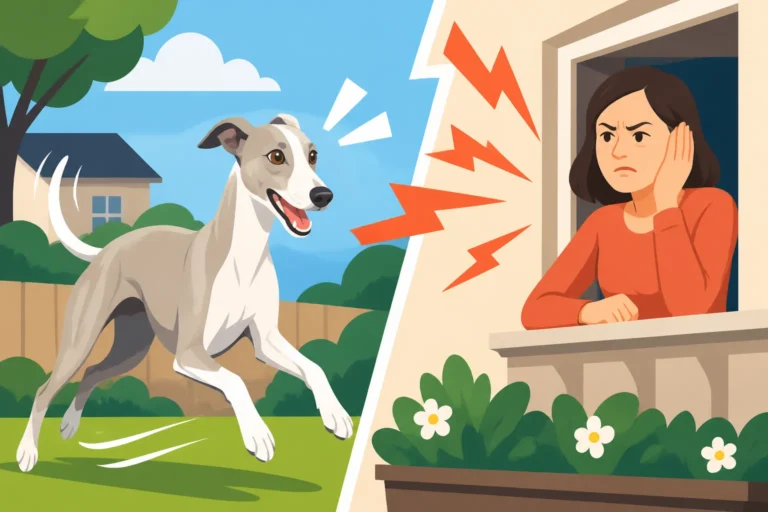
The Whippet Is a Forty Mile an Hour Couch Potato
Many first-time Whippet owners are caught off guard by the sheer dichotomy of their new companion: one moment they're a blur of canine lightning, the next they're practically part of the furniture. It’s a common misconception that a dog built for speed needs constant, high-intensity exercise all day long. This guide will help you understand the unique "forty mile an hour couch potato" nature of the Whippet, balancing their explosive athletic potential with their profound need for comfort and quiet, and how to create a harmonious home for these wonderful sighthounds.
Understanding the Whippet Paradox: Speed and Serenity
The Whippet, often hailed as the "poor man's racehorse," embodies a fascinating contradiction. They possess an incredible physiological design for bursts of extreme speed, capable of hitting truly astonishing velocities in a short sprint. Yet, when they're not engaging this magnificent athleticism, they transform into the most laid-back, tranquil housemates you could imagine. This isn't just a quirk; it's a fundamental aspect of their breed character, born from their history as sprinters who spent their downtime recuperating indoors with their families.
The Hunter's Instinct and the Sighthound Build
At their core, Whippets are sighthounds, bred to spot, chase, and capture small game. This means they have an innate, powerful prey drive that fuels their incredible speed and agility. When they see something moving fast and far, whether it's a squirrel, a blowing leaf, or a lure at a Fast CAT event, their entire being switches into hunt mode. Their streamlined bodies, deep chests for powerful lungs, and long, muscular legs are all perfectly adapted for these breathtaking sprints.
It's a marvel to watch them stretch out, practically flying across the ground with such grace and power. But here's the kicker: these are typically short, intense bursts, not endurance runs. They're built for the sprint, not the marathon. This inherent instinct is why Why a Whippet's Chase Instinct Overrides Its Recall is such a critical concept for owners to grasp, and why secure spaces are paramount for off-leash play.
From Track Star to Lap Dog
As quickly as a Whippet can accelerate to full speed, they can just as rapidly decelerate into a puddle of contentment. Once that primal urge to run has been satisfied—often in a matter of minutes, not hours—they're more than ready to curl up and snooze. This isn't laziness in a negative sense; it's efficiency. They expend massive amounts of energy in their short bursts and then need to recover.
This recovery often involves finding the softest, warmest spot available, which more often than not is your lap, the sofa, or buried under a pile of blankets. Their thin skin and lack of body fat mean they get cold easily, so warmth and comfort are high priorities for them. This transition from athletic powerhouse to supreme napper is what defines the "forty mile an hour couch potato" perfectly.
The Need for Speed: Whippet Exercise Requirements
Don't let the "couch potato" moniker fool you entirely; a Whippet does need appropriate exercise. Neglecting their need to run will lead to a frustrated, potentially destructive, and certainly less happy dog. However, understanding what kind of exercise they need is key. It’s not about endless walks or jogging miles every day.
Satisfying the Sprint Impulse
The most crucial element of a Whippet's exercise routine is the opportunity for a full-throttle sprint. They need to stretch their legs and really open up, experiencing that magnificent speed they were born for. This isn't just physical; it's mental and emotional fulfillment for them. A long walk on a leash, while good for general fitness and sniffing, doesn't scratch that particular itch.
Think of it like this: a human marathon runner enjoys a long, steady pace, while a sprinter needs to explode from the blocks. Whippets are sprinters. Ideally, they should have access to a large, securely fenced area where they can run freely a few times a week. This could be a private yard, a rented sniffspot, or a specialized sighthound-friendly park. The freedom to run at top speed, chase a toy, or even just zoom in circles with pure joy is vital for their well-being. This is where you really see How Fast a Whippet Actually Runs and appreciate their athletic prowess.
The Role of Lure Coursing and Fast CAT
For many Whippet owners, organized activities like lure coursing and Fast CAT are fantastic ways to safely and effectively meet their dog's need for speed. These events simulate the chase of prey, using a plastic bag (the "lure") on a line that zips across a field. This taps directly into their powerful prey drive and provides an appropriate outlet for their natural instincts in a controlled environment.
Attending these events, even just for fun, can make a huge difference in your Whippet's overall contentment. They get to do what they were bred to do, surrounded by other sighthounds who understand the thrill. It’s a wonderful way to see them truly shine. If you're looking into training, considering options that cater to these instincts from the get-go is smart. Online resources, like those from BAXTER & Bella, often provide foundational training for puppies that can later be applied to these more specialized sports, ensuring a well-rounded and responsive dog both on and off the "track."
Mastering the Art of Relaxation: The Couch Potato Lifestyle
Once their energy is expended, the Whippet's true calling as a professional napper takes over. This isn't a flaw; it's a feature. They are masters of comfort and can often be found in the most ingenious sleeping arrangements around the house. Understanding and accommodating this need for rest and warmth is just as important as providing opportunities to run.
The Importance of Snuggles and Soft Surfaces
Whippets crave comfort. Their thin skin, minimal body fat, and short coat mean they feel the cold easily and don't have much natural padding. This is why you'll rarely find a Whippet willingly sleeping on a bare, hard floor, unless it's a scorching summer day and they need to cool down. For the rest of the year, they seek out warmth and softness.
Expect your Whippet to gravitate towards sofas, armchairs, dog beds, human beds, and any pile of blankets or laundry they can burrow into. Providing ample, high-quality, soft bedding is not a luxury; it's a necessity for their physical comfort and well-being. The Beds a Whippet Owner Keeps Buying is a very real phenomenon, as we're constantly searching for the next perfect plush haven for our delicate darlings. Many owners find themselves with a bed in every room, ensuring their Whippet always has a comfortable spot to snooze.
Sleep: A Whippet's Favorite Pastime
Whippets sleep a lot. It's not uncommon for them to spend 16-18 hours a day, or even more, in various states of dozing and deep slumber. They are experts at finding a sunbeam to bake in, a cozy corner to curl up, or, most often, a human to cuddle with. This extensive sleep requirement is partly due to their sighthound physiology – intense bursts of activity require significant recovery.
This isn't to say they are always in a deep sleep; they often "power nap," waking easily to assess their surroundings before drifting back off. But when they are truly out, they can be remarkably still and peaceful. It's often debated, but Why a Whippet Sleeps More Than Most Breeds comes down to a combination of their athletic design and their low indoor energy needs. This makes them surprisingly adaptable to apartment living, provided their outdoor exercise needs are met.
Training a Whippet: Balancing Drive and Calm
Training a Whippet requires a nuanced approach, understanding both their sensitive nature and their powerful instincts. They are intelligent dogs, but they learn differently than some other breeds, and their prey drive presents unique challenges, especially when it comes to recall.
Positive Reinforcement for a Sensitive Soul
Whippets are incredibly sensitive dogs. Harsh corrections, loud voices, or physical punishment can easily shut them down, making them fearful and unwilling to engage. They thrive on positive reinforcement, praise, and high-value rewards. Building a strong, trusting relationship with your Whippet through gentle, consistent training is paramount. They want to please you, but they are not robust emotionally.
When training, keep sessions short, fun, and engaging. They can get bored with repetitive drills, so vary your approach. Use tasty treats, favorite toys, and plenty of happy encouragement. This sensitive nature is also why How a Whippet Learns When It Bruises From Pressure is a concept worth understanding; they are physically delicate and respond much better to gentle guidance than to force. A good online puppy program, like those offered by BAXTER & Bella, can lay a fantastic foundation using these gentle, positive methods.
The Recall Challenge: Instinct vs. Obedience
The biggest training hurdle for many Whippet owners is recall. Their visual hunting instincts are so powerful that once a chase is initiated, everything else, including your desperate calls, often fades into the background. It's not that they're being disobedient; it's that their ancient, hardwired prey drive takes over completely. This is why the advice that Why a Whippet Cannot Be Let Off Leash in an Open Field is almost universal for the breed.
A solid recall should be taught from day one and practiced relentlessly in controlled environments. However, even with the best training, it's a risk to trust a Whippet off-leash in an unfenced area where deer, squirrels, or even blowing leaves might appear. Many owners use long lines in open fields or only allow off-leash running in truly secure, high-fenced areas. This is a safety measure, not a sign of poor training, and something every Whippet owner must accept for their dog's safety and peace of mind.
Living in Harmony: Whippets and Your Home Environment
The Whippet's dual nature makes them surprisingly adaptable house pets, provided their specific needs are understood and met. They are generally quiet, clean, and devoted companions who fit well into various living situations.
Apartment Dwellers and Urban Explorers
Despite their speed, Whippets make excellent apartment dogs. Their "couch potato" default means they are perfectly content to snooze away the day indoors, provided they get their daily burst of outdoor activity. They don't have the restless energy of many other breeds that require constant mental stimulation or sprawling yards. A well-exercised Whippet will be a calm and cooperative housemate.
However, "apartment dog" doesn't mean "no exercise." It simply means their energy is contained to short, intense bursts rather than continuous, sprawling activity. They need their safe sprint opportunities, even if that means a trip to a dog park or a long-line walk in a controlled space. Understanding Whether a Whippet Suits an Apartment comes down to understanding this distinction between indoor calm and outdoor sprint needs.
Minimal Barking, Maximum Comfort
Whippets are not typically big barkers, which is a blessing for neighbors and apartment living. They might let out a short bark to alert you to someone at the door or to express excitement during play, but they're not prone to incessant yapping. This contributes to their reputation as quiet, easy-going house pets.
What they excel at, however, is finding the warmest, coziest spot in the house. This often means snuggling under blankets, or "burrowing" as many owners call it. Providing blankets, soft beds, and perhaps even a dog-safe heating pad on an Amazon timer in colder climates, can make a huge difference in their comfort. Why a Whippet Burrows Under the Covers isn't just a cute habit; it's an instinctual behavior for warmth and security, stemming from their sparse coat and lack of body fat.
Debunking Myths: What a Whippet Is Not
With such a distinctive personality, Whippets often get lumped into categories that simply don't fit them. Clearing up these misconceptions helps potential owners understand what they are truly signing up for.
Not a High-Maintenance Exercise Machine
One of the biggest myths is that a Whippet needs hours of high-intensity exercise every single day. While they can run incredibly fast, they are not endurance athletes in the same vein as a Border Collie or a Husky. They aren't going to demand a 5-mile run or hours of fetch. Their exercise needs are specific: quality over quantity, with an emphasis on sprinting.
Many people are surprised that How Much Exercise a Whippet Really Needs is often satisfied with one or two good, fast runs (even if they're only 10-15 minutes each) per day, supplemented by leisurely walks. Trying to make a Whippet into a jogging partner for miles on end might lead to an unwilling companion and potential injury, especially if they are not conditioned appropriately.
Not a Guard Dog or a Watchdog
If you're looking for a dog to deter intruders, a Whippet is probably not your best bet. While they might give a quick bark at a doorbell or an unexpected visitor, their natural inclination is often more towards polite curiosity or even shyness, rather than aggressive posturing. They are generally very friendly dogs, sometimes reserved with strangers, but rarely confrontational.
Their gentle nature, combined with their quiet demeanor, means they make poor guard dogs. They are far more likely to lean into a stranger for a pet than to scare them away. So, if "guard dog" is on your checklist, a Whippet will gently but firmly fail that test. They are lovers, not fighters, and their protective instincts usually extend only to ensuring they get the most comfortable spot on the sofa.
Embracing the Best of Both Worlds: A Whippet's Ideal Life
Living with a Whippet means embracing their beautiful contradictions. It's about providing the specific outlets for their explosive energy and then revering their capacity for profound relaxation. When these two sides of their personality are honored, they truly blossom into exceptional companions.
Structured Play and Unstructured Cuddles
The ideal life for a Whippet involves a balance: structured opportunities to run and chase, followed by plenty of unstructured time for napping, cuddling, and just being present with their family. This might mean a morning trip to a secure off-leash area, a quick session with a flirt pole in the yard, or participation in sighthound sports. After that, they are more than happy to spend the rest of the day as a shadow, moving from sunbeam to sofa to bed, always seeking the softest spot.
Providing a good quality diet that supports their athletic needs, even during their "down time," is also important. Look for food that provides sustained energy. And always, always ensure they have soft places to rest. Their unique needs for both intense exercise and luxurious comfort are not mutually exclusive; they are two sides of the same wonderful coin.
The Joy of the Whippet Companion
Ultimately, the Whippet is a breed that offers immense joy to those who understand and appreciate their particular rhythm of life. They are clean, quiet, affectionate, and relatively low-maintenance once their exercise needs are met. They don't demand constant attention or endless tasks. Instead, they ask for a few minutes of exhilarating play and then many hours of peaceful companionship.
They teach us to appreciate the rush of a full-speed sprint and the quiet contentment of a deep nap. For many owners, the greatest pleasure comes from witnessing their Whippet's incredible athleticism in action, only to then enjoy the warmth of their soft, cuddly presence beside them, often buried deep under a blanket on an Amazon dog bed. The Twelve to Fifteen Years a Whippet Lives means you get many years to enjoy this unique blend of speed and serenity.
Here's a quick overview of a Whippet's dual nature:
| Trait | "Forty Mile an Hour" Aspect | "Couch Potato" Aspect |
|---|---|---|
| Energy | Explosive, short bursts of high speed | Low indoor energy, prolonged napping |
| Exercise | Needs safe, secure space for sprinting | Content with short walks and indoor rest |
| Temperament | Driven by prey instinct when outdoors | Calm, gentle, and affectionate indoors |
| Comfort | Unbothered by speed or rough terrain during chase | Seeks soft beds, blankets, and warmth |
| Sound | Excited vocalizations during play/chase | Generally quiet, minimal barking |
| Home Life | Requires secure fencing/long lines outside | Adapts well to apartments and small homes |
Disclaimer
This article is for general informational purposes only and does not constitute professional advice. Laws, prices and regulations vary by location and change over time. Consult a qualified professional for guidance on your specific situation.