Whether a Whippet Should Travel to a Specialist Practice
It's a common dilemma for Whippet owners: your beloved lean machine has a health concern that seems to be baffling your local veterinarian, and the suggestion of a specialist starts to loom. This guide is here to walk you through understanding when traveling to a veterinary specialist might be the best course of action for your Whippet, what types of specialists exist, and the practical considerations involved in making that journey.
Understanding When Specialist Care Becomes Necessary for Your Whippet
Sometimes, despite your regular vet's best efforts and deep care for your Whippet, a particular health issue might fall outside the scope of general practice. It's not a reflection on your vet's abilities, but rather an acknowledgment of the incredible depth of knowledge and specialized equipment that certain complex conditions demand. Knowing when to consider a referral can make all the difference in your Whippet's prognosis and quality of life.
Recognizing the Limits of General Veterinary Practice
Your family veterinarian is a true hero, handling everything from routine vaccinations to sudden emergencies. They are the frontline of your Whippet's health, offering a broad spectrum of care. However, just like in human medicine, there are areas that require highly focused expertise. Perhaps your Whippet has a persistent lameness that imaging isn't fully explaining, or an unusual set of symptoms that defy a clear diagnosis through standard bloodwork. These are the moments when your local vet might, and should, suggest a deeper dive with a specialist. It’s about leveraging the best possible resources for your unique dog, not about questioning the care you’ve already received.
Complex cases often benefit immensely from a specialist's deeper knowledge, specific diagnostic tools, and extensive experience with particular diseases. For instance, if your Whippet develops a severe eye condition, a veterinary ophthalmologist has specialized equipment to examine the intricate structures of the eye and offers surgical options that a general practice wouldn't have. Similarly, intricate dental issues might be better handled by a veterinary dentist, who can perform advanced root canals or complex extractions, ensuring your Whippet's comfort and long-term oral health. It's about getting to the root of the problem with the most refined tools and minds available.
Consider specific conditions that frequently warrant a specialist referral. Severe heart issues, especially those requiring advanced imaging like an echocardiogram, are almost always referred to a veterinary cardiologist. Think about Mitral Valve Disease Is What Ends Most Old Whippets or when you need clarity on Whether a Whippet's Enlarged Heart Is Normal. Similarly, complex orthopedic problems, like certain ligament tears or intricate fractures, often require an orthopedic surgeon. Rare genetic conditions or unexplained chronic illnesses might lead you to an internal medicine specialist, who can orchestrate a multi-faceted diagnostic plan. These specialized veterinarians have often undergone years of additional training and board certification, making them experts in their very niche fields.
The Role of a Referral from Your Primary Vet
It's important to understand that a referral is usually the first step, not a self-initiated trip. Your primary veterinarian acts as the gatekeeper, carefully reviewing your Whippet's case and determining if a specialist is truly needed. They know your Whippet's medical history best and can identify subtle cues that point towards a need for advanced care. Trust their judgment when they suggest a referral; it's a sign they're advocating for the best possible outcome for your furry friend. Trying to book directly with a specialist without a referral can sometimes lead to delays or a less coordinated approach to care.
When a referral is made, your primary vet compiles a comprehensive package of information for the specialist. This typically includes your Whippet's full medical history, all past diagnostic test results (bloodwork, X-rays, ultrasounds, etc.), a detailed account of current symptoms, and any treatments that have already been attempted. This ensures the specialist has a complete picture and can pick up where your general vet left off, avoiding unnecessary repeat tests and saving you both time and money. This collaborative approach is crucial for a smooth transition of care and effective treatment planning.
Crucially, your vet also helps determine which type of specialist is needed. Given the vast array of veterinary specialties available today, it can be overwhelming for an owner to know who to see. Is it a neurologist for those strange tremors, an oncologist for that suspicious lump, or an internal medicine specialist for persistent vomiting? Your general practitioner, with their broad understanding of canine medicine, is best positioned to guide you to the appropriate expert. This initial guidance is invaluable in ensuring your Whippet gets to the right place for the right care from the start, avoiding wasted journeys or consultations with the wrong type of specialist.
Types of Veterinary Specialists Your Whippet Might Need to See
Whippets, despite their generally robust health, can encounter specific health challenges that sometimes demand specialized attention. Their unique physiology, from their racing hearts to their delicate skin, means that certain conditions benefit immensely from a veterinarian with advanced training in a particular field.
Cardiology: When Your Whippet's Heart Needs Expert Eyes
Whippets are sighthounds, and as such, they have a unique cardiovascular system. Their athletic build often means they have larger hearts than other breeds of similar size, which can sometimes be mistaken for an abnormality on initial X-rays. While Why a Whippet's Big Heart Is Not a Diagnosis can ease some immediate fears, genuine heart conditions do occur. The Age a Whippet Develops a Heart Murmur can vary, but as Whippets age, they, like many breeds, become more susceptible to conditions like Mitral Valve Disease. If your vet detects a new or worsening heart murmur, or if your Whippet shows signs of exercise intolerance or coughing, a cardiology referral is usually next on the list.
A veterinary cardiologist is specifically trained to diagnose and manage diseases of the heart and circulatory system. They utilize advanced diagnostic tools that go far beyond what's available in a typical general practice. This includes echocardiograms (ultrasounds of the heart), electrocardiograms (ECGs) to assess electrical activity, and sometimes even Holter monitors for continuous heart rhythm monitoring over a period. These tests provide incredibly detailed information about your Whippet's heart structure and function, allowing for precise diagnoses and tailored medication protocols. For conditions like Mitral Valve Disease in a Whippet, their expertise is critical for managing progression and improving quality of life.
The specialist will develop a comprehensive treatment plan, which might include specific cardiac medications, dietary recommendations, and ongoing monitoring. They can interpret the nuances of your Whippet's unique sighthound physiology, distinguishing between normal athletic heart changes and true pathology. For instance, they understand Whether a Whippet's Enlarged Heart Is Normal in a healthy, active dog versus one showing signs of disease. The follow-up care often involves regular check-ups with the cardiologist, sometimes in conjunction with your primary vet, to adjust medications and track the condition's progress. This specialized care can significantly extend a Whippet's comfortable lifespan when dealing with a cardiac issue.
Orthopedics and Soft Tissue Surgery: Beyond Basic Repairs
Whippets are built for speed and agility, and with that often comes a higher risk of musculoskeletal injuries. Their slender legs and powerful muscles can make them prone to strains, sprains, and even fractures, especially during vigorous play or racing. Beyond the common cuts and scrapes that require Emergency Stitches: the Whippet Bill Nobody Budgets For, some injuries are much more complex. While your general vet is perfectly capable of handling many routine surgical procedures, certain orthopedic and soft tissue injuries demand the specialized skill set of a board-certified surgeon.
When a general vet might not be equipped for complex repairs, it's time to consider a specialist. Think about intricate bone fractures that require specialized plates or screws, or severe ligament tears like a ruptured cruciate ligament—Whether a Whippet Tears a Cruciate Ligament is a common concern for active dogs. These procedures demand advanced surgical techniques, specialized equipment, and extensive experience to ensure proper healing and restoration of function. A specialist surgeon often has access to cutting-edge imaging like CT scans or MRI, which provide a much clearer picture of the damage than standard X-rays, leading to more precise surgical planning.
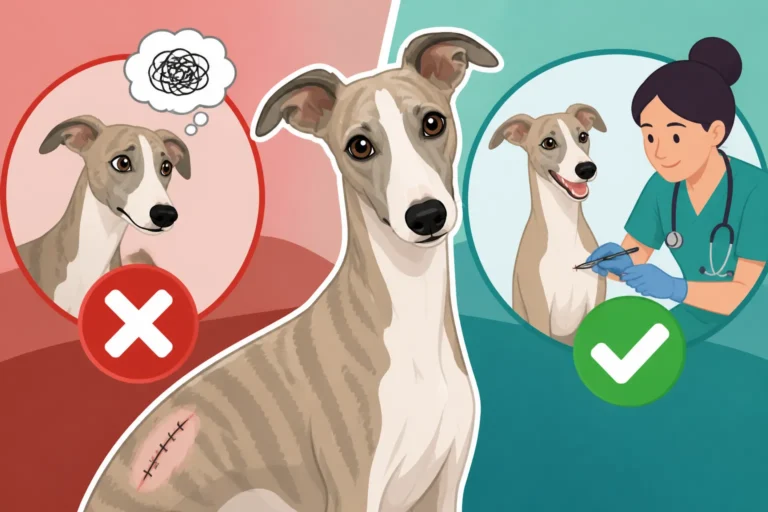
Beyond bone and joint issues, soft tissue surgeons handle complex abdominal surgeries, tumor removals that require intricate reconstruction, or even emergency surgeries for conditions like bloat, though Bloat in a Whippet is thankfully not as common as in some larger, deep-chested breeds. They are also adept at managing complicated wound repairs, especially when there's significant tissue loss or infection, which can happen with The Thin Skin That Sends a Whippet to the Vet for Stitches. For these delicate and critical situations, the precision and experience of a specialist surgeon are invaluable, aiming for the best possible functional and cosmetic outcome for your Whippet.
Internal Medicine, Oncology, and Neurology: Tackling Complex Illnesses
Sometimes your Whippet might present with a baffling array of symptoms that don't fit into a neat category. They might be lethargic, have unexplained weight loss, persistent digestive upset, or strange changes in behavior. These vague, systemic issues are often the domain of an internal medicine specialist. These specialists are like medical detectives, trained to piece together complex puzzles, diagnose tricky autoimmune diseases like Addison's Disease in a Whippet, or manage chronic conditions affecting organ systems that require long-term, nuanced care. They're equipped to run advanced diagnostics and interpret complex lab results, sometimes discerning the meaning behind The Bloodwork Numbers That Look Wrong on a Healthy Whippet.
When a cancer diagnosis looms, the emotional toll is immense, and navigating treatment options can be overwhelming. A veterinary oncologist specializes in diagnosing and treating Cancer in a Whippet, which can sadly affect any breed. They understand the different types of cancers, their behavior, and the most effective treatment modalities, whether it's chemotherapy, radiation, or surgical oncology. They can offer guidance on prognosis, quality of life, and help you make informed decisions during a challenging time, tailoring protocols that consider your Whippet's delicate nature and potential sensitivities, such as Whether a Whippet Carries the MDR1 Mutation.
Neurological issues, from sudden seizures to gait abnormalities or spinal pain, can be particularly distressing. A veterinary neurologist has expertise in disorders of the brain, spinal cord, nerves, and muscles. They can pinpoint the source of neurological problems using advanced imaging like MRI or CT scans, perform spinal taps, and conduct electrodiagnostics. Conditions such as intervertebral disc disease, brain tumors, or unexplained tremors often benefit from a neurologist's precise diagnostic capabilities and specialized treatment plans, which might involve medication, surgery, or physical therapy. This ensures your Whippet receives the most accurate diagnosis and targeted treatment for these intricate and often debilitating conditions.
The Practicalities and Considerations of Traveling for Specialist Care
Deciding to take your Whippet to a specialist is a big step, not just emotionally, but practically. It involves more than just the medical aspect; there are financial implications, travel logistics, and the need for seamless communication between all parties involved. Being prepared for these aspects can help make the experience smoother for both you and your Whippet.
Assessing the Costs and Financial Implications
Let's be blunt: specialist veterinary care often comes with a higher price tag than routine visits. This isn't because specialists are trying to squeeze you, but rather because of the advanced training they've undergone, the cutting-edge equipment they utilize (think MRI machines, advanced surgical suites, or dedicated cardiology labs), and the often lengthy and complex diagnostic and treatment processes involved. A simple cardiology referral, for example, can quickly escalate once diagnostic tests like an echocardiogram are performed, not to mention the ongoing cost of specialized medications. You might want to mentally prepare for What a Cardiology Referral Costs a Whippet Owner and then some, depending on the diagnosis and treatment plan.
This is where investing in pet insurance, like Healthy Paws, can be an absolute lifesaver. Many Whippet owners wisely choose to insure their dogs early, specifically for those unexpected major medical events that specialist care often represents. Having a robust insurance plan can help mitigate the significant financial burden, allowing you to make medical decisions based on what's best for your Whippet rather than solely on your budget. It’s definitely worth looking into different plans and understanding what they cover for specialist referrals and ongoing treatments.
Beyond the direct medical bills, don't forget to factor in ancillary costs. Traveling to a specialist often means longer drives, potentially requiring fuel costs, wear and tear on your vehicle, and even overnight accommodation if the specialist is in a different city or state. You might also need to take time off work, which can have its own financial implications. Creating a realistic budget that encompasses all these potential expenses will help you feel more in control during what can be a stressful time.
Managing the Travel and Your Whippet's Comfort
Long car rides can be stressful for any dog, and a Whippet, being a creature of comfort and routine, is no exception. If your specialist appointment requires significant travel, planning for your Whippet's comfort is paramount. Ensure your car is cool in summer or warm in winter. Bring familiar bedding, perhaps a favorite blanket from home, to make their travel crate or designated car space feel safe and secure. Some Whippets might benefit from a light sedative prescribed by your regular vet for exceptionally long or stressful journeys, but always discuss this with your vet first and inform the specialist clinic.
Packing essentials isn't just for you; it's for your Whippet too! Include their regular food (especially if they're on a specific diet or if you use a service like Ollie that provides tailored nutrition), plenty of water, their favorite treats, and any medications they are currently taking. Don't forget their leash, collar, and poop bags. Having these comforts can make a huge difference in their ability to cope with the unfamiliar environment of a specialist clinic.
Before you even hit the road, make sure you've received and understood any pre-visit instructions from the specialist's office. This might include fasting requirements, bringing specific urine or stool samples, or detailed questionnaires about your Whippet's health history. Being prepared and following these instructions meticulously ensures that your appointment runs smoothly and the specialist has all the information they need to begin their evaluation without delay. It also helps manage your own anxiety, knowing you've done everything you can to prepare.
The Importance of Communication and Follow-Up
The journey to a specialist shouldn't be a one-off event where information gets lost in translation. Seamless communication between your primary vet and the specialist is absolutely vital for your Whippet's ongoing care. Ensure that the specialist sends a detailed report back to your local vet after every visit, outlining their findings, diagnosis, treatment plan, and any recommendations for follow-up. Conversely, your local vet should be kept in the loop and have an open line of communication to discuss any concerns or questions with the specialist. This team approach ensures continuity of care and that everyone is on the same page.
Your local vet often plays an ongoing, crucial role in implementing the specialist's recommendations. This might involve administering prescribed medications, monitoring bloodwork, performing follow-up examinations, or adjusting treatments as needed. They become your local point of contact, helping to interpret the specialist's instructions and integrate them into your Whippet's daily care routine. For instance, if a specialist prescribes a particular diet or long-term medication, your local vet can monitor its effectiveness and order refills, often through convenient services like Chewy for prescription foods or medications.
Remember that specialist care is often a process, not a quick fix. There might be multiple follow-up appointments, adjustments to treatment plans, and ongoing monitoring required. Don't hesitate to ask questions, no matter how small, to both your general vet and the specialist. You are your Whippet's strongest advocate, and understanding every step of the process empowers you to provide the best care possible. Ensuring that medications are readily available and specialized foods can be easily sourced (perhaps through online pet suppliers) also contributes to successful long-term management.
| When to Consider a Specialist for Your Whippet | General Vet Usually Sufficient | Specialist Often Recommended |
|---|---|---|
| Routine Health Checks | Yearly exams, vaccinations | Not typically needed |
| Minor Injuries/Illnesses | Small cuts, mild limps, ear infections, upset stomach | Persistent lameness despite treatment, chronic vomiting/diarrhea not responding to therapy |
| Heart Health | Basic stethoscope exam, routine bloodwork | New or worsening heart murmur, signs of heart failure, abnormal heart rhythms, need for echocardiogram |
| Orthopedic Issues | Sprains, simple fractures, arthritis management | Complex fractures, severe ligament tears (e.g., cruciate), spinal injuries, congenital joint abnormalities |
| Complex Internal Issues | Standard blood tests, basic ultrasounds | Unexplained weight loss, chronic organ disease, autoimmune disorders, endocrine imbalances, suspected cancer |
| Eye Conditions | Basic eye exam, conjunctivitis | Glaucoma, cataracts, corneal ulcers, retinal diseases, specialized eye surgery |
| Behavioral Issues | Basic behavioral advice, ruling out medical causes | Severe anxiety, aggression, phobias, compulsive disorders not responding to basic training |
| Anesthesia | Routine spay/neuter, minor procedures | High-risk patients, complex surgeries, sighthound-specific anesthesia protocols like Why a Whippet Needs a Sighthound Anesthesia Protocol |
Disclaimer
This article is for general informational purposes only and does not constitute professional advice. Laws, prices and regulations vary by location and change over time. Consult a qualified professional for guidance on your specific situation.