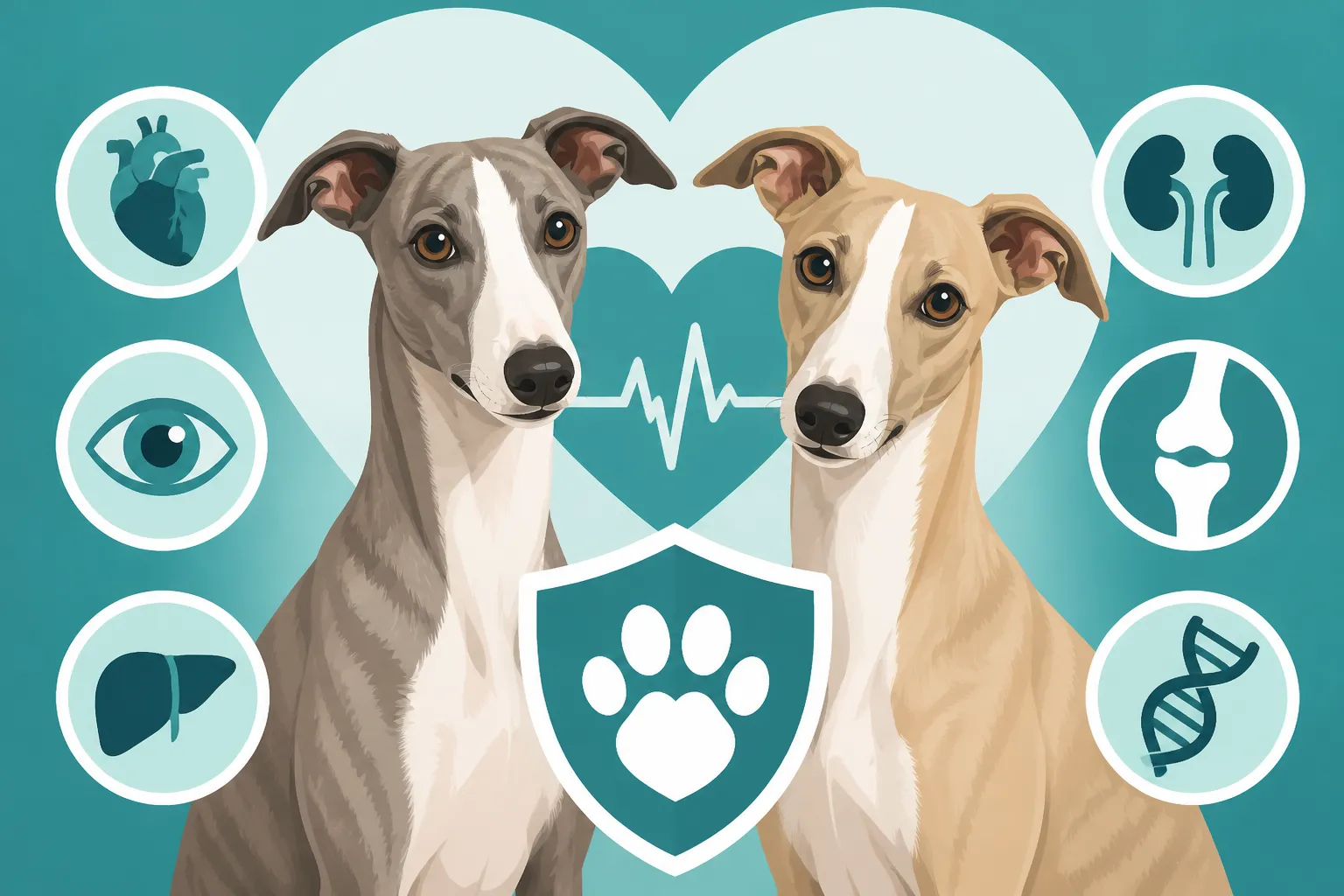
The Health Tests Both Whippet Parents Should Have
Bringing a new Whippet puppy into your home is an incredibly exciting time, full of dreams of zoomies, snuggles, and years of joyful companionship. But beneath that initial excitement often lies a quiet anxiety: "Am I choosing a healthy puppy?" It’s a completely valid concern, as the heartache and financial strain of unexpected health issues can be devastating. This guide aims to clear up the confusion surrounding health testing for Whippets, detailing the crucial screenings both parent dogs should undergo to give their offspring the best possible start in life.
Why Health Testing is a Cornerstone of Responsible Whippet Breeding
When you're looking for a Whippet puppy, you're not just looking for a cute face. You're investing in a family member who, with proper care, could be with you for The Twelve to Fifteen Years a Whippet Lives. Responsible breeders understand this deeply, and their commitment to health testing isn't just a marketing ploy; it's a fundamental part of preserving the breed's vitality and ensuring happy, healthy lives for their puppies and the families who love them.
Protecting the Breed's Future Through Informed Choices
Every breed has its predispositions, certain health conditions that, due to genetics, are more common within that population. For Whippets, while generally a robust breed, there are specific concerns that can be inherited. A responsible breeder aims to minimize the risk of passing these conditions on to future generations. By thoroughly testing both parent dogs, they gain valuable insight into their genetic makeup, allowing them to make informed breeding decisions that contribute positively to the overall health of the Whippet breed. This isn't about eliminating every single potential risk, which is impossible in any living creature, but about drastically reducing the likelihood of known, preventable genetic diseases appearing. It’s an act of stewardship for the breed itself.
Imagine a world where breeders didn't test for conditions like Phosphofructokinase Deficiency in a Whippet. This serious metabolic disorder can cause exercise intolerance and muscle cramps, leading to a much lower quality of life for an affected dog. Without testing, carriers could unknowingly be bred together, producing affected puppies and continuing the cycle of disease. This is why understanding What Phosphofructokinase Deficiency Does to a Whippet is so important, not just for owners, but for breeders who carry the responsibility of the breed's genetic health.
Avoiding Heartbreak and High Vet Bills Down the Line
Beyond the ethical imperative, proper health testing offers immense benefits to the future puppy owners. There’s nothing quite like the crushing disappointment of bringing home a puppy only to discover they have a debilitating, expensive, or even fatal inherited condition. These situations bring not only profound emotional distress but also significant financial burdens. Vet bills for diagnostics, ongoing treatments, or even specialized surgeries can quickly add up, often reaching into the thousands of dollars. While pet insurance providers like Healthy Paws can help soften the blow of unexpected medical costs, wouldn't it be better to avoid many of these issues in the first place?
Choosing a puppy from health-tested parents means you're less likely to face these preventable challenges. It provides a level of assurance that the breeder has done their due diligence to stack the odds in favor of a healthy companion. While no amount of testing guarantees a dog will never get sick – life happens, and accidents or unforeseen illnesses can always occur – it significantly reduces the risk of inheriting conditions that could have been screened for and avoided. It’s about being proactive rather than reactive when it comes to your beloved Whippet's health.
Non-Negotiable Health Screens for Whippet Parents
When you're talking to a breeder, it's essential to know what health tests are standard practice for Whippets. These aren't optional extras; they're the bare minimum expected from anyone seriously committed to the breed's well-being. Look for proof of these specific clearances from both the sire (father) and the dam (mother) of any litter you're considering.
Cardiac Evaluations: Listening to a Whippet's Heart
A Whippet's heart is a powerful engine, perfectly designed for speed and athleticism. However, like all breeds, they can be prone to certain cardiac conditions. The most common and important screening for Whippets is a thorough cardiac examination performed by a board-certified veterinary cardiologist. This typically involves auscultation (listening with a stethoscope) and often an echocardiogram (an ultrasound of the heart). The results should be registered with the Orthopedic Foundation for Animals (OFA) or a similar reputable health registry.
The primary concern is often Mitral Valve Disease in a Whippet (MVD), a progressive condition that can lead to heart failure. While MVD is more commonly associated with older, smaller breeds, Whippets can certainly be affected, and early detection in breeding animals is vital. An experienced cardiologist can assess the heart's structure and function, looking for any abnormalities, murmurs, or signs of disease that could be passed on. If you're wondering Whether a Whippet Should Have a Cardiac Exam, the answer for breeding dogs is an emphatic yes. This proactive step helps ensure that puppies inherit sound cardiovascular systems, giving them the best chance for a long and active life.
Eye Health: Clear Vision for a Long, Happy Life
Our Whippets rely on their keen eyesight, especially given their sighthound heritage, to track those elusive squirrels or chase a lure across a field. Inherited eye conditions can severely impact a dog's quality of life, leading to pain, impaired vision, or even blindness. Therefore, regular eye examinations by a board-certified veterinary ophthalmologist are crucial for breeding Whippets. These exams are often referred to as CERF (Canine Eye Registry Foundation) exams, now part of the OFA Eye Certification Registry.
The ophthalmologist will examine the dog's eyes for signs of various inherited conditions, including cataracts, glaucoma, and Progressive Retinal Atrophy in a Whippet (PRA). PRA is a degenerative disease that eventually leads to blindness. While less common in Whippets compared to some other breeds, it's still a concern that responsible breeders actively screen for. Early detection allows breeders to make responsible decisions to prevent passing on these debilitating conditions, protecting the vision of future generations. For more information, you might want to read up on Eye Disease in a Whippet.
Genetic Testing: Unmasking Hidden Dangers
In addition to physical exams, advancements in veterinary medicine allow us to directly test for specific genetic mutations. These DNA tests are incredibly powerful tools for breeders, as they can identify carriers of certain diseases who might appear perfectly healthy themselves but could pass on a problematic gene to their offspring.
One of the most talked-about genetic tests in Whippets is for the myostatin mutation, which is linked to "Bully Whippet Syndrome." This condition results in significantly increased muscle mass. While some people might seek this look, dogs with two copies of the mutated gene often experience jaw issues, muscle cramping, and a reduced lifespan. Responsible breeders test their dogs to understand their myostatin status. Carriers (dogs with one copy) are often faster and perform well in racing, but breeding two carriers together dramatically increases the risk of producing affected puppies. You can learn more about The DNA Test That Finds the Whippet Myostatin Mutation and What Myostatin Does in a Whippet to understand its implications fully.
Another critical DNA test for Whippets is for Phosphofructokinase (PFK) Deficiency. As mentioned earlier, this metabolic disorder affects a dog's red blood cells and muscle function. Dogs with PFK deficiency can suffer from hemolytic anemia and muscle cramping, particularly during exercise or stress. It's a recessive condition, meaning a dog must inherit two copies of the faulty gene (one from each parent) to be affected. A DNA test can identify affected dogs and, just as importantly, carriers. Breeders who know their dogs' PFK status can avoid breeding two carriers together, thereby preventing the birth of affected puppies. This is a vital part of safeguarding the breed's health.
Deciphering Health Clearances and Choosing Your Breeder Wisely
Navigating the world of health testing can feel a bit like learning a new language. You’ll hear terms like OFA, CHIC, and CERF. Understanding what these mean and how to verify them is paramount when selecting a breeder and, ultimately, your new Whippet family member.
Understanding OFA and CHIC Certifications
The Orthopedic Foundation for Animals (OFA) is a well-respected organization that compiles and disseminates health information for various dog breeds. When a breeder mentions OFA clearances, they are referring to certifications for conditions like cardiac health, eye health, and sometimes other screenings. For cardiac and eye exams, results are typically registered with OFA, indicating that a board-certified specialist performed the evaluation and the results are publicly available.
The Canine Health Information Center (CHIC) is a program co-sponsored by the OFA and the American Kennel Club (AKC) Parent Clubs (like the American Whippet Club). A CHIC certification signifies that a dog has undergone all the health screenings recommended by its breed's parent club. For Whippets, this typically includes cardiac and eye exams. While PFK and myostatin testing are highly recommended by many breeders and Whippet enthusiasts, their inclusion as "required" for CHIC certification can sometimes vary, so always double-check the current recommendations from the American Whippet Club. A CHIC number indicates a breeder has gone above and beyond to ensure their breeding stock meets a high standard of health screening.
Here's a quick overview of the key tests and what they screen for:
| Health Test Category | Specific Test/Evaluation | What it Screens For | Typical Method | OFA/CHIC Registry |
|---|---|---|---|---|
| Cardiac | OFA Cardiac Exam | Heart murmurs, Mitral Valve Disease, other cardiac abnormalities | Auscultation by specialist, often Echocardiogram | Yes |
| Ophthalmologic | OFA Eye Certification (formerly CERF) | Progressive Retinal Atrophy (PRA), cataracts, glaucoma, other inherited eye diseases | Exam by Board-Certified Veterinary Ophthalmologist | Yes |
| Genetic (DNA) | PFK Deficiency DNA Test | Carrier or Affected status for Phosphofructokinase Deficiency | Cheek swab or blood sample | Often Registered (Recommended) |
| Genetic (DNA) | Myostatin (Bully Whippet) DNA Test | Carrier or Affected status for the "Bully" myostatin mutation | Cheek swab or blood sample | Often Registered (Recommended) |
Questions to Ask Your Potential Breeder
When you've found a breeder you like, don't be shy about asking questions regarding health testing. A good breeder will welcome your inquiries and be transparent about their practices. They should be able to provide documentation for all tests performed on both parents of the litter. Ask to see the actual OFA or CHIC certificates, not just a verbal assurance. These certificates will list the dog's registered name, date of birth, and the results of the specific health screening.
Here are some questions to guide your conversation:
- "What health tests do you perform on your breeding Whippets, and can I see the certificates for both parents?"
- "Are your dogs CHIC-certified? If not, why?"
- "Have you tested for the myostatin mutation and PFK deficiency? What are the results for the parents?"
- "How often do you re-certify their eyes and hearts?" (Some certifications need to be updated periodically).
- "What is your philosophy on breeding, and how do these health tests play into your breeding decisions?"
A reputable breeder will be proud to share this information and explain what each test means. If a breeder hedges, seems annoyed by your questions, or claims their dogs are "just healthy" without providing verifiable proof, consider it a significant red flag. Remember, Whether an Untested Whippet Litter Is Worth Buying is a question with a clear answer: probably not, if you want to minimize preventable health risks. Choosing a puppy from thoroughly health-tested parents is one of the best ways to ensure your Whippet gets to enjoy a full, vibrant life by your side. It’s an investment in their future, and yours.
Disclaimer
This article is for general informational purposes only and does not constitute professional advice. Laws, prices and regulations vary by location and change over time. Consult a qualified professional for guidance on your specific situation.