Dilated Cardiomyopathy in a Whippet
Finding out your beloved Whippet might have a heart condition can send shivers down any owner's spine. It's especially confusing when you know Whippets naturally have a big, athletic heart, making it hard to discern a healthy characteristic from a genuine problem. This guide aims to clear up the confusion around Dilated Cardiomyopathy (DCM) in Whippets, helping you understand its signs, diagnosis, and how to best support your furry family member if they ever face this challenging condition.
Understanding Dilated Cardiomyopathy in Whippets
The heart is a marvel of engineering, pumping life through our dogs' bodies, and for a sleek, athletic breed like the Whippet, its efficiency is paramount. But sometimes, things can go awry. Dilated Cardiomyopathy, or DCM, is one of those serious heart conditions that, while less common in Whippets than some other breeds, can still appear, causing significant concern for owners.
What is DCM and How Does It Differ from Other Heart Conditions?
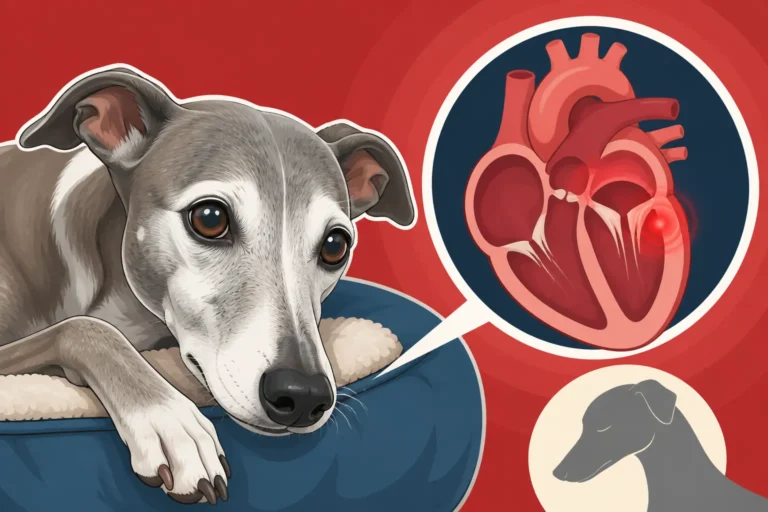
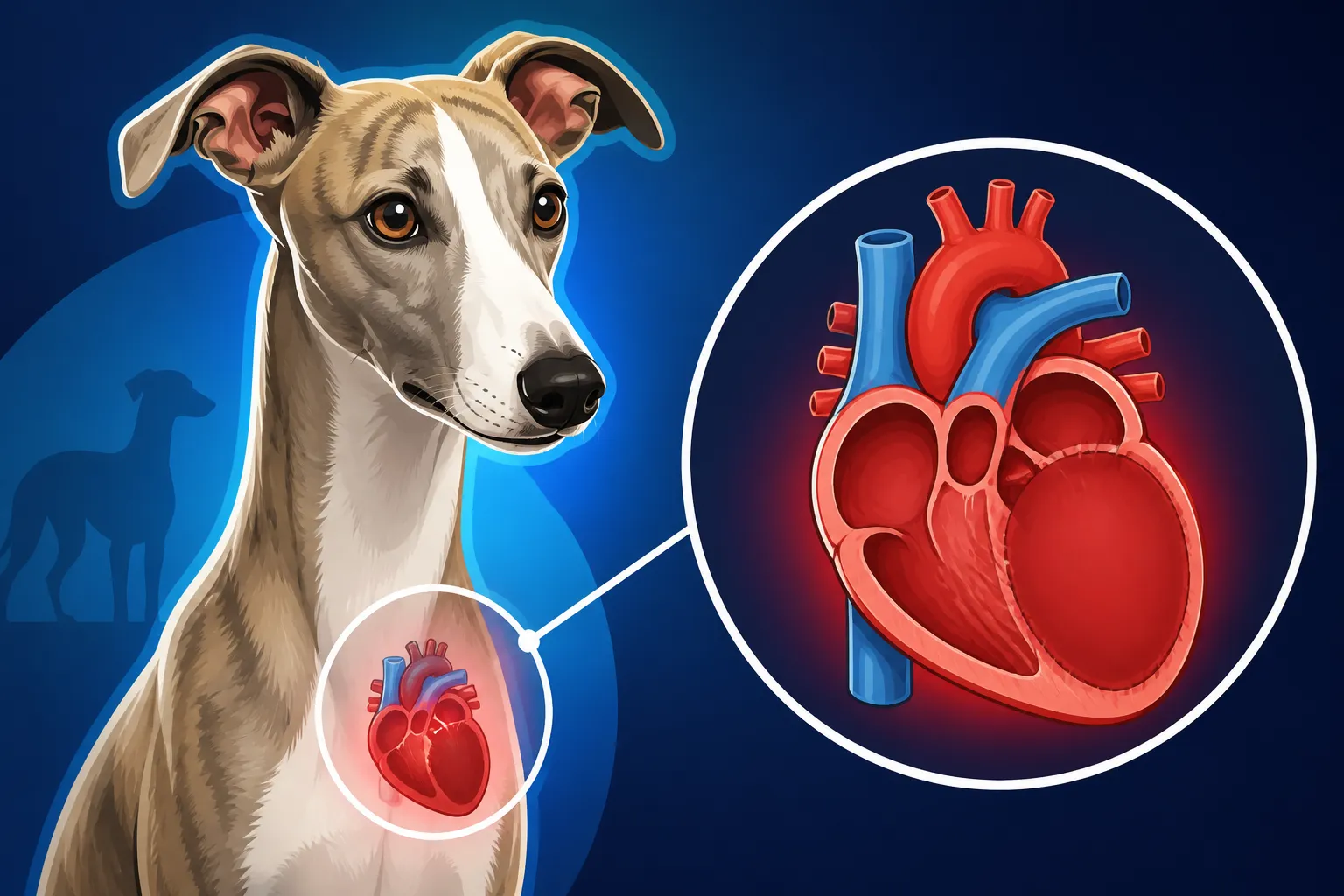
At its core, Dilated Cardiomyopathy is a disease of the heart muscle. Imagine a strong, elastic balloon that's supposed to inflate and deflate with vigor. In DCM, the walls of the heart's main pumping chamber (the left ventricle) become thin and weakened, and the chamber itself gets much larger, or "dilated." This dilation means the heart can't pump blood effectively to the rest of the body, leading to a host of problems. It's like that balloon losing its elasticity, becoming stretched out and unable to fully squeeze.
Now, it's crucial to understand how this differs from other heart conditions you might hear about in Whippets. For instance, many Whippets naturally have a large, strong heart, often referred to as an "athletic heart." This is a healthy adaptation for their incredible speed and stamina, and it's not a disease. In fact, a veterinarian might even comment on Why a Whippet's Big Heart Is Not a Diagnosis during a routine check-up. This is a good thing!
Another common heart issue, particularly in older dogs, is Mitral Valve Disease (MVD). This is a problem with one of the heart's valves, causing blood to leak backward. While MVD affects the heart's function, it’s a different mechanism than DCM, which is a primary problem of the heart muscle itself. DCM directly impairs the heart's ability to contract and pump, whereas MVD is a structural issue with the valve. Sometimes, advanced MVD can lead to secondary dilation, making the distinction complex, but DCM is primarily a muscle failure.
How Common is DCM in Whippets?
This is where a little relief might come in for Whippet owners: DCM is not considered a prevalent breed-specific condition for Whippets, unlike some larger breeds such as Doberman Pinschers, Boxers, or Great Danes, where it's alarmingly common. For those breeds, DCM can be a devastating and relatively frequent diagnosis.
In Whippets, heart murmurs, if present, are more often associated with innocent flow murmurs due to their thin body walls and efficient circulatory system, or, in older dogs, the onset of mitral valve disease. While DCM can theoretically affect any dog breed, including Whippets, it doesn't appear on the top of the list for genetic predispositions. This isn't to say it never happens, but it's not something you generally have to worry about with the same level of concern as an owner of a Doberman. It’s always important to monitor your dog’s health, especially as they get older, and understand The Age a Whippet Develops a Heart Murmur could indicate various conditions.
Genetic Factors and Risk Factors
For breeds where DCM is common, genetic testing has identified specific mutations linked to the disease. These genetic markers are crucial for breeders to screen their dogs and make informed breeding decisions. In Whippets, however, there isn't a widely recognized or tested genetic marker for DCM. This reinforces the idea that it's not a primary genetic concern for the breed.
That said, while genetics might not be the driving force in Whippets, other factors can play a role in any dog developing heart issues:
- Age: Like many diseases, heart conditions tend to become more prevalent as dogs age.
- Nutritional Deficiencies: In some breeds, certain dietary deficiencies, particularly of taurine and L-carnitine, have been linked to acquired DCM. While not a common issue for dogs on complete and balanced commercial diets, it's a factor veterinarians consider. Some "boutique" or "grain-free" diets have been implicated in nutritional DCM in other breeds, though the science is still evolving.
- Other Underlying Conditions: Sometimes, other health problems can put a strain on the heart, indirectly leading to a weakened heart muscle over time.
- Toxins or Infections: Though less common, certain toxins or viral infections can damage heart tissue, leading to cardiomyopathy.
For most Whippet owners, maintaining a healthy lifestyle, providing a balanced diet, and ensuring regular veterinary check-ups are the best preventative measures. If you're ever concerned about your Whippet's heart health, discussing a cardiac exam with your vet, especially if they are getting on in years, can be a proactive step. After all, Whether a Whippet Should Have a Cardiac Exam is a pertinent question for many dog parents.
Recognizing the Signs and Symptoms
One of the trickiest parts of any internal illness is that our dogs can't tell us what's wrong. They're masters of stoicism, often hiding discomfort until a condition is quite advanced. This is especially true for heart conditions like DCM, where the early signs can be incredibly subtle, easily mistaken for normal aging or just a "lazy day."
Early, Subtle Indicators
It’s easy to dismiss a slight change in your Whippet as nothing significant, especially if they’re still eating and seem generally happy. However, knowing what to look for, even in the earliest stages of heart disease, can make a huge difference.
- Decreased Exercise Tolerance: This is often one of the first things owners notice. Your Whippet, usually a lightning bolt of energy ready for a sprint, might start tiring more quickly on walks or during play. They might not be as enthusiastic about going out or might lag behind you where they once bounded ahead. It's not a complete refusal to move, but a noticeable drop in their typical stamina. You might think, "Oh, they're just getting older," but this could be a subtle clue that their heart isn't pumping as efficiently as it once did.
- Lethargy or Increased Sleeping: Whippets are, famously, forty-mile-an-hour couch potatoes, so a lot of sleeping isn't unusual. However, if your Whippet seems more lethargic than usual, spending even more time napping, or seems less engaged during waking hours, it could be an early indicator. They might be conserving energy because their heart is working harder.
- Subtle Coughing: A cough can mean so many things – a tickle, allergies, kennel cough. But a persistent, soft cough, especially one that seems to worsen at night or after exercise, can be a sign of fluid buildup in the lungs (pulmonary edema) due to the heart's inability to pump blood effectively. It might sound like a mild throat clearing at first, not a dramatic hack.
- Reluctance to Play: That joyful exuberance that defines a Whippet might dampen. They might still wag their tail when you approach with a toy, but quickly lose interest or just watch their companions play rather than joining in.
It's these small, consistent changes that you, as the primary caregiver, are most likely to pick up on. Keeping a mental note or even a small journal of changes can be incredibly helpful when discussing these symptoms with your veterinarian.
Advanced Signs That Demand Immediate Attention
As DCM progresses, the heart's ability to function declines further, leading to more overt and serious symptoms. These signs should never be ignored and warrant an immediate visit to an emergency veterinary clinic.
- Difficulty Breathing (Dyspnea): This is perhaps the most alarming symptom. Your Whippet might be breathing rapidly, shallowly, or with visible effort. You might see their chest heaving, nostrils flaring, or even hear gasping sounds. Their gums might appear pale or bluish (cyanotic) due to lack of oxygen. This indicates severe fluid buildup in the lungs or around the heart, a life-threatening emergency.
- Collapse or Fainting (Syncope): If your Whippet suddenly collapses, loses consciousness, or appears very weak and unable to stand, it's a critical sign. This happens when the heart isn't delivering enough oxygenated blood to the brain and muscles.
- Severe, Persistent Cough: While a subtle cough can be an early sign, a severe, wet, hacking cough that produces foamy, sometimes blood-tinged, sputum is a strong indicator of advanced pulmonary edema.
- Distended Abdomen: Fluid can accumulate not just in the lungs, but also in the abdominal cavity (ascites). This makes the belly appear swollen or bloated, which can be mistaken for weight gain initially.
- Loss of Appetite and Weight Loss: As the disease advances, dogs often lose their appetite and can become cachectic (severely emaciated) despite eating. This is due to the systemic effects of heart failure and reduced blood flow to the digestive system.
- Weakness and Ataxia (Lack of Coordination): General weakness, an unsteady gait, or stumbling can also be signs of severely reduced cardiac output affecting muscle function and neurological coordination.
If you observe any of these advanced symptoms, do not wait. Seek emergency veterinary care immediately. Time is of the essence in managing acute heart failure.
When to Seek Veterinary Care and What to Tell Your Vet
Given how subtle early signs can be, it's always better to err on the side of caution. If you notice persistent changes in your Whippet's energy levels, breathing, or overall demeanor that last for more than a day or two, or if you simply have a nagging feeling that something isn't quite right, a vet visit is warranted.
When you speak to your veterinarian, being prepared with clear, detailed information can significantly help with the diagnostic process:
- Be Specific About Symptoms: Instead of saying "he's tired," try to quantify it. "He used to jog for 30 minutes, now he's panting and stopping after 10." Or, "His cough started last week, mostly at night, and sounds like a soft clearing of his throat."
- Note the Onset and Progression: When did you first notice these changes? Have they gotten worse, stayed the same, or fluctuated?
- Describe Your Whippet's Normal Activity Level: This provides a baseline. Your vet needs to know what "normal" looks like for your particular dog.
- Mention Diet and Supplements: Tell your vet exactly what your Whippet eats, including treats and any supplements you might be giving. This is especially important for ruling out nutritional DCM.
- Any Other Relevant Medical History: Has your Whippet had other health issues? Are they on any medications?
- Don't Downplay Your Concerns: You know your dog best. Trust your instincts. Your vet will appreciate your vigilance.
A thorough physical exam, including listening carefully to your Whippet's heart and lungs, will be the first step. They might detect a new heart murmur or abnormal lung sounds. From there, they will likely recommend further diagnostics. For ongoing conditions like DCM, having pet insurance from providers like Healthy Paws can be incredibly beneficial for covering the costs of diagnostics, specialist visits, and long-term medications, helping you make the best decisions for your Whippet without added financial strain.
Diagnosis and Prognosis
Getting a diagnosis of any serious illness for your beloved Whippet can be an overwhelming experience. It’s a mix of relief at finally knowing what's wrong and fear about what comes next. For Dilated Cardiomyopathy, the diagnostic process involves specific tests to confirm the condition and then understanding what that diagnosis means for your dog's future.
Diagnostic Tests for DCM
To accurately diagnose DCM and rule out other heart conditions, your veterinarian will typically recommend a series of diagnostic tests.
- Echocardiogram (Cardiac Ultrasound): This is the gold standard for diagnosing DCM. An echocardiogram uses sound waves to create a real-time image of your Whippet's heart, allowing the veterinary cardiologist to visualize the heart chambers, measure their size, assess the thickness of the heart walls, and observe how well the heart muscle is contracting. In DCM, the echo will reveal enlarged heart chambers and significantly reduced contractility (the pumping action). This test also helps differentiate DCM from other conditions like Mitral Valve Disease in a Whippet or a normal athletic heart.
- Chest X-rays (Radiographs): X-rays provide images of the heart and lungs. While they can't diagnose DCM directly, they are invaluable for assessing the overall size and shape of the heart and, crucially, for detecting fluid buildup in the lungs (pulmonary edema) or around the lungs (pleural effusion), which are common complications of heart failure.
- Electrocardiogram (ECG): An ECG measures the electrical activity of the heart. It can identify abnormal heart rhythms (arrhythmias) that are common in dogs with DCM and can significantly impact the prognosis.
- Blood Tests:
- NT-proBNP: This is a blood test that measures a hormone released by stretched heart muscle cells. Elevated levels can indicate heart disease and heart failure, though it's often used as a screening tool or to support a diagnosis, rather than being definitive on its own for DCM.
- Complete Blood Count (CBC) and Biochemistry Panel: These tests provide a general overview of your Whippet's health, checking organ function (kidneys, liver) and red blood cell count. They also help rule out other systemic diseases that might be contributing to symptoms.
- Taurine Levels: In some cases, especially if dietary factors are suspected or if your Whippet is on a potentially problematic diet, your vet might recommend testing taurine and L-carnitine levels.
- Holter Monitor: If arrhythmias are suspected but not consistently captured during a brief ECG, a Holter monitor (a wearable, continuous ECG device) might be recommended to monitor heart rhythm over 24-48 hours during your Whippet's normal activities.
A table summarizing these key diagnostic tools can be quite helpful:
| Diagnostic Test | What It Measures/Shows | Why It's Used for DCM |
|---|---|---|
| Echocardiogram | Heart size, muscle thickness, pumping ability, valve function | Confirms dilated chambers, weakened muscle contraction (definitive diagnosis) |
| Chest X-rays | Heart size/shape, lung fields, fluid presence | Assesses overall heart enlargement, detects pulmonary edema (fluid in lungs) |
| Electrocardiogram (ECG) | Electrical activity of the heart, heart rhythm | Identifies arrhythmias (irregular heartbeats) often associated with DCM |
| NT-proBNP Blood Test | Hormone released by stretched heart muscle | Screens for heart disease, indicates severity of heart failure |
| Blood Chemistry | Organ function (kidneys, liver), electrolytes | Evaluates overall health, assesses impact on other organs, checks for drug side effects |
| Taurine/L-carnitine | Amino acid/nutrient levels | Rules out nutritional deficiencies as a cause of DCM (if indicated) |
What a Diagnosis Means for Your Whippet
Receiving a DCM diagnosis can feel devastating, but it's important to understand that it's not an immediate death sentence. It does mean your Whippet has a serious, progressive heart condition that will require lifelong management. The prognosis varies significantly depending on several factors:
- Stage of Disease at Diagnosis: If caught early, before significant heart failure has developed, the prognosis can be more favorable.
- Presence of Arrhythmias: Severe or complex arrhythmias worsen the prognosis.
- Response to Medication: How well your Whippet responds to the prescribed heart medications is a key factor.
- Overall Health: Any other co-existing health issues can complicate management.
Typically, the prognosis for DCM is guarded, with survival times ranging from a few months to a couple of years once clinical signs of heart failure appear. However, every dog is an individual, and some Whippets can surprise everyone with their resilience and response to treatment. The goal of treatment isn't a cure, but rather to manage symptoms, slow the progression of the disease, and maintain the best possible quality of life for as long as possible.
It means your Whippet's activity levels will need to be carefully monitored and likely restricted. Those vigorous sprints might become a thing of the past to prevent putting undue strain on their compromised heart. This can be a tough pill to swallow for owners of such an active breed, but it's essential for their well-being. Looking back at The Twelve to Fifteen Years a Whippet Lives, a DCM diagnosis can unfortunately impact the latter part of that lifespan.
Long-Term Management and Care
Living with a Whippet diagnosed with DCM means committing to a new routine focused on their heart health. This journey requires dedication, regular veterinary visits, and often, a partnership with a veterinary cardiologist.
- Strict Medication Regimen: This is the cornerstone of DCM management. Your Whippet will likely be on multiple heart medications for the rest of their life. Consistency is key.
- Regular Monitoring: Expect frequent follow-up appointments with your vet or cardiologist. This includes repeat chest X-rays, blood tests, and potentially echocardiograms to assess how the heart is responding to treatment and to adjust medication dosages.
- Activity Restriction: As mentioned, high-intensity exercise will need to be replaced with gentle walks. The aim is to prevent overexertion that could stress the heart.
- Dietary Adjustments: Your vet might recommend a low-sodium diet to help manage fluid retention.
- Close Observation at Home: You'll become an expert in monitoring your Whippet for any worsening symptoms – changes in breathing, increased coughing, lethargy, or loss of appetite.
- Emotional Support: This is for you as much as for your dog. It's an emotionally draining journey. Lean on your support network and your veterinary team.
This long-term care can be financially demanding. The cost of medications, specialist visits, and frequent diagnostic tests can add up significantly. This is precisely why many Whippet owners choose to invest in pet insurance. A comprehensive plan from a provider like Healthy Paws can help offset these expenses, allowing you to focus on your Whippet's care rather than the vet bill. Without a robust insurance plan, the financial strain of managing DCM can be truly overwhelming.
Managing Life with a Whippet with DCM
A diagnosis of Dilated Cardiomyopathy reshapes daily life for both you and your Whippet. It’s a journey of careful management, constant observation, and an abundance of love to ensure their comfort and quality of life. The focus shifts from preventing illness to actively managing a chronic condition.
Medications and Their Role
When your Whippet is diagnosed with DCM, they will almost certainly be prescribed a cocktail of medications designed to support heart function, reduce fluid buildup, and manage any arrhythmias. Administering these medications consistently and correctly is paramount to their well-being.
- Pimobendan (Vetmedin): This is often considered a cornerstone drug for DCM. Pimobendan is a positive inotrope, meaning it helps the heart muscle contract more strongly, and a vasodilator, which helps relax blood vessels, reducing the workload on the heart. It has been shown to improve quality of life and extend survival times in dogs with heart failure due to DCM.
- Diuretics (e.g., Furosemide): These medications help the body excrete excess fluid, reducing congestion in the lungs (pulmonary edema) and abdomen (ascites) that can cause breathing difficulties and discomfort. They are critical for managing the symptoms of congestive heart failure.
- ACE Inhibitors (e.g., Enalapril, Benazepril): Angiotensin-converting enzyme (ACE) inhibitors work by relaxing blood vessels, which lowers blood pressure and reduces the workload on the heart. They also help to prevent or slow down the remodeling of the heart that occurs in heart failure.
- Antiarrhythmics (e.g., Sotalol, Mexiletine, Diltiazem): If your Whippet develops irregular heartbeats (arrhythmias), specific medications will be prescribed to help stabilize the heart rhythm. The choice of antiarrhythmic depends on the type and severity of the arrhythmia.
- Spironolactone: This is a potassium-sparing diuretic that also has anti-fibrotic properties, meaning it helps prevent scarring and remodeling of the heart. It's often used in conjunction with other diuretics.
It’s crucial to understand that these medications are usually lifelong. Missing doses or stopping medication abruptly can have serious consequences. You’ll need to work closely with your veterinarian to find the right combination and dosages, which may change over time as the disease progresses or as your Whippet's response changes. Remember, What Heart Medication Costs a Whippet Owner Monthly can be a significant expense, which is another reason why reliable pet insurance is so valuable.
Dietary Considerations and Supplements
Nutrition plays a supportive role in managing DCM, primarily by reducing the strain on the heart and potentially addressing specific deficiencies.
- Low-Sodium Diet: Reducing sodium intake is one of the most important dietary changes. Sodium contributes to fluid retention, which exacerbates heart failure. Your vet may recommend prescription cardiac diets that are specifically formulated to be low in sodium while still providing complete and balanced nutrition. Avoiding table scraps, salty treats, and human foods high in sodium becomes essential.
- Calorie Management: Maintaining a healthy weight is important. Overweight dogs put more strain on their hearts, while underweight dogs may struggle with muscle wasting (cardiac cachexia). Your vet will help you determine the ideal caloric intake for your Whippet.
- Taurine and L-Carnitine Supplementation: While not a primary cause of DCM in Whippets, if your vet suspects a nutritional deficiency, particularly taurine or L-carnitine, they might recommend specific supplements. However, it's vital not to self-supplement without veterinary guidance, as excessive amounts can be harmful, and it's only beneficial if there's an actual deficiency.
- Omega-3 Fatty Acids: Some research suggests that omega-3 fatty acids (EPA and DHA) might have anti-inflammatory and anti-arrhythmic properties that could be beneficial for cardiac health. Your vet can advise if supplementation is appropriate for your Whippet.
Always discuss any dietary changes or supplements with your veterinarian or a veterinary nutritionist. They can help you make informed choices that are safe and beneficial for your Whippet's specific needs.
Quality of Life and Difficult Decisions
Living with DCM is a marathon, not a sprint, and there will inevitably be ups and downs. The ultimate goal is always to maintain your Whippet's quality of life. This means balancing the benefits of treatment with any potential side effects of medications and the overall impact of the disease on their daily happiness.
- Monitoring Quality of Life: Regularly assess your Whippet's zest for life. Are they still enjoying their food? Do they seek out your company? Are they comfortable? Do they have more good days than bad? These subjective observations are incredibly important. Keep an eye on their breathing, energy levels, and appetite.
- Palliative Care: As the disease progresses, the focus may shift more towards palliative care – managing symptoms to maximize comfort, even if it doesn't slow the disease. This might involve adjusting medication, ensuring warm, comfortable bedding, and minimizing stress. For older Whippets, this is part of Caring for a Whippet Past Ten and adapting to their changing needs.
- Knowing When It's Time: This is, without a doubt, the hardest part of being a pet owner. There will come a point when medical interventions can no longer provide a good quality of life, and your Whippet's suffering outweighs their joy. Your veterinarian can help you evaluate their quality of life using objective scales and have open, honest conversations about end-of-life care options, including humane euthanasia. This decision is deeply personal and incredibly painful, but it's the ultimate act of love to prevent prolonged suffering. Having a vet who understands sighthounds, and specifically Whether a Whippet Needs a Vet Who Knows Sighthounds, can make these difficult conversations a little easier, as they often have unique insights into the breed's stoicism.
While DCM is a formidable opponent, with diligent care, appropriate medical management, and a deep well of love, you can provide your Whippet with comfort and companionship for a significant time after diagnosis.
Disclaimer
The information provided in this article is for educational and informational purposes only, and does not constitute veterinary medical advice. Always consult with a qualified veterinarian for any health concerns or before making any decisions related to your Whippet's care.