Whether a Whippet Should Be Treated for a Low Thyroid Reading
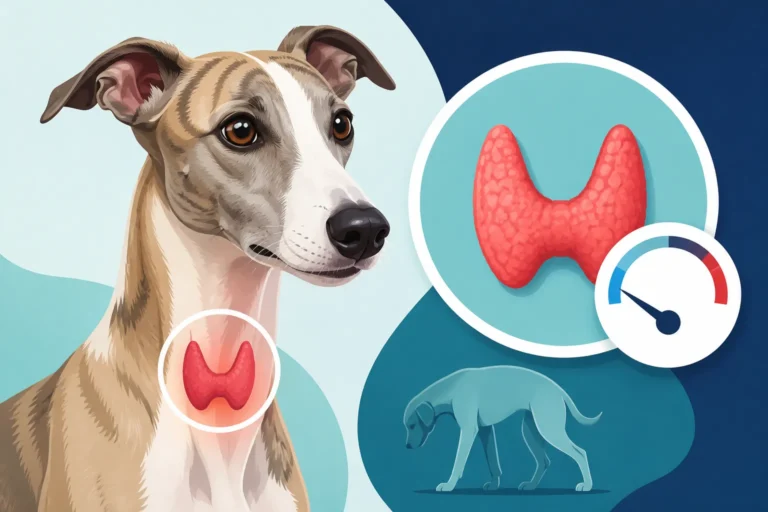
It’s a common scenario that sends many Whippet parents into a spiral of worry: your beloved lanky friend goes in for routine bloodwork, and the vet calls to say their thyroid levels are surprisingly low. Your heart sinks. Hypothyroidism, right? But here’s the thing, often with Whippets, what looks like a glaring red flag in other breeds is often just… being a Whippet. This guide will help you understand why your Whippet’s low thyroid reading might not be what it seems and how to navigate this confusing diagnosis with confidence.
Understanding the Whippet's Unique Thyroid Profile
Many Whippet owners find themselves scratching their heads over blood test results because these dogs, and sighthounds in general, just don't fit the mold of what's considered "normal" for other breeds. Their physiology is quite distinct, and this includes their endocrine system, particularly the thyroid. It’s a classic example of why a "one size fits all" approach to veterinary medicine doesn't always work, especially for our elegant, lean companions.
Why a Whippet's Thyroid Reading Runs Low
When a vet looks at standard reference ranges for canine thyroid hormones, a Whippet’s results will often fall below the "normal" threshold. This is a phenomenon widely recognized in veterinary circles specializing in sighthounds. The truth is, many healthy Whippets naturally have lower circulating thyroid hormone levels (specifically T4 and sometimes T3) compared to what’s expected for, say, a Labrador Retriever or a Golden Retriever. It's not necessarily a sign of disease but rather a normal physiological characteristic of the breed. This inherent difference can lead to misdiagnosis if your vet isn't familiar with sighthound peculiarities. Think of it like this: a normal resting heart rate for a human is often cited around 60-100 beats per minute, but an elite athlete might have a perfectly healthy resting heart rate in the 40s. It’s a similar principle with Whippets and their thyroids.
Beyond their baseline physiology, Whippets can also experience what's known as "euthyroid sick syndrome," where non-thyroidal illness or stress can temporarily suppress thyroid hormone levels, even if the thyroid gland itself is perfectly healthy. This means if your Whippet was a bit stressed at the vet, or perhaps had a minor infection that wasn't immediately obvious, their thyroid numbers could temporarily dip, creating an even more confusing picture. It’s crucial to remember that a single low reading, especially if your Whippet is otherwise acting completely normal, might be an artifact of their unique breed characteristics or a temporary stressor. This is precisely why it's so important to dig deeper and consider the whole picture, not just one number on a lab report. For a more detailed look at this specific issue, you might find our article on Why a Whippet's Thyroid Reading Runs Low helpful.
The Pitfalls of Standard Reference Ranges for Sighthounds
The veterinary laboratories we all rely on typically provide reference ranges for blood tests that are based on the general canine population. While these ranges are perfectly suitable for the vast majority of breeds, they simply don't accurately reflect the unique physiology of sighthounds like Whippets. Because Whippets naturally run cooler, often have different blood cell counts, and, as we've discussed, lower thyroid hormone levels, using these standard ranges can lead to false positives for various conditions. It’s like trying to measure a sprint car’s performance with tools designed for a minivan – you're just not going to get accurate results.
This is why, when you receive bloodwork showing unusual numbers for your Whippet, especially a low thyroid reading, it's essential to question the reference ranges being used. Some specialized veterinary labs, like those associated with universities or sighthound health initiatives, have developed breed-specific reference ranges. These tailored ranges take into account the unique physiological norms of breeds like Whippets, Greyhounds, and Italian Greyhounds, providing a much more accurate interpretation of their health status. Without these specific ranges, a healthy Whippet can easily be misdiagnosed with hypothyroidism, leading to unnecessary and potentially harmful treatment. Understanding The Bloodwork Numbers That Look Wrong on a Healthy Whippet is a huge step in advocating for your dog's proper care.
When a Low Thyroid Reading Might Actually Be a Problem
While a low thyroid reading in a Whippet often isn't cause for alarm, there are certainly instances where it does signal a genuine health issue. The key is to look beyond just the numbers on a lab report and consider the whole dog: their clinical signs, behavior, and overall well-being. This requires a much more holistic approach than simply reacting to a single diagnostic value. It's about combining scientific data with keen observation and an understanding of what a truly healthy Whippet looks and acts like.
Recognizing True Hypothyroidism Symptoms in Whippets
True hypothyroidism, where the thyroid gland isn't producing enough hormones, manifests with a distinct set of symptoms that go far beyond just a low number on a blood test. If your Whippet is genuinely hypothyroid, you would likely observe a combination of these clinical signs:
- Lethargy and Reduced Activity: While Whippets are renowned couch potatoes, a truly hypothyroid dog will show a marked decrease in energy, becoming unusually sluggish and reluctant to play or go for walks, even for their usual short bursts of zoomies. This isn't just a lazy day; it's a persistent lack of drive.
- Weight Gain Without Increased Food Intake: One of the classic signs is unexplained weight gain, even if your Whippet isn't eating more. Their metabolism slows down significantly, making them prone to putting on pounds. For a breed meant to be lean, this weight gain can be quite noticeable and concerning.
- Dull Coat and Hair Loss: The sleek, fine coat of a Whippet might become dull, dry, and brittle. You might notice hair loss, particularly on the flanks, tail ("rat tail"), or the bridge of the nose, often without itching.
- Intolerance to Cold: Whippets already struggle with cold due to their lack of body fat and thin coats. A hypothyroid Whippet will be even more sensitive to cold, seeking out warmth excessively, shivering frequently, and generally seeming uncomfortable in cooler temperatures. This is often an amplified version of what you might read about in articles like Why a Whippet Has No Insulation and No Padding.
- Skin Problems: Recurrent skin infections, scaling, or thickened skin ("tragic face" appearance) can occur.
- Neurological Issues: In severe cases, you might observe neurological signs like weakness, head tilt, or even seizures.
- Slow Heart Rate (Bradycardia): While less common to notice at home, a vet might detect a slower than normal heart rate during an examination.
It’s crucial to understand that if your Whippet is otherwise vibrant, eating well, maintaining a healthy weight for their frame, and enjoying their usual activities, a low thyroid reading alone should be viewed with skepticism, not immediate alarm. For more on distinguishing between a healthy Whippet with low readings and one with actual thyroid disease, refer to The Hypothyroidism a Whippet Does Not Have.
The Importance of a Full Diagnostic Workup
If your Whippet is indeed showing some of the clinical signs of hypothyroidism in conjunction with a low thyroid reading, then a comprehensive diagnostic workup is absolutely essential. Relying on a single total T4 (TT4) measurement is simply not enough, especially for a sighthound. Your veterinarian should recommend a more thorough panel, which typically includes:
- Total T4 (TT4): This is often the first test run, measuring the total amount of thyroid hormone in the blood, both bound and unbound.
- Free T4 (fT4): This measures the unbound, biologically active thyroid hormone. It’s generally considered a more accurate indicator of thyroid function and is less influenced by non-thyroidal illnesses or medications than TT4.
- TSH (Thyroid-Stimulating Hormone): TSH is produced by the pituitary gland to stimulate the thyroid. In true hypothyroidism, the TSH level is usually high because the body is trying to "tell" the underperforming thyroid to produce more hormone. A low T4 with a normal TSH is often indicative of euthyroid sick syndrome or a breed-specific norm, rather than primary hypothyroidism.
- Thyroid Autoantibodies (TgAA, T3AA, T4AA): These tests can detect the presence of antibodies that attack the thyroid gland, indicating autoimmune thyroiditis, a common cause of hypothyroidism.
Beyond blood tests, a thorough physical examination by a vet who understands sighthound nuances is paramount. They will assess your Whippet's body condition, coat quality, heart rate, and overall demeanor. Discussing your Whippet's daily routine, energy levels, appetite, and any subtle changes you've observed can provide invaluable context to the lab results. This complete picture is the only way to accurately determine if your Whippet genuinely needs treatment, rather than simply having a normal, albeit low, sighthound thyroid level. Investing in this kind of thorough diagnostic process can be costly, but insurance providers like Healthy Paws often help cover these expenses, giving you peace of mind.
Making the Treatment Decision for Your Whippet
Deciding whether to treat a Whippet for a low thyroid reading is a nuanced conversation that requires careful consideration and an informed partnership with your veterinary team. It's not a decision to be taken lightly, as medication comes with its own set of implications, both positive and potentially negative. The ultimate goal is always your Whippet's health and well-being, and sometimes, the best treatment is no treatment at all.
The Risks of Overtreating a Healthy Whippet
Giving thyroid medication to a Whippet that is actually euthyroid (meaning their thyroid is functioning normally for their breed, despite a low reading) can lead to serious health problems. The medication, typically levothyroxine, aims to supplement or replace the thyroid hormone. If a healthy dog receives this, it can push them into an iatrogenic (medication-induced) hyperthyroid state. Hyperthyroidism, the opposite of hypothyroidism, can cause a whole host of uncomfortable and potentially dangerous symptoms, including:
- Weight Loss: Rapid, unexplained weight loss despite a normal or increased appetite.
- Increased Thirst and Urination: Your Whippet might seem perpetually thirsty and need to go outside much more frequently.
- Restlessness and Hyperactivity: Instead of their usual calm demeanor, they might become anxious, fidgety, or even aggressive. This can be particularly jarring for owners used to their "40-mile-an-hour couch potato."
- Diarrhea and Vomiting: Gastrointestinal upset can be a common side effect.
- Cardiac Issues: Over time, sustained hyperthyroidism can lead to serious heart problems, including an increased heart rate and arrhythmias, putting undue stress on their naturally athletic hearts. This is a concern given their propensity for conditions like Mitral Valve Disease Is What Ends Most Old Whippets.
Beyond the direct health risks, there are practical considerations. Daily medication adds to your routine, and the cost of the medication and regular monitoring blood tests can add up over time. Many owners find their Whippets are excellent at detecting pills hidden in food, making administration a daily struggle. If your Whippet is truly healthy, subjecting them to this stress and these risks is simply unnecessary. It highlights the importance of asking Whether a Whippet Should Be Treated for a Low Thyroid Reading with a critical eye.
Working with a Sighthound-Knowledgeable Veterinarian
This is perhaps the most crucial piece of advice for any Whippet owner facing a low thyroid diagnosis. Because of their unique physiology, Whippets truly thrive when under the care of a veterinarian who has a deep understanding of sighthound breeds. These vets are familiar with the quirks of their bloodwork, their anesthetic sensitivities, and their general health norms. They won't just look at a number; they'll look at your whole dog. They'll know that a Whippet's low T4 might be perfectly normal, just as they'd know about Why Anesthesia Is Riskier in a Whippet and adjust protocols accordingly.
If your current veterinarian expresses concern about your Whippet's low thyroid but doesn't immediately acknowledge the breed's unique profile, it's perfectly acceptable, and even recommended, to seek a second opinion. Look for vets who have experience with sighthounds, or consider a referral to a veterinary internal medicine specialist or an endocrinologist. These specialists are often at the forefront of understanding breed-specific variations in bloodwork. Don't be afraid to ask your vet directly about their experience with Whippets or sighthounds in general, or if they regularly consult with specialists who do. Many progressive veterinary practices are happy to learn and adjust their approach based on the latest breed-specific knowledge. After all, ensuring your vet truly knows your breed can make a world of difference throughout your dog's The Twelve to Fifteen Years a Whippet Lives.
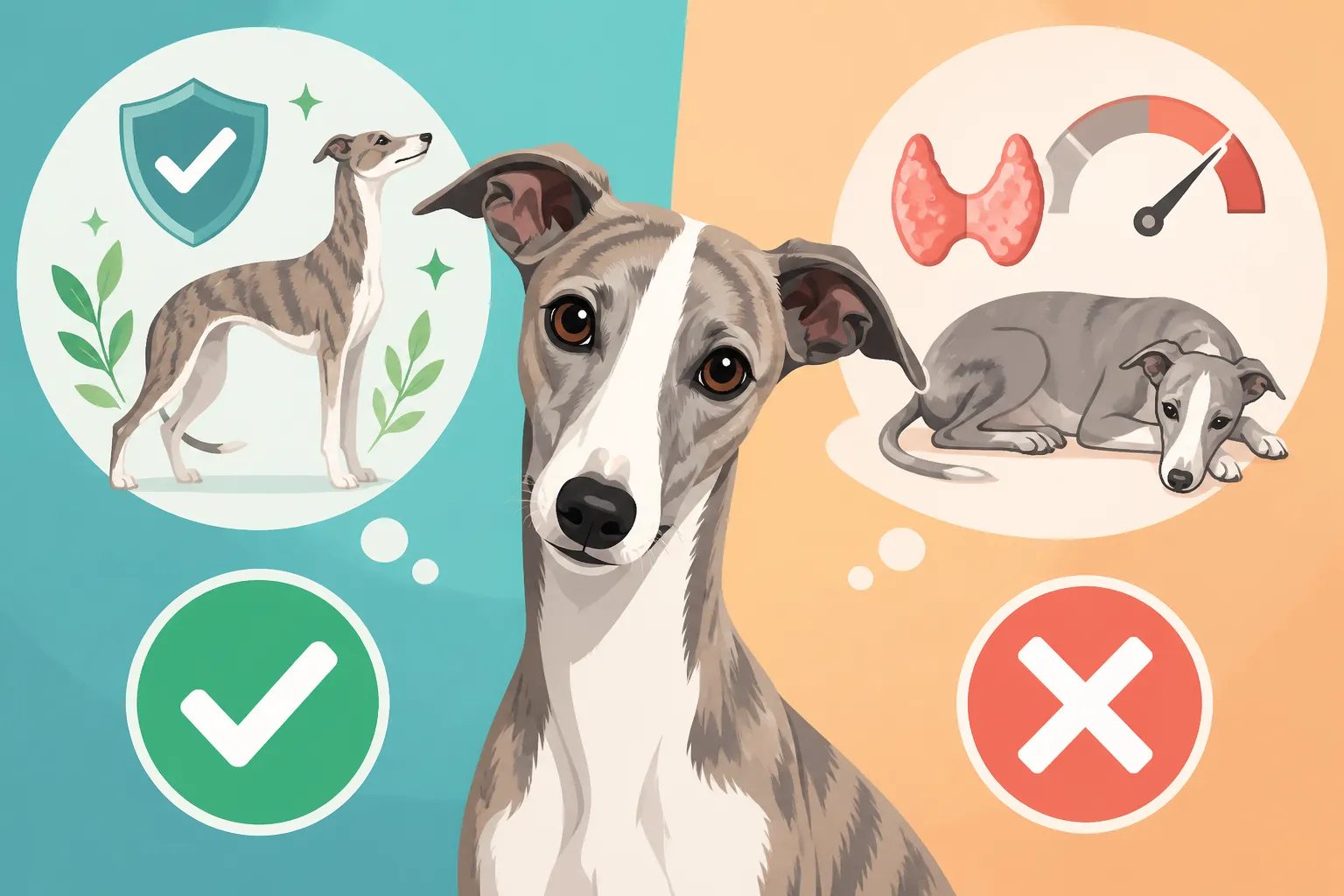
Here's a quick comparison to help visualize the difference between a typically healthy Whippet with lower readings and one with genuine hypothyroidism:
| Feature | Healthy Whippet with Low Thyroid Reading | Whippet with True Hypothyroidism |
|---|---|---|
| Clinical Signs | Normal energy, good appetite, healthy coat, active | Lethargy, weight gain, dull/thinning coat, cold intolerance, skin issues |
| Total T4 (TT4) | Low (but normal for breed) | Low |
| Free T4 (fT4) | Normal (or slightly low, but consistent with breed) | Low |
| TSH (Thyroid-Stimulating Hormone) | Normal or low | High |
| Body Condition | Lean, athletic, ribs slightly visible | Overweight, flabby, lack of muscle tone |
| Behavior | Typical Whippet "couch potato" interspersed with bursts of energy | Unusually sluggish, unwilling to play/exercise |
| Response to Treatment | No improvement, potential hyperthyroidism from medication | Marked improvement in symptoms |
| Insurance Coverage | Diagnostics often covered by policies like Healthy Paws for initial workup | Treatment (medication, monitoring) often covered by policies like Healthy Paws once diagnosed |
Ultimately, a low thyroid reading in a Whippet doesn't automatically mean a disease. It means it's time for a conversation, thorough evaluation, and perhaps a specialized perspective to ensure your unique sighthound gets the care that's truly right for them. Don't rush into treatment without considering all the factors unique to your graceful friend.
Disclaimer
This article is intended for informational purposes only and does not constitute veterinary advice. Always consult with a qualified veterinarian regarding your Whippet's specific health concerns and treatment options. Medical decisions should be made in consultation with a professional who has examined your animal and is familiar with its medical history.