The Kidney Disease a Whippet Does Not Have
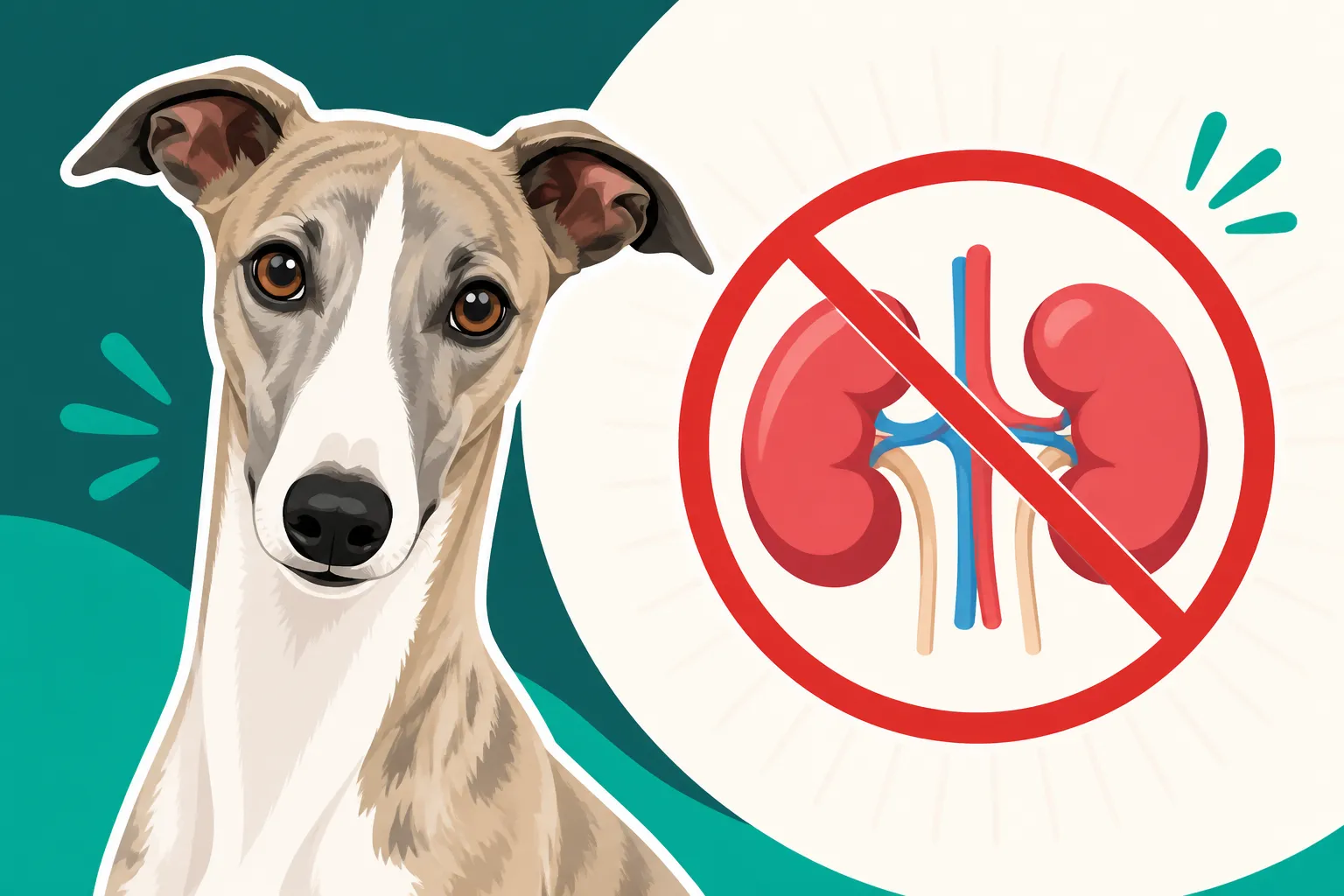
It can be incredibly anxiety-inducing as a Whippet owner when you hear hushed conversations about specific health problems that plague certain dog breeds. Sighthound owners, in particular, often share concerns about various conditions. One common fear that often crops up, especially for those familiar with Greyhounds, is kidney disease. But let's set the record straight right now: there's a particular, devastating kidney condition often associated with other sighthounds that your beloved Whippet is thankfully, and almost universally, spared from. This guide will clarify which kidney disease we're talking about and what you should be aware of regarding your Whippet's kidney health.
Understanding Kidney Disease in Sighthounds and Whippets
When you love a sighthound, whether it's a sleek Greyhound, a graceful Saluki, or our own wonderful Whippet, you naturally become attuned to breed-specific health quirks. It's a way of being a responsible pet parent, making sure you're prepared and informed. However, sometimes information can get a little muddled across related breeds, leading to unnecessary worry.
The Concern: Renal Amyloidosis in Related Breeds
Let's talk about renal amyloidosis. This is a severe, progressive, and often fatal kidney disease that has historically been, and continues to be, a significant concern in certain sighthound breeds, most notably the Greyhound. In this condition, an abnormal protein called amyloid builds up in the kidney tissue. These amyloid deposits disrupt the normal function of the kidneys, leading to inflammation, damage, and eventually, kidney failure. It's a truly heartbreaking diagnosis because it often strikes at a relatively young age and progresses quickly, leaving owners feeling helpless. The disease has a genetic component, making screening and careful breeding paramount in affected lines. For those who have shared their lives with Greyhounds, the fear of renal amyloidosis is very real and understandable.
Why Whippets Are Different: A Rare Diagnosis
Here's the good news, and something every Whippet owner should take a deep breath about: renal amyloidosis is not considered a breed-specific disease for Whippets. While it's theoretically possible for any dog to develop amyloidosis in extremely rare, sporadic cases, it is not a known genetic predisposition or a common health concern in our Whippets. This stands in stark contrast to breeds like the Greyhound, where specific genetic lines have been identified with higher risk. So, if you've been losing sleep worrying that your Whippet might be susceptible to this particular hereditary kidney issue, you can largely put that specific fear to rest. The extensive efforts made by responsible Whippet breeders, coupled with the breed's distinct genetic heritage, mean that renal amyloidosis is simply not part of the typical health landscape for these dogs.
Common Kidney Health Concerns for Your Whippet
Just because Whippets don't typically get renal amyloidosis doesn't mean they're immune to all kidney problems. Like any dog, they can face other kidney-related challenges. It's crucial to understand these general concerns so you can be proactive in maintaining your Whippet's long-term health.
Age-Related Kidney Decline
One of the most common kidney issues we see across all dog breeds, including Whippets, is age-related kidney decline, also known as Chronic Kidney Disease (CKD). As our beloved Whippets get older, their kidneys, like any other organ, can start to lose efficiency. This isn't a sudden event but a slow, progressive loss of kidney function over months or even years. It often starts subtly, with symptoms like increased thirst and urination, decreased appetite, weight loss, and a duller coat. Catching these signs early is key.
When it comes to diagnosis, your vet will typically look at bloodwork results, specifically BUN (Blood Urea Nitrogen) and creatinine, alongside a urinalysis. For us sighthound owners, it's worth remembering that some of The Bloodwork Numbers That Look Wrong on a Healthy Whippet might include slightly higher creatinine levels due to their lean muscle mass, which can sometimes be mistaken for early kidney issues if a vet isn't familiar with sighthound norms. However, persistent elevation combined with other markers like SDMA (Symmetric Dimethylarginine), which is a more sensitive indicator of kidney function, and changes in urine concentration, can paint a clearer picture. Managing CKD in older Whippets often involves special prescription diets designed to reduce the workload on the kidneys, medications to control symptoms like nausea, and ensuring adequate hydration. It's a journey, but with careful management, many Whippets can still enjoy a good quality of life. Knowing Caring for an Old Whippet That Feels the Cold also ties into providing overall comfort as their bodies age and become more vulnerable.
Acute Kidney Injury AKI and Other Causes
Beyond age-related decline, Whippets can also suffer from acute kidney injury (AKI). This is a sudden and severe loss of kidney function, often due to an identifiable trigger. Unlike the slow progression of CKD, AKI can be life-threatening if not addressed immediately. Common causes include exposure to toxins such as antifreeze, certain human medications like NSAIDs (if given inappropriately), or even some common household plants. Severe infections, heatstroke, or other serious medical conditions can also lead to AKI.
It's absolutely vital to be vigilant about what your Whippet has access to. For instance, grape and raisin toxicity is a silent killer, and even a small amount can cause severe kidney damage. Always consult your vet before giving any human medication, as many are toxic to dogs, and remember that Which Drugs a Whippet Should Not Be Given includes some sighthound-specific sensitivities. Furthermore, ensuring constant access to fresh water is paramount, as dehydration can exacerbate existing kidney issues or make them more vulnerable to injury. While AKI can be devastating, if caught early and the underlying cause is treated, some Whippets can make a partial or even full recovery.
Proactive Care for Whippet Kidney Health
As with most health conditions, prevention and early detection are your best friends when it comes to kidney health. Being proactive about your Whippet's overall well-being can make a significant difference in preventing or managing potential kidney issues.
Regular Veterinary Check-ups and Monitoring
Consistent veterinary care is the cornerstone of good health for any dog, and Whippets are no exception. Regular check-ups, ideally annually, allow your vet to establish a baseline for your Whippet's health. For older Whippets, these visits might become more frequent. During these appointments, your vet will perform a thorough physical examination, looking for any subtle changes that might indicate a problem.
Crucially, annual bloodwork and urinalysis are incredibly important diagnostic tools. Blood tests measure markers like BUN, creatinine, and SDMA. While we've discussed that a Whippet's lean body mass can influence creatinine, trends over time and the inclusion of SDMA offer a clearer picture of kidney function. Urinalysis, on the other hand, checks for protein in the urine, urine concentration, and signs of infection, all of which are vital indicators of kidney health. Early detection of any decline allows for interventions, whether it's dietary changes, medication, or further diagnostics, to slow progression and improve quality of life. Even if your Whippet is just going in for something routine like a dental or other procedure, Whether a Whippet Needs Pre Anesthetic Bloodwork is a discussion you should always have with your vet, as it provides critical insight into their current organ function before undergoing anesthesia.
Hydration and Nutrition
Proper hydration and a balanced, high-quality diet play a huge role in supporting kidney function. Kidneys work hard to filter waste products from the blood, and adequate water intake helps them do their job more efficiently. Always ensure your Whippet has access to fresh, clean water, and consider using ceramic or stainless steel bowls that are easy to keep clean. Some Whippets might benefit from wet food or adding water to their kibble to increase their daily water intake.
When it comes to nutrition, a good quality commercial dog food formulated for your Whippet's life stage is usually sufficient. While some older dogs with diagnosed CKD will require specific prescription diets to reduce protein, phosphorus, and sodium, generally healthy Whippets thrive on a balanced diet. Concerns about high-protein diets causing kidney damage in healthy dogs are largely unfounded, especially for athletic breeds like Whippets. Remember, How Much a Whippet Should Eat will vary depending on their activity level and age, but consistent, appropriate feeding is key. A typical healthy adult Whippet might consume around 1.5 to 2 cups of quality kibble daily, as outlined in guides like What a Whippet Eats in a Month, adjusted for their individual needs.
The Role of Pet Insurance
Even with the best proactive care, unexpected health issues can arise. This is where pet insurance becomes an invaluable tool for any dog owner, including those with Whippets. While renal amyloidosis might not be a primary concern, other forms of kidney disease or acute injuries can incur significant veterinary costs. Having a policy from a reputable provider like Healthy Paws can provide immense peace of mind. Healthy Paws, for instance, covers accidents and illnesses, which would include chronic kidney disease management, diagnostics, medications, and even specialist visits if required.
Knowing that you have financial support for expensive treatments can allow you to make decisions based on your Whippet's best interest, rather than your wallet. Whether it's sudden AKI treatment or long-term management of CKD, having a plan in place with a company like Healthy Paws helps buffer the impact of high vet bills. Thinking about What Insuring a Whippet Costs Monthly might seem like an extra expense, but it's an investment in being able to provide comprehensive care throughout The Twelve to Fifteen Years a Whippet Lives.
| Kidney Health Aspect | Greyhounds | Whippets |
|---|---|---|
| Renal Amyloidosis | Significant breed predisposition, often genetic, serious concern. | Extremely rare, not considered a breed-specific concern or genetic predisposition. |
| Chronic Kidney Disease (CKD) | Susceptible to age-related decline, like all breeds. | Susceptible to age-related decline, like all breeds. |
| Acute Kidney Injury (AKI) | Susceptible to sudden kidney damage from toxins, infections, etc., like all breeds. | Susceptible to sudden kidney damage from toxins, infections, etc., like all breeds. |
| Monitoring | Regular bloodwork (BUN, creatinine, SDMA) and urinalysis crucial, awareness of amyloidosis risk factors. | Regular bloodwork (BUN, creatinine, SDMA) and urinalysis crucial, with consideration for sighthound-specific bloodwork norms. |
| Genetic Screening | Recommended for breeding Greyhounds to identify carriers/affected individuals for amyloidosis. | Not a routine genetic screening recommendation for Whippets due to rarity of amyloidosis. |
Disclaimer
This article is intended for informational purposes only and does not constitute professional veterinary advice. Always consult with a qualified veterinarian for any health concerns or before making any decisions about your Whippet's care.