How Long a Whippet Takes to Wake From Anesthesia
Watching your beloved Whippet come out of anesthesia can be an incredibly nerve-wracking experience. They often look dazed, disoriented, and can take what feels like an eternity to truly 'wake up,' leaving many owners wondering if something is wrong. This guide aims to demystify the anesthetic recovery process for Whippets, explaining why their unique physiology often leads to a slower wake-up, what you can realistically expect, and how you can best support your lurcher through this delicate period.
The Unique Physiology of Whippets and Anesthesia
If you've owned other breeds before bringing a Whippet into your life, you've likely noticed they're just… different. This difference extends deeply into how their bodies react to medications, especially anesthesia. It’s not just an anecdote; there’s solid physiological reasoning behind why your Whippet might take a leisurely approach to regaining consciousness after a procedure.
Why Their Lean Body Composition Matters
Whippets are the epitome of lean. They are built for speed, with minimal body fat and a dense, athletic musculature. While this is fantastic for their zoomies and sleek appearance, it presents a significant challenge when it comes to anesthesia. Most anesthetic drugs are fat-soluble, meaning they tend to distribute and store themselves in fatty tissues before being slowly released and metabolized by the liver and kidneys. With very little fat for these drugs to "hide" in, a Whippet's body receives a higher concentration of the drug, and it recirculates more readily. This can lead to a more profound and prolonged effect from the same dosage that a chubbier dog of similar weight might receive.
Furthermore, their thin skin and lack of subcutaneous fat mean they struggle immensely with thermoregulation, especially when under the effects of anesthetic drugs that suppress the body's natural ability to maintain core temperature. This is why keeping a Whippet warm during surgery is absolutely crucial, and something your vet should be keenly aware of. A cold dog will metabolize drugs even slower, further extending recovery time and potentially leading to complications.
Drug Sensitivities in Sighthounds
It's not just the amount of fat; sighthounds, including Whippets, are known to have different metabolic pathways for certain drugs. This isn't universally true for all drugs, but it's prevalent enough to warrant specific protocols. For example, some older barbiturate anesthetic agents like thiopental are particularly problematic for sighthounds because they are metabolized very slowly and can stay in their system for an uncomfortably long time, leading to extended recovery and even respiratory depression. This is a primary reason why a Whippet Needs a Sighthound Anesthesia Protocol.
Modern veterinary medicine has largely moved away from these specific drugs for sighthounds, opting for safer alternatives like propofol as a Whippet's Safer Option, which allows for a much smoother and faster induction and recovery. However, it's always wise to discuss the specific anesthetic agents your veterinarian plans to use, ensuring they are well-versed in sighthound sensitivities. You wouldn't want to find out the hard way that your vet isn't familiar with these nuances, as it can profoundly affect how slowly a Whippet wakes from sedation.
The Challenge of Body Temperature Regulation
As we touched on, a Whippet’s slim build means they have very little natural insulation. Combine this with the depressive effects of anesthesia on the central nervous system, which directly impacts the body's ability to regulate temperature, and you have a recipe for hypothermia. A drop in core body temperature, even a mild one, significantly slows down metabolic processes, including the breakdown and elimination of anesthetic drugs.
This makes warming a Whippet during surgery an absolute necessity. Vets will use things like warm air blankets (Bair Huggers), heated circulating water pads, and even warm IV fluids to combat heat loss. Despite these measures, it’s not uncommon for a Whippet to emerge from anesthesia with a slightly lower body temperature than normal, which will naturally extend their groggy phase. They need to get their internal thermostat back online, and that takes time and warmth.
What a "Normal" Whippet Anesthetic Recovery Looks Like
Understanding what’s considered typical for a Whippet’s recovery can alleviate a lot of anxiety. It’s definitely not like watching a Labrador bounce back in an hour or two!
The Initial Grogginess and Disorientation
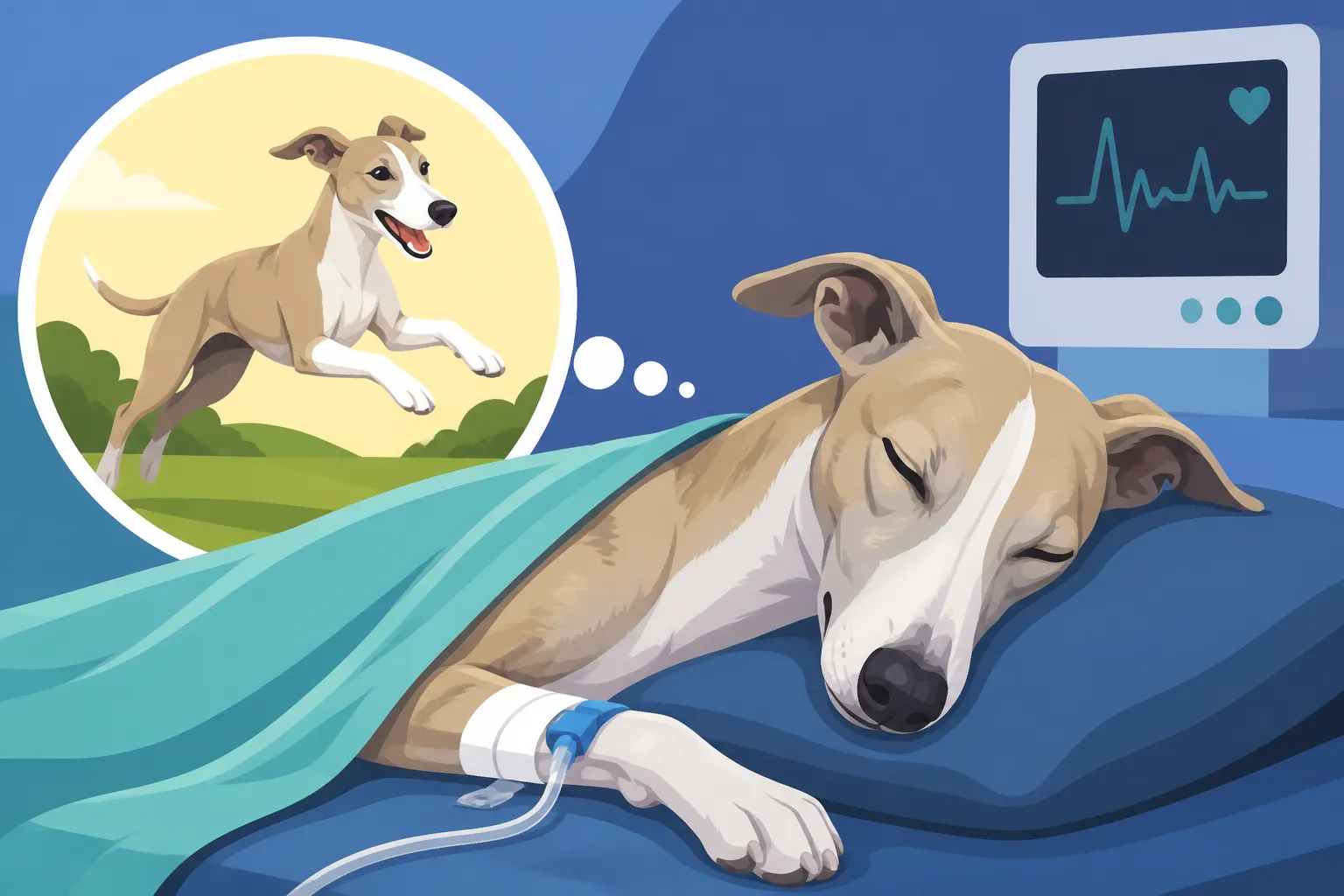
Immediately after the procedure, your Whippet will likely be in a state of profound grogginess. This isn't just "sleepiness"; it's a deep disorientation where they might appear almost drunk or confused. They might try to lift their head but struggle, or attempt to stand and immediately collapse. Their eyes might be unfocused, pupils dilated, and they might even exhibit involuntary muscle tremors or shivering. This is all pretty standard and usually a sign that the anesthetic drugs are still very much active in their system, but they are slowly coming out of the deepest sleep.
The veterinary staff will monitor them closely during this initial phase, ensuring their breathing is stable, their heart rate is normal, and their body temperature is steadily rising. They might still be quite vocal, whimper, or even cry out as they navigate this confusing state. While heartbreaking to witness, these vocalizations are often just expressions of disorientation rather than pain, though pain management should always be a priority.
The Extended Timeline for Full Awareness
For many general practice dogs, a few hours after surgery, they're sitting up, maybe even trying to walk, and often asking for water. For a Whippet, you should generally expect a much longer timeline. While the exact duration varies based on the individual dog, the type and length of the procedure, and the specific drugs used, it's not unusual for a Whippet to remain significantly groggy for anywhere from 4 to 8 hours post-extubation. And even then, they might not be "back to normal" for 12-24 hours.
They might be able to lift their head and move around a bit, but their coordination will be off. They might bump into things, walk in circles, or struggle with balance. They'll also likely sleep a lot, drifting in and out of consciousness. This extended period of recovery is precisely why some Whippet owners feel a rush of panic, but it's often perfectly within the range of what's considered normal for the breed. Remember that their system is slowly working to eliminate those drugs, and their sparse fat reserves mean it takes longer to clear.
Signs of a Smooth Recovery Versus Complications
It's important to distinguish between typical grogginess and actual complications. A smooth recovery, even a slow one, will generally show gradual improvement. Your Whippet might progress from lying still, to head lifting, to sitting, to wobbly standing, and eventually to careful walking. Their breathing should be regular and unlabored, their gums pink, and their eyes should eventually start to focus. They might not eat or drink much initially, but they should show some interest after several hours.
Here’s a quick overview:
| Recovery Sign | Normal Whippet Behavior | When to Call the Vet |
|---|---|---|
| Alertness | Very groggy, disoriented, wobbly, sleeps frequently for 4-8+ hours. Gradually improves. | No improvement after 8 hours, unresponsive, extreme lethargy, cannot lift head after many hours. |
| Breathing | Slow but regular, deep breaths. Occasional sigh. | Shallow, rapid, labored breathing; gasping, blue/purple gums, prolonged pauses in breathing. |
| Body Temperature | Might be slightly cool to the touch, especially ears/paws. Should gradually warm up. | Shivering uncontrollably, very cold body, rectal temp below 98°F (36.7°C), or excessively hot (above 104°F/40°C). |
| Vocalization | Whining, whimpering, crying out due to disorientation. | Excessive, continuous, high-pitched crying or howling that suggests severe pain. |
| Coordination | Very wobbly, drunken gait, stumbles, falls, struggles to stand. | Complete inability to move limbs, paralysis, uncontrolled seizures, severe head tilting. |
| Appetite/Thirst | No interest for first few hours. May drink small amounts after 6-8 hours. Gentle food offered. | Vomiting repeatedly, severe diarrhea, persistent dry heaving, no interest in water after 12 hours. |
| Incision Site | Mild redness, slight swelling, small amount of clear/pink discharge (check with vet). | Excessive bleeding, foul odor, pus, large swelling, incision opening. |
If you notice any of the "When to Call the Vet" signs, don't hesitate. It's always better to be safe than sorry. Keep your vet's emergency number handy. For those with pet insurance like Healthy Paws, knowing these signs can help you communicate effectively and potentially cover unexpected complications.
Factors Influencing Your Whippet's Wake-Up Time
It's not a one-size-fits-all situation. Several variables play a significant role in how quickly your Whippet will bounce back.
Type of Anesthesia and Drugs Used
As mentioned earlier, the specific anesthetic protocol employed is a major determinant. Modern sighthound-friendly protocols typically involve a combination of injectable pre-medications (sedatives and pain relievers) followed by an induction agent like propofol and then maintenance with an inhalant gas anesthetic (like isoflurane or sevoflurane). These drugs are generally faster-acting and have quicker elimination times, leading to a smoother, albeit still potentially slow for a Whippet, recovery.
However, if your vet uses older or less appropriate drugs, or if they haven't adequately adjusted dosages for your Whippet's lean body mass, the recovery can be significantly prolonged and fraught with more side effects. This underscores the importance of choosing a veterinarian who is familiar with sighthound anesthesia. Don't be afraid to ask about their experience and protocols.
Duration of the Procedure
This one is fairly straightforward: the longer your Whippet is under anesthesia, the more anesthetic drugs they receive, and the longer it will take for their body to process and eliminate them. A quick dental cleaning might result in a 4-6 hour groggy period, whereas a complex orthopedic surgery lasting several hours could mean your Whippet is truly out of it for 12 hours or more.
The body continuously receives the anesthetic gas during surgery, and while the depth of anesthesia is carefully controlled, the cumulative effect of these drugs still needs to wear off. Think of it like a sponge; the longer it soaks up water, the longer it takes to wring it out completely.
Individual Health and Age Considerations
A young, healthy Whippet typically has a more robust metabolism and organ function, meaning they can process and eliminate drugs more efficiently than an older or sicker dog. A senior Whippet, especially one with underlying health conditions like a heart murmur or kidney issues (which can be common in older sighthounds, like Mitral Valve Disease Is What Ends Most Old Whippets), will likely take much longer to recover. Their organs might not be as efficient at detoxification, and their overall physiological resilience might be lower.
Similarly, a Whippet undergoing an emergency procedure who might already be dehydrated, in shock, or compromised in some other way will have a much harder and longer recovery. This is why pre-anesthetic bloodwork is so vital, even for routine procedures, to catch any hidden issues that could impact anesthetic safety and recovery.
Environmental Conditions Post-Surgery
The environment in which your Whippet recovers also plays a crucial role. A warm, quiet, and comfortable space is absolutely paramount. As mentioned, Whippets are prone to hypothermia due to their lack of body fat. If they are placed in a cool environment post-surgery, their body temperature will continue to drop, further slowing their metabolism and drug elimination.
A noisy, high-traffic environment can also increase their stress, potentially leading to a more agitated or difficult emergence from anesthesia. A calm, dimly lit area allows them to slowly and gently drift back to full consciousness without being overstimulated, which is especially important given how sensitive Whippets can be.
How Owners Can Support a Smoother Recovery at Home
Once your Whippet is home, your role in their recovery becomes paramount. You are their comfort, their nurse, and their protector during this vulnerable time.
Creating a Safe, Warm Space
The first thing you need to do when your Whippet comes home is to ensure they have a dedicated, warm, and safe recovery spot. This should be a quiet area away from household hustle and bustle, curious children, or other pets. Think of a cozy nest. Use their favorite soft bed, pile on some blankets, and consider a pet-safe heating pad set on low (with a thick blanket over it to prevent burns) or a hot water bottle wrapped in a towel.
You'll want to ensure they can easily get in and out of this spot if they attempt to move, but that it also provides soft, supportive cushioning to prevent pressure sores, which Whippets are susceptible to due to their lack of padding. A bed they can burrow into, like a donut bed or a covered cave bed, often appeals to their natural nesting instincts and helps retain body heat. Don’t forget to make sure the general room temperature is comfortable, too.
Diligently Following Post-Anesthetic Care Instructions
Your veterinarian will provide specific discharge instructions, and it’s critical that you follow them to the letter. These instructions will cover everything from medication schedules (pain relief, antibiotics), dietary restrictions, wound care, and activity limitations. Do not deviate from these instructions without consulting your vet.
Often, they will advise offering only a small amount of water initially, and then a small, bland meal a few hours later. Too much food or water too soon can lead to vomiting, which is not only unpleasant but can also be dangerous if your groggy Whippet chokes. Keep their incision site clean and dry, and ensure they don't lick or chew at it, using an E-collar if necessary. Remember, their thin skin that sends a Whippet to the vet for stitches can also make incision sites vulnerable.
Monitoring for Red Flags and Knowing When to Call the Vet
While we've already covered some of the red flags in the table above, it bears repeating: vigilance is key. You are your Whippet’s best advocate. Keep a close eye on their breathing, gum color, alertness level, and incision site. Check their temperature if you have a rectal thermometer and know how to use it safely. If they have sutures or staples, ensure they remain intact.
Don't hesitate to call your vet if you have any concerns, no matter how small they might seem. A quick phone call can often alleviate worries or, more importantly, prompt necessary intervention. Your vet would much rather hear from you about a potentially minor issue than have you wait until a serious complication develops. Having reliable pet insurance like Healthy Paws can also provide peace of mind in these situations, ensuring you can prioritize your Whippet's health without financial stress weighing you down. Trust your gut instinct; you know your Whippet best.
Disclaimer
The information provided in this article is for educational purposes only and is not intended to be a substitute for professional veterinary advice, diagnosis, or treatment. Always seek the advice of your veterinarian or other qualified health provider with any questions you may have regarding a medical condition.