Why a Whippet’s Thyroid Reading Runs Low
It's incredibly frustrating, and honestly, a bit alarming, when your beloved Whippet's bloodwork comes back with a thyroid reading that's considered "low" by standard laboratory ranges. You instantly worry about their health, energy levels, and what this might mean for their future, often envisioning a long road of medication and complications. This guide aims to unpack why healthy Whippets often present with thyroid levels that would be concerning in other breeds and what you really need to understand about these unique sighthounds.
Understanding Standard Canine Thyroid Function
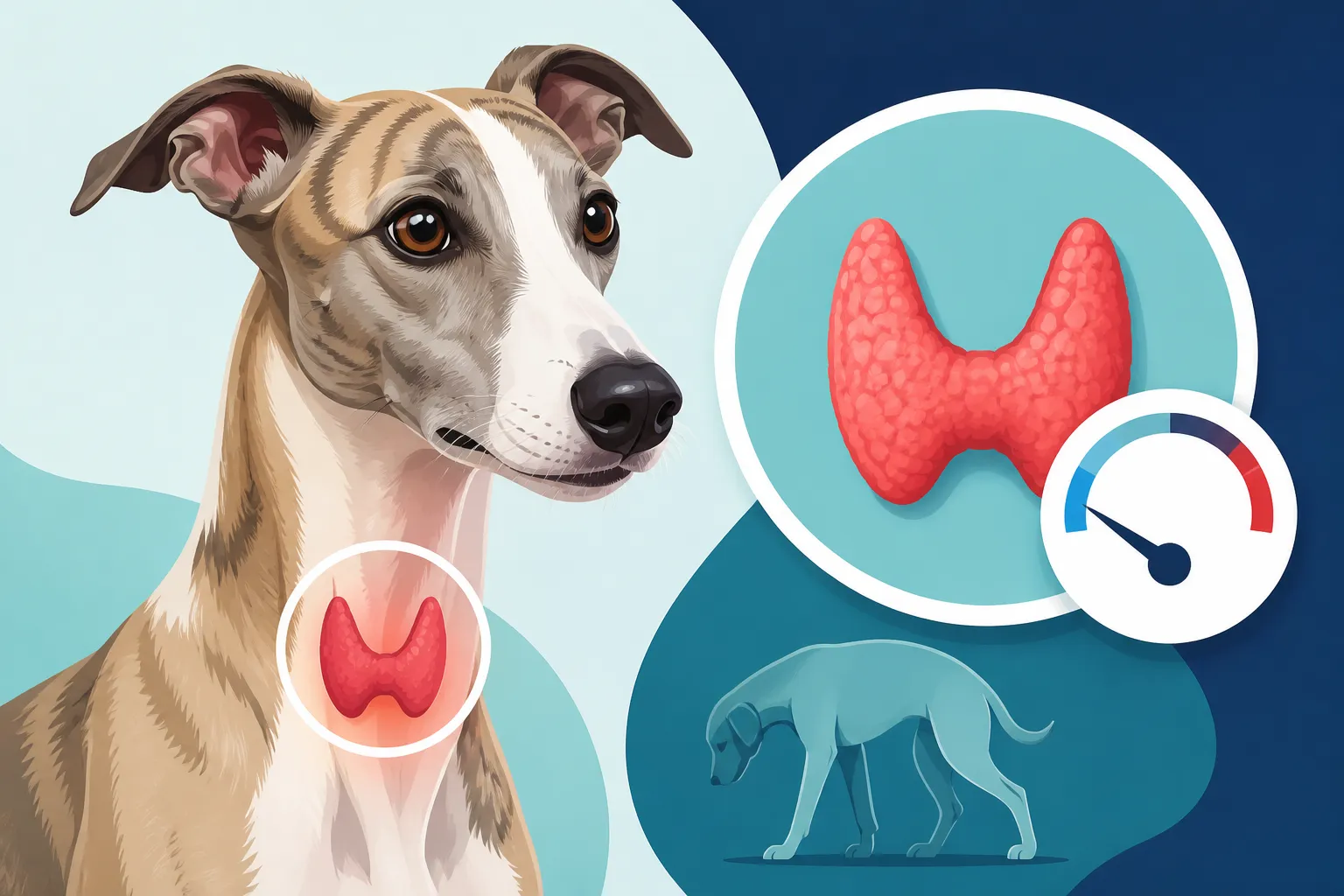
Before we dive into the quirks of Whippet physiology, let's briefly touch on what the thyroid gland does in dogs, generally speaking. The thyroid is a small, butterfly-shaped gland located in the neck, and it's a powerhouse. Its primary job is to produce hormones, mainly thyroxine (T4) and triiodothyronine (T3), which are absolutely essential for regulating metabolism in nearly every cell in the body. Think of these hormones as the tiny conductors orchestrating everything from heart rate and body temperature to digestion and energy levels.
When a dog's thyroid isn't producing enough of these vital hormones, it leads to a condition called hypothyroidism. In most breeds, this means a slowed metabolism, which can manifest in a whole host of noticeable symptoms. These can include weight gain despite no change in diet, lethargy, a dull and thinning coat, skin issues, a preference for warm places, and even behavioral changes. It’s a serious condition that requires veterinary intervention and lifelong medication.
The Role of T3 and T4 Hormones
The two main hormones we usually talk about are T3 and T4. T4 is the primary hormone produced by the thyroid gland, and it’s often considered the storage form. T3 is the more active form of the hormone, and it's largely converted from T4 in the body's tissues. When a veterinarian performs a thyroid panel, they typically measure total T4 (tT4) and sometimes free T4 (fT4), which is the unbound, active form of T4, along with thyroid-stimulating hormone (TSH). TSH is produced by the pituitary gland in the brain and tells the thyroid when to get to work. If the thyroid isn't producing enough T4, the pituitary usually ramps up TSH production to try and stimulate it, so high TSH levels in conjunction with low T4 often indicate true hypothyroidism.
However, it's not always that straightforward. There are many factors that can influence these readings, even in non-sighthound breeds. Medications like steroids, certain antibiotics, and even seizure medications can suppress thyroid hormone levels. Non-thyroidal illnesses, such as kidney disease, liver disease, or even severe infections, can also cause what's known as "euthyroid sick syndrome," where the thyroid appears underactive on tests but isn't actually diseased. This is why a complete picture of your dog's health, including a thorough physical exam and other bloodwork, is crucial before any diagnosis is made.
How Thyroid Issues Affect a Dog's Overall Health
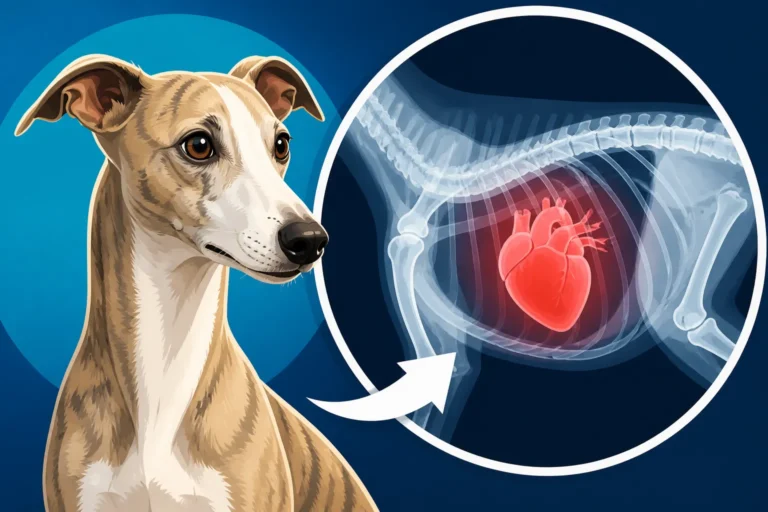
True hypothyroidism, if left untreated, can have a significant impact on a dog's quality of life and longevity. Beyond the more common symptoms like weight gain and lethargy, it can lead to more severe problems. We're talking about neurological issues, reproductive problems, and even changes in heart function. The entire body relies on these hormones for proper function, so a deficiency can gradually undermine overall health.
Because it affects metabolism, it can make a dog feel constantly cold, impacting their comfort, especially in winter. It can also weaken the immune system, making them more susceptible to other illnesses. Early detection and appropriate treatment are key to managing this condition effectively, allowing affected dogs to live full, happy lives. This is generally the concern that rushes into your mind when you get a "low" reading on your Whippet's blood panel.
Why Whippets Are Different: The Sighthound Thyroid Anomaly
Now, let's talk about our unique Whippets. It's common knowledge among sighthound enthusiasts and knowledgeable veterinarians that sighthounds, including Whippets, Greyhounds, Italian Greyhounds, and Salukis, often have thyroid hormone levels that are significantly lower than those found in other dog breeds. What would be considered a definitively hypothyroid reading in a Golden Retriever might be perfectly normal for a healthy Whippet. This isn't a sign of disease; it's just how their bodies naturally operate.
This physiological difference is often referred to as "Sighthound Thyroid Anomaly" or "Sighthound Hypothyroidism Mimic." It’s crucial for vets to be aware of this, because misdiagnosing a healthy sighthound with hypothyroidism can lead to unnecessary medication, which comes with its own set of risks and costs. Imagine giving a perfectly healthy dog thyroid supplements for the rest of its life when it doesn't need them – that's a significant financial burden, not to mention potential side effects from medication, and a lot of undue stress for you as an owner.
Lower Baseline Levels in Sighthounds
So, why do Whippets and other sighthounds run low? The exact reasons aren't fully understood, but it's widely believed to be an adaptation related to their unique physiology, particularly their high metabolism and lean body mass. These dogs are built for speed and short bursts of intense activity, not for carrying extra fat or slow, sustained energy. Their metabolic machinery might just be naturally calibrated to operate at a different, lower baseline for thyroid hormones compared to other breeds. This is just one of the many ways The Bloodwork Numbers That Look Wrong on a Healthy Whippet can surprise an uninformed vet.
Many studies have been conducted on this phenomenon, consistently showing that sighthounds have lower total T4 and free T4 levels than the standard reference ranges provided by commercial laboratories, which are typically based on a broad population of mixed and non-sighthound breeds. Their TSH levels, however, generally remain within normal limits, which is a key indicator that their thyroid gland is functioning appropriately, despite the lower T4/fT4. This is a critical distinction, and it highlights why it’s so important that Whether a Whippet Needs Sighthound Reference Ranges is a conversation you have with your vet.
The Impact of Athleticism and Lean Body Mass
Whippets are lean, athletic dogs with very little body fat. This sleek physique is directly tied to their incredible speed and agility. Their bodies are incredibly efficient, and their metabolism is finely tuned for their lifestyle. It’s hypothesized that their lower thyroid levels could be part of this efficiency, preventing an over-revved metabolism that might be detrimental to a sighthound's specific energy needs. They burn fuel quickly during a sprint, but then they're content to lounge and recover, needing a different metabolic balance than, say, a high-drive working dog like a Border Collie.
Consider the fact that Whippets also have incredibly thin skin and very little padding, making them susceptible to cold. Their metabolic rate, influenced by thyroid hormones, plays a significant role in body temperature regulation. Their bodies might be optimized to maintain a certain temperature range without needing the same level of thyroid hormone production as a dog with more insulating fat or a denser coat. This lean structure and high-performance lifestyle sets them apart from the average dog in so many ways, and their thyroid is no exception.
Interpreting Your Whippet's Low Thyroid Test Results
When your Whippet’s bloodwork comes back, and you see those "low" thyroid numbers, it’s easy to panic. But the first step is to take a deep breath and consider the full context. A solitary low T4 reading in an otherwise healthy Whippet is rarely cause for alarm. The real challenge comes in distinguishing between a physiologically normal low reading for a sighthound and genuine, pathological hypothyroidism.
This is where having a veterinarian who is familiar with sighthound physiology is invaluable. If your vet isn't experienced with these breeds, they might jump to a diagnosis of hypothyroidism based solely on the numbers and recommend immediate treatment, which, as we've discussed, might be completely unnecessary and even harmful. It’s not uncommon for owners to seek out specialists or sighthound-savvy vets specifically for these types of diagnostic dilemmas.
The Importance of a Full Thyroid Panel
A basic total T4 (tT4) test is a good starting point, but it's rarely enough for a definitive diagnosis in a Whippet. A comprehensive thyroid panel should include:
- Total T4 (tT4): This measures both bound and unbound T4. It's often the first indicator, but its low value in sighthounds needs careful interpretation.
- Free T4 (fT4) by Equilibrium Dialysis: This is considered a more accurate measure of the active hormone available to the tissues, as it’s less affected by non-thyroidal illnesses or medications. In sighthounds, this can still be on the lower end of standard ranges but will often be within their breed-specific normal range.
- Canine TSH (cTSH): This hormone, produced by the pituitary gland, stimulates the thyroid. In true hypothyroidism, cTSH levels are typically elevated as the body tries to kick the underperforming thyroid into gear. If TSH is normal in a Whippet with low T4/fT4, it strongly suggests a normal sighthound variant rather than disease.
- Thyroglobulin Autoantibodies (TgAA): This test helps identify autoimmune thyroiditis, which is the most common cause of hypothyroidism in dogs. If these antibodies are present, it indicates an autoimmune attack on the thyroid gland.
Looking at these values together provides a much clearer picture. For example, a Whippet with a low tT4, low fT4, and a normal cTSH, with no clinical signs of illness, is almost certainly a healthy sighthound. However, a Whippet with low tT4, low fT4, and elevated cTSH, especially if combined with clinical signs, would be a much stronger candidate for true hypothyroidism. This nuanced approach helps avoid misdiagnosis and unnecessary treatment.
Sighthound-Specific Reference Ranges
This is perhaps the most critical piece of the puzzle. Standard laboratory reference ranges for thyroid hormones are developed using data from a broad population of dogs, often including many non-sighthound breeds. These ranges simply don't apply accurately to Whippets. Some specialized veterinary laboratories and universities have developed and published sighthound-specific reference ranges. When evaluating your Whippet’s thyroid panel, your vet should ideally be comparing the results against these specific ranges, not the general ones.
If your vet isn't familiar with these breed-specific ranges, it's perfectly acceptable to ask them to consult with a veterinary endocrinologist or to send the samples to a lab that specializes in sighthound diagnostics. This proactive approach can save you a lot of worry and ensure your Whippet receives the correct care. For instance, reputable pet insurance providers like Healthy Paws are increasingly aware of breed-specific health nuances, and advocating for proper diagnostic protocols can ensure accurate coverage if real issues arise.
Beyond the Numbers: Clinical Signs of True Hypothyroidism in Whippets
While blood test results are important, they are only one part of the diagnostic process, especially for Whippets. The clinical signs your dog is exhibiting are arguably even more critical. A truly hypothyroid Whippet will show symptoms that go beyond just a "low" number on a lab report. Remember, the bloodwork should support the clinical picture, not solely drive the diagnosis.
It’s about seeing the whole dog, not just the data on a page. Your Whippet’s energy levels, coat condition, weight, and even their behavior can tell a much more compelling story than a single low number. This holistic view is crucial for avoiding misdiagnosis and ensuring your Whippet gets the right care.
Classic Hypothyroid Symptoms in Whippets
If a Whippet genuinely has hypothyroidism, you would expect to see the same classic signs as in other breeds, albeit sometimes subtly at first. These include:
- Lethargy and Exercise Intolerance: Your usually energetic Whippet might become noticeably less active, tires easily during walks or play, and spends more time sleeping. This isn’t just their usual "40 mph couch potato" tendency; it’s a distinct drop in typical activity levels.
- Weight Gain: Despite no change in diet or exercise, a truly hypothyroid Whippet will start to put on weight. This is particularly noticeable in a breed known for its lean physique.
- Dull, Dry Coat and Hair Loss: The fine, sleek coat of a Whippet might become dull, dry, and brittle. Hair loss, particularly on the flanks, tail, and neck, is also a common symptom. You might notice their normally shiny coat losing its luster.
- Skin Issues: Recurrent skin infections, scaling, or a general thickening of the skin (known as "tragic expression" in more severe cases) can occur.
- Intolerance to Cold: Whippets already get cold easily due to their lack of body fat, but a hypothyroid Whippet will be even more sensitive to cold, seeking out warmth constantly.
- Slow Heart Rate: A consistently slower heart rate than normal for a Whippet could be another indicator.
It’s important to distinguish these symptoms from other potential health issues. For example, an older Whippet might naturally slow down a bit. Caring for a Whippet Past Ten often involves managing age-related changes, which can sometimes overlap with vague hypothyroid symptoms. However, a sudden onset or significant worsening of multiple symptoms should always prompt a thorough veterinary investigation.
Differentiating Normal Sighthound Traits from Disease
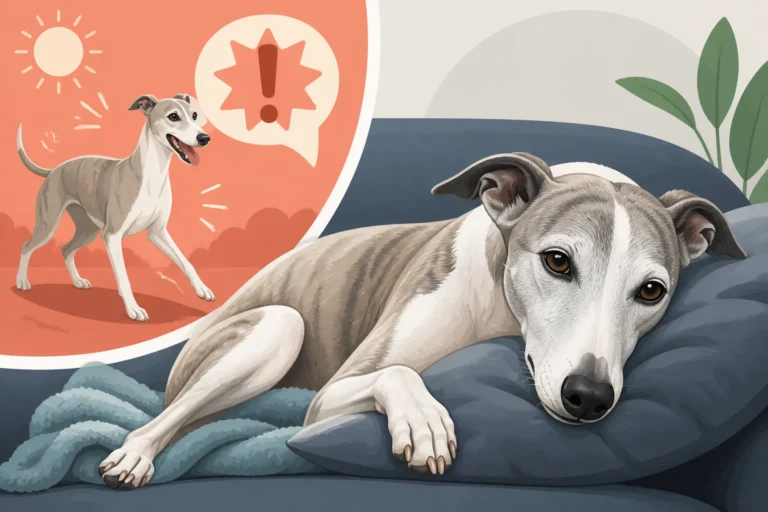
This is where your keen observation skills as a Whippet owner come into play. Your Whippet's natural disposition can sometimes mimic mild hypothyroid symptoms if you're not careful. Whippets are known for their love of lounging, often described as "40 mph couch potatoes." They do sleep a lot, and they do get cold easily. These are breed traits, not necessarily symptoms of illness.
The key is change. Is your Whippet more lethargic than usual? Has their weight changed significantly? Is their coat noticeably worse? For example, a healthy Whippet might shiver if it’s cold, but a hypothyroid one might shiver even in a warm house or be unusually slow to warm up. If your Whippet is bright-eyed, maintains its healthy weight, has a shiny coat, and is still eager for its daily zoomies, then a low thyroid number is likely just their normal. This is why a vet who truly understands the breed is invaluable; they can help you differentiate between what’s just being a Whippet and what’s a genuine health concern.
When Treatment Is (and Isn't) Necessary for a Whippet's Low Thyroid
The decision to treat a Whippet for low thyroid is not one to be taken lightly. As we've established, many healthy Whippets naturally have lower thyroid hormone levels. Unnecessary treatment can lead to hyperthyroidism (too much thyroid hormone), which can cause anxiety, weight loss, increased thirst and urination, and even heart problems. It's a delicate balance.
Always ensure that any treatment plan is based on a holistic assessment, including comprehensive bloodwork interpreted with sighthound-specific ranges, and clear clinical signs consistent with hypothyroidism. If your vet suggests treatment based solely on a low T4 reading without any supporting clinical signs or an elevated TSH, it's perfectly reasonable to seek a second opinion from a veterinary endocrinologist or a sighthound specialist.
The Dangers of Over-Treating a Healthy Whippet
Giving a healthy Whippet thyroid medication when they don't need it essentially puts their body into an artificially hyperthyroid state. This can be detrimental, leading to a host of problems. Imagine your body constantly running in overdrive – that's what hyperthyroidism feels like. It can accelerate their heart rate, make them anxious and restless, and paradoxically, can actually cause muscle wasting over time, which is the last thing you want for your athletic Whippet.
Moreover, thyroid medication is typically a lifelong commitment. Once started, it's difficult to stop without potentially causing problems. Each prescription refill, each monitoring blood test – these are ongoing costs and commitments. For a condition that isn’t truly present, this represents a significant and avoidable burden. This is why Whether a Whippet Should Be Treated for a Low Thyroid Reading is such a critical discussion point with your veterinary professional. Discuss all findings, symptoms, and potential risks thoroughly before making a decision.
Monitoring and Re-evaluation
If your Whippet has low thyroid readings but no clinical signs, the most appropriate course of action is often watchful waiting. This means continuing to monitor their health, looking for any changes in their energy, weight, coat, or behavior. Your vet might recommend re-testing their thyroid panel in a few months to see if there are any significant shifts in the numbers.
This approach ensures that you don't over-treat a healthy dog while still being vigilant for any genuine onset of disease. If clinical signs do develop later, then a re-evaluation of the bloodwork would be warranted, potentially leading to a diagnosis and treatment plan. Regular wellness checks with a vet who understands Whippets are key here, especially as they get older, when other health concerns like Mitral Valve Disease Is What Ends Most Old Whippets might arise. Pet insurance plans like those from Healthy Paws can be a real lifeline for covering ongoing monitoring and treatment should a genuine health issue be diagnosed.
Proactive Care: Supporting Your Whippet's Thyroid Health
While you can't change your Whippet's inherent sighthound physiology, there are certainly things you can do to support their overall health and well-being, which in turn contributes to healthy endocrine function. A happy, well-cared-for Whippet is more likely to thrive, regardless of their specific thyroid numbers. This proactive approach focuses on holistic health rather than chasing numbers on a lab report.
Remember, a healthy lifestyle is the foundation for a healthy dog. Good nutrition, appropriate exercise, and minimizing stress all play a role in supporting their bodily systems, including the endocrine system. These general care practices are essential for The Twelve to Fifteen Years a Whippet Lives.
Balanced Nutrition and Supplementation
Feeding your Whippet a high-quality, balanced diet is paramount. Choose a reputable brand that provides complete and balanced nutrition appropriate for their life stage and activity level. While there are many fads in canine nutrition, sticking to scientifically formulated diets is generally the safest approach. Some owners wonder about supplements like kelp or specific vitamins, but it's crucial to discuss any supplementation with your vet. Over-supplementation, especially with iodine (which is found in kelp), can actually cause thyroid problems. For a healthy Whippet, a good quality dog food should provide everything they need.
Some proponents of fresh food diets believe they offer superior nutrition, and while there's anecdotal evidence, ensure any raw or home-cooked diet is meticulously balanced with the help of a veterinary nutritionist to avoid deficiencies or excesses. Whippets are generally not prone to being overweight, but maintaining a lean body condition is vital for their joint health and overall well-being.
Regular Exercise and Mental Stimulation
Whippets are known for their bursts of speed, but they also need regular, moderate exercise to stay healthy and happy. Daily walks, opportunities for safe, off-leash running in a securely fenced area (because Why a Whippet Cannot Be Let Off Leash in an Open Field), and mental stimulation through training or puzzle toys are all important. Exercise helps maintain a healthy metabolism, supports muscle mass, and keeps their minds sharp. A well-exercised Whippet is less likely to develop behavioral issues that could be mistaken for lethargy.
Mental stimulation is just as important as physical exercise. Whippets are intelligent and enjoy learning. Short, positive training sessions, scent work, or even engaging with interactive toys can help keep their brains active and prevent boredom, which can sometimes manifest as a lack of energy or interest.
Minimizing Stress and Environmental Factors
Stress, whether from environmental changes, anxiety, or illness, can impact a dog's endocrine system. Providing a stable, loving environment for your Whippet is key. Ensure they have a comfortable, warm place to sleep – several comfy beds around the house, ideally with blankets for burrowing, are usually a hit. Because they have so little body fat, they feel the cold easily, so keeping them warm and cozy helps reduce physical stress.
Regular veterinary check-ups are also crucial. Not just for thyroid, but for monitoring overall health. For example, Why a Whippet Needs a Sighthound Anesthesia Protocol is a critical piece of information for any surgical procedure, and understanding these breed-specific needs with your vet ensures the safest care. Any new medications or illnesses can affect thyroid readings, so keeping your vet informed about any changes in your Whippet's health or routine is important for accurate interpretation of test results in the future.
Disclaimer
This article is intended for informational purposes only and does not constitute veterinary advice. Always consult with a qualified veterinarian for any health concerns or before making any decisions about your Whippet's care or treatment. Whippets have unique physiological characteristics, and a vet familiar with sighthounds is best equipped to interpret their health parameters.