Whether Whippet Breeders Test for Myostatin
It’s a truly perplexing situation when you’re trying to find a Whippet puppy, and you stumble upon discussions of "bully Whippets" or specialized genetic testing. Suddenly, what seemed like a straightforward process of finding a healthy dog becomes a minefield of genetic jargon and conflicting opinions. You might be wondering, with all this talk about Myostatin, whether every responsible Whippet breeder is diligently testing for this particular gene. This guide is here to untangle that confusion, offering a realistic look at current breeding practices and what you, as a prospective owner, need to know about Myostatin testing in Whippets.
Understanding the Myostatin Gene in Whippets
Before we dive into breeder practices, it's essential to grasp what Myostatin is and why it's become such a talking point in the Whippet world. It's not just a fancy scientific term; it describes a very real genetic factor that profoundly influences a Whippet's physique and athletic capability.
The Basics of Myostatin and Muscle Growth
Myostatin is a protein naturally produced in the body of many animals, including dogs and humans. Its primary job is to regulate and limit muscle growth. Think of it as a natural brake on your dog's muscle development, ensuring muscles don't become excessively large. It's a finely tuned system, and when it works as intended, it helps maintain a balanced, healthy musculature. However, a mutation in the gene responsible for Myostatin production can lead to some rather dramatic changes. To truly understand the underlying science, it's helpful to know more about What Myostatin Does in a Whippet.
The "Bully" Mutation and Its Impact
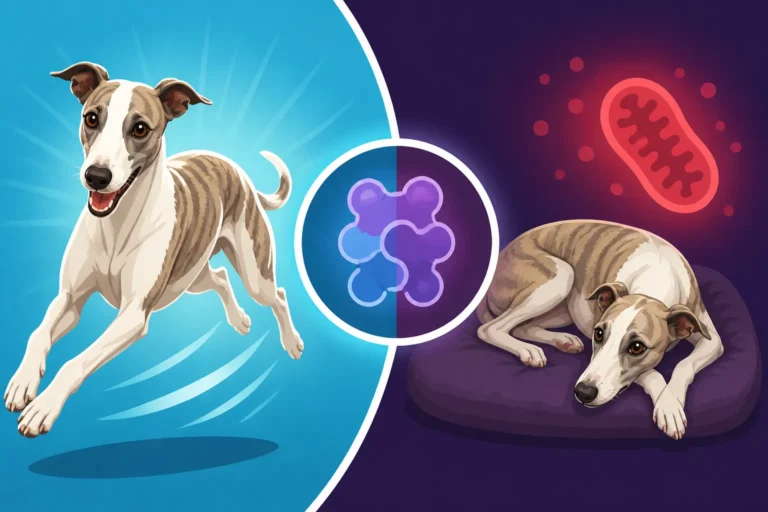
In Whippets, a specific mutation in the Myostatin gene (formally known as the c.93-2A>G mutation in the MSTN gene) can lead to a condition often called "Bully Whippet Syndrome and the Myostatin Gene Behind It." This isn't just a quirky nickname; it describes a distinct phenotype. When a Whippet inherits two copies of this mutated gene (one from each parent), their body produces significantly less functional Myostatin, or sometimes none at all. Without the natural brake on muscle growth, these dogs develop an incredibly dense, heavily muscled physique that looks vastly different from a typical Whippet. Their musculature can be so pronounced that it resembles that of a much larger, more powerful breed. This intense muscle development isn't without its challenges, sometimes affecting their range of motion and overall health.
The Carrier Gene and Athletic Advantage
Interestingly, the Myostatin gene has another manifestation. A Whippet can inherit just one copy of the mutated gene (from one parent), making them a "carrier." These dogs don't develop the extreme musculature of a "bully" Whippet, but they do tend to be more muscular and often noticeably faster than Whippets without the mutation. This phenomenon, known as Why One Copy of the Bully Gene Makes a Whippet Faster, has made the Myostatin carrier trait highly prized in certain performance circles, particularly in racing. Breeders focusing on speed and agility might actively seek to incorporate carriers into their lines, believing it gives their dogs an edge in competitive events. However, the presence of carriers also means the potential for producing "bully" Whippets if two carriers are bred together, which is why testing becomes so important.
Why Myostatin Testing Became Relevant for Whippet Breeders
The discovery of the Myostatin mutation brought about a wave of questions and considerations for Whippet breeders. It wasn't just about curiosity; it had significant implications for health, performance, and maintaining the breed's distinct characteristics.
Identifying Potential Health Concerns in Bully Whippets
For those puppies that inherit two copies of the bully gene, the extreme muscle mass can sometimes present health and conformational challenges. While a "bully" Whippet can often live a relatively normal life, their dense musculature can put extra strain on joints, and some individuals may experience issues with cramping or a more restricted range of motion. Understanding What Two Copies Do to a Whippet often makes breeders want to avoid producing dogs that might face these physical difficulties. Responsible breeders prioritize the health and well-being of their puppies above all else, and Myostatin testing offers a tool to make informed decisions about breeding pairs, aiming to prevent the unintended production of heavily muscled "bully" offspring.
Optimizing for Performance in Racing Lines
On the other end of the spectrum, the single-copy carrier status became a fascinating topic for breeders invested in Whippet performance events. Speed is paramount in disciplines like lure coursing and straight racing. Knowing that a carrier Whippet often possesses superior speed and musculature, breeders of racing lines quickly recognized the potential advantage. They saw Myostatin testing as a way to identify and selectively breed dogs that carried one copy of the gene, theoretically enhancing the athletic prowess of their puppies. The desire to produce top-tier athletes is a strong motivator, and genetic testing provides a scientific basis for these breeding choices. The question of Whether a Bully Whippet Can Race or whether a carrier should be bred is often discussed within these communities.
Maintaining Breed Standard and Integrity
Beyond health and performance, Myostatin testing also touched upon the very essence of the Whippet breed standard. A defining characteristic of the Whippet is its elegant, lean, and athletic build—a "greyhound in miniature." The extreme musculature of a "bully" Whippet is a significant departure from this established ideal. For breeders focused on conformation and preserving the traditional Whippet appearance and temperament, avoiding the "bully" phenotype is crucial. Myostatin testing allows them to ensure their breeding programs align with the breed standard, producing dogs that embody the classic Whippet look and characteristics. This is a commitment to the historical development of the breed, ensuring that future generations maintain the traits that make a Whippet, a Whippet.
The Reality of Myostatin Testing Among Whippet Breeders Today
So, with all this information about the Myostatin gene and its effects, what's the actual landscape like when it comes to Whippet breeders and testing? It’s not as universally adopted as one might hope, and there are various reasons behind current practices.
The Prevalence of Genetic Testing Practices
The honest truth is that Myostatin testing isn't universally performed by all Whippet breeders. While awareness of the mutation is quite high within the sighthound community, the decision to test often depends on a breeder's specific goals and priorities. Breeders focused strictly on conformation (show Whippets) might test to avoid producing "bully" puppies that wouldn't fit the breed standard. Similarly, many breeders of performance Whippets (those involved in racing or lure coursing) will absolutely test, specifically looking for those "carrier" dogs that have a speed advantage, and also to ensure they don't accidentally produce "bully" offspring.
However, for many breeders focusing on well-rounded, healthy family pets, Myostatin testing might not be at the very top of their essential health tests, especially if they are certain their lines don't have a history of the "bully" mutation. They might prioritize other genetic health screenings or OFA certifications. While the cost of What the Myostatin Test Costs on a Whippet is generally quite reasonable, some breeders might feel it's not strictly necessary if their lines have been clear for generations or if they aren't aiming for the specific musculature that the gene influences.
Factors Influencing a Breeder's Decision to Test
Several factors play into whether a breeder chooses to test for the Myostatin gene.
- Breeding Goals: As mentioned, breeders aiming for performance often test to identify carriers, while those focused on conformation test to avoid "bully" puppies. A breeder producing pet Whippets might test simply to be transparent and provide full genetic disclosure to buyers, or to avoid the extreme phenotype.
- Lineage Knowledge: Many established breeders have deep knowledge of their dogs' pedigrees, sometimes going back many generations. If the Myostatin mutation has never appeared in their lines, they might feel less compelled to test every dog, relying on historical data. However, mutations can arise, and outcrossing can introduce new genetics.
- Demand from Buyers: Increasingly, educated puppy buyers are asking about Myostatin status. This demand can push breeders to adopt testing, not only to ensure health but also to meet consumer expectations and remain competitive.
- Financial Investment: While relatively inexpensive compared to some other health screenings, there's still a cost associated with each test. For a small hobby breeder, every expense is considered. Reputable companies like Embark or Optimal Selection offer comprehensive DNA panels that often include Myostatin, making it a more convenient and cost-effective addition to overall genetic screening.
- Ethical Considerations: Most responsible breeders strive to produce healthy, well-adjusted dogs. For them, avoiding potential health issues associated with the "bully" phenotype is a strong ethical driver for testing. They want to ensure Whether a Bully Whippet Lives a Normal Life for any puppies they produce.
The Role of Breed Clubs and Associations
Breed clubs, such as the American Whippet Club, play a significant role in promoting responsible breeding practices. They often recommend or even mandate certain health screenings for breeders who wish to be listed as reputable sources for puppies. While Myostatin testing is strongly recommended, and highly prevalent among those focused on performance, it isn't always a mandatory test for all general club listings, especially for those not explicitly breeding for racing. However, these clubs provide resources and education that encourage breeders to understand and consider all relevant genetic tests, including The DNA Test That Finds the Whippet Myostatin Mutation. They serve as a hub for information, helping breeders stay informed about emerging health concerns and best practices, and ensuring breed health remains a top priority. When looking for a breeder, checking if they are a member of their national breed club and adhere to its health testing recommendations is a crucial step.
What to Look for When Choosing a Whippet Breeder
Navigating the world of Whippet breeders can feel overwhelming, especially with specialized topics like Myostatin. However, armed with the right questions and priorities, you can make an informed decision and find a responsible breeder dedicated to the health and welfare of their dogs.
Asking About Myostatin Test Results
When you contact a breeder, don't hesitate to ask directly about Myostatin testing. A responsible breeder will be transparent and happy to discuss their practices. They should be able to tell you:
- If they test for Myostatin: A simple "yes" or "no" is the starting point.
- Why they test (or don't test): Their rationale will give you insight into their breeding philosophy.
- The results for the parents of the litter: Ideally, you'll want to see documentation. Results are usually "clear" (no mutation), "carrier" (one copy), or "affected" (two copies). Reputable breeders using genetic testing like those from Embark or Optimal Selection can provide certificates with these results. Knowing these results allows you to understand the potential genetic makeup of the puppies, especially if you're concerned about How Common the Bully Whippet Mutation Is in certain lines.
- Their plan for breeding based on these results: For example, two "clear" parents will only produce "clear" puppies. A "clear" parent bred to a "carrier" will produce a mix of "clear" and "carrier" puppies, but no "bully" puppies. Breeding two "carrier" parents together carries a 25% chance of producing "bully" puppies, 50% chance of "carriers," and 25% chance of "clear" puppies. Many responsible breeders will actively avoid breeding two carriers together to prevent producing "bully" Whippets, even if they value the carrier trait for performance. This aligns with ethical breeding practices and ensures the well-being of the puppies.
Don't be afraid to ask for proof. A breeder who is truly invested in their dogs' health will have no issue showing you paperwork or directing you to publicly verifiable databases if available. This level of transparency is a hallmark of a good breeder.
Understanding Different Breeding Goals
It's important to remember that not all Whippet breeders have the same goals. Some are dedicated to showing in conformation, aiming to produce dogs that perfectly match the breed standard. Others are passionate about performance events like racing or lure coursing, striving for speed and agility. Still others primarily breed for companion animals, prioritizing temperament and overall health for family pets.
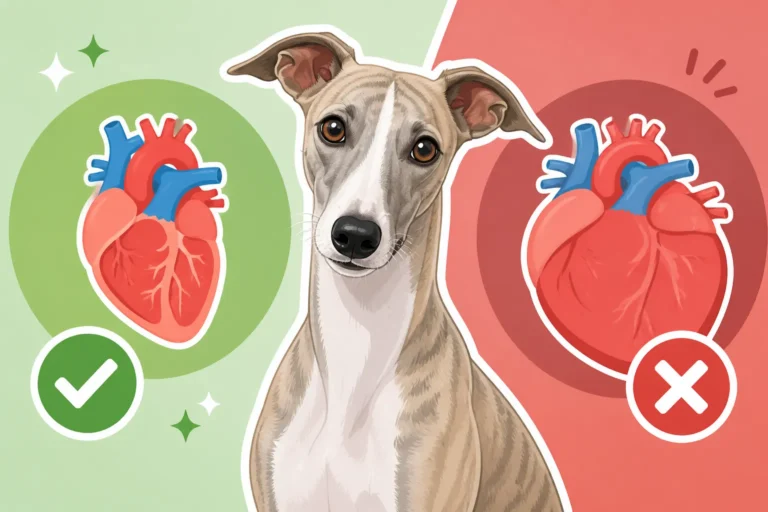
These differing goals can influence which health tests a breeder prioritizes. For instance, a breeder focused on racing might be very keen on the Myostatin carrier gene, whereas a breeder focused on conformation might prioritize different structural evaluations. Neither approach is inherently "wrong," but understanding a breeder's focus helps you determine if their goals align with yours. If you're looking for a companion dog and a breeder emphasizes multiple health checks, including Myostatin, that's a great sign. Don't forget to inquire about other crucial health screenings like cardiac exams to ensure a long, healthy life for your future companion. Many prospective owners also find it helpful to ask about The Health Tests Both Whippet Parents Should Have as a general overview of a breeder's commitment to health.
Prioritizing Health and Temperament Over "Trendy" Traits
While the Myostatin gene can be fascinating and influence certain traits, it's crucial not to let it overshadow the bigger picture of overall health, temperament, and responsible breeding. Be wary of any breeder who heavily markets "bully" Whippets as "rare" or "unique" without addressing the potential health implications, or who seems to prioritize extreme traits over the dog's well-being. The marketing of "bully" Whippets as rare can sometimes be a red flag.
A truly responsible breeder will prioritize a comprehensive approach to health, which includes:
- General Health Certifications: Such as OFA (Orthopedic Foundation for Animals) clearances for hips, elbows, or cardiac health, depending on the breed's predispositions.
- Temperament: Ensuring the parent dogs have sound, stable temperaments suitable for family life.
- Overall Care: Providing a clean, stimulating environment for puppies and their mothers, and offering ongoing support to puppy buyers.
Myostatin testing is a piece of the puzzle, but it shouldn't be the only piece. Look for a breeder who demonstrates a deep understanding of the breed as a whole, focusing on producing happy, healthy, and well-socialized puppies, regardless of their Myostatin status. This holistic approach ensures you bring home a dog that is not only genetically sound but also well-adjusted and a joy to live with. Remember, the investment in a puppy includes a significant emotional and financial commitment, and choosing a breeder who shares your priorities for health and well-being is paramount. For example, considering a robust pet insurance plan early on, such as one from Healthy Paws, can provide peace of mind regardless of a puppy's genetic background, helping cover unexpected vet bills throughout their life.
Navigating a Purchase When Myostatin Testing Isn't Standard
Even with the best intentions, you might encounter a breeder whose practices don't include Myostatin testing. This doesn't automatically make them irresponsible, but it does require you, as the prospective owner, to be extra diligent and understand the potential implications.
Risks and Considerations for Untested Litters
If a breeder hasn't tested their Whippets for Myostatin, a few key considerations come into play:
- Unknown Genetic Status: Without testing, you simply won't know if the parents are carriers of the mutation. This means there's an unknown risk of either your puppy being a carrier, or in the case of two untested carriers being bred, an affected "bully" Whippet. While Whether a Bully Whippet Belongs in a Pet Home is a personal decision, it’s important to enter into it knowingly. The lack of information means you can't assess these risks for yourself.
- Potential for "Bully" Offspring: If both parent Whippets are untested and happen to be Myostatin carriers, there's a 25% chance per puppy of being born with the "bully" phenotype. While "bully" Whippets can make wonderful pets, they do have a distinct appearance and may require specific considerations due to their extreme musculature. The age at which The Age a Bully Whippet's Muscling Shows can vary, so it might not be immediately obvious in a very young puppy.
- Impact on Future Breeding Decisions (if applicable): If you had any future intentions of breeding your Whippet (which should only be done responsibly and with extensive health testing), an untested dog makes those decisions much more complex. You wouldn't know if you were inadvertently perpetuating the gene or creating "bully" offspring. This highlights why Whether a Bully Whippet Should Be Bred or Whether Two Carrier Whippets Should Be Bred Together are crucial ethical questions for breeders.
This isn't to say every untested litter is a disaster waiting to happen. Many breeders have healthy lines without the Myostatin mutation. However, without the test, you're relying purely on pedigree history and visual assessment, which isn't always foolproof.
Your Role as a Responsible Whippet Owner
Even if you end up with a Whippet from an untested lineage, or simply want peace of mind, as a responsible owner, you have options and responsibilities:
- Consider Personal Testing: You, as an owner, can absolutely order Whether a Whippet Owner Can Order the Myostatin Test for your puppy. This is a straightforward cheek swab test that can be done at home and sent to a lab like Embark or Optimal Selection. Knowing your dog's Myostatin status provides valuable information for their health management and any future decisions. It's a relatively inexpensive way to gain certainty.
- Focus on General Health and Care: Regardless of Myostatin status, focus on providing excellent care. This includes a high-quality diet, appropriate exercise (without overdoing it, especially with a potential "bully" Whippet), regular veterinary check-ups, and proactive health management. Investing in good nutrition and preventive care helps support overall canine health.
- Discuss with Your Vet: Share all known genetic information with your veterinarian. They can help you understand what, if any, specific considerations might apply to your individual Whippet based on their Myostatin status. They can also offer advice on proper exercise and diet, ensuring your dog thrives. Your vet is a crucial partner in navigating any specific health considerations for your Whippet. It's a good idea to discuss all aspects of your dog's care, from routine check-ups to potential genetic predispositions, so you can make informed choices. Keeping up with regular vet visits can seem costly, but pet insurance plans like those offered by Healthy Paws can often alleviate the financial burden of unexpected health issues, ensuring your Whippet receives the best possible care throughout their life. This peace of mind is invaluable, especially when considering the unique health aspects of the breed.
- Educate Yourself: Continue to learn about Whippet health and genetics. The more you know, the better equipped you'll be to advocate for your dog's well-being and make informed choices. This guide is a starting point, but ongoing education is key to responsible pet ownership.
Ultimately, choosing a Whippet puppy is a significant decision. While Myostatin testing is a valuable tool for breeders and owners alike, it’s one aspect of a much larger picture of responsible breeding and ownership. Prioritizing transparency, comprehensive health testing, and a breeder's commitment to the overall welfare of their dogs will set you up for success.
Disclaimer
The information provided in this article is for educational and informational purposes only and does not constitute veterinary advice. Always consult with a qualified veterinarian for any health concerns or before making any decisions about your pet's health or treatment.