Whether the Whippet Is Just a Small Greyhound
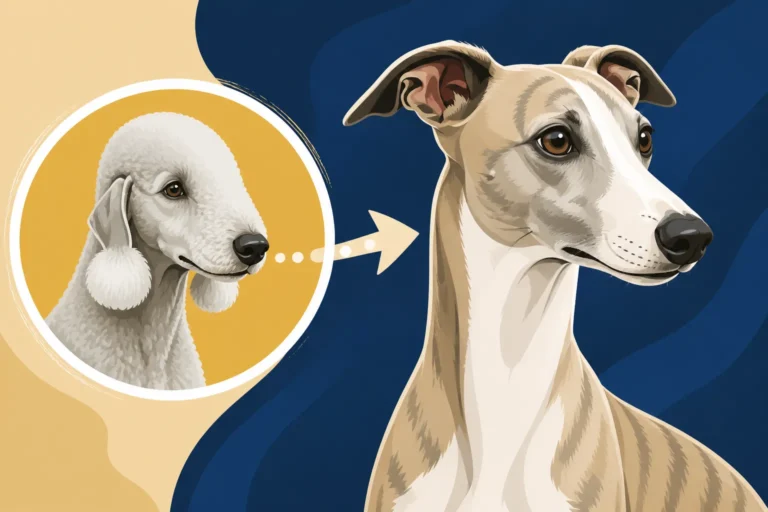
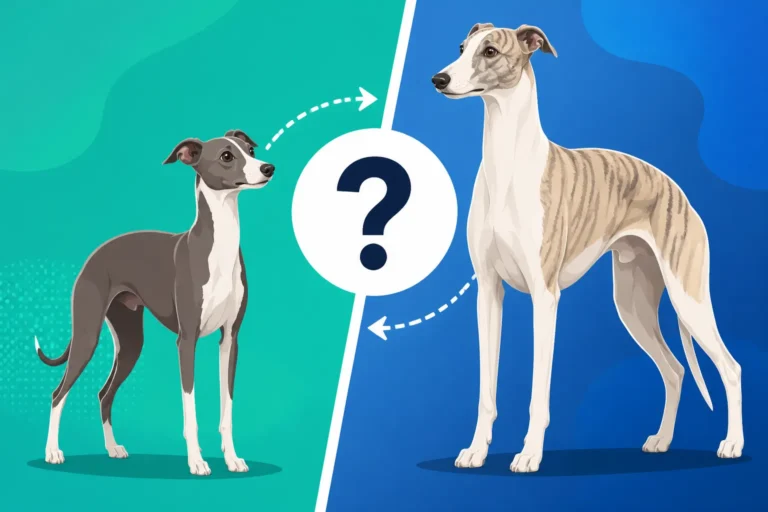
It's a question I hear all the time: "Is your beautiful Whippet just a mini Greyhound?" It’s an understandable assumption, given their striking similarities in silhouette and incredible speed. Many people look at a Whippet and immediately see a smaller version of their larger sighthound cousin. However, while they share a common lineage and certain characteristics, to truly understand the Whippet is to appreciate the distinct differences that make them unique, not just a scaled-down copy. This guide will delve into what makes a Whippet its own magnificent breed.
Shared Ancestry and Sighthound Traits
When you see a Whippet and a Greyhound side-by-side, it’s impossible to ignore the family resemblance. Both breeds fall under the sighthound umbrella, a group of dogs characterized by their exceptional vision, incredible speed, and a deep-seated instinct to chase. This shared heritage means they possess many fundamental traits that set them apart from other dog breeds, creating a certain elegance and athleticism.
The Shared Hunter's Instinct
At their core, both Whippets and Greyhounds were bred to hunt by sight. This means their eyes are keenly focused on movement, and once they spot something interesting – a squirrel, a leaf blowing across the yard, or a racing lure – their predatory drive kicks in with astonishing speed. This isn't aggression; it's an ancient instinct that drives them to pursue. For both breeds, this chase instinct is paramount. It’s why you often hear owners talk about the importance of secure fencing and careful management when they are off-leash, because once that prey drive is engaged, it's incredibly difficult to interrupt. The sheer joy they get from a full-out sprint is a testament to this shared hunting heritage, and it's a sight to behold. For more on this, you might find The Whippet Against a Greyhound particularly insightful.
Their hunting style dictates much of their behavior and physical makeup. Both will fixate on distant movement, their bodies tensing, ready to explode into action. This keen visual acuity and rapid response time are what made them such effective hunting partners for centuries. While the objects of their chase might differ today – from rabbits and hares in the past to artificial lures on a track – the underlying instinct remains incredibly strong. It's a defining characteristic that binds them together as sighthounds, making them distinct from breeds that hunt by scent or rely on different working styles.
Built for Speed: Similarities in Form
Both the Whippet and the Greyhound are marvels of canine engineering, sculpted for incredible bursts of speed. Their sleek, aerodynamic bodies, deep chests, flexible spines, and long, muscular legs are all finely tuned for galloping. When you watch either breed run, it's like witnessing poetry in motion – every part of their anatomy works in harmony to achieve maximum velocity. Their physical build allows for a double-suspension gallop, where all four feet are off the ground twice during each stride, giving them that characteristic "stretch" and "collection" that powers their lightning-fast sprints.
This shared design means they also share some common sensitivities. Their fine, short coats offer little insulation, making them susceptible to cold weather, and their minimal body fat means they seek out soft, warm places to rest. It also makes them prone to certain physical vulnerabilities, like skin tears, which require careful handling and prompt veterinary care. Owners often find themselves investing in extensive "wardrobes" of coats and sweaters for their sighthounds, whether they are Greyhounds or Whippets, because their lean physiques just aren't designed for warmth. This shared physical blueprint, optimized for speed, is a major reason why people often mistake one for a miniature version of the other.
Distinct Origins and Purpose
Despite their apparent similarities, the Whippet isn't merely a smaller Greyhound; it's a breed born of different circumstances and bred for a distinct purpose. Understanding their origins truly highlights what makes the Whippet unique and not just a scaled-down copy.
The Working Class's Racehorse
The Greyhound has a long, aristocratic history, favored by nobility for hunting and racing. The Whippet, on the other hand, has humble, working-class roots, particularly in the mining communities of Northern England during the 19th century. These miners couldn't afford to keep or feed large Greyhounds, but they still craved the thrill of dog racing and the practical utility of a fast, agile hunting dog. So, they selectively bred smaller, faster dogs, likely from crosses involving smaller Greyhounds, terriers, and Italian Greyhounds, to create what became the Whippet. This backstory earned them the affectionate moniker, "the poor man's racehorse." If you want to dive deeper into their history, check out The Poor Man's Racehorse: Whippets in the Northern Coalfields.
This difference in origin means the Whippet was developed to excel in a slightly different arena. While Greyhounds raced on longer, oval tracks, Whippets were often raced over shorter, straight courses in events known as "rag racing" or "snap dog" contests. These events were a source of entertainment and modest income for working families, and the dogs were cherished household members, often sharing beds with their families. This intimate connection with their owners, born out of necessity and close quarters, subtly shaped the Whippet's temperament, making them perhaps even more adaptable to close family life than their larger cousins.
Purpose-Bred for a Different Hunt
While both are sighthounds, the specific hunting tasks they were bred for diverged. Greyhounds were traditionally used to course larger game like deer and hare across vast open landscapes. Their immense size and incredible stamina over distance made them ideal for such pursuits. Whippets, in contrast, were bred for hunting smaller game, particularly rabbits, in more enclosed, often urban or semi-urban environments where space was limited. Their smaller size and unparalleled acceleration made them perfect for darting through brush or navigating tight spaces.
This distinction in purpose led to subtle yet significant differences in their physical and psychological makeup. A Whippet's ability to turn on a dime and accelerate almost instantly was prized over a Greyhound's sustained speed over longer distances. They needed to be quick, agile, and able to react to rapidly changing circumstances, making them incredibly effective and efficient hunters for their owners. This specialization meant they developed traits optimized for their specific niche, rather than simply being a miniaturized version of the Greyhound, which had its own, grander domain.
Size, Structure, and Subtle Physical Differences
While the most obvious difference is size, simply calling a Whippet a "small Greyhound" misses the nuanced structural distinctions that define each breed. These aren't just about scaling down; they are about different proportions and adaptations that suit their unique purposes.
More Than Just a Size Difference
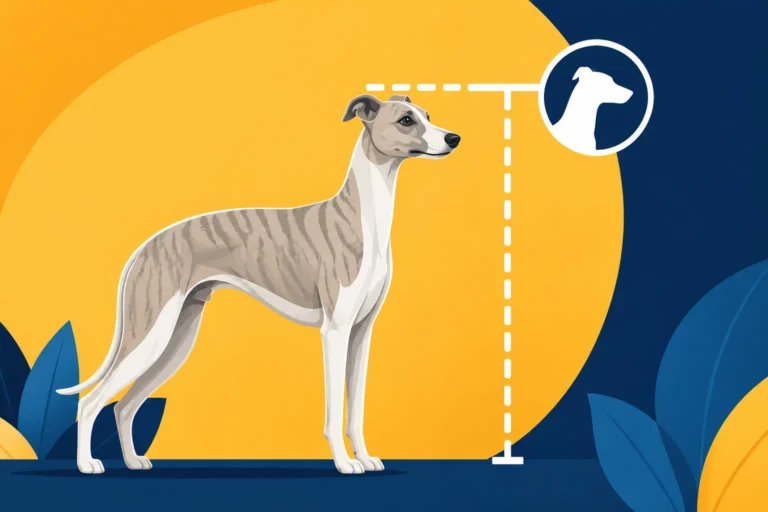
Indeed, Whippets are significantly smaller than Greyhounds. A typical male Greyhound might stand around 27-30 inches tall at the shoulder and weigh 60-80 pounds, while a male Whippet usually measures 18-22 inches and weighs 25-45 pounds. This size difference isn't just a matter of convenience; it has profound implications for their athleticism, the type of prey they hunted, and their suitability for different living environments. For someone living in a smaller home, or looking for a more portable companion, the Whippet's size is a major advantage. You can find more details on What a Whippet Actually Weighs if you're curious about specific figures.
However, the differences go beyond mere scale. If you were to perfectly scale down a Greyhound, you wouldn't get a Whippet. Whippets tend to have a slightly more refined, elegant bone structure, and their proportions, while still athletic, are subtly different. Their heads can sometimes appear a bit more delicate, and their eyes often have a softer, more soulful expression. These aren't always hard-and-fast rules, as there's variation within both breeds, but generally, a discerning eye can pick up on these subtle proportional differences that distinguish them.
The Whippet's Signature Arch and Proportions
One of the most defining characteristics of a Whippet, as outlined in their breed standard, is their distinctive arch over the loin, often called a "roach back." While Greyhounds also possess an arch, it is typically less pronounced and often transitions more smoothly from the back to the powerful hindquarters. In a Whippet, this arch is a hallmark, starting just over the last rib and gently rising before dropping again at the croup. This unique curvature is thought to contribute to their explosive acceleration and agility, allowing them to coil and spring forward with incredible power.
This arch, combined with a deep chest that extends well back, contributes to the Whippet's signature silhouette. Their underline sweeps up in a significant tuck-up, another feature shared with Greyhounds but often appearing more dramatic in Whippets due to their smaller size and exaggerated arch. These specific structural elements are crucial to their movement and racing capabilities, making them incredibly efficient sprinters over short distances. It's truly what makes a Whippet a Whippet, setting it apart from just being a compact Greyhound model. You can delve into Why the Whippet Standard Cares So Much About the Topline for a deeper understanding.
Bone Structure and Robustness
While both breeds are lean and athletic, there can be subtle differences in their bone structure and overall robustness. Greyhounds, being larger and bred for higher impact running over longer courses, generally possess a heavier bone structure, providing the necessary strength and support for their greater mass and sustained speed. Their legs, while elegant, can appear thicker and more substantial than those of a Whippet.
Whippets, on the other hand, often have a finer, more delicate bone structure. This contributes to their lighter, more agile movement and incredible bursts of speed. Despite their elegant appearance, Whippets are surprisingly hardy dogs, capable of incredible feats of athleticism. However, their thinner skin and fine bones can make them more prone to minor injuries like cuts and scrapes, especially when running through dense brush or interacting roughly with other dogs. This isn't to say they are fragile, but simply that their design prioritizes agility and speed over brute force or heavy-duty resilience.
Temperament and Lifestyle Compatibility
Beyond their physical distinctions, the Whippet and Greyhound, while sharing the gentle nature typical of sighthounds, also exhibit subtle differences in temperament and how they fit into different lifestyles. These nuances are important for prospective owners to consider.
The Forty Mile an Hour Couch Potato Persona
Both Whippets and Greyhounds are famously known as "forty-mile-an-hour couch potatoes." This charming oxymoron perfectly captures their dual nature: capable of breathtaking speed and explosive energy outdoors, yet incredibly calm, quiet, and devoted indoors. They thrive on comfort, often seeking out the softest spot on the sofa or curling up under blankets. This is a characteristic that makes both breeds wonderfully adaptable house pets, much to the surprise of people who only associate them with racing. For more on this, The Whippet Is a Forty Mile an Hour Couch Potato perfectly describes their home life.
However, there can be subtle differences in their overall energy and how they express their "potato" side. Some Greyhounds, particularly retired racers, can be even more profoundly relaxed indoors, having spent their early lives in high-stress, high-energy environments and relishing a quiet retirement. Whippets, while equally tranquil, sometimes retain a slightly more playful, mischievous streak into adulthood, perhaps a remnant of their terrier ancestry or simply their generally smaller, more agile nature which lends itself to quick indoor antics. Both are incredibly affectionate, often seeking out physical closeness and enjoying nothing more than a good cuddle session on the sofa, preferably under a blanket, which you can easily find on Chewy.
Energy Levels and Exercise Requirements
While both require daily exercise, their specific needs can vary. A Greyhound, especially a retired racer, often requires a good 20-30 minute brisk walk or two a day, with opportunities for a safe, supervised sprint in a securely fenced area. Their powerful strides are built for longer courses, and while they enjoy a good run, they are not typically endurance athletes.
Whippets, on the other hand, with their explosive acceleration and agility, might need a bit more opportunity for off-leash running, ideally in a large, safe, and fully fenced space. They love to "zoomie" around a yard, burning off energy in short, intense bursts. While they can enjoy longer walks or jogs with their owners, their natural inclination is for sprints rather than marathons. A couple of solid walks and a good 15-20 minute sprint session a day often suffice to keep a Whippet happy and prevent boredom, which could lead to unwanted behaviors. It's crucial for owners to understand this need for a safe, open space, as their recall can be easily overridden by prey drive, as discussed in Thirty Five Miles an Hour and No Brakes on a Whippet's Recall.
Living Space and Family Dynamics
Both breeds are incredibly adaptable to various living situations, including apartments, thanks to their calm indoor demeanor. Their minimal barking and tendency to curl up quietly make them excellent apartment dwellers, provided they get their necessary outdoor exercise. However, the Whippet's smaller size can offer a slight advantage in genuinely compact living spaces, as they simply take up less physical room.
When it comes to family dynamics, both are generally gentle and good with children, though proper socialization and supervision are always key. Their sensitive nature means they respond best to positive reinforcement and gentle handling. Whippets might be seen as slightly more robust than the very fine-boned Italian Greyhound, making them a good intermediary choice for families seeking a sighthound that isn't as large as a Greyhound. They form deep bonds with their families and often suffer from separation anxiety if left alone for extended periods, a trait common to many sighthounds who thrive on companionship. Ensuring they have comfortable beds and plenty of enrichment from a store like Chewy can help manage this.
Health Considerations and Lifespan
While closely related, Whippets and Greyhounds also have some distinctions in their typical health profiles and lifespans, offering further insight into why the Whippet isn't just a downsized Greyhound. Understanding these differences can help owners prepare for the specific care needs of their beloved companion.
Breed-Specific Health Concerns
Both breeds share some general sighthound sensitivities, such as needing a specific sighthound anesthesia protocol due to their lean body mass and unique metabolism. For this reason, it’s vital to ensure your vet is familiar with Why a Whippet Needs a Sighthound Anesthesia Protocol. However, they can also have different predispositions to certain conditions. For instance, Greyhounds can be prone to certain cancers like osteosarcoma at higher rates than some other breeds. They can also have dental issues.
Whippets, while generally a healthy breed, have their own specific concerns. They can be prone to skin tears due to their thin skin, which often requires a trip to the vet for stitches. Heart conditions, particularly Mitral Valve Disease, are a concern as Whippets age, and it's a condition that ends most old Whippets. While less common, genetic conditions like Phosphofructokinase Deficiency (PFK) are also known within the Whippet population. These breed-specific health considerations underscore the fact that despite their similarities, they are genetically distinct and have evolved along different health paths.
Longevity and Aging Profiles
In terms of lifespan, Whippets generally live longer than Greyhounds. A typical Greyhound lifespan is often cited as 10-14 years, though many live beyond that, especially retired racers who enjoy a quiet life. Whippets, on the other hand, are known for their remarkable longevity, often living 12-15 years, with many reaching 16 or even 17 years. This extended lifespan is a wonderful gift, but it also means a longer commitment for owners and the potential for age-related health issues to emerge.
As Whippets age, similar to Greyhounds, they may develop arthritis, particularly in their joints, and their energy levels naturally decrease. Owners will need to adjust exercise routines and ensure comfortable, supportive bedding to accommodate aching joints. Dental disease can also become a significant concern in older Whippets, often requiring more frequent attention and cleanings to prevent pain and further health complications. Caring for an old Whippet means adapting to their changing needs, providing warmth, soft bedding from Chewy, and regular veterinary check-ups to ensure their comfort and quality of life into their golden years. For insights into this period, read Caring for a Whippet Past Ten.
In conclusion, while the visual similarities between a Whippet and a Greyhound are striking and their shared sighthound heritage undeniable, calling a Whippet "just a small Greyhound" simply doesn't do justice to the nuances of its history, physical characteristics, and distinct personality. The Whippet stands as its own magnificent breed, a testament to selective breeding for a specific purpose, resulting in a dog that is both unique and utterly charming.
| Feature | Whippet | Greyhound |
|---|---|---|
| Size (approx.) | 18-22 inches, 25-45 lbs | 27-30 inches, 60-80 lbs |
| Origin | 19th-century Northern England, working class | Ancient origins, nobility, sporting |
| Primary Purpose | Sprint racing (rag racing), small game | Track racing, coursing large game |
| Signature Feature | Pronounced arch over loin (roach back) | Less pronounced arch, more linear |
| Bone Structure | Generally finer, more delicate | Generally heavier, more substantial |
| Acceleration | Explosive, quick turns | Fast, sustained speed over distance |
| Lifespan | 12-15+ years | 10-14 years |
| Temperament | "40 mph couch potato," playful, affectionate | "40 mph couch potato," calm, dignified |
Disclaimer
This article is for general informational purposes only and does not constitute professional advice. Laws, prices and regulations vary by location and change over time. Consult a qualified professional for guidance on your specific situation.