Why a Whippet Sleeps More Than Most Breeds
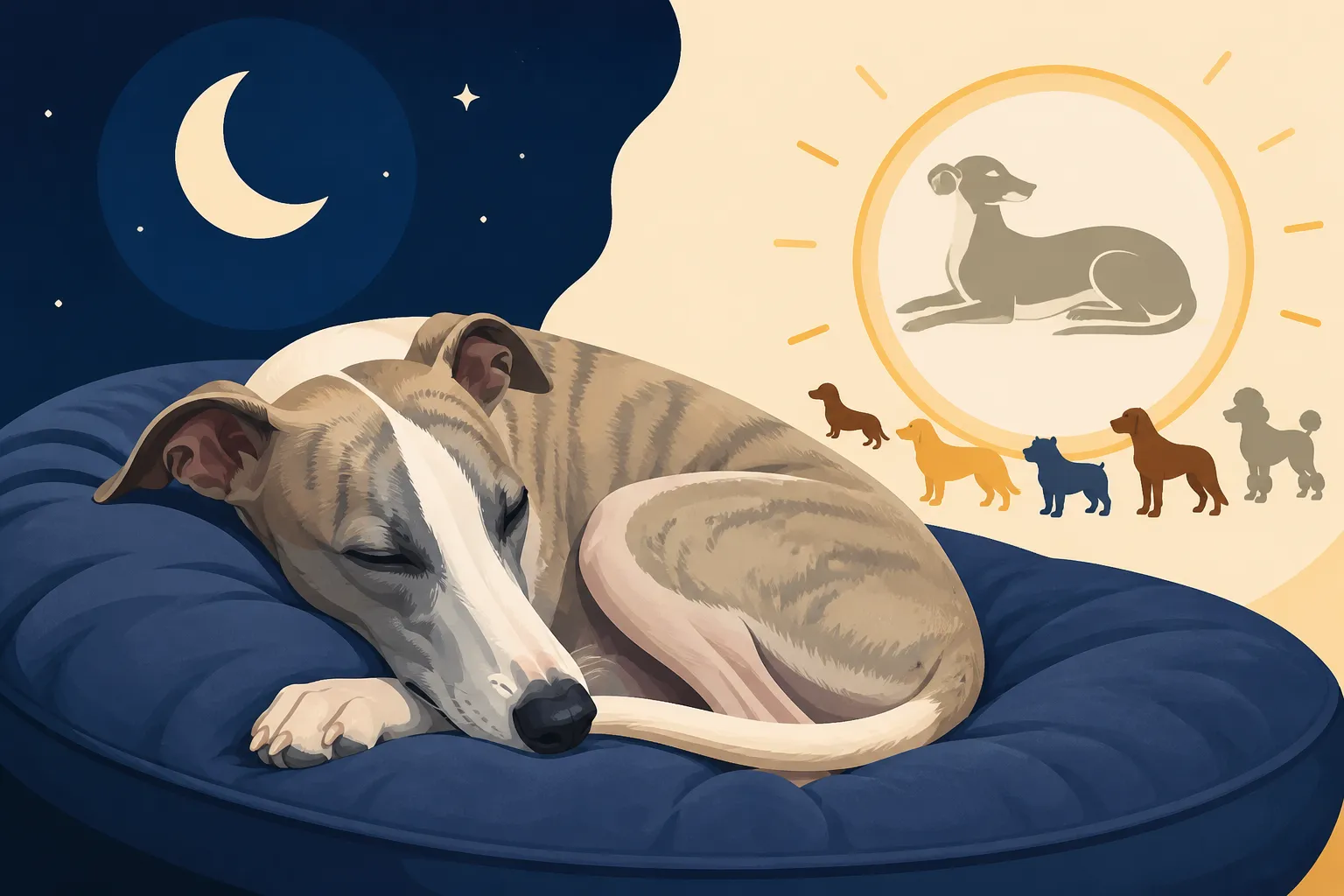
If you're a Whippet owner, you've probably experienced that moment: you glance over at your sleek, athletic dog, only to find them profoundly, utterly, and often comically asleep. They might be draped over a sofa, burrowed under a blanket, or even upside down in a sunbeam, looking like they haven't moved in days. This deep, extended sleep often leads new owners to worry, wondering if something is wrong. Rest assured, your Whippet's love affair with napping is entirely normal, a charming quirk rooted in their unique breed history and physiology.
The Whippet's Innate Drive for Rest and Relaxation
It’s easy to look at a Whippet and think "athlete." And you wouldn't be wrong! They are indeed incredible sprinters, capable of astounding bursts of speed. But the other side of that coin, the part many people don't anticipate, is their profound need for rest. This isn't laziness; it's a fundamental part of who they are, genetically wired and perfected over generations. Their energy expenditure is incredibly high during short, intense periods, meaning they require an equally intense period of recovery.
The Hunter's Paradox: Sprint and Rest
Whippets, like all sighthounds, were bred for a very specific purpose: to spot, chase, and catch prey over short distances. This isn't endurance running; it's explosive, anaerobic effort. Imagine a drag racer – immense power for a few seconds, then a need for complete shutdown and recharge. A Whippet's ancestors were often working dogs who might have a brief, exhilarating hunt or race, then spend the rest of their time conserving energy, waiting for the next opportunity. This rhythm of intense activity followed by deep rest is hardwired into their DNA. They haven't forgotten those centuries of evolutionary programming.
Many people think of working dogs as constantly on the go, but for sighthounds, efficiency is key. They don't patrol or herd all day; they unleash their incredible speed when it counts, then return to a state of quiet repose. This is why you'll often hear them affectionately called "forty mile an hour couch potatoes." It’s a beautiful balance, really, showcasing their dual nature perfectly. If you provide them with appropriate outlets for that sprint energy, like a securely fenced yard or a supervised Fast CAT Run Costs a Whippet Owner, they'll happily indulge their need for speed, and then, just as happily, crash out for hours.
Genetic Predisposition and Energy Conservation
Beyond their historical role, Whippets simply have a genetic makeup that leans towards significant downtime. They are efficient creatures. Their bodies are streamlined, built for speed and minimal energy waste during inactivity. Other breeds, especially those bred for sustained work like herding or retrieving, have a different metabolic profile that keeps them more alert and active for longer periods. A Whippet's body isn't designed for constant low-level activity; it's designed for peak performance followed by deep, restorative rest.
This energy conservation isn't just about physical recovery; it's mental too. The intense focus and adrenaline involved in a high-speed chase or an exciting playtime session can be mentally draining. A long nap helps them process these experiences and reset. It’s their way of keeping their finely tuned minds and bodies in optimal condition. Don't let anyone tell you your Whippet is lazy; they're simply adhering to their ancestral blueprint. It's truly fascinating how their history continues to shape their everyday habits, even in a comfortable modern home.
The Physiology Behind the Long Slumbers
It's not just their historical job description that makes Whippets such champion sleepers; their unique physical attributes also play a huge role. From their sleek build to their efficient metabolism, every part of a Whippet's body is optimized for a cycle of explosive action and profound rest. Understanding these physiological factors can help you appreciate why their sleep patterns are so distinct and ensure you're meeting their specific needs.
Low Body Fat and the Need for Warmth
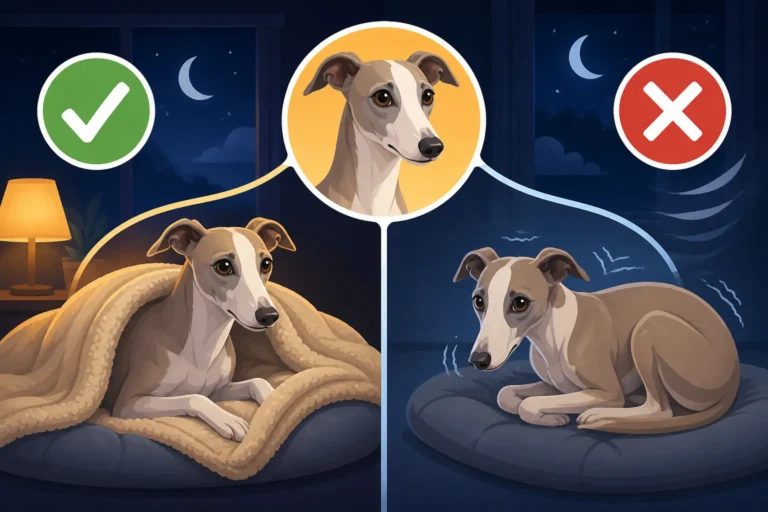
One of the most striking physical characteristics of a Whippet is their incredibly lean physique. They possess very little body fat, which serves them well for speed and agility, but it also means they have minimal natural insulation. This lack of padding makes them particularly susceptible to cold, even indoors. When they get cold, their bodies expend energy to generate heat, which is inefficient. To conserve warmth and energy, they naturally seek out soft, warm, and often enclosed spaces for sleep.
Think about it: have you ever seen your Whippet shiver even when you feel comfortable? That's their body telling you they're losing heat. Burrowing under blankets, snuggling into a dog bed piled high with soft throws, or curling up against a warm body are all instinctual behaviors to maintain their core temperature. This constant search for warmth naturally leads to longer, deeper periods of sleep. It’s not just about comfort; it's a survival mechanism refined over generations. This is why A Whippet Has No Insulation and No Padding is a critical piece of understanding their daily needs.
Metabolic Efficiency and Recovery
Whippets have a highly efficient metabolism that allows them to convert food into bursts of energy very effectively for their athletic endeavors. However, this same efficiency means their bodies are also adept at slowing down and recovering completely once the activity is over. Their heart rates can drop significantly during rest, and their muscles relax deeply, all contributing to a more profound state of sleep than you might observe in other breeds. This metabolic flexibility is key to their athletic prowess.
Furthermore, Whippets, like many sighthounds, have specific physiological characteristics that sometimes show up on routine bloodwork, such as a higher-than-average packed cell volume. These subtle differences underscore their unique biology. Their systems are geared towards rapid recovery from intense physical exertion. Just as an elite human athlete needs significant rest to repair muscles and restore energy stores, a Whippet’s body demands ample sleep to bounce back from its high-octane sprints. Their bodies literally need this downtime to function at their best, and to ensure they remain healthy throughout The Twelve to Fifteen Years a Whippet Lives.
Creating the Perfect Sleep Environment for Your Whippet
Given their unique needs for warmth, comfort, and deep recovery, providing the ideal sleep environment for your Whippet is paramount. It’s not just about tossing a blanket on the floor; it’s about understanding their instincts and catering to them so they can truly unwind and recharge. A well-rested Whippet is a happy, healthy Whippet, ready for their next exciting adventure (or quiet cuddle session!).
The Importance of Soft, Warm Bedding
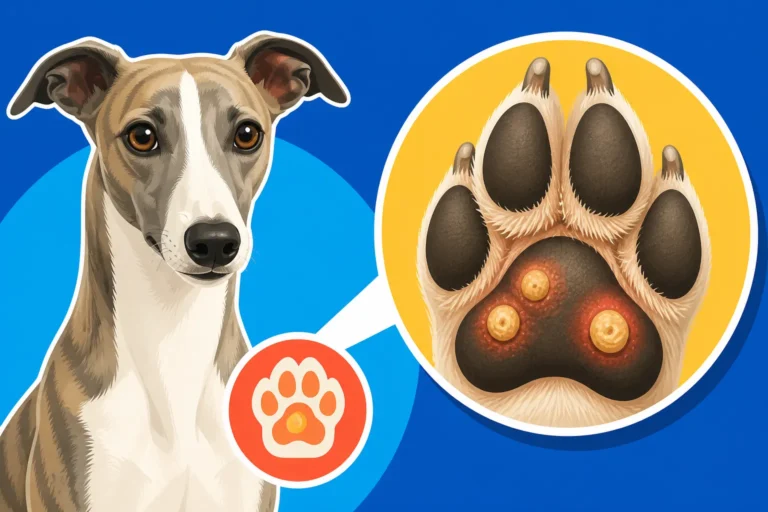
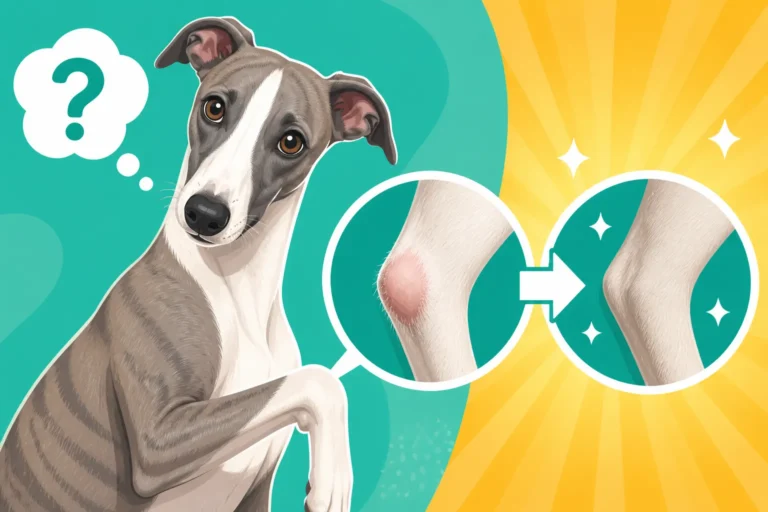
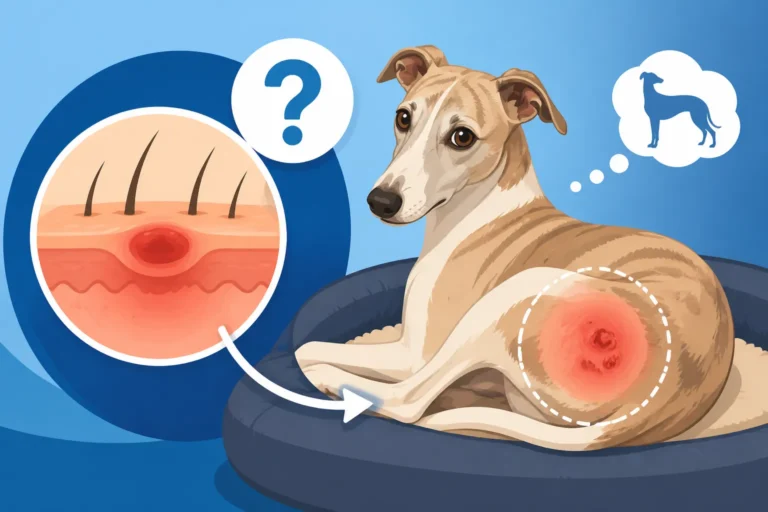
Because of their minimal body fat and thin skin, Whippets simply cannot comfortably sleep on hard surfaces. Pressure points like hips, elbows, and hocks can become sore, leading to calluses or even skin tears. This is why you'll notice them seeking out the softest spot in the house, whether it's your duvet, the pile of laundry, or their carefully curated bed. They need proper cushioning everywhere they choose to settle down.
Think about investing in high-quality, orthopedic dog beds. Memory foam is often a fantastic choice, conforming to their lean bodies and providing excellent support and insulation. Many owners find themselves buying The Beds a Whippet Owner Keeps Buying because their Whippets just love comfort. You might also consider heated beds, especially in colder climates, or at least ensure there are plenty of blankets for burrowing. I know my Whippets adore snuggling into a cozy cave bed, often found on sites like Chewy or Amazon, where they can feel completely enveloped and warm. Remember, for a Whippet, comfort isn't a luxury; it's a necessity for their physical well-being. Even a simple fleece blanket draped over their favorite spot on the sofa makes a huge difference.
Managing Daily Exercise and Rest Cycles
While Whippets are sprinters, they still need regular exercise to maintain muscle tone, cardiovascular health, and mental well-being. A good rule of thumb is several short, brisk walks or a good sprint session in a safe, enclosed area daily. This allows them to burn off that explosive energy. After their exercise, they will be more than ready to settle down for a long nap. It's a clear cycle: activity, then rest.
It's tempting to think that if your Whippet sleeps a lot, they don't need much exercise. But this is a common misconception. Lack of appropriate exercise can actually lead to restless sleep or even anxiety, making them less settled. Providing them with opportunities to run and engage their sighthound instincts helps them earn their rest. Remember, short bursts are key; How Much Exercise a Whippet Really Needs is less about endurance and more about intensity. If you find your Whippet still seems wired after a long walk, they might need a good, safe sprint to truly feel satisfied and ready to melt into their bed. Products like enrichment toys or puzzle feeders, widely available on platforms like Chewy, can also provide mental stimulation that complements physical activity, leading to more contented rest.
Distinguishing Normal Sleep from Underlying Issues
While excessive sleeping is a hallmark of the Whippet breed, it's crucial for owners to understand the difference between a perfectly healthy, deeply sleeping Whippet and one whose lethargy might indicate an underlying health concern. It can be a fine line, especially with a breed that already loves its naps! Learning to observe your dog's patterns and other subtle cues is key.
Signs of Genuine Fatigue vs. Normal Laziness
A healthy Whippet will usually wake up easily when something interesting happens – the sound of their food bowl, a doorbell, or an invitation for a walk. They might stretch languidly, but then they'll be up and ready to engage, even if it's just for a brief moment before settling back down. Their eyes will be bright, their appetite normal, and their demeanor generally happy and responsive when awake. This is their normal "forty mile an hour couch potato" mode.
However, if your Whippet is truly unwell or overly fatigued, you might notice other changes. They might be unusually difficult to rouse, even for exciting things. When they are awake, they may seem dull, disoriented, or reluctant to move. Their appetite might be reduced, they might be uninterested in play, or you could see changes in their breathing or toileting habits. These are the kinds of subtle shifts that warrant closer attention. It's about looking at the entire picture of their behavior, not just the amount of time they spend with their eyes closed.
Here’s a quick comparison:
| Characteristic | Normal Whippet Sleep | Concerning Lethargy |
|---|---|---|
| Awakening | Rouses easily for food, walks, or a visitor. | Difficult to rouse, may seem disoriented or uninterested. |
| Demeanor When Awake | Bright-eyed, alert, happy to engage briefly. | Dull, withdrawn, low energy, no interest in usual activities. |
| Activity Level | Engages enthusiastically in short bursts of play/sprint. | Reluctant to move, avoids play or walks. |
| Appetite | Normal and eager. | Reduced or absent. |
| Other Symptoms | None, otherwise healthy. | Vomiting, diarrhea, limping, coughing, fever, pain sensitivity. |
When to Consult Your Veterinarian
If you observe several of the signs of "concerning lethargy" in the table above, or if your Whippet's sleeping habits suddenly change dramatically and aren't explained by an increase in activity or a change in routine, it's always best to consult your veterinarian. Don't second-guess yourself if you have a nagging feeling that something isn't right. It's far better to err on the side of caution.
Your vet will likely perform a thorough physical exam and may recommend blood tests to check for underlying conditions such as anemia, thyroid issues, or other metabolic imbalances. They can also rule out infections, pain, or organ dysfunction. Remember that Why Anesthesia Is Riskier in a Whippet means that careful consideration of their sighthound physiology is always important, especially if any diagnostic procedures requiring sedation are needed. Early detection of health issues can make a significant difference in treatment outcomes and your Whippet's overall quality of life. Be your Whippet's advocate – you know them best. This is particularly true as your Whippet gets older, as Caring for an Old Whippet That Feels the Cold might lead to even more intense burrowing and apparent sleep, but it's important to distinguish that from genuine decline.
Disclaimer
This article is for general informational purposes only and does not constitute professional advice. Laws, prices and regulations vary by location and change over time. Consult a qualified professional for guidance on your specific situation.