Whether a Racing Whippet Eats Differently
It's completely understandable to wonder if your racing Whippet needs a drastically different diet compared to a pampered pet Whippet who spends most of their time on the sofa. After all, their energy output and physical demands are worlds apart, and you want to ensure your canine athlete is getting everything they need to perform at their best and recover properly. This guide will dive deep into the specific nutritional considerations for a racing Whippet, helping you understand whether their diet truly needs to be unique and what adjustments might be beneficial.
The Unique Energy Demands of a Racing Whippet
Think about the difference between a casual stroll around the block and an all-out sprint down a track. That's essentially the difference in energy demands we're talking about when comparing a pet Whippet to one that's actively racing. These aren't just subtle variations; they represent a fundamental shift in what the body needs to fuel performance and then rebuild itself.
The Burst of Speed Versus Endurance
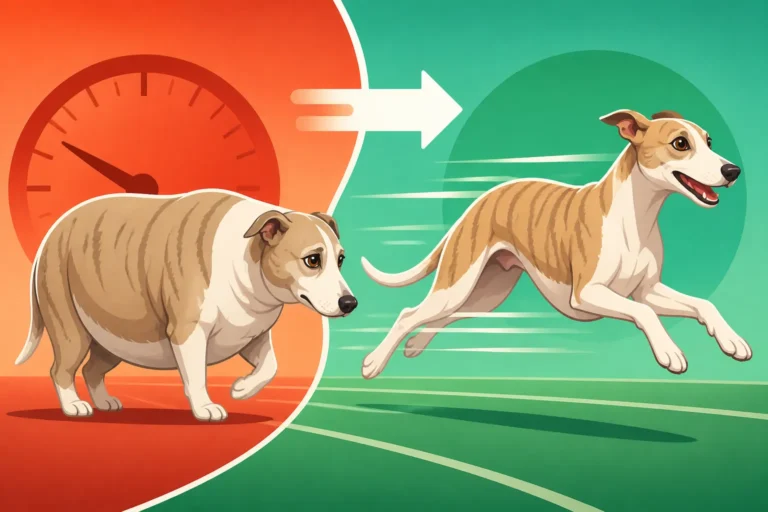
Racing Whippets are built for incredible, short bursts of speed. Their muscles are primed for anaerobic activity, meaning they generate a lot of power very quickly without relying heavily on oxygen for sustained periods. This type of explosive exertion depletes muscle glycogen stores rapidly. Imagine a drag racer burning through fuel in seconds – that's your Whippet on the track. This intense, high-output effort means their body needs readily available, easily convertible energy sources before and during the short window of their sprint.
A pet Whippet, on the other hand, might enjoy a good run in a fenced yard, but they're not typically pushing their bodies to the absolute physiological limit multiple times a week. Their energy needs are more aligned with daily maintenance and moderate activity, where carbohydrates provide a steady fuel source and fats offer longer-term energy. For the racer, the sheer intensity means every calorie counts, and the type of calorie becomes paramount for peak performance and preventing early fatigue.
Recovery and Muscle Repair
The aftermath of an intense race isn't just about catching breath; it's a critical period for the Whippet's body. These powerful sprints cause microscopic tears in muscle fibers, which is a normal part of strenuous exercise. For the body to get stronger and recover, these fibers need to be repaired and rebuilt. This process is energy-intensive and requires specific nutritional building blocks. Without adequate support, recovery can be delayed, leading to fatigue, reduced performance in subsequent races, and potentially even injury.
Beyond muscle repair, racing also puts stress on joints, tendons, and ligaments. The rapid acceleration, sharp turns, and sudden stops are incredible feats of athleticism, but they take a toll. A racing Whippet's diet, therefore, isn't just about what fuels the sprint, but also what supports the entire musculoskeletal system through the rigors of competition and training. This is where a slightly more specialized approach to their nutrition can really make a difference, helping them bounce back quickly and stay in top condition for their next race. It's about proactive care through food, rather than simply reactive feeding.
Nutritional Adjustments for the Athletic Whippet
While the core principles of feeding a Whippet remain the same – a high-quality, balanced diet – a racing Whippet will definitely benefit from some targeted adjustments to their macronutrient ratios and overall caloric intake. It's not about feeding them entirely different food, but rather tweaking the percentages to match their extreme athletic lifestyle.
Protein: The Building Block for Muscle
For any athletic dog, protein is king. It's essential for muscle development, repair, and maintenance. Racing Whippets, with their powerful musculature, absolutely need a diet rich in high-quality animal-based protein sources. We're talking about lean meats like chicken, turkey, beef, and fish. When a Whippet sprints, their muscles undergo stress, and protein helps to repair those tiny tears, allowing the muscles to grow back stronger. A diet with a higher protein percentage—often in the range of 28-35% or even higher for active periods—can support this constant rebuilding process.
Think of protein as the bricks for building a house; you wouldn't skimp on quality bricks for a structure that needs to withstand a lot of force. Similarly, a racing Whippet needs ample, easily digestible protein to ensure efficient muscle recovery and prevent muscle loss. This isn't just about raw quantity; the quality and bioavailability of the protein source are equally important. Good quality protein means more of it can be utilized by the body. This is a key area where a dedicated performance formula dog food might differ from a standard adult maintenance formula, focusing on muscle support. Whether a Racing Whippet Needs More Calories is closely tied to how much protein they can effectively utilize for those calories.
Fats: Fueling the Sprint
While carbohydrates get a lot of attention for quick energy, fats are a super-efficient, concentrated energy source crucial for endurance and sustained power during a race, even a short one. Healthy fats also play a vital role in overall health, including skin and coat condition (important for a thin-skinned Whippet), and supporting organ function. For a racing Whippet, a diet with a moderate to high fat content (often 18-25%) provides a dense source of calories without adding unnecessary bulk that could slow them down. These fats are slowly digested, offering a steady supply of energy that can help prevent premature fatigue.
Look for diets that include sources like chicken fat, salmon oil, flaxseed, or other healthy animal and plant-based fats. Omega-3 fatty acids, often found in fish oils, are particularly beneficial for their anti-inflammatory properties, which can aid in recovery and joint health after intense exercise. Some owners might consider adding a fish oil supplement to their Whippet's diet, especially if their base food isn't rich in these important fats. You can often find high-quality omega-3 supplements on platforms like Chewy or Amazon. Remember, fat provides more than twice the calories per gram compared to protein or carbohydrates, making it an indispensable part of an athletic Whippet's diet without increasing the sheer volume of food.
Carbohydrates: Quick Energy and Replenishment
Carbohydrates are the body's preferred source of quick energy, and they are critical for a racing Whippet. These are the fuel that powers those explosive sprints. During intense, short bursts of activity, muscles rely heavily on glycogen, which is essentially stored carbohydrate. A diet with an appropriate level of digestible carbohydrates ensures that these glycogen stores are topped up and ready for action. Without sufficient carbohydrates, a Whippet might "hit the wall" sooner, losing their characteristic burst of speed.
The type of carbohydrate matters too. Complex carbohydrates, like sweet potatoes, brown rice, or oats, provide a sustained release of energy and contribute to overall gut health through fiber. Simple carbohydrates might offer a faster energy spike but aren't ideal for the majority of the diet. For a racing Whippet, ensuring adequate carbs helps with both pre-race fueling and post-race glycogen replenishment. This is particularly important for dogs competing in multiple events over a weekend. Monitoring How Much a Whippet Should Eat will help balance these macronutrients correctly to maintain their ideal racing weight and energy levels.
Beyond Macros: Micronutrients and Meal Timing
While getting the right balance of protein, fats, and carbohydrates is crucial, the smaller details of a racing Whippet's diet—micronutrients and meal timing—can truly elevate their performance and well-being. These aren't just minor considerations; they're essential elements that support the intricate biochemical processes of an athletic body.
Vitamins, Minerals, and Antioxidants
A diet rich in a full spectrum of vitamins and minerals is non-negotiable for any dog, but it's especially vital for an athlete. Vitamins like B-complex are key for energy metabolism, helping convert food into usable energy. Minerals such as calcium and phosphorus are crucial for strong bones, while electrolytes like potassium and sodium are vital for nerve and muscle function, and for maintaining proper hydration. The intense physical demands of racing can deplete these micronutrients faster, making consistent replenishment essential.
Antioxidants, found in abundance in colorful fruits and vegetables (even small amounts can be beneficial as toppers or treats), play a particularly important role. Intense exercise generates more free radicals in the body, which can cause cellular damage. Antioxidants help neutralize these free radicals, supporting faster recovery and reducing oxidative stress. Think of them as tiny bodyguards protecting your Whippet's cells. While a high-quality complete dog food usually provides these, some performance diets might boost certain levels, or owners might consider adding specific supplements if recommended by a vet, especially for Whether a Whippet Needs Electrolytes After Running or if they're particularly susceptible to muscle soreness.
The Importance of Hydration
It cannot be stressed enough: hydration is absolutely paramount for a racing Whippet. Dehydration, even mild, can severely impair performance, delay recovery, and pose serious health risks. A Whippet pushes its body to the limit during a race, leading to increased fluid loss through panting and sweating (though dogs don't sweat like humans, they do lose some through their paw pads). Ensuring constant access to fresh water is a given, but for a racing Whippet, you might need to be more proactive.
Consider offering water frequently, even during short breaks in training or competition. Some dogs are picky about drinking on the go, so you might need to make water more appealing, perhaps by adding a tiny splash of low-sodium broth or bringing water from home that they are used to. Specialized travel bowls are also a lifesaver for race days. On hot days, or after particularly strenuous activity, a vet might recommend an electrolyte supplement, but always consult with a professional first. Proper hydration supports every bodily function, from nutrient transport to thermoregulation, making it the bedrock of an athlete's health.
Strategic Meal Scheduling
When you feed your racing Whippet can be almost as important as what you feed them. Strategic meal timing helps ensure that energy is available when needed and that the body has ample time to digest and absorb nutrients for recovery without impeding performance. You wouldn't want to feed a huge meal right before a race, as digestion diverts blood flow from the muscles, potentially causing discomfort or slowing them down.
Generally, smaller, more frequent meals can be beneficial for athletic dogs, though How Many Meals a Day a Whippet Needs can vary. For race days, a main meal should typically be given several hours before the event (e.g., 4-6 hours), allowing for digestion. A small, easily digestible snack rich in simple carbohydrates might be given an hour or so before the race for a quick energy boost, but this should be tested during training. Post-race, a recovery meal or snack rich in protein and carbohydrates should be offered relatively quickly to begin replenishing glycogen stores and kickstart muscle repair. This window, often within 30-60 minutes after intense exercise, is crucial for optimal recovery. If your Whippet tends to gulp down food, a slow feeder bowl, available from retailers like Chewy or Amazon, might be helpful to prevent them from eating too quickly, especially when they're excited after an event.
| Nutritional Aspect | Pet Whippet Diet (Maintenance) | Racing Whippet Diet (Performance) |
|---|---|---|
| Protein % | Moderate (22-26%) | Higher (28-35%+) – for muscle repair and maintenance |
| Fat % | Moderate (12-16%) | Moderate to High (18-25%) – for concentrated energy |
| Carbohydrate % | Moderate to High (40-55%) | Moderate (30-45%) – for quick energy & glycogen replenishment |
| Calorie Intake | Standard for size/activity (e.g., 800-1000 kcal/day) | Significantly higher (e.g., 1200-1800+ kcal/day, highly variable) |
| Meal Timing | 1-2 meals/day, flexible | 2-3 smaller meals/day; strategic pre/post-exercise feeding |
| Hydration | Constant water access | Constant water access + proactive offering, potentially electrolytes |
| Supplements | Usually not necessary | Omega-3s, joint support, antioxidants, electrolytes (vet guided) |
| Focus | General health, weight management | Peak performance, rapid recovery, injury prevention |
Common Pitfalls and Misconceptions
When you're trying to do the best for your racing Whippet, it's easy to fall into certain traps or believe common myths about canine athletic nutrition. The desire to maximize performance can sometimes lead to decisions that are actually detrimental to your dog's health and competitive edge.
Over-Supplementation Risks
One of the biggest misconceptions is that if a little is good, a lot must be better. This often leads to over-supplementation. Owners might add multiple different supplements – joint support, extra vitamins, performance boosters, Whether a Whippet Needs Fish Oil, Whether a Whippet Needs Joint Supplements, Whether a Whippet Needs a Probiotic – without fully understanding if their dog needs them or how they interact. The truth is, a high-quality, balanced performance dog food is already formulated to meet the elevated nutritional needs of active dogs, often including ingredients like glucosamine, chondroitin, and antioxidants. Adding too many extras can throw off the delicate balance of nutrients, potentially leading to toxicities (especially with fat-soluble vitamins) or creating nutrient imbalances that can hinder absorption of other vital elements.
For instance, excessive calcium can lead to skeletal issues, and too much of certain vitamins can cause liver or kidney strain. Before adding any supplement, it's crucial to consult with your veterinarian or a canine nutritionist. They can assess your Whippet's existing diet, activity level, and any specific health concerns to determine if there's a genuine deficiency or a performance gap that a supplement could safely address. Don't just blindly follow trends or marketing claims; a personalized, evidence-based approach is always best.
The "More is Better" Trap
Another common pitfall is the belief that simply feeding more food or higher percentages of certain macronutrients will automatically lead to better performance. While racing Whippets do need significantly more calories than their pet counterparts, simply increasing the volume of a standard pet food might not provide the right balance of performance-specific nutrients. Conversely, overfeeding the right food can lead to unwanted weight gain, which is detrimental to a Whippet's speed and agility. An overweight Whippet is not a faster Whippet; in fact, extra weight puts undue strain on their joints and cardiovascular system.
The goal isn't just "more food," but more efficient food. This means a diet concentrated in the right types of calories – high-quality protein and healthy fats – to meet energy demands without overfilling the stomach or leading to excess weight. It's about optimizing the nutrient density, not just the sheer quantity. Pay close attention to your Whippet's body condition score; you should be able to easily feel their ribs, but they shouldn't look bony. Regular weight checks are also essential to ensure you're striking the perfect balance. If you're looking for specialized performance foods, brands like Ollie often have carefully formulated recipes that cater to higher energy needs, but always check their specific nutritional profiles against your Whippet's requirements.
Ignoring Individual Needs
Every Whippet is an individual, even within the same litter or training group. Factors like age, metabolism, specific health conditions, intensity and frequency of racing, and even environmental temperatures can influence their dietary needs. A young Whippet still growing might have slightly different requirements than a seasoned veteran. A Whippet prone to a sensitive stomach, for example, might not tolerate a sudden switch to a very rich, high-fat performance diet. Whether a Whippet Has a Sensitive Stomach is a real concern for many owners.
Ignoring these individual variations and applying a one-size-fits-all approach is a significant mistake. Some Whippets might thrive on a particular protein source, while others might do better with a different one. Some may need more fiber to maintain healthy digestion. Closely observe your Whippet's energy levels, coat condition, stool quality, and overall demeanor to gauge how well their diet is working. Keep detailed records of their performance and recovery, and make gradual adjustments based on what you observe and what your vet advises. A truly optimized diet for a racing Whippet is a personalized one, constantly refined to meet their evolving needs and help them maintain peak physical condition throughout their racing career and into their later years.
Disclaimer
This article is for general informational purposes only and does not constitute professional advice. Laws, prices and regulations vary by location and change over time. Consult a qualified professional for guidance on your specific situation.