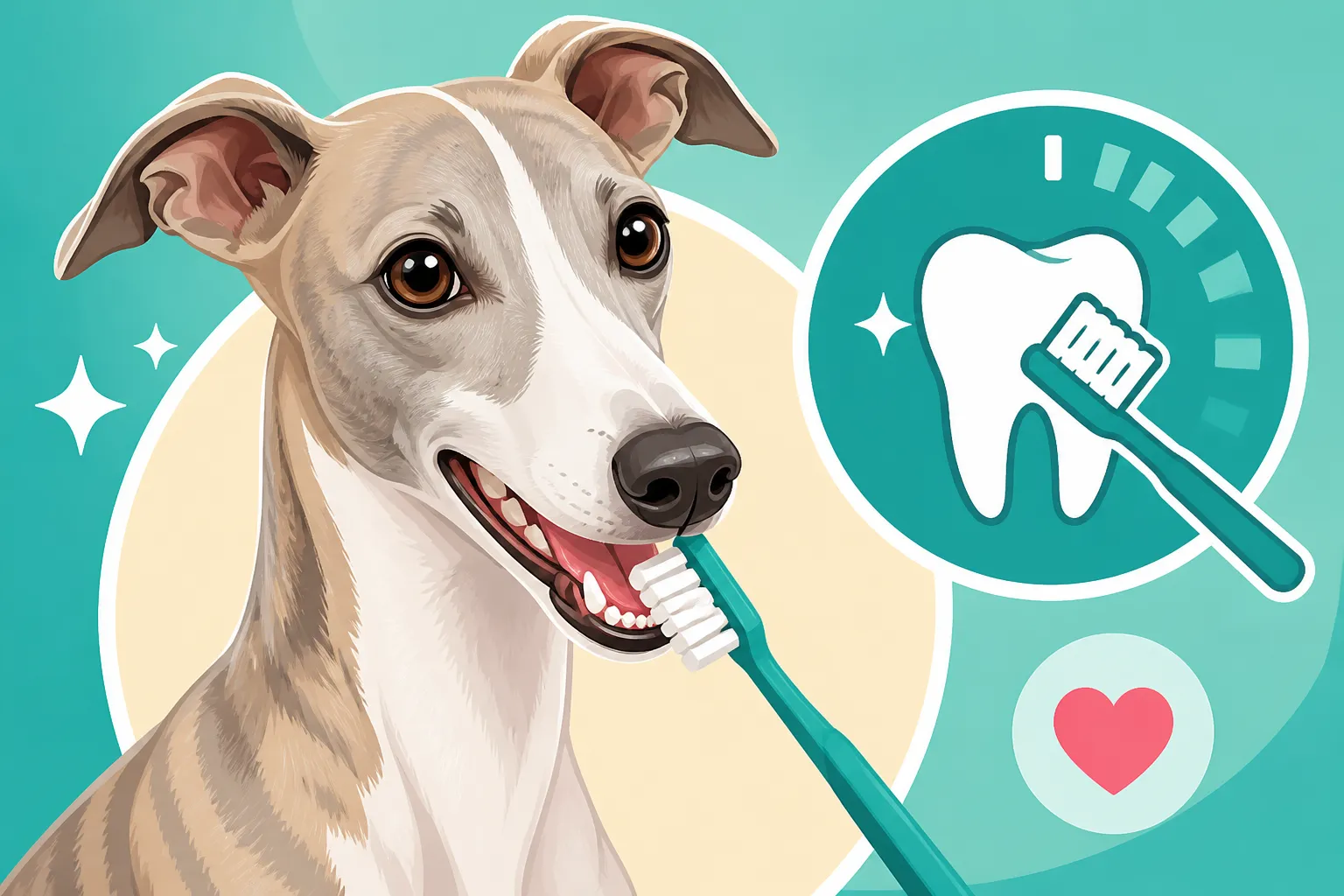
How Often a Whippet’s Teeth Need Brushing
If you're a Whippet owner, you've probably noticed how dainty and elegant their mouths are. But don't let those delicate features fool you – dental disease is a silent, pervasive problem that can seriously impact your Whippet's health, and keeping those pearly whites clean often feels like an uphill battle. This guide is here to walk you through how often you should be brushing your Whippet's teeth, why it's so important, and realistic strategies to make it a manageable part of your routine.
Why Whippets Are Especially Vulnerable to Dental Disease
It’s easy to look at our sleek, athletic Whippets and think they’re robust and healthy, overlooking the small, quiet battles their bodies might be fighting. Dental disease often falls into this category. Many owners are surprised to learn that sighthounds, including Whippets, are particularly susceptible to oral health issues. This isn't just about bad breath; it's about the very structure of their mouths and the rapid progression of plaque and tartar.
The Unique Oral Anatomy of a Sighthound
Think about a Whippet's head – long, elegant, and refined. Their narrow muzzles, while beautiful, often mean their teeth are set more closely together than in breeds with broader, shorter snouts. This crowding creates tiny crevices and overlaps where food particles and bacteria can easily get trapped. These hidden spots become perfect breeding grounds for plaque, and because they're hard to reach, they're often missed by any natural chewing action your Whippet might do. Unlike some breeds that love to chew on hard toys or bones, naturally scraping off some plaque, many Whippets aren't as enthusiastic or effective at this "self-cleaning" mechanism.
The very shape of their jaw can also contribute to less efficient saliva flow around certain teeth, which is a natural defense against bacteria. Saliva helps wash away food debris and contains enzymes that can fight bacteria. When this mechanism is less effective, plaque builds up faster. It's not just a minor inconvenience; it's a structural predisposition that means we, as their guardians, need to be extra diligent. For a deeper dive into these anatomical considerations, you might find Whether a Whippet's Narrow Jaw Crowds Its Teeth to be an illuminating read.
Understanding Plaque, Tartar, and the Progression of Disease
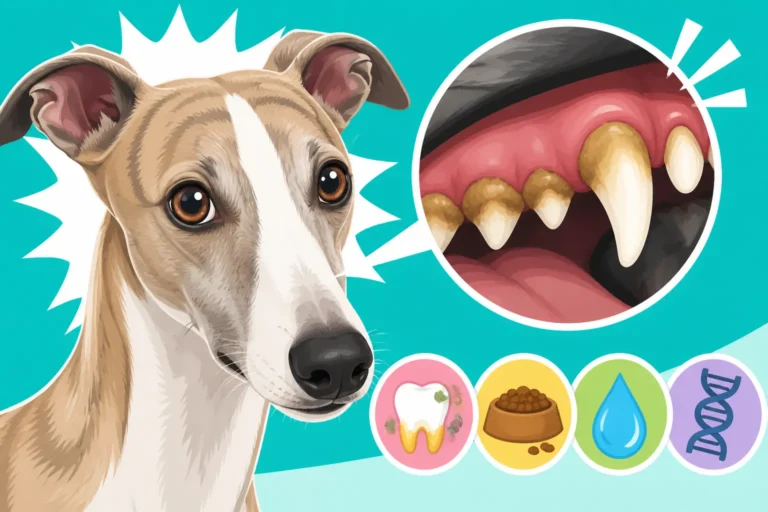
So, what exactly are we fighting when we talk about dental disease? It all starts with plaque. Plaque is a sticky, colorless film of bacteria, food particles, and saliva that constantly forms on your Whippet's teeth. Within just a few hours of eating, this film begins to accumulate. If it's not removed, something critical happens: within 24 to 48 hours, this soft plaque begins to harden into tartar (also known as calculus). And once it's tartar, brushing alone often isn't enough to remove it – it typically requires professional dental scaling.
This hardened tartar creates a rough surface where even more plaque can adhere, accelerating the process. The tartar irritates the gum line, leading to gingivitis, which is inflammation of the gums. You might notice redness, swelling, or even slight bleeding when your Whippet chews. If left untreated, gingivitis progresses to periodontitis. This is where the real trouble begins. Periodontitis involves the destruction of the tissues supporting the teeth, including the bone. It's painful, leads to loose teeth, and eventually, tooth loss. But it's not just a local problem; the bacteria from chronic oral inflammation can enter your Whippet's bloodstream and travel to vital organs, impacting the heart, kidneys, and liver. It’s a silent, insidious disease that often goes unnoticed until it's quite advanced, leaving many owners feeling frustrated and guilty. Understanding Why a Whippet Builds Tartar Fast can further highlight the urgency of consistent care.
The Ideal Brushing Regimen: Aiming for Daily Dental Care
The thought of brushing your dog's teeth daily might sound like a task reserved for only the most dedicated (or perhaps slightly obsessive) pet parents. But when it comes to your Whippet's oral health, "daily" truly is the gold standard. It might feel like a lot to take on, but understanding why it's so important can motivate you to integrate it into your routine, even if it's just a quick sweep most days.
The Twenty-Four Hour Cycle of Plaque Formation
As we touched on earlier, plaque begins to form on your Whippet's teeth almost immediately after they eat. Crucially, this soft, easily removable plaque starts to mineralize and harden into tartar within 24 to 48 hours. Once it becomes tartar, you can brush all you want, but it's not going anywhere. Only a professional veterinary cleaning under anesthesia can effectively remove it.
This rapid hardening is precisely why daily brushing is so critical. By brushing every day, you're consistently disrupting and removing the plaque before it has a chance to turn into stubborn tartar. It's a proactive approach that prevents the cascade of problems leading to gingivitis and periodontal disease. Think of it like this: would you go days without brushing your own teeth? Probably not, because you understand how quickly that fuzzy feeling and buildup occurs. The same principle applies to your Whippet. Missing a day isn't the end of the world, but consistent daily effort makes a massive difference in preventing long-term damage and discomfort for your sensitive sighthound. This vigilance is key, as Teeth Are the Whippet Problem That Sneaks Up often when you least expect it.
Establishing a Positive and Consistent Brushing Routine
Getting into a daily brushing habit with your Whippet doesn't have to be a battle. The key is consistency and making it a positive experience for both of you. Start slowly and gently, especially if your Whippet isn't used to having their mouth handled. Begin by simply rubbing your finger along their gums with a little pet-safe toothpaste (never human toothpaste!). Once they're comfortable with that, introduce a finger brush, and eventually a proper dog toothbrush.
Keep the sessions short – even 30 seconds to a minute of effective brushing is far better than nothing. Focus on the outer surfaces of the teeth, especially the canine teeth and the large molars in the back, as these tend to accumulate the most plaque. Lift their lip gently and brush in small circles, paying attention to the gumline. Always follow up with praise, a small treat, or a favorite toy. Make it a game, a special bonding moment, rather than a chore. Consistency doesn't mean perfection; it means showing up every day, even if some days are less thorough than others. Fitting it into a routine, like after their last potty break at night or right before a favorite meal, can help cement the habit.
Practical Strategies for Whippet Oral Hygiene Beyond Daily Brushing
We all live busy lives, and sometimes, despite our best intentions, daily tooth brushing for our Whippets might not happen every single day. The important thing is not to give up entirely. While daily is the ideal, there are still many effective ways to support your Whippet's oral health and prevent serious issues, even if your routine isn't always picture-perfect.
When Daily Brushing Isn't Feasible: The "Good Enough" Approach
Let's be realistic: life gets in the way. There will be days when you're rushing out the door, or your Whippet just isn't in the mood, or you simply forget. Don't let perfect be the enemy of good. If daily brushing isn't sustainable for you, aim for a consistent routine of at least three to four times a week, or every other day. Even this frequency can significantly reduce plaque buildup compared to doing nothing at all.
The "good enough" approach means focusing your efforts where they'll have the most impact. Concentrate on the outer surfaces of the teeth, especially the back molars and the upper canines, where plaque and tartar tend to accumulate most rapidly. These are also the easiest areas to reach. If you can only manage a quick 30-second brush, make those 30 seconds count in the most problematic areas. The cumulative benefit of regular, even if not daily, mechanical abrasion on the teeth is immense. It's about reducing the overall bacterial load in the mouth and giving your Whippet's gums a gentle massage. Schedule it like an appointment – perhaps every Monday, Wednesday, Friday, and Sunday evening. This makes it a habit rather than a sporadic effort, which is crucial for fighting Why a Whippet Builds Tartar Fast.
Exploring Supplementary Dental Products and Their Efficacy
Beyond brushing, there's a whole world of products designed to help support your Whippet's oral hygiene. These should generally be seen as supplements to brushing, not replacements, but they can definitely give you an edge in the battle against plaque and tartar.
One of the most popular options is dental chews. Not all dental chews are created equal, however. Look for products that have been awarded the Veterinary Oral Health Council (VOHC) seal. This means they've met certain scientific standards for reducing plaque and/or tartar. VOHC-approved chews come in various sizes and textures, designed to mechanically scrape the teeth as your Whippet chews. You can find a wide variety of these reputable dental chews from trusted online retailers like Chewy, which often provides detailed product descriptions and customer reviews to help you choose wisely. Just be sure to supervise your Whippet, especially with new chews, to ensure they chew safely and don't try to swallow large pieces.
Water additives are another option. These typically contain ingredients like zinc, chlorhexidine, or enzymes that help reduce bacteria in the mouth or break down plaque. You simply add a small amount to your Whippet's drinking water daily. While they're generally easy to use, their effectiveness can vary, and some dogs might notice a slight change in taste.
Dental wipes or oral rinses can be helpful for quick clean-ups between brushings or for Whippets who absolutely refuse a toothbrush. Wipes allow you to physically rub plaque off the tooth surface, while rinses can help kill bacteria. They're definitely "better than nothing" for maintaining freshness and reducing some bacterial load.
Finally, some specialized dental diets are formulated with a unique kibble design that mechanically scrubs the teeth as your dog eats, or they contain ingredients that reduce plaque formation. These are often prescription diets and can be very effective, especially for Whippets already prone to significant dental issues. While companies like Ollie focus on fresh, high-quality ingredients for overall health, which indirectly supports a healthier body including the mouth, specific dental diets are formulated with direct plaque control in mind. For many everyday dental care products, from toothbrushes and toothpaste to water additives and a range of VOHC-approved chews, you'll find a vast selection readily available on platforms like Amazon. Integrating these into your routine can create a multi-pronged attack against dental disease, offering significant benefits even if your brushing isn't daily.
| Dental Care Method | Primary Action | Ideal Frequency | Pros | Cons |
|---|---|---|---|---|
| Tooth Brushing | Mechanical removal of plaque | Daily | Most effective; prevents tartar formation | Requires training & cooperation; can be time-consuming |
| VOHC-Approved Dental Chews | Mechanical abrasion & chemical plaque control | Daily (or as directed) | Reduces plaque/tartar; enjoyable for dog; readily available | Not all chews are effective; calorie count; supervision needed |
| Water Additives | Chemical reduction of oral bacteria | Daily | Easy to use; passive; improves breath | Variable efficacy; taste might be an issue for some dogs; no mechanical action |
| Dental Wipes/Sprays | Topical chemical & light mechanical removal | Daily/Several times a week | Quick & easy; good for resistant dogs; improves breath | Less thorough than brushing; not always VOHC-approved |
| Prescription Dental Diets | Mechanical kibble action & anti-plaque ingredients | Every meal | Continuous action; easy integration; often very effective | Can be costly; may not suit all dietary needs; veterinary prescription |
Recognizing and Addressing Dental Disease in Your Whippet
Even with the best intentions and a consistent home care routine, dental disease can sometimes creep up on our Whippets. Their stoic nature means they often hide pain, making it difficult for us to know when something is truly amiss. Learning to recognize the subtle and not-so-subtle signs of dental trouble is crucial for getting them the professional help they need before problems become severe.
Common Symptoms and Red Flags
The first and most common sign of dental disease that most owners notice is bad breath, or halitosis. It's not just "dog breath" – truly foul, persistent odor is a strong indicator of bacterial buildup and infection in the mouth. If your Whippet's breath could knock a buzzard off a outhouse, it's time to investigate. Whether a Whippet's Bad Breath Means Dental Disease often comes down to this tell-tale sign.
Beyond the smell, here are other red flags to watch for:
- Discolored Teeth: Yellow, brown, or green stains on the teeth are signs of plaque and tartar accumulation.
- Red, Swollen, or Bleeding Gums: Healthy gums are pale pink. Red, puffy, or inflamed gums (gingivitis) indicate bacterial irritation. You might even notice a thin line of blood on a chew toy.
- Receding Gums: If you see more of the tooth root than you used to, it means the gums are pulling away, exposing sensitive areas and indicating advanced periodontal disease. Receding Gums in a Whippet is a serious sign.
- Loose or Missing Teeth: This is a clear sign of severe periodontal disease and bone loss. While Whippets can start losing teeth young due to dental disease, this is not normal.
- Pawing at the Mouth or Rubbing the Face: Your Whippet might be trying to relieve discomfort.
- Difficulty Eating or Dropping Food: They might avoid hard kibble, prefer softer foods, or drop food repeatedly as if it hurts to chew.
- Changes in Chewing Habits: Chewing on one side of the mouth, reluctance to chew on favorite toys, or unusual drooling can all be indicators of pain.
- Visible Swelling or Lumps: Abscesses can form around infected tooth roots, causing swelling under the eye or along the jawline.
Any of these signs warrant a call to your veterinarian. Early intervention can make a huge difference in managing dental disease and preserving your Whippet's oral health.
The Critical Role of Veterinary Dental Cleanings
While home care is essential for prevention, sometimes professional help is unavoidable. Veterinary dental cleanings are not just about aesthetics; they are medical procedures performed under anesthesia to thoroughly assess, clean, and treat your Whippet's entire mouth. Your vet can see what you can't – beneath the gumline.
During a professional cleaning, your Whippet will be put under general anesthesia. This allows the veterinarian to:
- Perform a thorough oral exam: Probing for pockets under the gumline, checking for loose teeth, fractures, and other abnormalities.
- Scale the teeth: Using ultrasonic and hand scalers to remove all plaque and tartar, both above and below the gumline. This subgingival (below the gumline) cleaning is critical for treating periodontal disease and something you simply cannot do at home.
- Polish the teeth: After scaling, the teeth are polished to smooth out any microscopic etches left by the scaling tools, which helps to prevent plaque from re-adhering quickly.
- Take dental X-rays: This is perhaps one of the most important parts. Dental X-rays reveal problems lurking below the gumline that aren't visible to the naked eye, such as bone loss, root abscesses, and unerupted teeth. Often, the problems below the surface are far worse than what you can see.
- Extract diseased teeth: If teeth are severely diseased or painful, extractions may be necessary to alleviate pain and prevent the spread of infection.
Many Whippet owners understandably worry about anesthesia, especially given that sighthounds can have unique physiological responses. It's true that Whether a Whippet's Dental Needs Sighthound Anesthesia is a valid concern, and a vet experienced with sighthounds will take extra precautions. However, the risks of untreated dental disease, including chronic pain and systemic infection, often far outweigh the carefully managed risks of modern anesthesia. Your vet will perform pre-anesthetic bloodwork and tailor the anesthetic protocol to your individual Whippet's needs.
So, how often should your Whippet have a professional dental cleaning? It varies. Some Whippets might need one every year, while others with excellent home care might go longer. Your vet will assess your Whippet's oral health and recommend a schedule. If you're wondering Whether a Whippet Needs Yearly Dental Cleaning, your vet is the best resource, and you should also be prepared for What a Whippet's Dental Cleaning Costs as it can be a significant expense, though one that prevents even greater costs and suffering down the line.
Training Your Whippet for a Lifetime of Happy Brushing
The idea of tackling your Whippet's teeth can feel like trying to herd cats – impossible! But with patience, positive reinforcement, and the right tools, you can absolutely train your Whippet to not just tolerate, but even enjoy, their regular tooth brushing sessions. Starting early and making it a positive experience are the cornerstones of success.
Starting Early and Making It Positive
If you have a Whippet puppy, you're in an excellent position to lay the groundwork for a lifetime of good oral hygiene. Just like you'd introduce them to baths or nail trims, getting them comfortable with mouth handling early on is key. Start by simply touching their muzzle gently, then gradually lift their lip for a second or two, always pairing it with lavish praise and a tiny, delicious treat. Do this several times a day for short bursts. The goal is to create a positive association, teaching them that having their mouth touched leads to good things.
Once they're comfortable with that, introduce your finger with a tiny dab of pet-safe, flavored toothpaste (chicken or beef flavor is usually a big hit!). Gently rub your finger over a few teeth and gums. Again, keep it super short, positive, and follow with a treat. Slowly build up the duration and the number of teeth you touch. This desensitization process is crucial. Never force it, as a negative experience can set you back significantly. Think of it as a game, a special bonding ritual. For general advice on raising a young Whippet, The First Year With a Whippet Puppy offers many insights that can be applied to dental training too. Patience is truly a virtue here.
Essential Tools: Choosing the Right Brush and Toothpaste
Having the right tools makes a world of difference. You wouldn't use a scouring pad on your own teeth, and your Whippet deserves the right equipment too!
Toothbrush:
- Finger brushes: These are great for starting out, especially with puppies or sensitive adult Whippets. They slip over your finger, offering a gentle feel and good control. They can also be fantastic for reaching those back teeth.
- Pet-specific toothbrushes: These usually have smaller heads and softer bristles than human toothbrushes, designed to fit comfortably in a dog's mouth. Some have angled heads or multiple brushes to clean several surfaces at once.
- Child-sized toothbrushes: If you can't find a suitable pet brush, a very soft child's toothbrush can work in a pinch, but ensure the head is small enough for your Whippet's slender muzzle.
Toothpaste:
- Always use pet-safe enzymatic toothpaste. This is non-negotiable! Human toothpaste contains fluoride, xylitol, and detergents that are toxic to dogs if swallowed. Pet toothpaste is specifically formulated to be swallowed safely and often contains enzymes that help break down plaque.
- Flavor is your friend. Most pet toothpastes come in appealing flavors like poultry, beef, or even peanut butter. Experiment to find one your Whippet loves. This makes the experience much more enjoyable for them and easier for you.
You can often find a good selection of pet toothbrushes and flavored enzymatic toothpastes from online pet supply stores like Chewy or Amazon. Remember to replace your Whippet's toothbrush every few months, or sooner if the bristles become frayed, just like you would your own. Proper tools, combined with positive reinforcement, will set your Whippet up for a lifetime of better oral health.
The Broader Health Implications of Neglected Oral Health
It’s easy to think of dental disease as just a problem in the mouth—bad breath, maybe a missing tooth. But the reality is far more serious. For a Whippet, whose overall health is intertwined with every system in their body, neglected oral health can have profound and devastating systemic consequences. It's not just about a sore tooth; it's about potentially shortening their lifespan and significantly impacting their quality of life.
Beyond Gum Disease: Systemic Effects on Vital Organs
When your Whippet has periodontal disease, their mouth becomes a breeding ground for bacteria. These bacteria don't stay confined to the oral cavity. The inflamed, bleeding gums provide an easy entry point for these microbes directly into your Whippet's bloodstream. Once in the bloodstream, they can travel throughout the body and settle in various organs, causing secondary infections and chronic inflammation.
The organs most commonly affected are the heart, kidneys, and liver.
- Heart: Bacteria from the mouth can travel to the heart and cause inflammation of the heart valves, a condition called endocarditis. This can weaken the heart and contribute to serious cardiac conditions, which is especially concerning for a breed like the Whippet, where heart health is already a significant topic of discussion. Knowing that Mitral Valve Disease Is What Ends Most Old Whippets, it becomes even more crucial to manage all factors that could contribute to heart strain, including chronic inflammation from dental disease.
- Kidneys: The kidneys are responsible for filtering waste from the blood. When constantly bombarded with bacteria from oral infections, they can become inflamed and damaged, potentially leading to chronic kidney disease.
- Liver: The liver, another vital organ for detoxification, can also suffer from the ongoing bacterial load and inflammatory response originating in the mouth.
This systemic inflammation puts a constant strain on your Whippet's immune system and organs. It's a low-grade, simmering infection that can silently erode their health over months and years, often without obvious symptoms until the damage is significant. Regular dental care isn't just about preventing toothaches; it's about protecting their most vital internal systems.
Quality of Life, Pain, and the Cost-Benefit of Prevention
Imagine living with a constant toothache, sensitive gums, or an infected tooth. You’d likely be miserable, unable to eat properly, struggling to sleep, and generally feeling unwell. Your Whippet experiences the same pain and discomfort, but often suffers in silence. They might become less playful, reluctant to eat their favorite crunchy treats, or just generally seem "off." This chronic pain significantly diminishes their quality of life, making their golden years less enjoyable. For an older Whippet, who might already be feeling the cold more or dealing with other age-related issues, severe dental pain is an unnecessary burden. You can read more about overall senior care in Caring for an Old Whippet That Feels the Cold.
Beyond the suffering, there's a significant financial aspect to consider. Preventative care, like consistent home brushing and regular professional cleanings, is an investment that pays dividends. While a yearly dental cleaning under anesthesia can be an expense, it pales in comparison to the cost of treating advanced periodontal disease. Severe infections often require multiple extractions, which can be complex and costly. If systemic diseases like heart or kidney failure develop due to dental bacteria, the treatments for those conditions are ongoing, expensive, and emotionally taxing. For many Whippets, dental disease is a major factor in The Age a Whippet Starts Losing Teeth, and addressing it early can make a profound difference.
Making brushing a routine, or at least incorporating strong supplementary measures, isn't just about saving money on future vet bills; it's about investing in your Whippet's comfort, longevity, and overall happiness.
Disclaimer
This article is for general informational purposes only and does not constitute professional advice. Laws, prices and regulations vary by location and change over time. Consult a qualified professional for guidance on your specific situation.