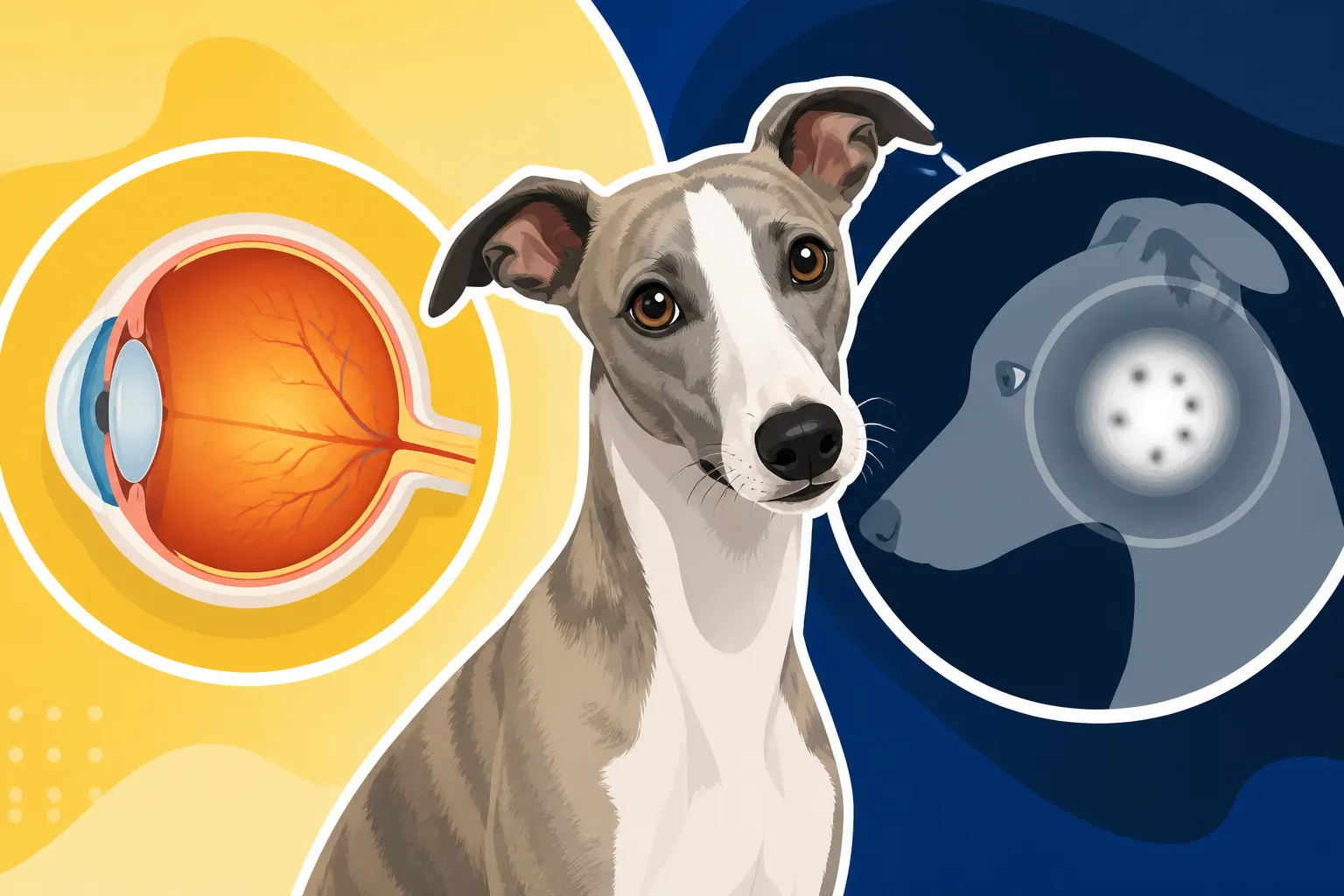
Whether a Whippet Goes Blind From Progressive Retinal Atrophy
It’s a heartbreaking thought for any dog owner: picturing your beloved Whippet losing their sight, bumping into furniture, and no longer being able to chase a lure or spot a squirrel in the distance. When you hear terms like "Progressive Retinal Atrophy," or PRA, it can send a shiver down your spine, leaving you wondering if your lean, agile companion is destined for blindness. This guide is here to walk you through what PRA truly means for your Whippet, how it progresses, and what you can do to ensure they live a full, happy life, even if their vision diminishes.
Understanding Progressive Retinal Atrophy in Whippets
Progressive Retinal Atrophy (PRA) isn't just one condition; it's a blanket term for a group of inherited degenerative diseases that affect the retina, the light-sensitive tissue at the back of the eye. For us Whippet owners, the fear of our active, sight-dependent dogs losing their most vital sense is immense. It's not just about bumping into things; it's about potentially losing the joy of their effortless sprints and keen observation. The reality is, while PRA does lead to blindness, understanding the specific type affecting Whippets and its typical progression can help immensely in preparing and managing expectations.
What PRA Actually Means for Your Whippet's Vision
Think of your Whippet's retina like the film in an old-fashioned camera. It's responsible for capturing light and sending those signals to the brain to create an image. In dogs with PRA, the photoreceptor cells in the retina—the rods and cones—gradually deteriorate. The rods, which are responsible for night vision and detecting movement, are usually affected first. This means one of the earliest signs you might notice is your Whippet becoming more hesitant or clumsy in dimly lit environments or at dusk. They might start bumping into objects they usually navigate easily, or seem more startled by sudden movements in low light.
As the disease progresses, the cone cells, which handle daytime vision and color perception, also begin to degrade. This is when total blindness becomes inevitable. It's a slow, insidious process, not usually a sudden loss of sight. The good news is that because it's a gradual change, most Whippets are remarkably adaptable. Their other senses—smell, hearing, and touch—become heightened, helping them to navigate their familiar surroundings. It’s truly incredible how resilient our dogs are when faced with such challenges. You might find that discussions around Eye Disease in a Whippet often touch on PRA as a significant concern due to its genetic nature.
The Genetic Roots of PRA in Whippets
The PRA seen in Whippets is typically an autosomal recessive genetic condition. This means a Whippet needs to inherit two copies of the defective gene—one from each parent—to develop the disease. If a Whippet inherits only one copy, they are considered a "carrier" and won't develop PRA themselves, but they can pass the gene on to their offspring. This is why responsible breeding practices are so crucial, and why prospective owners often look for breeders who conduct genetic health screenings.
The specific gene mutation linked to PRA in Whippets is often referred to as a mutation in the PRCD gene (Progressive Rod-Cone Degeneration). Genetic testing is available, which is a fantastic tool for breeders to identify carriers and affected dogs before breeding. This kind of proactive testing helps reduce the incidence of PRA in future generations. Without such testing, it's a roll of the dice, and it’s a difficult conversation to have with your vet if your beloved companion begins to show signs of vision loss later in life, knowing it could have been prevented. We always recommend breeders conduct The Health Tests Both Whippet Parents Should Have to avoid such issues.
The Progression to Blindness: What to Expect
When dealing with a condition like PRA, knowing what to expect can ease some of the anxiety, even if the outcome is ultimately the same. The journey to blindness in a Whippet with PRA is a gradual one, and it rarely happens overnight. This slow progression allows both the dog and the owner time to adjust, which is a huge benefit compared to sudden vision loss.
Early Signs and Subtle Changes
The initial signs of PRA can be incredibly subtle, easily mistaken for general clumsiness or just an odd moment. Owners often first notice their Whippet struggling in low light conditions. Perhaps they're reluctant to go out for their evening potty break, or they hesitate on stairs when the house lights are dim. They might bump into furniture they usually navigate with ease, or become more jumpy if someone approaches them silently in the dark. These are often the first indicators that their night vision is diminishing due to rod degeneration.
As the disease progresses, you might start noticing dilated pupils, especially in normal lighting conditions, as their eyes try to gather as much light as possible to compensate for the failing photoreceptors. Some owners report a reflective sheen or tapetum lucidum "glow" from their dog's eyes when light catches them, which can become more pronounced. You might also find your Whippet has difficulty judging distances, leading to missteps off curbs or hesitant jumps onto the sofa. The age these signs typically start varies, but often The Age a Whippet's PRA Shows Up is in early to mid-adulthood, around 3-5 years, though some forms can manifest earlier or later.
Navigating Life with a Visually Impaired Whippet
As a Whippet’s vision deteriorates, adapting your home environment becomes crucial. Consistency is key. Try to keep furniture in the same place. If you move things around, gently guide your Whippet to the new layout so they can map it out using their other senses. Using scent markers can also be incredibly helpful – a specific air freshener near their bed or a textured mat at the bottom of stairs can act as a navigational beacon. Gates can prevent falls down stairs, and ensuring all sharp edges are padded can prevent injuries from accidental bumps.
For walks, a long leash in a familiar, safe, fenced area is ideal. Many dogs with PRA still love their walks, but a secure environment prevents them from wandering into danger. Verbal cues become more important, and clear, consistent commands can guide them. It's amazing how quickly they learn to rely on your voice. While conditions like Cataracts in a Whippet can sometimes be treated, PRA is not currently curable, so management and support are paramount. Even with pet insurance like Healthy Paws, which can cover unexpected vet bills and specialist care, the best approach for PRA is proactive support and environmental modification.
Diagnosing and Managing PRA in Your Whippet
Receiving a diagnosis of PRA can be daunting, but it’s the first step toward effectively managing the condition and ensuring your Whippet maintains the best possible quality of life. Early detection allows for more time to adapt and implement strategies.
The Importance of Regular Eye Exams
Regular veterinary check-ups are essential for all Whippets, but specific eye examinations become vital, especially if you notice any changes in your dog's vision or behavior. A general vet might spot early indicators during a routine exam, but a definitive diagnosis of PRA usually requires a visit to a veterinary ophthalmologist. These specialists have the equipment and expertise to perform thorough eye examinations, including electroretinography (ERG), which measures the electrical responses of the retina to light. An ERG can detect retinal degeneration long before visible signs of blindness appear.
For those considering breeding, or if you're curious about your Whippet's genetic status, specialized DNA tests are available. These tests can identify if your dog is clear, a carrier, or affected by the known genetic mutations linked to PRA. This information is invaluable for breeders aiming to reduce the incidence of inherited eye diseases. Many breeders are diligent about this, and you can often check breed club databases for certifications like those from the Orthopedic Foundation for Animals (OFA) or the Canine Health Information Center (CHIC) which list Whether a Whippet Should Have a Yearly Eye Exam or general eye certifications. This thoroughness not only helps their own lines but contributes to the overall health of the breed.
Supportive Care and Environmental Adjustments
There is currently no cure or specific treatment to halt the progression of PRA. However, supportive care focuses on making your Whippet's life as comfortable and safe as possible. Antioxidant supplements, such as Vitamins C and E, beta-carotene, and omega-3 fatty acids, are sometimes recommended by vets. While they haven't been proven to stop PRA, they may help support overall retinal health and slow down secondary degenerative processes. Always discuss any supplements with your veterinarian before introducing them.
Beyond supplements, the most impactful management strategies are environmental adjustments. As mentioned earlier, maintaining a consistent home layout is paramount. Here's a quick table of helpful adaptations:
| Area of Life | Adaptation Strategy |
|---|---|
| Home Environment | Keep furniture stationary; use scent markers (e.g., essential oils on cotton balls in specific areas); use textured mats for transitions (e.g., top/bottom of stairs). |
| Safety | Install baby gates at stairs; cover sharp corners of furniture; ensure outdoor spaces are securely fenced. |
| Outdoor Walks | Use a long leash in known, safe, fenced areas; stick to familiar routes; use clear verbal cues for direction and obstacles. |
| Playtime | Use squeaky toys or toys with bells so your Whippet can locate them by sound; play scent games. |
| Socialization | Inform other dog owners that your Whippet is visually impaired; allow your dog to approach and sniff new dogs and people slowly. |
| Comfort | Provide soft, comfortable beds in familiar spots. A Whippet Needs a Heated Bed in Winter can also be a great comfort. |
Investing in good pet insurance, like Healthy Paws, can also be a huge relief, especially when specialist consultations, diagnostic tests, and ongoing supportive treatments are required. Dealing with a chronic condition is a long-term commitment, and financial support can alleviate a significant burden.
Considering Genetic Testing for Breeding Whippets
For those involved in breeding Whippets, genetic testing for PRA is an ethical imperative. Identifying carriers and affected dogs is crucial for making informed breeding decisions and preventing the spread of the gene. A responsible breeder will have proof of DNA testing for their breeding stock, and they should be transparent about their dogs' health clearances. While What an Eye Certification Costs a Whippet Breeder might seem like an added expense, it’s a small price to pay for the health and longevity of future generations. If a prospective breeder dismisses the importance of these tests, it should be a significant red flag. Choosing a puppy from health-tested parents offers a much greater peace of mind regarding inherited conditions.
Living a Full Life with PRA
It's natural to grieve the loss of your Whippet's sight, but it's important to remember that blindness does not equate to an end to their happiness or quality of life. Whippets are incredibly resilient and adapt remarkably well, especially when supported by a loving and patient family. Your role shifts from preventing to enabling, from seeing to guiding, and in that process, you might find an even deeper bond forms.
Maintaining Quality of Life and Happiness
Your Whippet’s world might shrink visually, but it expands through their other senses. Engage their incredible sense of smell with scent work games, where they use their nose to find treats or toys. Sound-based toys, like squeaky balls or those with bells inside, can still bring immense joy during playtime. Regular, predictable routines provide security and confidence. Even if your Whippet is blind, they still love their walks and the mental stimulation of exploring safe, familiar environments. A good walk engages their nose, ears, and sense of touch.
Many Whippets with PRA continue to enjoy running in securely fenced areas where they know the layout. Their memory and muscle memory are powerful tools. While they may not be able to participate in events that rely heavily on sight, such as traditional lure coursing, they can still enjoy their zoomies in a safe space. The goal is to celebrate what they can do, rather than mourn what they cannot. Remember that your Whippet relies on you for confidence, so staying positive and consistent in your interactions is key. Even an older Whippet, who might also be facing other challenges like arthritis, can thrive with the right support. Caring for an Old Whippet That Feels the Cold for example, requires the same kind of thoughtful adaptation to their changing needs.
The Role of Owner Patience and Adaptation
Living with a blind Whippet requires a significant amount of patience and a willingness to adapt your own habits. You'll need to be more verbal, narrating your actions ("I'm coming in," "Watch your step," "Treat!"). Always announce your presence before touching them, especially when they're asleep, to avoid startling them. Consistency in your routine and environment will be their anchor.
This journey can be emotionally challenging, but watching your Whippet navigate their world with newfound confidence, despite their visual impairment, is incredibly rewarding. They teach us so much about resilience and finding joy in the present moment. Support groups for owners of blind dogs can also be a wonderful resource, offering practical tips and emotional support from others who understand your experience. With dedication and love, your Whippet can continue to live out their full The Twelve to Fifteen Years a Whippet Lives with comfort and happiness, even without their sight.
Disclaimer
The information provided in this article is for general informational purposes only and is not a substitute for professional veterinary advice. Always consult with a qualified veterinarian or veterinary ophthalmologist for any health concerns or before making any decisions related to your Whippet's health and treatment.