Fostering a Whippet
Opening your home to a foster Whippet can feel like a daunting step, a wonderful act of kindness that many consider but aren't sure how to approach. You might be wondering about the commitment, the potential heart-ache of saying goodbye, or if your home is even suitable for one of these sensitive sighthounds. This guide aims to pull back the curtain on the ins and outs of fostering a Whippet, offering a realistic look at the experience so you can feel prepared and confident in offering a temporary haven to a dog in need.
The Heart of Fostering: What it Means for a Whippet in Need
Fostering isn't just about providing a temporary roof over a dog's head; it's about offering a bridge from a past unknown or challenging situation to a loving, permanent home. For a Whippet, a breed often misunderstood or acquired without full appreciation of its unique needs, this bridge is absolutely vital. Many Whippets end up in rescue not because of inherent problems, but because their previous owners didn't fully grasp their nature – their incredible speed, their soft demeanor, their need for warmth, or their prey drive.
When a Whippet enters a rescue organization, it's often stressed, confused, and sometimes even physically depleted. A kennel environment, while safe, can be incredibly overwhelming for such a sensitive breed. They thrive on human companionship, soft beds, and a quiet routine. Fostering provides exactly that: a chance for the dog to decompress, to learn what it means to be part of a family again, and to have its personality shine through away from the stress of a shelter. It gives the rescue valuable insight into the dog's true temperament, allowing them to make a much better match with an adoptive family. This is especially important for a breed known for its particular quirks, like a tendency for Separation Anxiety in a Whippet or sensitivity to harsh handling.
Think of yourself as a detective, observing and reporting back to the rescue about the Whippet's habits, preferences, and any specific needs. Does it love to burrow under blankets? Is it good with other dogs or cats? Does it have any quirks around food or strangers? These details are gold for the adoption team, helping them paint a clearer picture for potential adopters and ensuring the Whippet finds its forever family faster and more successfully. Without foster homes, many rescues would be unable to help as many dogs as they do, making your role truly indispensable.
The Joys and Challenges of Opening Your Home to a Foster Whippet
Fostering a Whippet is a profound experience, filled with moments of immense joy and, admittedly, some unique challenges. It's important to go into it with open eyes, understanding that while it's incredibly rewarding, it's not always a smooth ride.
The Unforgettable Joys of Fostering
One of the greatest joys is watching a frightened, withdrawn Whippet slowly blossom in your care. Many arrive timid, unsure, or even shut down, having come from situations where they might not have received much kindness or stability. Seeing them learn to trust, to play, to curl up contentedly on a soft bed, or to finally relax enough to stretch out in a sunbeam – these moments are truly magical. You become their first safe landing, the person who teaches them that humans can be gentle and kind.
Another huge reward is knowing you're directly saving a life. Every Whippet you foster frees up a spot in the rescue, allowing them to take in another dog who might otherwise not have had a chance. You're an integral part of a larger chain of compassion, and your efforts directly contribute to reducing animal homelessness. When that perfect adoption application comes through and you wave goodbye to your foster, there's a deep satisfaction in knowing you prepared them for their next, best chapter. You've taught them house manners, helped them gain confidence, and given them the foundation for a happy life. Many foster parents also find joy in the variety – they get to experience different Whippet personalities, each one leaving its unique paw print on their heart.
Navigating the Inevitable Challenges
However, fostering isn't without its hurdles. One of the most common challenges is dealing with initial behavioral issues. A foster Whippet might not be house-trained, leading to accidents, especially if they are particularly stressed. You might find yourself grappling with a Whippet who has The Whippet That Will Not Toilet in the Rain, a common sighthound quirk that can be frustrating. They might also exhibit behaviors like resource guarding, counter-surfing (The Whippet That Steals Off the Counter), or shyness with new people or dogs. Patience and consistency are key here, often working closely with the rescue's behavior team.
Then there's the "foster fail" temptation – when you fall so deeply in love with your foster that you can't bear to let them go and decide to adopt them yourself. While a wonderful outcome for that specific dog, rescue organizations rely on their foster homes being available for the next dog in need. It's a testament to the strong bonds that form, but it requires mental preparation to understand that your role is temporary, however hard that goodbye might be. It truly highlights why Whether a Rescue Whippet Trusts Again is such a crucial part of the fostering journey.
Vet care can also be a challenge, though most reputable rescues cover all medical expenses. Still, it requires your time for transport and administration of medication, potentially dealing with injuries like The Thin Skin That Sends a Whippet to the Vet for Stitches or managing skin irritations. Keeping track of appointments and communicating accurately with the rescue about the Whippet's health is part of the commitment. And let's not forget the sheer emotional investment; you pour your heart into these dogs, and the day they leave for their forever home, while happy, can also be deeply bittersweet.
To help visualize the give and take of this special role, here's a quick overview:
| Aspect | Joys of Fostering a Whippet | Challenges of Fostering a Whippet |
|---|---|---|
| Emotional Impact | Witnessing transformation, deep personal fulfillment, saving a life. | Emotional attachment, "foster fail" temptation, bittersweet goodbyes. |
| Behavioral | Helping a dog learn manners, build confidence, socialize. | Initial house-training issues, separation anxiety, shyness. |
| Practicalities | Low direct financial cost (rescue covers medical/food). | Time commitment for vet visits, managing supplies, cleaning up accidents. |
| Social | Connecting with rescue community, sharing journey. | Explaining temporary nature to friends/family, potential judgment. |
| Long-Term Impact | Direct contribution to reducing homelessness, successful adoptions. | Difficulty letting go, occasionally dealing with longer-term issues. |
Setting Up for Success: Preparing Your Home for a Foster Whippet
Before a foster Whippet even steps paw inside your home, a little preparation can make a world of difference for a smooth transition. Whippets are unique in many ways, and understanding their specific needs will help you create a welcoming and safe environment.
Securing Your Space and Providing Comfort
First and foremost, secure your home and yard. Whippets are sighthounds, which means their prey drive is incredibly strong, and they can be lightning-fast. Even the most well-behaved Whippet might bolt if a squirrel or rabbit catches their eye. A securely fenced yard is non-negotiable for their safety, and even then, supervision is key. Inside, put away anything breakable, valuable, or dangerous that might be at nose- or tail-level. Remember, many foster dogs come with an unknown history, and some might have had little experience with indoor living.
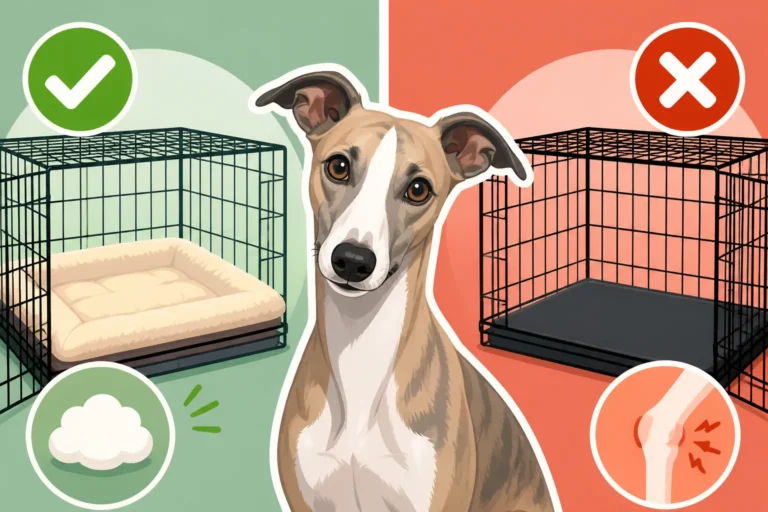
Comfort is paramount for a Whippet. They have very little body fat, making them prone to feeling the cold and developing pressure sores if they sleep on hard surfaces. This means you'll need plenty of soft bedding – thick dog beds, blankets, and even old duvets – in multiple spots around the house. They love to burrow, so having blankets draped over sofas or in beds for them to nestle into will be much appreciated. Think about the advice often given for A Whippet Has No Insulation and No Padding – it applies doubly to a potentially stressed foster. You can find excellent, durable, and comfortable bedding options from places like Chewy that will withstand curious paws and washing.
If you have existing pets, planning a slow and controlled introduction is crucial. Whippets can often live harmoniously with cats if properly introduced, especially if the Whippet has a known history of living with them. However, their strong prey drive means any small, furry pets should be kept completely separate for safety. For resident dogs, plan initial greetings on neutral territory and provide separate spaces within the home until everyone is comfortable.
Stocking Up and Understanding Their Sensitivities
Work with the rescue to understand what food your foster Whippet has been eating. Sudden diet changes can upset their sensitive stomachs. Having a good supply of that food, or a recommended transition food, is important. You might even explore options from brands like Ollie if the rescue allows and you want to offer high-quality, fresh food, especially for a Whippet needing to gain a bit of healthy weight or one with specific dietary needs. Always check with the rescue first, as they often have specific protocols.
Whippets are incredibly sensitive dogs, both physically and emotionally. They respond poorly to harsh corrections or loud voices, which can cause them to shut down or become fearful. Positive reinforcement is the only way to go. Understand that a foster Whippet might take time to adjust, to trust, and to show their true personality. They might be shy, aloof, or even a bit overwhelmed at first. Give them space, predictable routines, and gentle encouragement. Learning How a Whippet Learns When It Bruises From Pressure highlights just how delicate their mental and physical state can be, and how essential a gentle approach is. Ensure you have appropriate collars and leashes, like a martingale collar, as their slender necks can easily slip out of standard flat collars.
The Daily Rhythm: Living with a Foster Whippet
Once your foster Whippet is settled in, establishing a routine and understanding their daily needs becomes your focus. This is where you truly get to know their unique personality and help them prepare for their forever home.
Establishing Routine and Exercise
Whippets, despite their speed, are often referred to as "40 mph couch potatoes." This means they need bursts of intense exercise followed by long periods of rest. A couple of short, brisk walks on a leash each day, along with an opportunity for a supervised sprint in a secure area (like a fully fenced dog park or private yard), is usually sufficient. Remember, How Many Hours a Day a Whippet Sleeps will likely surprise you – they are champion nappers! Avoid long, strenuous jogs, especially in hot weather, as their thin skin and lack of body fat make them susceptible to overheating or chilling. The rescue can advise on appropriate exercise levels for your specific foster, especially if they are senior or recovering from an injury.
Consistency in feeding times, potty breaks, and bedtime helps a foster Whippet feel secure and understand expectations. Even if they're not fully house-trained, a regular schedule can significantly improve their success rate. Patience is key; it might take a few days or even weeks for them to fully grasp the new routine. Have an array of beds and blankets ready, as per What a Whippet Needs Every Day, ensuring they have soft places to rest in every room they might frequent.
Managing Health, Behavior, and the Adoption Process
For health needs, the rescue typically covers all veterinary expenses. This is a huge relief for foster parents, as vet bills, especially for unexpected issues, can be substantial. Should your foster need any specific care, like medication for a skin condition or regular nail trims, the rescue will guide you. However, it's a good idea for any pet owner, including foster parents, to understand the basics of pet insurance (even if the rescue has their own plan). Companies like Healthy Paws are popular for their comprehensive coverage, which could be useful information for a future adopter. You'll likely be responsible for general care, such as providing fresh water and ensuring they are comfortable.
You’ll be the primary observer of their behavior. Does the Whippet enjoy car rides? Are they comfortable being handled? Do they show any signs of anxiety when left alone, or are they content to snooze? These observations are crucial feedback for the rescue. You might also be asked to help with specific training goals, such as basic obedience or leash manners, using positive reinforcement methods. Many Whippets are quite sensitive, so yelling or harsh corrections will do more harm than good. They respond best to kindness, treats, and clear, consistent communication.
Finally, you'll be involved in the adoption process, which often includes meeting potential adopters. You'll be able to share your insights into the Whippet's personality, quirks, and needs, providing invaluable information that only a foster parent can. This allows the rescue to make the most informed decision about the Whippet's forever home, giving you the immense satisfaction of seeing your foster move on to their happily ever after. It's tough to say goodbye, but knowing you've given a precious Whippet a second chance is a feeling unlike any other.
Disclaimer
This article is for general informational purposes only and does not constitute professional advice. Laws, prices and regulations vary by location and change over time. Consult a qualified professional for guidance on your specific situation.