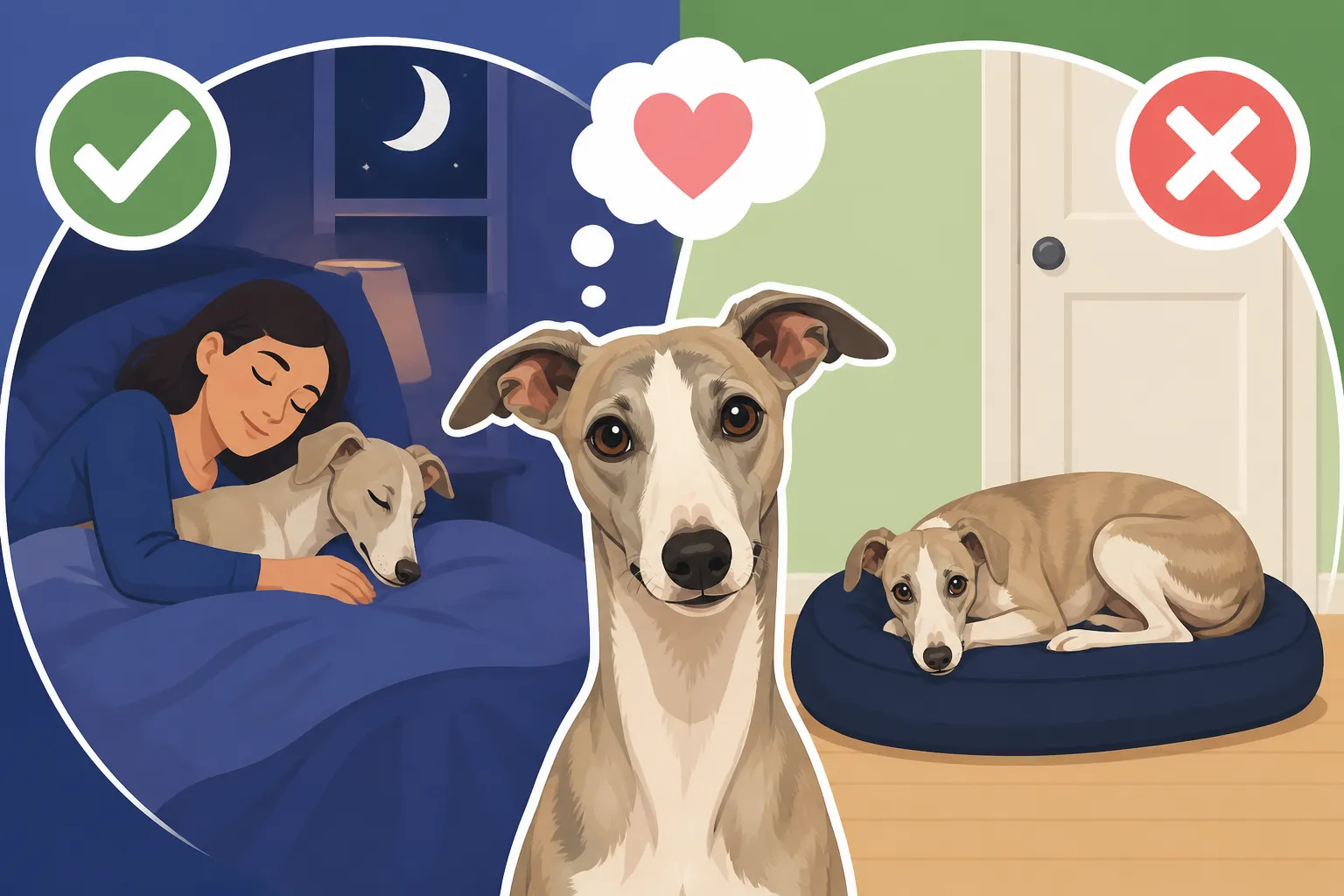
Whether a Whippet Should Sleep in the Bedroom
The question of where your beloved Whippet sleeps can feel like a genuine dilemma for many owners. On one hand, you adore their cuddly nature and want them close; on the other, you worry about setting boundaries, maintaining your own sleep, or even impacting their independence. This guide will delve into the unique needs of a Whippet, exploring the benefits and challenges of having them sleep in your bedroom, and offering practical advice to create a harmonious sleeping arrangement for everyone involved.
Understanding Your Whippet's Deep-Rooted Sleep Needs and Instincts
Whippets are truly special creatures, and their sleeping habits and preferences are deeply tied to their physical makeup and ancient instincts. It's not just about finding a spot; it's about finding the right spot that caters to their inherent needs.
The Deep-Rooted Need for Warmth and Comfort
Anyone who has ever lived with a Whippet knows they are not built for cold weather or hard surfaces. Their sleek, athletic bodies, while incredibly efficient for speed, come with very little natural insulation. They have virtually no body fat, which means they get cold easily. You'll often find them shivering even indoors if the temperature drops slightly, burrowing under blankets or seeking out the warmest spot in the house. This isn't them being dramatic; it's a physiological reality.
Because of this lack of padding, sleeping on a hard floor or a thin bed can quickly lead to discomfort and even pressure sores. Their bony joints, particularly elbows and hocks, are prone to irritation if not adequately cushioned. This intense need for warmth and softness isn't just a preference; it's a health consideration. Providing them with a plush, supportive bed is paramount. They thrive on soft surfaces, appreciating anything that mimics the warmth and security of a den. This is why you'll often see your Whippet seeking out sunbeams, snuggling under blankets, or attempting to commandeer your sofa. For more insight into their physical vulnerabilities, check out A Whippet Has No Insulation and No Padding.
The Pack Animal Mentality and Desire for Proximity
Beyond their physical needs, Whippets are inherently social animals. They've been bred for centuries to be close companions, often living indoors with their human families, even sleeping in their beds. This means they possess a strong pack drive and thrive on proximity to their people. They aren't aloof, independent dogs; they crave connection and reassurance.
When a Whippet settles down for the night, their instinct often tells them to be near their "pack." For many Whippets, this means being in the same room as their favorite humans. Sleeping alone in a separate room, especially as a young puppy or a newly adopted adult, can feel isolating and anxiety-inducing for them. This desire for closeness contributes significantly to their overall emotional well-being and sense of security. It's not just about physical comfort; it's about emotional connection. They often bond very strongly with one person, making that person's presence during sleep especially comforting. You can read more about this in How a Whippet Bonds to One Person.
How Much They Actually Sleep
Despite their incredible athleticism and ability to sprint at breathtaking speeds, Whippets are famous "40 mph couch potatoes." They spend a significant portion of their day sleeping or napping. It's not uncommon for an adult Whippet to clock in 16-18 hours of sleep or rest per day, if not more, especially on a lazy afternoon.
This means that wherever your Whippet sleeps, it needs to be a truly restful and undisturbed spot. They will seek out comfort and quiet to properly recharge. While they can fall asleep almost anywhere, a designated, cozy, and warm spot is essential for their long-term health and happiness. Their extended sleep cycles are a characteristic trait, making a comfortable and consistent sleeping arrangement even more important. Learning more about their sleep habits can be found in articles like How Many Hours a Day a Whippet Sleeps and Why a Whippet Sleeps More Than Most Breeds.
The Benefits of a Bedroom Whippet
Allowing your Whippet to sleep in your bedroom can bring a surprising number of benefits, not just for them, but for you too. It's a choice that often deepens the bond and creates a sense of mutual reassurance.
Enhanced Bonding and Security
One of the most immediate and profound benefits of having your Whippet sleep in your bedroom is the strengthening of your bond. There's something incredibly comforting about having your furry friend nearby, hearing their soft snores, or feeling their presence. This closeness reinforces their place in your family "pack" and can lead to a deeper level of trust and affection. For your Whippet, sleeping in the same room as you provides a supreme sense of security. They feel safe and protected, knowing their primary caregiver is close by. This can be particularly beneficial for Whippets prone to anxiety or those who are new to your home, helping them settle in more quickly and feel less alone.
This enhanced security can significantly reduce issues like separation anxiety. If your Whippet struggles with being left alone, even just having you in the same room for the night can make a huge difference in their overall confidence and ability to cope with solitude during the day. Consider how much a secure night's sleep can contribute to managing issues discussed in Separation Anxiety in a Whippet. Their quiet presence can be a calming balm, especially after a busy day, and that shared space often makes them feel more integrated into the family unit.
Monitoring Health and Well-being
Having your Whippet sleep in the bedroom provides a unique opportunity for subtle, ongoing health monitoring. Dogs, much like humans, can exhibit changes in their behavior or physical state during the night that might go unnoticed if they were in another room.
You might observe changes in their breathing patterns, notice if they are restless or excessively twitchy, or pick up on unusual sounds like coughing or gulping. If they need to go out more frequently during the night, you'll be alerted immediately, which can be an early sign of a urinary tract infection or other health issue. For older Whippets, who might experience joint pain or confusion, being nearby allows you to offer comfort or assistance more quickly. This constant, albeit subconscious, monitoring can be invaluable in catching potential health problems early, giving you a head start on seeking veterinary attention.
Easing Anxiety and Promoting Calm
Whippets are generally sensitive souls, and some can be prone to nervousness or anxiety. The mere physical presence of their human can be incredibly soothing for them. Knowing you are there, even if you're both asleep, acts as a powerful anti-anxiety measure. This can lead to a more peaceful night's sleep for your Whippet, reducing restless pacing, whining, or disruptive behaviors that might stem from feeling isolated.
For puppies, sleeping in the bedroom can make the transition to a new home far less traumatic. They are adjusting to so many new sights, sounds, and smells, and having a familiar scent and presence nearby can make all the difference. Even adult Whippets who've always slept alone might find unexpected comfort once they experience the quiet reassurance of being in the same room as their people. This sense of calm is often reciprocal, as many owners find their own sleep more peaceful knowing their beloved Whippet is safe and sound beside them.
Addressing Potential Challenges and Considerations
While the benefits are many, letting your Whippet sleep in the bedroom isn't without its potential challenges. It's important to go into this decision with open eyes and be prepared to address any issues that might arise.
Sleep Interruptions and Noise
Let's be honest: dogs aren't always silent sleepers! Whippets can snore, twitch, "woof" in their sleep as they dream of chasing rabbits, or even stretch with a loud groan. While often endearing, these noises can be disruptive, especially if you're a light sleeper. Beyond sounds, some Whippets might be restless sleepers, shifting positions frequently, getting up for a drink of water, or needing an unexpected bathroom break in the middle of the night.
If your Whippet is directly on your bed, their movements can easily wake you. Even a dog in a bed on the floor can create enough commotion to disturb a sensitive sleeper. Consider your own sleep habits and how much you're willing to tolerate. A few nights of interrupted sleep might seem cute at first, but over time, it can lead to chronic fatigue for you. It's a balance between your Whippet's comfort and your own well-being.
Space Constraints and Furniture Dominance
Not every bedroom is a sprawling sanctuary with ample floor space. If your bedroom is on the smaller side, adding a dog bed – especially a comfortable, generously sized one that a Whippet truly needs – can make the room feel cramped. Furthermore, the temptation for a Whippet to join you directly on the bed is often irresistible for both dog and human. While cuddles are lovely, a Whippet sprawled across your bed can quickly lead to a loss of personal space.
This can escalate to furniture dominance, where your Whippet starts to believe the bed is theirs, making it harder for you to get comfortable or even get them to move. Establishing clear boundaries from the beginning about where they are allowed to sleep (on their own bed, on your bed, or only at certain times) is crucial to prevent these issues. You might find yourself needing to upgrade their bed, perhaps from a selection on Amazon, to ensure it's so inviting they prefer it to your own.
Establishing Boundaries and Independence
One of the biggest concerns for many owners is fostering a healthy sense of independence in their Whippet. While closeness is good, you don't want your dog to become overly reliant on your constant presence to the point where they can't settle without you. If a Whippet only sleeps soundly when physically touching you, it can exacerbate separation anxiety during the day.
It's important to teach your Whippet that it's okay to be in their own space, even if that space is within your bedroom. This might mean having a comfortable dog bed right next to yours, rather than allowing them on your mattress every night. Training is key here. Using positive reinforcement to encourage them to settle in their own bed, even while you're in yours, helps build their confidence. Resources like BAXTER & Bella often provide excellent guidance on establishing consistent routines and boundaries that promote independence while maintaining a strong bond. It’s about creating a secure attachment, not an unhealthy co-dependency.
Creating the Ideal Sleeping Environment for Your Whippet
Whether your Whippet ends up in your bedroom or a nearby space, thoughtful preparation of their sleeping area is paramount for their comfort, security, and your peace of mind.
Choosing the Right Bedding
For a Whippet, "bedding" isn't a luxury; it's a necessity. Their thin skin and lack of body fat mean they require soft, supportive, and warm surfaces to prevent pressure sores and keep them comfortable. A flimsy mat simply won't do. Look for beds with ample cushioning, such as memory foam or orthopedic designs, to support their joints and bony frame. Bolster beds, with raised sides, are often a hit as they provide a sense of security and a cozy spot to rest their heads.
Consider the size too; Whippets love to stretch out, so ensure the bed is large enough for them to sprawl. You can find a vast array of options on platforms like Amazon, from plush donut beds to sturdy orthopedic mattresses. Many Whippet owners swear by specific brands known for their durability and comfort. Remember, you might end up with several beds throughout the house because your Whippet will seek out comfort wherever they are. This ties into the discussion in The Beds a Whippet Owner Keeps Buying and What a Whippet Bed Should Be Made Of.
Temperature Control and Comfort
Whippets are incredibly sensitive to temperature, as we've discussed. This means their sleeping environment needs to be carefully managed. In cooler months, a warm bed is non-negotiable. This could mean a thick, plush blanket for them to burrow under – a classic Whippet trait, as covered in Whether a Whippet Should Sleep Under a Blanket. Some owners even opt for heated beds or pads for extra warmth, especially for older Whippets or those in particularly cold climates, as explored in Whether a Whippet Needs a Heated Bed in Winter. Pajamas or a warm fleece coat can also make a huge difference in keeping them snug overnight. The Wardrobe a Whippet Needs Because It Has No Body Fat explains why these are more than just fashion statements for a Whippet.
In contrast, during warmer seasons, ensure their sleeping spot isn't prone to overheating. While they love warmth, they can get too hot. A cooling mat or simply a bed in a well-ventilated area can be beneficial. The key is to provide options so they can regulate their own temperature, keeping them comfortable year-round.
Establishing a Consistent Routine
Dogs thrive on routine, and Whippets are no exception. Establishing a consistent bedtime routine helps signal to your dog that it's time to wind down and prepare for sleep. This might involve a final potty break, a calming cuddle session, and then directing them to their designated sleeping spot.
Consistency is vital, especially if you're trying to encourage them to sleep in their own bed, even within your bedroom. Every night, gently guide them to their bed with a clear command like "place" or "bed." Reward them with praise or a small treat when they settle. If they try to sneak onto your bed, calmly redirect them back to their own. This requires patience and consistency, but it pays off in the long run by fostering good sleeping habits and clear boundaries. If you need assistance with structured training, resources like BAXTER & Bella can provide online programs and support for establishing routines and teaching good manners.
Crate Training in the Bedroom
Crate training can be an excellent tool for many Whippets, providing them with a secure, den-like space that feels safe and private. If you choose to use a crate, placing it in your bedroom, at least initially, can be hugely beneficial. This allows your Whippet to still be part of the "pack" while having their own defined space.
The crate should be comfortable, with soft bedding and maybe a blanket draped over it to create a cozy, cave-like atmosphere. Introduce the crate positively, making it a place they want to be, rather than a punishment. This is particularly effective for puppies, helping with house training and preventing destructive chewing overnight, as discussed in Whether a Whippet Puppy Should Be Crated. Even for adult Whippets, a crate in the bedroom can be a great way to transition them from sleeping directly on your bed to a more independent, yet still close, arrangement. It offers a clear boundary and a consistent "home base" for them within your sleeping space.
The decision of whether your Whippet should sleep in your bedroom ultimately comes down to your personal preferences, your Whippet's individual personality, and your ability to establish clear, consistent boundaries. There's no single right answer, but by understanding their unique needs for warmth, comfort, and proximity, and by implementing thoughtful strategies for bedding, temperature control, and routine, you can create a harmonious sleeping arrangement that benefits everyone in the household.
Disclaimer
This article is for general informational purposes only and does not constitute professional advice. Laws, prices and regulations vary by location and change over time. Consult a qualified professional for guidance on your specific situation.