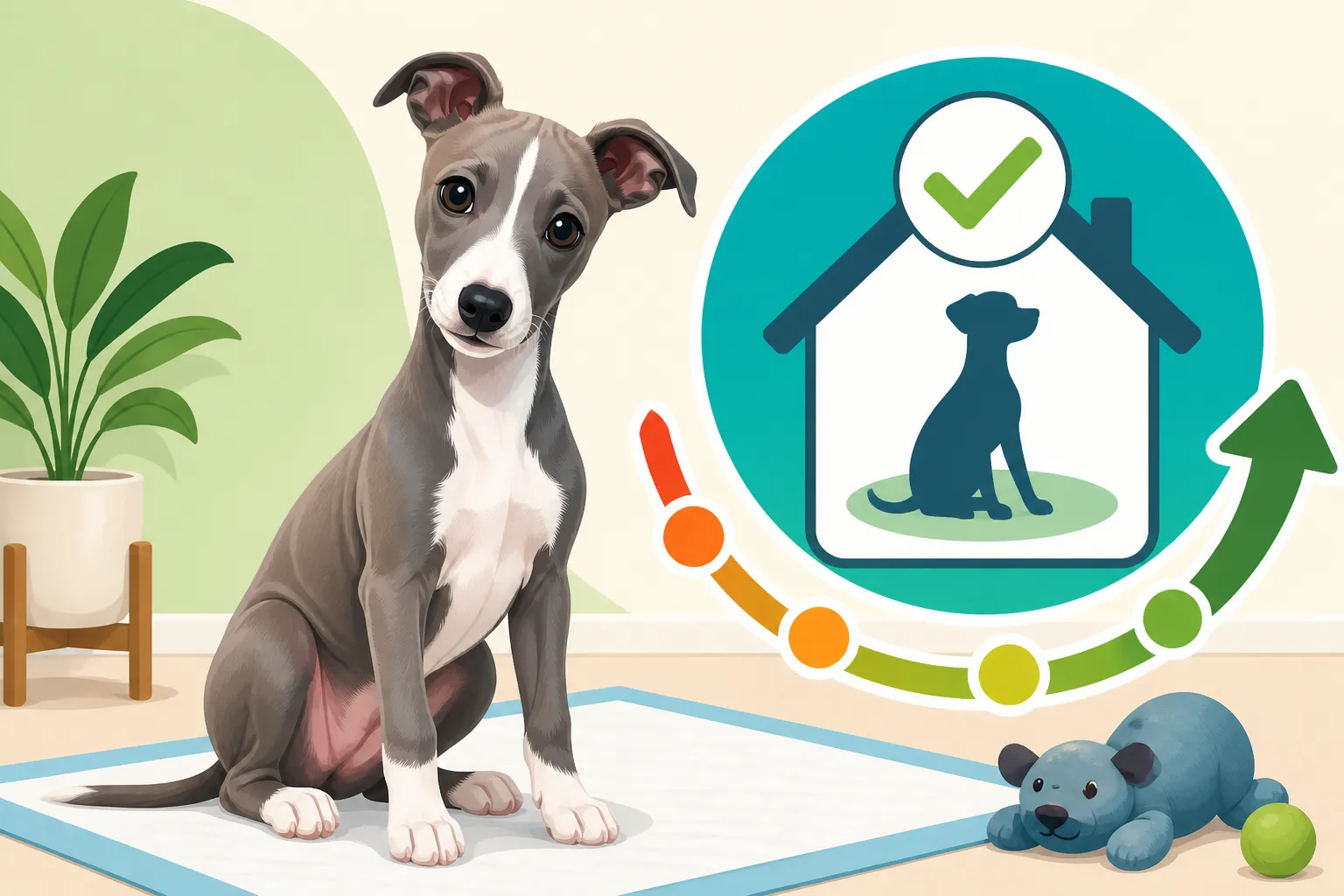
How Long a Whippet Puppy Takes to House Train
Bringing a new Whippet puppy home is a whirlwind of joy, zoomies, and, let's be honest, a fair few accidents on your best rug. You’re probably wondering, with a sigh, exactly how long this house training journey is going to take. It can feel like an endless cycle of pee pads and frantic dashes outside, but this guide will walk you through a realistic timeline and practical strategies to get your sensitive little sighthound reliably house trained.
The Realistic Timeline for House Training Your Whippet Puppy
It's a common misconception that all puppies house train at the same speed. While some breeds seem to 'get it' almost overnight, our beloved Whippets often march to the beat of their own drum, and that drum might take a little longer to learn the potty rhythm. Understanding their unique quirks is the first step to a successful and less frustrating experience for both of you.
Why Whippets Aren't Always "Easy" Learners
Whippets are incredibly smart, but they also have some characteristics that can make house training a bit more challenging than with other breeds. For starters, their thin skin and lack of body fat mean they feel the cold and wet much more acutely. Imagine stepping barefoot onto freezing, damp grass for your morning bathroom break – not exactly appealing, right? Your Whippet puppy feels that tenfold, and it can create a strong aversion to doing their business outside when the weather isn't perfect. This isn't stubbornness, it's genuine discomfort, and it's a huge hurdle for many owners.
Beyond their physical sensitivities, Whippets are also highly sensitive souls when it comes to training. Harsh words or punishment for an accident indoors can actually be counterproductive, leading to a puppy who learns to sneak off and potty in hidden spots to avoid your wrath, rather than understanding where they should be going. This fear-based approach can damage your bond and prolong the house training process significantly. We want them to feel safe and confident, not scared.
Furthermore, every puppy is an individual. Just like human children, some Whippet puppies will pick up on the routine faster than others. Littermates can have vastly different learning curves, so comparing your puppy to a friend's dog, or even another Whippet you've owned, can set you up for disappointment. Factors like their early experiences with their breeder, their individual personality, and even their health can all play a role in how quickly they grasp the concept of house training.
The "Average" Window vs. Reality
When you look up house training advice, you'll often see an "average" window of about 4 to 6 months for a puppy to be reliably house trained. While this is a good general guideline, for a Whippet, it's often more realistic to think of it as a spectrum, potentially extending a bit longer, especially if you live in an area with harsh winters or frequent rain. "Reliably house trained" doesn't just mean a few days without accidents; it means weeks, even months, of consistent outdoor pottying without any slips, even in new environments or when their routine is slightly off.
True reliability often comes with maturity, as their bladder control develops and their understanding of your expectations deepens. A 4-month-old Whippet puppy might be doing great, but then hit a "teenage" phase around 6-9 months where regressions can occur. Life changes, like moving to a new home, a change in your work schedule, or even introducing a new pet, can also reset the clock a bit. It’s important to remember that setbacks are a normal part of the learning process, not a sign of failure.
The timeline is heavily influenced by the consistency you provide. If you're meticulous about taking your puppy out every hour, after every meal, and praising them like they've won the lottery, they'll likely learn faster. If breaks are inconsistent or you miss their cues, the process will naturally take longer. Think of it as building a strong foundation: the more care and attention you put into the initial stages, the sturdier the structure will be.
Signs of Progress and Setbacks
Recognizing progress in house training isn't always about perfect streaks; it’s often about those small, consistent wins. You might notice your Whippet puppy starting to go to the door instead of just squatting, or perhaps they're holding it for longer stretches between potty breaks. They might wake you up in the middle of the night with a whine instead of silently having an accident. These are all huge leaps forward and deserve enthusiastic praise and rewards! Celebrate every success, no matter how small it seems.
However, just as you start feeling confident, a setback can occur. Your normally reliable puppy might suddenly have an accident indoors after a perfect week. This can be incredibly frustrating and make you feel like you're back to square one. But remember, setbacks are almost inevitable. They can be triggered by many things: a slight urinary tract infection, a change in diet, an exciting new visitor, or even just being distracted by an interesting smell during an outdoor potty break. Don't punish the regression; simply clean it up thoroughly and go back to basics, increasing supervision and potty breaks as if they were a younger puppy again.
Understanding that the journey isn't linear helps manage expectations. There will be good days and bad days, great weeks and frustrating weeks. The key is consistent effort and patience. Every accident is a learning opportunity for you to refine your schedule and supervision, and every successful outdoor potty break reinforces the desired behavior for your Whippet. It’s a dance, and sometimes you step on each other’s toes, but with persistence, you’ll eventually find your rhythm.
Setting Your Whippet Puppy Up for Success from Day One
The first few weeks with your Whippet puppy are crucial for establishing good house training habits. It’s all about creating an environment where success is easy and accidents are nearly impossible. This means being proactive, consistent, and understanding your puppy’s natural rhythms and aversions.
The Power of a Consistent Schedule
Consistency is the absolute bedrock of successful house training. Whippets, like most dogs, thrive on routine. When you first bring your puppy home, assume they have no bladder control and need to go out every 30-60 minutes while awake. This might sound like a lot, and it is! But it’s how you prevent accidents and teach them quickly. Crucial times for potty breaks include immediately after waking up from a nap, within 5-10 minutes after eating or drinking, after any play session, and just before bedtime. You’ll be clock-watching like never before, but it pays off in the long run.
A predictable feeding schedule also directly impacts house training. If your puppy eats at roughly the same times each day, their elimination schedule will also become more predictable. Free-feeding, where food is always available, can make it much harder to anticipate when they’ll need to go out. Stick to two or three meals a day for puppies, removing the food bowl after about 15-20 minutes. Water should always be available, but limiting it slightly an hour or two before bed can help prevent nighttime accidents, especially for younger puppies.
Crate training can be an invaluable tool in this process. Dogs naturally don't want to soil their sleeping area, so a properly sized crate becomes their safe, clean den. When you can't actively supervise your Whippet puppy, they should be in their crate. This prevents them from wandering off and having an accident unnoticed. Make sure the crate is just big enough for them to stand up, turn around, and lie down comfortably – too large, and they might use one end as a bathroom. You can read more about Whether a Whippet Puppy Should Be Crated to understand the benefits and proper use.
Choosing the Right Potty Spot
Designating a specific outdoor potty spot helps immensely. When you take your Whippet puppy out, always go to the same general area. The scent of previous successful eliminations acts as a trigger, reminding them what they're supposed to do there. Keeping them on a leash and walking directly to this spot, waiting patiently, and not engaging in play until they've done their business, helps them understand the purpose of the trip. Once they go, then you can praise them and allow for some playtime as a reward.
One of the biggest challenges for Whippet owners is their breed’s aversion to cold, rain, or snow. Their sleek, unpadded bodies aren't built for harsh weather, and many will simply refuse to go outside or rush through it, only to have an accident once back in the warmth of the house. This is where a little ingenuity comes in. Consider creating a Whether a Covered Potty Area Helps a Whippet, such as a small awning or a tarp stretched over a corner of the yard. This offers some shelter from the elements.
Investing in a good coat (Whether a Whippet Needs a Coat to Go Outside) is also essential, not just for walks, but for potty breaks too. A warm, waterproof coat can make a world of difference in encouraging your Whippet to linger long enough to do their business in unpleasant weather. While puppy pads can be tempting for indoor use, particularly with weather-averse Whippets, I generally recommend against them for long-term house training. They can teach your puppy that it's acceptable to potty inside the house, making the transition to fully outdoor pottying much harder later on. If you absolutely must use them due to extreme weather or apartment living, try to place them by the door leading outside, gradually moving them closer and closer to the exit, and eventually removing them altogether. This helps reinforce the idea that the "potty zone" is associated with the exit.
Positive Reinforcement is Key
When it comes to training a Whippet, positive reinforcement isn't just a method; it's practically a necessity. These sensitive sighthounds thrive on praise, treats, and affection, and they shut down quickly under harsh correction. Every single time your Whippet puppy potties in the correct outdoor spot, it should be met with an immediate, enthusiastic celebration! Think happy dances, high-pitched praise, and, most importantly, a tiny, high-value treat that they adore. This instantaneous reward creates a strong association between going potty outside and getting something wonderful.
Avoid punishing accidents indoors. Your Whippet puppy won't connect your anger or frustration with an accident that happened five minutes ago. Instead, they’ll learn to be fearful of you, or worse, they might start sneaking off to potty in hidden areas where you won't see them, making it even harder to catch and correct the behavior. If you discover an accident, simply clean it up thoroughly and resolve to be more vigilant with your supervision and potty schedule. For cleaning, enzymatic cleaners are your best friend, as they completely eliminate the odor that might otherwise attract your puppy back to the same spot.
Using high-value rewards means finding what truly motivates your Whippet. For some, it might be a tiny piece of cooked chicken or cheese. For others, a favorite squeaky toy or a quick game of tug might be the ultimate reward. Companies like Amazon offer a huge variety of training treats, so you can experiment to find what makes your Whippet's eyes light up. Online training platforms, like those offered by BAXTER & Bella, often emphasize positive reinforcement techniques that are perfectly suited for sensitive breeds like Whippets, guiding you through gentle, effective methods that build trust and confidence. Remember, the goal is to make going outside the most rewarding activity in their day.
Troubleshooting Common House Training Challenges
Even with the best intentions and the most consistent schedule, house training a Whippet puppy is rarely a perfectly smooth journey. There will be bumps, detours, and moments when you question everything. Learning to troubleshoot these common challenges with patience and understanding will save you a lot of stress.
Accidents Indoors: What Went Wrong and How to Fix It
Discovering an accident indoors can be frustrating, especially if you felt like you were making progress. The very first step when your Whippet puppy starts having frequent accidents is to rule out any underlying medical issues. A quick trip to the vet can determine if a urinary tract infection (UTI) or other health problem is contributing to the accidents. These are surprisingly common in puppies and can completely derail house training efforts, so it's always best to get a clean bill of health first.
Once medical issues are ruled out, it's time to play detective. Most indoor accidents are due to one of a few common reasons. Were you simply gone too long between potty breaks? Did you miss a subtle cue, like pacing, sniffing, or going to the door? Did your puppy get overly excited during playtime and forget their bladder? Or perhaps you've recently moved or changed their routine, throwing them off balance. Go back through your day in your mind and try to pinpoint when and why the accident might have occurred.
The fix usually involves reverting to a more intensive house training schedule. Increase the frequency of potty breaks, even if you feel like you're taking them out constantly. Keep your puppy on a leash attached to you or in their crate when you can't give them your undivided attention. This prevents unsupervised accidents. When an accident does happen, clean it meticulously with an enzymatic cleaner to neutralize odors and avoid attracting your puppy back to the same spot. Never scold or punish them; that only teaches them to hide their accidents. Your goal is to manage the environment so that accidents simply cannot happen, thereby building a strong habit of going outside.
The Whippet That Refuses to Go Outside in Bad Weather
Ah, the classic Whippet weather dilemma! This is arguably one of the most common and exasperating house training challenges for owners of this breed. Your Whippet isn't being spiteful; they genuinely find cold, rain, or snow deeply unpleasant. They are thin-skinned and lack the insulating fat or thick undercoat of other breeds. Expecting them to trot happily into a downpour to do their business is like asking you to jump into a cold pool in winter. Why a Whippet Refuses to Go Out in the Rain is a struggle many Whippet owners understand intimately.
To combat this, warmth and shelter are your best friends. Invest in a high-quality, waterproof, and warm coat for your Whippet. It’s not just a fashion statement for them; it’s a necessity. Some owners even use two layers in really cold weather. You might also find a Whether a Whippet Needs a Different Coat for Rain and Snow helpful, with a lighter rain shell for wet but mild days and a heavier, insulated one for truly frigid temperatures. The goal is to make them as comfortable as possible during those necessary outdoor trips.
Creating a sheltered potty area, as mentioned earlier, can also work wonders. Even a large umbrella held over their heads while they go can make a difference. Beyond gear and shelter, train a "go potty" command. Say "go potty" or "do your business" as they are eliminating. Over time, this command can help prompt them to go quickly, even when they're not thrilled about the weather. Make sure that when they do brave the elements and succeed, the praise and treat are even more enthusiastic than usual! Sometimes, you might even have to carry a very young puppy to their designated spot to ensure they get there without getting soaked on the way.
Regressions and Teenage Rebellion
Just when you think you've cracked the code, your Whippet puppy might experience a regression. This is incredibly common and can feel like a punch to the gut after weeks or months of progress. Often, it coincides with their "teenage" phase, somewhere between 6 and 12 months, where they test boundaries and might seem to forget all their good manners, including house training. It’s not a sign of failure, but rather a normal developmental stage.
Regressions can also be triggered by changes in routine, new stressors, or even subtle changes in their health. Perhaps you've eased up on supervision, or they're now able to hold it longer, but you haven't quite adjusted your expectations for when they still need to go out. The key to handling regression is to avoid frustration and instead, calmly and consistently revert to the basics of house training. Act as if they are an 8-week-old puppy again: more frequent potty breaks, constant supervision, and strict crate time when unsupervised.
Consistency truly is the antidote to regression. Don't assume they've forgotten everything; rather, assume they need a refresher course and that you need to be more diligent. Take them out on a leash every single time, even in your own yard. Praise and reward every success. Every little positive step reinforces the behavior. Remember that Whippets are sensitive, so a calm, patient approach will yield much better results than anger or exasperation. You might even find it helpful to review resources on The Age a Whippet Finally Matures to better understand these developmental stages.
Beyond the Basics: Advanced Tips and Long-Term Success
House training isn't just about getting through the puppy months; it's about establishing habits that last a lifetime. As your Whippet grows and matures, you'll want to refine their skills and ensure they remain reliably house trained in all situations.
Teaching Your Whippet to "Hold It" for Longer
As your Whippet puppy matures, their bladder capacity will naturally increase, allowing them to hold it for longer periods. However, this isn't an automatic process; you still need to gradually teach and encourage it. Once your puppy is consistently accident-free on a more frequent schedule, you can slowly start to extend the time between potty breaks by 15-30 minutes at a time. Pay close attention to their cues and don't push them too far too fast. If they start having accidents again, you've stretched it too much, so dial it back.
A good general rule of thumb for how long a puppy can hold it is their age in months plus one, in hours. So, a 4-month-old puppy might be able to hold it for about 5 hours. However, this is a maximum and doesn't mean they should hold it that long. Regular, proactive breaks are always better. For nighttime, this rule can often be extended slightly, especially as they get older, due to their metabolism slowing down during sleep. You might be wondering How Long a Whippet Puppy Holds It Overnight, and typically, by 4-6 months, many can sleep through the night, but some will need one last potty break right before your bedtime and then one first thing in the morning.
Observing your Whippet is key. Learn their individual signals that they need to go. For some, it's sniffing around, for others, it's pacing or standing by the door. Some might even give a quiet whine. The more you pay attention, the better you'll become at anticipating their needs and preventing accidents. Gradually extending these periods builds their confidence and physical ability to maintain bladder and bowel control for longer, making life easier for everyone.
Maintaining House Training in New Environments
Your Whippet might be perfectly house trained at home, but what happens when you travel, visit friends, or go on vacation? A new environment, with unfamiliar smells, sights, and routines, can sometimes throw even a reliably trained dog off balance. It's crucial not to assume your Whippet will automatically understand the potty rules of a new place. For the first few days in any new environment, treat your Whippet almost like a young puppy again when it comes to house training.
Increase the frequency of potty breaks, especially upon arrival, after any excitement, and before crating or going to bed. Always take them to the designated outdoor potty area on a leash, even if it's just a new yard. This clearly communicates the purpose of the trip. Bring familiar items like their crate, bedding, or favorite toys. These items carry their scent and can provide a sense of security and familiarity, reducing stress which can sometimes contribute to accidents.
If you're staying in a hotel or a friend's house, ensure you know where the appropriate potty areas are and adhere to any rules. Cleaning up after your dog is not just good etiquette, it's essential for maintaining their house training. A small accident in an unfamiliar place isn't a failure, it's a reminder to be extra vigilant and patient. With consistent positive reinforcement in these new settings, your Whippet will quickly learn that the same rules apply wherever they go with you.
When to Seek Professional Help
While house training involves its fair share of challenges, there are times when persistent issues indicate a need for professional intervention. If your Whippet puppy is consistently having accidents despite a strict, consistent house training schedule, and your vet has ruled out medical conditions like UTIs, it might be time to consult with a certified professional dog trainer or a veterinary behaviorist. These experts can assess your specific situation, identify any underlying behavioral issues, and provide tailored strategies.
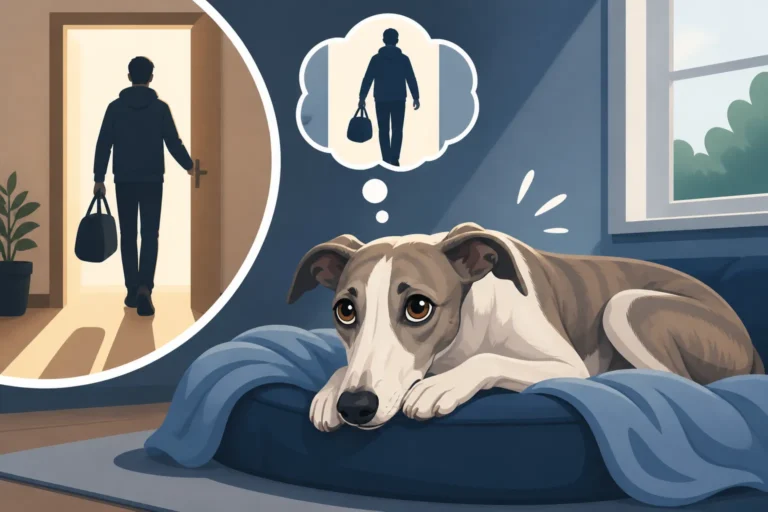
Sometimes, what appears to be a house training problem can actually be a symptom of a larger behavioral issue, such as separation anxiety. If your Whippet only has accidents when left alone, particularly if accompanied by other signs like destructive chewing, excessive barking, or pacing, it's important to address the anxiety rather than just the accidents. A professional can help distinguish between simple training gaps and more complex behavioral challenges.
Don't hesitate to reach out for help. A qualified professional can offer invaluable insights, refine your training techniques, and provide support when you feel overwhelmed. They can teach you effective ways to communicate with your Whippet and reinforce desirable behaviors, ultimately leading to a happier, healthier, and reliably house trained companion. Remember, seeking help is a sign of responsible pet ownership, not a failure.
Whippet Puppy House Training Schedule Example
This table provides a generalized schedule for a young Whippet puppy (8-16 weeks old). Remember, every puppy is an individual, so adjust times and frequency based on your Whippet's specific needs, bladder control, and your lifestyle.
| Time | Activity | Notes |
|---|---|---|
| 6:30 AM | Wake up, immediate potty break | Carry puppy outside if needed, praise & treat for success. |
| 6:45 AM | Breakfast & water | Keep feeding times consistent. |
| 7:00 AM | Potty break (after eating/drinking) | Very important! Digestion stimulates elimination. |
| 7:00 AM – 8:00 AM | Playtime/Supervised free time | Short burst of play, then back outside. |
| 8:00 AM | Potty break | Even if they went recently, offer the chance. |
| 8:00 AM – 12:00 PM | Crate time / Playtime / Potty break cycle | Every 30-60 mins, take out for potty. Crate when unsupervised. |
| 12:00 PM | Lunch & water (if 3 meals) | Or just water if on 2 meals a day. |
| 12:15 PM | Potty break (after eating/drinking) | Again, critical. |
| 12:15 PM – 5:00 PM | Crate time / Playtime / Potty break cycle | Continue frequent breaks and supervision. |
| 5:00 PM | Dinner & water | Consistent mealtime helps predict elimination. |
| 5:15 PM | Potty break (after eating/drinking) | You know the drill! |
| 5:15 PM – 8:00 PM | Playtime/Family time / Potty break cycle | More relaxed time, but still vigilant. |
| 8:00 PM | Last water before bed (optional) | Can help reduce nighttime accidents for younger puppies. |
| 9:00 PM | Final potty break before bed | Make sure they empty completely. |
| 9:15 PM | Bedtime in crate | Dark, quiet place. |
| Overnight | Possible potty break | For young puppies, set an alarm once or twice. Gradually eliminate. |
This article is for general informational purposes only and does not constitute professional advice. Laws, prices and regulations vary by location and change over time. Consult a qualified professional for guidance on your specific situation.