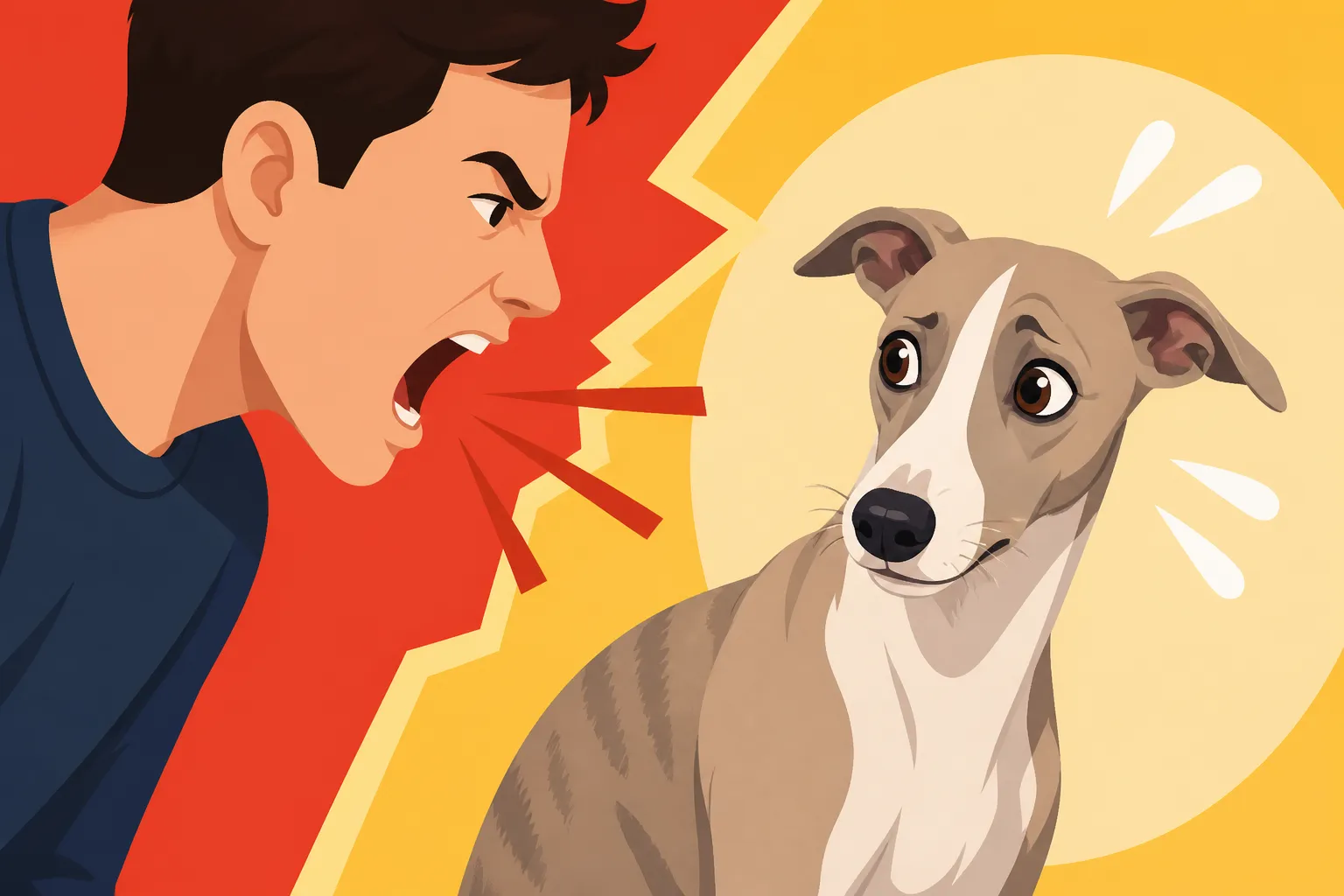
How a Whippet Reacts to a Raised Voice
It's an utterly common scenario: you're feeling frustrated, perhaps your Whippet has just snatched a sock, counter-surfed, or completely ignored a recall in the yard. In the heat of the moment, a raised voice might seem like the natural reaction. But if you own a Whippet, you've probably noticed that their response to a sudden, loud, or angry tone is distinctly different, and often far more impactful, than what you might expect from other breeds. This guide will explore exactly how these wonderfully sensitive dogs react to a raised voice, why it affects them so deeply, and how to foster a more positive and effective communication style.
The Whippet's Innate Sensitivity: Why a Harsh Tone Hits Harder
Whippets are not just sleek and fast; they are profoundly gentle and sensitive creatures at heart. Their very nature makes them highly attuned to their environment, and especially to the emotional nuances of their human companions. This isn't a flaw; it's a fundamental part of what makes them such cherished members of the family, but it also means they require a particular kind of understanding and patience.
A Breed Built on Gentleness, Not Force
Consider the history of the Whippet. These aren't dogs bred for guarding or harsh outdoor work where a gruff command might be part of the routine. The Whippet was affectionately known as "the poor man's racehorse," developed by miners in Northern England. These families lived in close quarters with their dogs, sharing their homes, their food, and often their beds, cultivating an unusually tight bond. The Household a Whippet Was Built For was one where they were companions first, athletes second, tucked safely inside, not out in a kennel. This intimate history means they thrive on close connection and gentle handling.
They simply weren't designed to withstand or respond well to forceful or aggressive training methods. Their temperament reflects this historical context: they are typically sweet, eager to please, and deeply devoted to their families. Because their social structure with humans has historically been so interwoven with affection and mutual reliance, a harsh tone isn't just an unpleasant sound; it's a disruption to their fundamental sense of security and belonging. This intrinsic need for gentleness makes them particularly vulnerable to sharp words. Why a Whippet Slept in the Family Bed isn't just a cute quirk; it's a testament to their deep integration into family life and the trust they place in their humans.
The Physical Manifestations of Stress in a Whippet
A Whippet's reaction to stress isn't always a dramatic vocal outburst or an obvious display of fear. Often, their responses are subtle, easily missed if you're not keenly observing their body language. When a human raises their voice, a Whippet’s sensitive nervous system can go into overdrive, leading to a cascade of physiological and behavioral changes. They might flick their ears back, lower their head, or turn their body slightly away.
You might notice their eyes widen, showing the whites, or they might begin to lick their lips repeatedly, yawn when not tired, or even shake off as if they're wet. These are all classic signs of canine stress and appeasement, not defiance. Their sleek, lean physique also plays a role; they don't have the heavy coats or substantial padding of other breeds to offer a symbolic "shield" against perceived threats. Their delicate skin, which is prone to tears and scrapes, almost mirrors their emotional fragility. The Thin Skin That Sends a Whippet to the Vet for Stitches is a constant reminder of their physical delicacy, and it's not a stretch to imagine their emotional skin is just as thin.
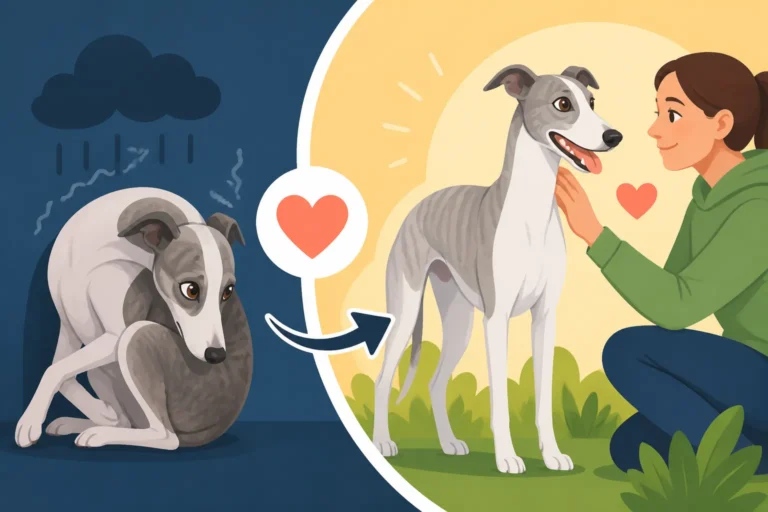
In more intense situations, a Whippet might freeze completely, becoming still and rigid, or they might attempt to make themselves as small as possible, tucking their tail tightly between their legs and hunching their back. This isn't them being stubborn or ignoring you; it's a dog in distress, trying to defuse the situation or make themselves less of a target. Understanding these subtle cues is paramount to recognizing when your vocal tone is genuinely upsetting your Whippet, rather than just getting their attention.
Common Reactions to a Raised Voice
When you raise your voice at a Whippet, you're likely to see one of several distinct behavioral patterns emerge. These reactions are rooted in their inherent sensitivity and their strong desire to avoid conflict. They are rarely aggressive or confrontational; rather, they are protective mechanisms designed to cope with perceived threats or overwhelming emotional input.
The "Shut Down" Response
Perhaps the most common and disheartening reaction to a raised voice in a Whippet is what we often call "shutting down." Unlike some breeds that might become more agitated or even rebellious, a Whippet will frequently withdraw entirely. They might cease all activity, freeze in place, and become completely unresponsive. It's as if their processing system has overloaded, and they simply can't function or engage.
During a "shut down," your Whippet might avoid eye contact, tuck their tail, flatten their ears, and assume a submissive posture. They might even appear to have "forgotten" a command they knew perfectly well moments before. This isn't stubbornness or a lack of intelligence; it's a profound emotional response. When a Whippet shuts down, they are effectively disengaging from the interaction, not because they are ignoring you, but because the emotional pressure is too intense. They may look utterly dejected and defeated, which can be incredibly difficult for an owner to witness. Why a Whippet Shuts Down When Corrected explores this response in more detail, highlighting how counterproductive harsh corrections can be.
This response is a clear signal that the communication method is ineffective and, more importantly, damaging to their emotional well-being. They're not learning anything from the raised voice, except perhaps to fear or distrust the source of the noise. It halts any positive training in its tracks and can make them hesitant to try new things or offer behaviors in the future, fearing they might be "wrong."
Withdrawal and Avoidance Behaviors
Beyond merely shutting down in place, many Whippets will actively seek to remove themselves from the source of the loud voice or perceived anger. This might involve a swift, silent departure from the room, retreating to a favorite bed, or seeking refuge under furniture. They might slink away with a bowed head and tucked tail, making themselves appear as small and inconspicuous as possible.
This avoidance isn't about being "naughty" or trying to escape consequences in a human sense; it's a classic "flight" response to an overwhelming and unpleasant stimulus. For a highly sensitive breed like the Whippet, consistent exposure to raised voices teaches them to associate your presence or certain situations with discomfort, leading to a desire to escape. They may also avoid direct interaction with you for some time after the incident, perhaps refusing to make eye contact or shying away from your touch.
It might look like they're "sulking," but it's more accurately a protective measure. Whether a Whippet Sulks and How Long a Whippet Holds a Grudge are relevant here, as their prolonged avoidance can sometimes be misinterpreted as stubbornness when it's really an indicator of how deeply affected they were by the interaction. They're not holding a grudge in a human way, but they are remembering negative associations and adjusting their behavior to prioritize their emotional safety.
The Rare Case of "Nervous Reactivity" or Barking
While less common than withdrawal or shutting down, some extremely anxious or poorly socialized Whippets might react to a raised voice with what appears to be nervous reactivity, which can sometimes include barking. This isn't typical Whippet behavior, as they are generally not big barkers, and it's almost never a sign of aggression in the dominant sense. Instead, it's a fear-based response, a desperate attempt to create distance or express extreme distress when other appeasement signals have failed or they feel utterly cornered.
This type of barking is usually high-pitched, frantic, and accompanied by other stress signals like pacing, panting, or even minor house-soiling. They might be trying to say, "Please stop! I'm scared!" rather than challenging you. If a Whippet is pushed to this point, it indicates a significant breakdown in their sense of security and trust. It's crucial to understand that this isn't a behavior to be punished with more raised voices, as that will only escalate their fear and solidify the negative association.
A Whippet displaying such behavior needs immediate de-escalation of the situation and, ideally, professional guidance to address the underlying anxiety. For some dogs, this kind of reactivity can generalize, making them fearful or reactive to other loud noises or sudden movements. It's a stark reminder that even in a generally non-reactive breed, persistent stress can manifest in challenging ways, similar to how some dogs might develop Leash Reactivity in a Whippet due to fear or overstimulation.
The Long-Term Consequences of Harsh Tones
While a single raised voice might be forgiven by your Whippet, a pattern of harsh tones and angry outbursts can have profound and lasting negative impacts on their psychological well-being, their relationship with you, and their overall behavior. Whippets are creatures of habit and sensitive memory, and negative experiences linger.
Eroding Trust and Damaging the Bond
The bond between a Whippet and their human is a precious thing, built on mutual trust, gentleness, and comfort. When an owner frequently resorts to raised voices or harsh corrections, that trust begins to erode. Your Whippet learns to associate you not just with comfort and affection, but also with unpredictability and fear. This fundamentally changes the nature of your relationship.
A Whippet who fears your voice may become hesitant to approach you, particularly if they've done something "wrong" (in your eyes). They might become less affectionate, less willing to cuddle, and generally more withdrawn in your presence. The deep sense of security they once felt can be replaced by anxiety and a need to constantly appease or avoid you. This makes it incredibly difficult to build the kind of partnership that thrives on mutual respect and understanding. Rebuilding lost trust with a Whippet is a slow, painstaking process that requires immense patience and consistent positive interactions. Their deep capacity to How a Whippet Bonds to One Person also means that when that primary bond is strained, the impact is all the more significant.
The goal for any Whippet owner should be to be a source of safety and joy, not fear or stress. A damaged bond not only makes life less enjoyable for both of you but also makes future training and management significantly harder. They won't seek you out for comfort or guidance if they're worried about your reaction.
Hindering Training Progress and Confidence
Effective training, especially for sensitive breeds like Whippets, relies heavily on a calm, consistent, and positive environment. When a raised voice is regularly introduced into the training equation, it acts as a massive barrier to learning. Anxiety is the enemy of education, and a Whippet who is worried about being yelled at cannot focus on the task at hand. Their brain becomes too preoccupied with self-preservation to absorb new information or respond reliably to known commands.
Imagine trying to learn a new skill while someone is constantly shouting at you. You'd likely become flustered, make more mistakes, and eventually give up. The same applies to your Whippet. They become hesitant to offer behaviors, fearing that any attempt might be "wrong" and lead to a harsh verbal correction. This stifles their natural curiosity and eagerness to please. Whether Positive Training Alone Works on a Whippet is a question many owners ask, and for Whippets, the answer is a resounding yes—it's the most effective and humane approach.
A lack of confidence in training can then spill over into other areas of their life. They might become generally more insecure, less resilient in new situations, and less likely to engage playfully. The joyous spark of a Whippet's personality can dim under the shadow of constant apprehension, turning a potentially enthusiastic learner into a hesitant, withdrawn companion. How Quickly a Whippet Learns can be impressive, but only in the right, supportive environment.
Potential for Behavioral Issues
Chronic stress, often induced by frequent exposure to harsh vocal tones, can trigger a range of undesirable behavioral issues in a Whippet. While they are not typically prone to aggression, fear-based reactivity can emerge, where they react defensively when feeling trapped or overwhelmed. This might manifest as increased barking, growling, or even snapping if they feel their boundaries are being continually violated by perceived threats, including a loud voice.
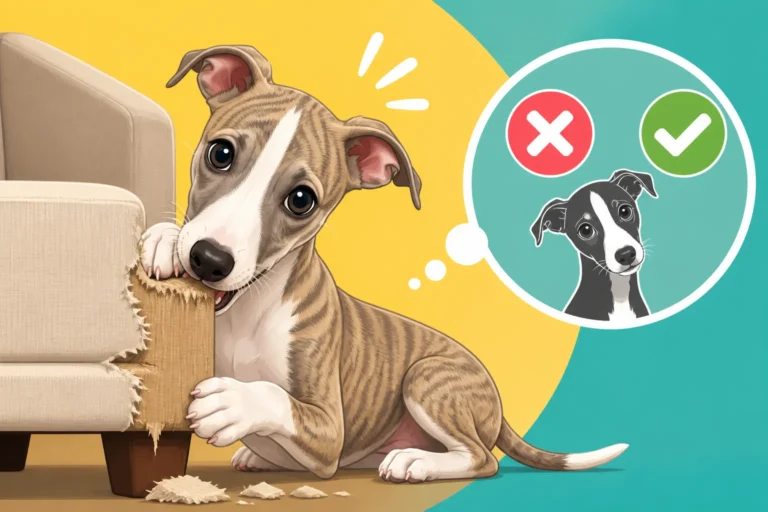
Beyond reactivity, constant anxiety can lead to problems like increased house-soiling, even in a previously house-trained dog. This is not defiance, but a stress response where they lose control. Destructive behaviors, such as chewing on inappropriate items or scratching furniture, can also emerge as an outlet for pent-up stress and frustration. Some Whippets might develop or exacerbate Separation Anxiety in a Whippet if their overall sense of security is undermined, making them even more dependent and anxious when left alone.
Furthermore, issues like resource guarding (protecting food, toys, or even their bed) can develop or intensify if they feel insecure and believe they need to defend their limited resources from a potentially unpredictable human. These are all signs of a dog struggling to cope with their environment and their human interactions. Addressing these issues requires a complete overhaul of communication style and often professional intervention to re-establish a foundation of trust and safety.
Cultivating a Positive Communication Style with Your Whippet
Given their profound sensitivity, the way we communicate with our Whippets is paramount to their happiness, well-being, and the strength of our bond. Moving away from raised voices and towards a more calm, consistent, and positive approach will transform your relationship and make your Whippet a more confident and joyful companion.
The Power of Calm and Consistent Tones
The most effective way to communicate with your Whippet, even when you're feeling frustrated, is by consciously employing a calm, clear, and consistent vocal tone. This doesn't mean you can't use different tones for different situations – a cheerful, higher-pitched voice for praise, and a lower, firm (but never angry) tone for a "no" or "leave it." The key is that even the firm tone remains controlled and free of anger or yelling.
Whippets are incredibly adept at reading our body language and facial expressions, not just our words. A calm voice, paired with relaxed posture and soft eye contact, reassures them that you are still their safe and predictable leader, even if you're asking them to stop a behavior. Consistency is also vital. If you say "no" calmly one day and shout it the next, your Whippet will become confused and anxious, unsure of what to expect.
Practice regulating your own emotions before interacting with your Whippet in a disciplinary context. Take a deep breath. Count to ten. Remember that your Whippet isn't trying to spite you; they're acting on instinct or confusion. Speaking calmly, even when you're internally agitated, will help you maintain your composure and, in turn, help your Whippet remain calm and receptive. Understanding their inherent nature means recognizing that positive, steady vocalization is far more effective than any shout. Telling a Stubborn Whippet From a Sensitive One is crucial, as what appears as stubbornness might just be fear of your tone.
Positive Reinforcement: The Whippet's Preferred Language
Whippets absolutely flourish with positive reinforcement. This method involves rewarding desired behaviors with something they value – delicious treats, enthusiastic praise, a favorite toy, or gentle physical affection. When a Whippet performs an action and receives a positive outcome, they are far more likely to repeat that behavior because they associate it with a pleasant experience, rather than fearing punishment for doing something "wrong."
This approach not only makes training incredibly effective but also builds an incredibly strong, trusting, and joyful bond between you and your Whippet. It teaches them that interacting with you and learning new things is a fun and rewarding experience. They become eager to participate, actively trying to figure out what you want from them because they know good things will follow. What a Whippet Will Work For is often quite varied, from a tasty piece of chicken to a quick game of chase, so find what truly motivates your individual dog.
Short, frequent training sessions with lots of positive reinforcement are far more impactful than long, drawn-out sessions that might lead to frustration for both of you. Remember to keep it fun and rewarding, celebrating every small success. How Many Repetitions a Whippet Needs can vary, but consistent positive reinforcement ensures that each repetition is a building block of trust and understanding, not a source of anxiety.
Seeking Professional Guidance for Behavioral Challenges
Sometimes, despite our best efforts, we can find ourselves in a cycle of frustration, or our Whippet may exhibit behavioral challenges that feel overwhelming. If you're struggling to communicate effectively, find yourself frequently resorting to raised voices, or if your Whippet is displaying persistent fear, anxiety, or reactivity, it is always a wise and responsible choice to seek professional guidance.
Look for a certified professional dog trainer or a veterinary behaviorist who specializes in positive reinforcement and has a deep understanding of sighthounds or other sensitive breeds. They can help you identify the root causes of your Whippet's behavior, teach you effective and humane communication strategies, and provide a tailored training plan. A good professional will never advocate for punishment-based methods, especially with a Whippet, but will focus on building confidence and trust.
Don't ever feel embarrassed or defeated by needing help. Many dedicated dog owners face similar challenges, and seeking expert advice is a sign of your commitment to your Whippet's well-being. A professional can help you decipher your Whippet's subtle cues, understand their unique needs, and guide you towards building a truly harmonious relationship. For instance, if you're dealing with a Whippet who has had a tough start, understanding Whether an Undersocialized Whippet Recovers often begins with the right professional intervention and a consistent, positive approach.
| Aspect | Reaction to Raised Voice | Reaction to Calm Communication |
|---|---|---|
| Emotional State | Fear, anxiety, confusion, sadness, stress | Confidence, security, engagement, willingness to learn |
| Body Language | Tail tucked, ears back, lip licking, yawning, shying away, freezing, avoiding eye contact | Relaxed posture, soft eyes, wagging tail, attentive ears, seeking interaction |
| Training Impact | Learning inhibited, hesitant, "shuts down," potential for avoidance of commands | Learning enhanced, eager to please, enthusiastic participation, quick retention |
| Bond with Owner | Erodes trust, creates distance, fosters fear | Strengthens bond, builds mutual respect, encourages affection |
| Long-term Behavior | Potential for anxiety, insecurity, fear-based reactivity, resource guarding | Well-adjusted, confident, resilient, happy companion |
Disclaimer
This article is for general informational purposes only and does not constitute professional advice. Laws, prices and regulations vary by location and change over time. Consult a qualified professional for guidance on your specific situation.