Whether a Whippet Needs a Fenced Area to Run
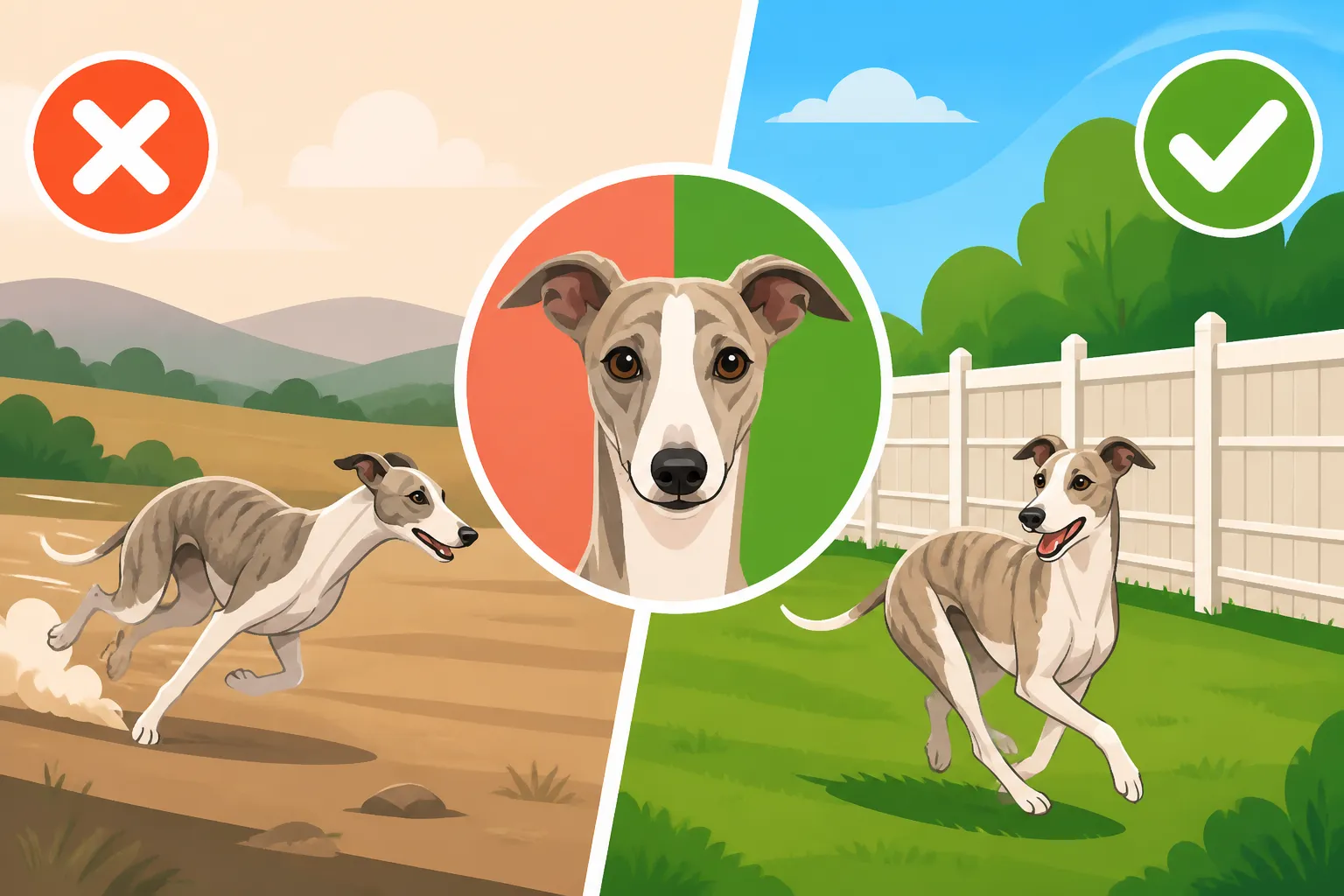
It's a common dilemma for Whippet owners, isn't it? You see that lean, athletic body practically vibrating with the urge to run, but the thought of letting them off-leash in an open space can send a shiver down your spine. Their incredible speed, combined with a fierce prey drive, means that a simple squirrel or plastic bag blowing in the wind can transform your sweet companion into a blur of motion, deaf to all commands. This guide will help you understand why a secure fenced area is often essential for a Whippet's safety and well-being, and explore various options for providing that crucial running space.
The Instinctual Drive: Why a Whippet Needs Room to Zoom Safely
Let's be honest, part of the immense joy of owning a Whippet is watching them unleash their incredible speed. They are built for sprinting, for chasing, and for that glorious full-stretch gallop that seems to defy gravity. But this very instinct, this hardwired desire to pursue, is precisely why a conventional "good recall" often isn't enough to keep them safe in an unfenced environment. It's not that your Whippet doesn't love you or isn't well-trained; it's that their breed-specific prey drive is incredibly powerful, often overriding learned commands in a split second.
Understanding the Whippet's Need for Speed and Chase
Whippets are sighthounds, bred for generations to spot and chase moving objects. This isn't just a quirky personality trait; it's a fundamental part of who they are. When a Whippet sees something move, especially something small and fast, their brain switches into "hunt mode." Their vision is incredibly acute, designed to pick up movement at a distance. Once that chase instinct kicks in, it's like a primal switch has been flipped. You might call your, whistle, even offer the most delectable treat, but in that moment, the chase is all that matters. They are not being disobedient; they are simply fulfilling their deepest genetic programming. This is why many owners struggle with Thirty Five Miles an Hour and No Brakes on a Whippet's Recall. Their speed is deceptive too; what looks like a manageable distance to cover in pursuit can vanish in seconds, putting them in danger surprisingly quickly.
The Dangers of Unfenced Running for Sighthounds
The consequences of a Whippet bolting in an unfenced area are far more severe than for many other breeds. First and foremost, their speed means they can cover vast distances in mere moments, quickly becoming lost or running into unknown territory. Second, their focus on the chase makes them completely oblivious to their surroundings, including traffic. A Whippet running at full tilt might dart across a road without a second thought, with tragic results. Third, their delicate build, while streamlined for speed, makes them vulnerable to injury. Collisions with trees, fences, or other dogs can lead to serious harm, especially with their The Thin Skin That Sends a Whippet to the Vet for Stitches. For these reasons, many sighthound owners emphatically state that Why a Whippet Cannot Be Let Off Leash in an Open Field is a non-negotiable rule, even for seemingly quiet rural roads or open parks. It's a risk most simply aren't willing to take with their beloved companions.
Defining "Safe": What a Fenced Area Really Means for a Whippet
Given their unique needs, a fenced area for a Whippet isn't just "any fence." It needs to be thoughtfully designed and regularly checked to ensure it truly provides a secure environment for their explosive bursts of energy. After all, if the fence isn't up to scratch, it defeats the purpose entirely. The goal is peace of mind, knowing your Whippet can run to their heart's content without a potential escape or injury.
Minimum Height and Security for a Whippet Fence
When considering fence height, you might be surprised to learn that Whippets aren't typically Olympic high jumpers. While they can clear an impressive height if truly motivated or startled, most are more likely to look for gaps or dig underneath. A standard 5-foot or 6-foot fence is generally considered sufficient for containing an average Whippet. What's more crucial than just height is the overall integrity and construction of the fence. Are there any loose panels? Are the gates secure and self-latching? A Whippet might not scale a fence, but a weak spot could present an opportunity they'll quickly exploit. The general consensus for How Tall a Fence a Whippet Needs is to err on the side of caution. If you have a particularly athletic or determined Whippet, or if they have a strong motivation on the other side of the fence (like another dog or wildlife), you might consider a slightly taller option or adding coyote rollers to the top.
Materials and Maintenance to Prevent Escapes
The type of fencing material is also important. Chain-link fences are sturdy and provide good visibility, but they can be climbed if a Whippet is motivated enough, and some dogs can get their collars or paws caught. Solid wood fences offer privacy but can rot or warp, creating escape routes over time. Vinyl fences are durable and low-maintenance. Whatever material you choose, ensure it extends all the way to the ground, with no gaps underneath for your Whippet to squeeze through. Some owners even bury chicken wire or a similar barrier along the bottom perimeter to prevent digging escapes, which can be a real issue for some curious Whippets. Regular maintenance is key; walk your fence line monthly, checking for loose boards, weakened posts, or new holes dug by wildlife that your Whippet might enlarge. Remember, a fence is only as strong as its weakest point. A small gap that might seem insignificant to you could be a wide-open door to a determined Whippet looking to chase a rabbit or explore.
Beyond the Backyard: Alternatives When a Private Fence Isn't Possible
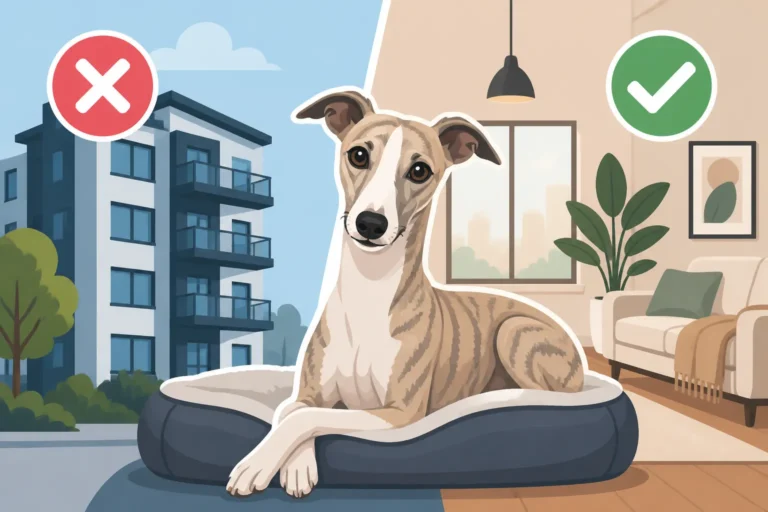
Not every Whippet owner has the luxury of a large, securely fenced private yard. Whether you live in an apartment, rent a home with an inadequate fence, or simply don't have the space, it doesn't mean your Whippet can't enjoy safe off-leash running. There are several creative and responsible ways to provide that essential outlet for their energy, each with its own set of considerations.
Utilizing Secure Dog Parks or Rented Enclosures
For some, a local dog park might seem like the obvious solution. However, extreme caution is advised with Whippets in public dog parks. While some parks have adequately tall fences, the real danger often comes from other dogs. Whippets, with their thin skin and delicate build, can be easily injured during rough play with larger, more boisterous breeds. They are also often much faster than other dogs, which can lead to chase games that quickly turn into frustrated, aggressive encounters from the slower dogs. So, while a dog park might offer space, it often comes with significant risks that many sighthound owners aren't comfortable taking. If you do go, be hyper-vigilant and know that Whether a Dog Park Is Safe for a Whippet is a question with a lot of nuance.
A much safer and increasingly popular option is renting private, securely fenced fields. Many communities now have services that allow you to book an hour or two in a dedicated, often large, and very well-maintained fenced area. These spaces are typically reserved just for you and your dogs, eliminating the risks associated with unknown dogs and ensuring absolute security. A quick search on the internet for "private dog field rental" or "sniffspot" (a popular service) can often reveal options in your area. This allows your Whippet to truly open up and run without any distractions or dangers.
The Role of Long Lines for Safe Exploration
If a fully fenced area isn't available, or for supplementing runs in a fenced space, a long line can be an invaluable tool. A long line is essentially a very long leash (ranging from 15 to 50 feet or more) that allows your Whippet a greater range of motion while still keeping them safely connected to you. It's fantastic for practicing recall in a controlled environment, exploring new smells, or simply getting a good trot in a large open space like a park or beach where traditional off-leash isn't safe or allowed.
When choosing a long line, look for durable materials that won't tangle easily. Nylon or biothane lines are popular and can be found readily on platforms like Amazon. Always attach the long line to a well-fitting, secure harness rather than directly to their collar, to prevent injury to their neck if they suddenly hit the end of the line. Make sure the harness is one your Whippet can't back out of easily; The Harness a Whippet Backs Out Of is a common concern for many owners. Using a long line requires active supervision – never leave your dog unattended, and always be aware of your surroundings. It's an excellent way to give them a sense of freedom while maintaining ultimate control. Many owners find that Whether a Long Line Suits a Whippet really depends on their comfort with handling it, but it's a great skill to develop.
Beyond the Fence: Training and Management for a Safe Whippet Life
While a secure fence is a cornerstone of safe Whippet ownership, it's not a set-it-and-forget-it solution. Even with the best fence, ongoing training, vigilance, and thoughtful management are critical to ensuring your Whippet remains safe and happy. The fence provides a boundary, but good habits and understanding your Whippet's nature reinforce that safety.
Reinforcing Recall and Boundary Training Even with a Fence
It might seem counterintuitive, but having a securely fenced yard is the perfect place to practice and strengthen your Whippet's recall. Without the intense pressure of potential escape, you can work on making coming when called a fun, rewarding game. Use high-value treats and enthusiastic praise every single time your Whippet comes to you, even if they were only a few feet away. This builds a strong positive association. You can also work on "boundary training" within your yard, teaching your Whippet that the fence line is a place to stop, not to try and get through. This might involve walking the perimeter with them on-leash, rewarding them for staying away from the fence, or using markers. Tools like the online training programs from BAXTER & Bella can be incredibly helpful for structured, positive reinforcement training, including recall and boundary games that can be practiced in a safe, enclosed space. Even with a fence, the ultimate goal is for your Whippet to choose to stay with you and inside the designated area.
Supervision and Hazard Awareness in the Fenced Space
A fenced yard is a privilege, but it's not an excuse for unsupervised outdoor time. Whippets, like all dogs, can get into trouble even in seemingly safe environments. Always supervise your Whippet when they are outside, even in your own yard. This allows you to intervene if they start digging, chewing on something inappropriate, or engaging in behaviors that could lead to escape. Beyond obvious things like poisonous plants or chemicals, consider other hazards. Are there lawn ornaments they could run into at full speed? Is there standing water that could harbor mosquitoes or other dangers? Are there any small gaps that have appeared since your last fence check? Even the most secure fence can become compromised over time by weather, wear, or even your Whippet's own persistence. Regularly checking your fence and supervising playtime helps prevent unexpected incidents and ensures that the fenced area remains a true sanctuary for your fast-footed friend. This constant vigilance is part of being a responsible Whippet owner, especially given their specific physical vulnerabilities and prey drive.
Comparing Off-Leash Running Options for Whippets
To help you visualize the different avenues for providing your Whippet with safe running opportunities, here's a quick comparison of popular options:
| Option | Initial Setup/Effort | Ongoing Supervision | Pros | Cons |
|---|---|---|---|---|
| Private Fenced Yard | High (installation) | Moderate | Convenience, always available, familiar environment | Cost, maintenance, may not be an option for all |
| Secure Dog Park | Low | High | Socialization, large space | Risks from other dogs, unknown fence integrity, liability concerns |
| Long Line Exercise | Low (purchase) | High | Safe exploration, recall practice, flexible | Requires active handler participation, can tangle, limited speed |
| Rented Private Field | Moderate (booking) | Moderate | Max security, large space, no other dogs | Booking required, cost per session, availability varies by location |
| Lure Coursing/Fast CAT | Moderate (travel) | Low (during run) | Ultimate prey drive outlet, safe, structured fun | Event-based, not daily exercise, competitive aspect |
Ultimately, the best approach for your Whippet might be a combination of these options. A secure private yard for daily zoomies, supplemented with occasional trips to a rented field or participation in structured activities like lure coursing, can provide a well-rounded and safe exercise regimen. Remember that The Job a Whippet Actually Needs often involves these quick, intense bursts of speed followed by long naps, so providing a safe outlet for that speed is paramount to their well-being.
Disclaimer
This article is for general informational purposes only and does not constitute professional advice. Laws, prices and regulations vary by location and change over time. Consult a qualified professional for guidance on your specific situation.