Whether a Whippet Breeder Picks Your Puppy
It’s a common dream for many prospective Whippet owners: you see a litter of adorable puppies, and you immediately picture yourself choosing "the one" – the cutest, the cuddliest, the one that makes eye contact. But the reality is often quite different, and in most cases, a reputable Whippet breeder will be the one making the final decision on which puppy goes to your home. This guide will help you understand why breeders operate this way, what your role in the process truly is, and how to embrace the excitement of waiting for your future companion.
The Breeder's Perspective on Puppy Placement
When you’re looking for a Whippet, you're not just looking for a pet; you're looking for a family member, and a good breeder understands this deeply. They also understand their puppies in a way no potential buyer ever could. They've spent weeks, often months, observing these tiny Whippets from birth, charting their development, noting their unique quirks, and seeing how they interact with their littermates, their mother, and the humans in their lives. This isn't just about finding a home for a puppy; it's about finding the right home for each specific puppy.
Think about it from their shoes. They’ve invested time, love, and considerable resources into this litter, from genetic health testing the parents to ensuring optimal nutrition for the mother and puppies. They feel a profound responsibility to ensure each puppy thrives in its new environment. Their goal is a lifetime match, not just a sale. This is why many experienced breeders take a very hands-on approach to puppy placement, believing they are best equipped to make these crucial decisions.
Matching Personalities and Lifestyles
One of the primary reasons a Whippet breeder selects the puppy for you is their unparalleled ability to match individual puppy personalities with suitable family lifestyles. They've seen these puppies grow from tiny newborns, observed their interactions, their play styles, and even how they react to different stimuli within their safe, familiar environment. Is a puppy bold and adventurous, or more reserved and sensitive? Does it show a strong prey drive, or is it more interested in snuggling?
Consider a family with rambunctious young children. They might be drawn to the most energetic, boisterous puppy in the litter. However, the breeder might know that while that puppy loves to play, it also tends to be a bit mouthy or easily overstimulated, which might not be ideal for tiny hands. Instead, they might suggest a slightly calmer, more tolerant sibling who still enjoys play but also settles easily. Conversely, an active single person looking for a running companion might be steered towards a more confident, driven puppy, while someone seeking a quiet couch companion might be offered the most laid-back little snooze-hound. Breeders aim to prevent mismatches that can lead to frustration for both the dog and the owner down the line, ultimately ensuring the puppy doesn't end up needing rehoming. They really want their puppies to be in their forever homes, and a good match from the start is key.
Evaluating Temperament and Potential
Beyond general personality traits, breeders are also looking at the inherent temperament and potential of each puppy for specific roles. For instance, some puppies might show early signs of being exceptional in performance sports like lure coursing or agility, with a keen focus and strong drive. Others might display a calm, biddable nature that makes them ideal candidates for therapy work. Still others are simply born to be the most wonderful, loving companion pets, perfectly content with walks, naps, and snuggles.
A breeder with years of experience knows their lines intimately and can often predict how a puppy will develop. They consider factors like how the puppy handles stress, its willingness to engage with humans, and its inherent confidence or caution. For a show breeder, certain structural elements are crucial, and they might reserve puppies with the most promising conformation for their own program or for other show homes. For someone simply seeking a beloved pet, these specific nuances might not be as obvious, or even relevant, but for the breeder, they are critical to ensuring the breed's future and the puppy's success in its intended path. They're often thinking years down the road, not just about the cute puppy face in front of them.
The Importance of the Application Process
This is where you, as the prospective owner, really shine! While the breeder makes the final puppy selection, your detailed application is your most powerful tool in communicating your needs and lifestyle. Think of it less as an interrogation and more as a crucial conversation starter. Breeders want to know everything: your living situation (apartment or house with a yard?), your family dynamic (children, other pets?), your work schedule, your experience with dogs, and your expectations for a Whippet.
Are you prepared for The First Year With a Whippet Puppy? Have you thought about Socializing a Whippet Puppy properly? Are you an active person who envisions long hikes, or are you looking for a mellow companion for Netflix binges? The more honest and thorough you are, the better equipped the breeder is to understand your home environment and match a puppy that will thrive there. This transparency builds trust and allows the breeder to advocate for the best interests of their puppies, ensuring they go to homes that genuinely understand and are prepared for the unique joys and challenges of living with a Whippet.
Your Role in the Puppy Selection Process
While it might feel like the breeder holds all the cards, your involvement in the puppy selection process is far from passive. In fact, it's integral. A good breeder doesn't just hand you a puppy; they work with you. Your communication, your transparency, and your engagement throughout the waiting period are key to helping them make the most informed decision for both you and your future Whippet. You are a partner in this process, not just a customer.
Your objective is to provide the breeder with all the information they need about your lifestyle, your preferences, and your expectations. This helps them narrow down the choices and present you with a puppy that truly fits. It's about collaboration, recognizing that both parties want the same outcome: a happy, healthy Whippet in a loving, well-suited home. This partnership often extends far beyond puppy pickup day, forming a valuable resource for advice and support for the lifetime of your dog.
Communicating Your Preferences and Needs
This is your opportunity to articulate what you're looking for in a companion. Be specific, but also be open to the breeder's expertise. Do you prefer a male or female? Are you hoping for a dog that's calm and quiet indoors, or one with more energy for dog sports? Do you have a specific color or pattern preference, or is temperament your absolute top priority? It's okay to have preferences, but it's even more important to prioritize the things that truly matter for a successful long-term relationship.
For example, you might really love a particular color, but if the puppy with that color is a high-energy dog and your lifestyle is more sedentary, the breeder will likely suggest another puppy whose temperament aligns better with your routine. Discussing what kind of activities you envision doing with your Whippet – whether it's Lure Coursing and Fast CAT Cost a Whippet Owner or simply being a beloved family pet – helps the breeder immensely. The more details you share about your home, your routine, and your experience, the better the breeder can envision which puppy will slot seamlessly into your life.
Visiting the Litter and Observing Puppies
When the time comes for you to visit the litter, understand that this is typically not a "pick your puppy" session. Instead, it's an invaluable opportunity for you to observe the entire litter, interact with them, and get a feel for their general temperaments and play styles. This visit also allows the breeder to observe you interacting with the puppies. Do you handle them gently? Are you comfortable with their playful nips? Do you seem overwhelmed by their puppy energy or delighted by it?
During your visit, pay attention to the puppies individually, but also as a group. How do they play together? Who is the bossy one, who is the shy one, who is the explorer? Ask the breeder questions about their observations. This isn't about making a choice yourself; it's about gathering information and confirming to the breeder that you understand the breed's characteristics and are prepared for the unique personality a Whippet brings. It's also a chance to bond with the puppies and perhaps even find yourself drawn to one or two, which you can then discuss with the breeder.
Building Trust and an Ongoing Relationship
The relationship with your breeder should ideally be a long-term one. A good breeder is a mentor and a resource for the entire life of your Whippet. By being open, honest, and respectful of their expertise during the puppy selection process, you're laying the groundwork for this valuable connection. They want to know their puppies are going to good homes, and your willingness to trust their judgment demonstrates your commitment to that puppy's well-being.
This trust extends to things like health guarantees, ongoing advice, and even taking the dog back if circumstances change. Many breeders offer a lifetime commitment to their dogs, meaning they will always be there to offer support or take the dog back into their care if needed. This is a huge benefit, and it stems from mutual trust established early on. Knowing that you have a knowledgeable partner who bred your dog can be incredibly reassuring, especially for first-time Whippet owners.
When You Might Have More Say (And When You Won't)
The degree to which you can influence puppy selection can vary significantly, depending on several factors. It's not a one-size-fits-all situation, and understanding these variables can help manage your expectations and guide your search for a Whippet puppy. Transparency from the breeder about their process is a good sign, and it's always appropriate to ask about their puppy placement policy early in your communications.
Some breeders might offer a tiny bit more choice, perhaps allowing you to choose between two puppies they've already identified as suitable for your home, while others will make the definitive decision without much input from you on the specific puppy. It really boils down to their individual philosophy and the specific goals for their breeding program.
Pet vs. Show/Performance Homes
This is often the biggest determinant of how much say you'll have. If you're looking for a companion pet, purely to be a cherished family member, you generally have a bit more flexibility, although the breeder will still match temperament. However, if you're looking for a Whippet with potential for the show ring, lure coursing, racing, or breeding, the breeder's criteria become much more stringent.
Breeders aiming for show or performance often keep the "pick of the litter" for themselves or place them in homes known for excelling in those specific areas. They've spent years developing their lines and have a keen eye for subtle structural differences, movement, and drive that indicate a puppy's potential. These puppies might be reserved even before a litter is born, based on the parent's pedigrees and anticipated traits. If you're hoping for a future champion, be prepared for a potentially longer wait and less choice, as the breeder will be meticulously evaluating puppies against very specific standards, like What the Whippet Standard Says About the Arch.
The Impact of Litter Size and Demand
Simple economics play a role here. If a breeder has a small litter, say only two or three puppies, and a long waitlist of approved homes, your chances of "choosing" a specific puppy become very slim. The breeder has fewer options to match with multiple families, making their decision even more critical to ensure the best fit for everyone. In such cases, you might be offered the only available puppy for a pet home, or you might need to wait for a future litter.
Conversely, a larger litter might offer the breeder a wider array of personalities and physical traits to work with, potentially giving them more room to consider your preferences while still making a solid match. However, high demand for Whippets in general means that even larger litters often have a comprehensive placement plan long before puppies are ready to go home. It's a good idea to ask a breeder about their typical litter sizes and how their waitlist usually works.
Understanding Breeder Contracts and Policies
Before you commit to a puppy, it is absolutely essential to thoroughly read and understand the breeder's contract and their specific policies regarding puppy selection. Most reputable breeders will have a written contract that outlines everything from health guarantees to spay/neuter requirements, and crucially, how puppies are assigned to homes. This document is there to protect both you and the breeder, and most importantly, the puppy.
Some contracts explicitly state that the breeder reserves the right to place puppies as they see fit. Others might allow you to express a preference for male or female, or even a particular 'type' of temperament (e.g., quiet, outgoing) and the breeder will do their best to accommodate within the confines of suitability. Don't be afraid to ask for clarification on any clauses you don't understand. A reputable breeder will welcome your questions and be transparent about their process. This is the foundation of a responsible adoption and ensures no misunderstandings later on.
| Aspect of Selection | Buyer's Typical Desire | Breeder's Priority | Outcome for Buyer |
|---|---|---|---|
| Choice of Puppy | To pick the "cutest" or a favorite | Match temperament to lifestyle | Breeder assigns best fit |
| Gender | Often a strong preference (male/female) | Balance litter and buyer needs | May get preference, but not guaranteed |
| Color/Markings | Often a strong preference | Secondary to health & temperament | Rarely a primary factor in assignment |
| Role (Pet/Show) | Specific goal (pet, sport, show) | Ensure puppy thrives in designated role | Breeder selects based on potential |
| Timing of Pick-up | As soon as possible | Optimal developmental stage for leaving | Breeder determines readiness |
Preparing for the Puppy Your Breeder Chooses
Once the breeder has made their decision and you know which adorable Whippet will be joining your family, the real fun of preparing begins! It’s natural to feel a mix of excitement and perhaps a little nervousness, but by focusing on preparation, you can channel that energy into creating the perfect welcoming environment for your new family member. Remember, a well-prepared home sets the stage for a smooth transition and a happy, well-adjusted Whippet.
This preparation isn't just about physical items; it's also about mental readiness. Understanding the breed, anticipating potential challenges, and knowing where to turn for support will make all the difference. Your breeder is your first and best resource, but there's a wealth of information available to help you too.
Researching the Whippet Breed Standard and Temperament
Even if you've done some initial research, now is the time to dive deeper into the specific nuances of the Whippet breed. Understand their typical temperament: they are often described as "40 mph couch potatoes," meaning they love to sprint but also adore lounging. Learn about their sensitivity, their need for warmth (they truly have A Whippet Has No Insulation and No Padding), and their surprisingly strong prey drive. Reading up on topics like Why a Whippet Cannot Be Let Off Leash in an Open Field can help you understand crucial safety considerations.
Knowing the breed's general characteristics helps you appreciate the individual puppy your breeder chose, as well as prepare for what life with a Whippet entails. While each dog is an individual, many breed-specific traits will undoubtedly surface. This research ensures your expectations are realistic and helps you better understand the breeder's decision, seeing how their choice aligns with the typical Whippet nature, combined with that puppy's unique personality.
Setting Up Your Home for a Whippet
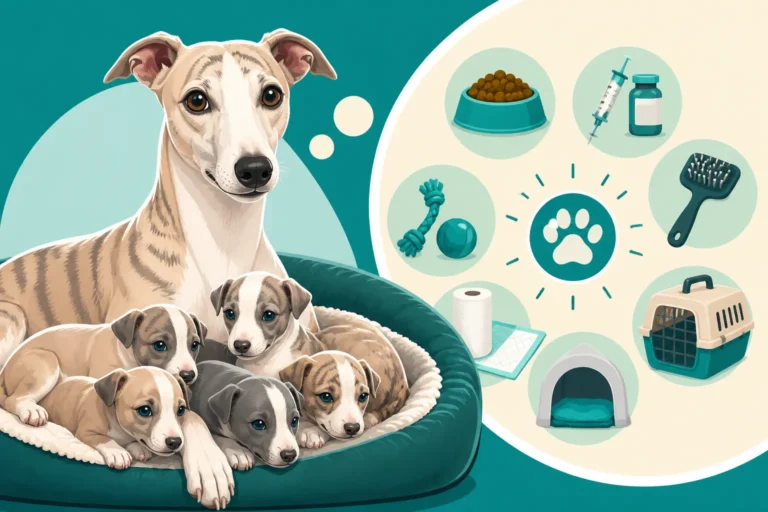
With your puppy's arrival date set, it's time to get your home ready! Think about all the essentials your Whippet will need. Start with soft, warm bedding – Whippets really can't handle hard floors, and they adore burrowing. You might find a great selection of durable, comfortable beds and blankets on sites like Chewy. Consider a crate, if you plan to crate train, ensuring it's appropriately sized and cozy.
You'll also need food and water bowls. If your breeder is feeding a specific brand, try to stick with that for continuity, or discuss transition plans. Some owners explore fresh food options from services like Ollie, but always consult your breeder and vet before making significant dietary changes, especially for a young puppy. Don't forget a properly fitting collar (a martingale is highly recommended for a Whippet's slender neck) and leash, puppy-safe toys, and grooming supplies like a soft brush and nail clippers. Puppy-proofing your home is also essential, removing any potential hazards that a curious young Whippet might get into.
Ongoing Support and Resources
The journey of dog ownership doesn't end when you bring your puppy home; it's just the beginning! A reputable breeder will always be available to answer questions and offer guidance throughout your Whippet's life. Don't hesitate to reach out to them if you have concerns about training, health, or behavior. They've likely dealt with similar situations countless times and can offer invaluable advice.
Beyond your breeder, there are many other excellent resources. Local puppy classes are fantastic for Socializing a Whippet Puppy and learning basic manners. Connecting with other Whippet owners through breed clubs or online communities can provide a network of support and shared experiences. And, of course, establishing a relationship with a trusted veterinarian is paramount. Consider looking into pet insurance options from providers like Healthy Paws early on; it can be a lifesaver for unexpected vet bills, especially with a breed prone to the occasional skin tear. Your vet can guide you on everything from vaccinations to nutrition and help you ensure your Whippet lives a long, healthy life.
Disclaimer
This article is for general informational purposes only and does not constitute professional advice. Laws, prices and regulations vary by location and change over time. Consult a qualified professional for guidance on your specific situation.