What a Whippet Bed Should Be Made Of
One of the most common frustrations for new Whippet owners, or even seasoned ones, is finding a dog bed that genuinely provides comfort and support for their lean, athletic hounds. You buy a bed, thinking it'll be perfect, only to find your Whippet shunning it for the sofa, or worse, developing sore spots from inadequate padding. Generic dog beds, designed for fluffier, more cushioned breeds, simply don't cut it for a dog with barely an ounce of spare fat. This guide is here to unravel the mystery of what a Whippet bed should really be made of, focusing on materials that offer the crucial support, warmth, and comfort your sighthound truly needs for a good night's rest, and to prevent those dreaded pressure sores.
Understanding Your Whippet's Unique Bedding Needs
Whippets are not your average dog when it comes to comfort. Their sleek, aerodynamic build, while stunning to behold, comes with specific challenges when it's time to settle down for a nap or a long night's sleep. Ignoring these unique needs can lead to discomfort, restlessness, and even health issues down the line.
Why Standard Dog Beds Fall Short for Whippets
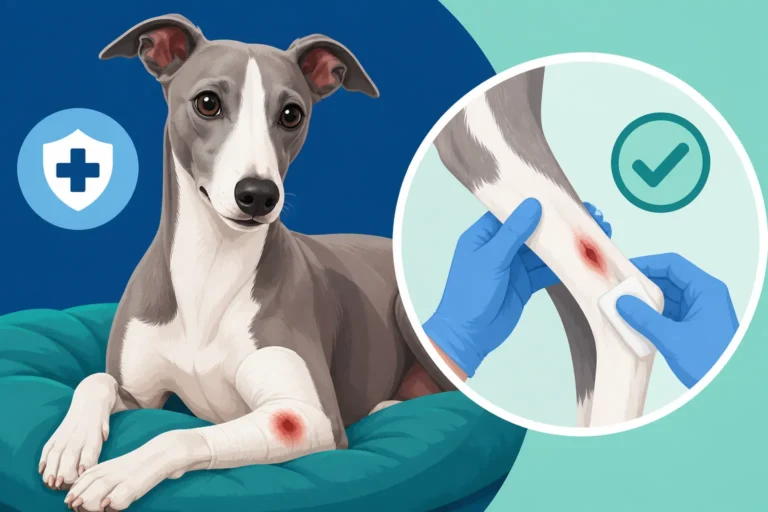
If you've ever felt the prominent hip bones, ribs, and spine of a Whippet, you understand immediately why a typical fiber-filled dog bed just won't do. These dogs have very little natural padding, meaning their joints and bony protrusions are in direct contact with whatever surface they lie on. A standard dog bed, often filled with loose polyfill or shredded foam, quickly compresses under their weight, offering little to no actual support. It's like trying to sleep on a thin blanket laid directly on a hard floor. Within weeks, sometimes even days, a cheap bed will flatten out, becoming an uncomfortable disc that offers no pressure relief. This isn't just about comfort; prolonged pressure on sensitive areas can lead to The Pressure Sores a Whippet Gets From Sleeping on the Floor, which are painful and can be surprisingly difficult to heal.
Imagine your Whippet, after a brisk sprint at the park, trying to settle on a bed that offers no give. They shift, they sigh, they paw at it, trying to create a comfortable spot that simply doesn't exist. Often, they'll abandon it for the "forbidden" sofa or your own bed, where they can finally stretch out on a cushioned surface. This isn't naughtiness; it's a desperate search for relief.
The Importance of Pressure Relief and Support
For a Whippet, a bed isn't just a place to sleep; it's a vital piece of their daily care. Proper pressure relief means that the dog's weight is distributed evenly across the sleeping surface, preventing any single point from bearing too much load. This is especially critical for their elbows, hips, and hocks, which are often the first places to develop calluses or sores. A supportive bed cradles their body, promoting good spinal alignment and reducing strain on their joints, which is especially important as they age or if they've had any Whether a Whippet's Racing Injuries Heal Fully.
Think of it this way: when you lie on a really good mattress, you feel supported yet cushioned. Your body finds its natural alignment, and you wake up refreshed, not stiff. Your Whippet deserves the same. A truly supportive bed helps them achieve deeper, more restorative sleep, which is crucial for their overall health, energy levels, and even their mood. It's an investment in their long-term well-being, potentially saving you vet bills down the line that a company like Healthy Paws might otherwise help with for skin issues.
Heat Retention and Burrowing Instincts
Whippets, with their thin skin and lack of insulating body fat, get cold very easily. They are practically built for snuggling under blankets and seeking out warm spots. This inherent need for warmth translates into a strong burrowing instinct. They love to tunnel under blankets, blankets, and more blankets. So, a bed that not only provides warmth itself but also accommodates this natural desire is paramount.
Leaving your Whippet on a bare bed in a cool room, even if it's technically soft, won't cut it. They need to feel enveloped, secure, and toasty. This is why you often see them shivering, even indoors, or seeking out sunbeams or warm laps. Keeping a Whippet Warm Without Overheating It is a constant balancing act, and their bed plays a huge role. If their bed is cold and uninviting, they will try to make their own warmth by curling into a tight ball, which puts more pressure on their joints and hinders proper relaxation.
Top Materials for Whippet Beds
When choosing a bed for your Whippet, the filling material is the most critical component. It’s what provides the actual support and comfort, or lack thereof. Let’s dive into the best options and what makes them suitable.
Memory Foam for Orthopedic Support
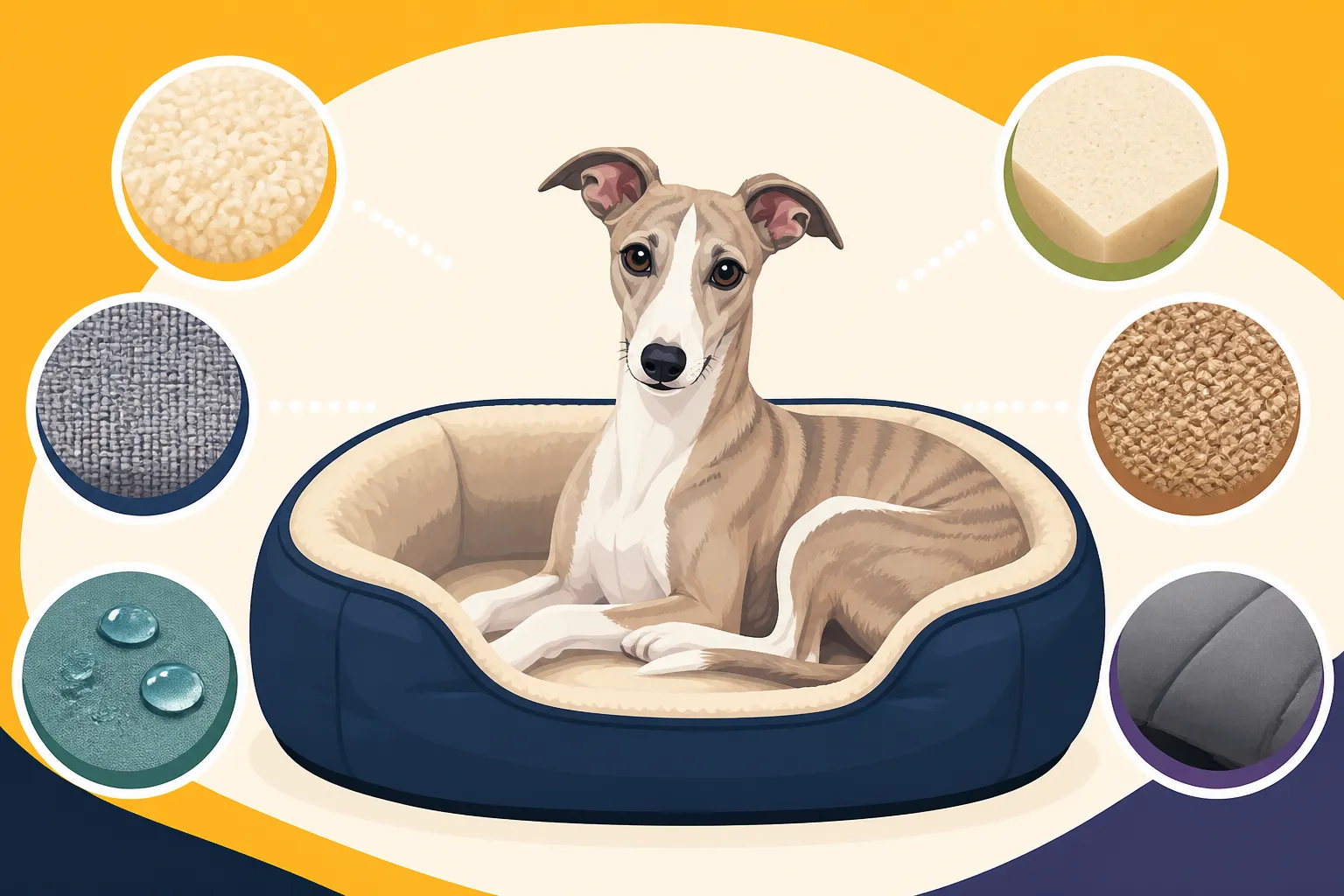
Memory foam is, without a doubt, the gold standard for Whippet bedding. This material, originally developed by NASA, conforms to the body's shape, distributing weight evenly and relieving pressure points. For a bony dog like a Whippet, this is a game-changer. When your Whippet lies on a memory foam bed, the foam slowly molds around their contours, cradling their joints and spine, rather than allowing their weight to press straight through to the floor.
Look for beds with at least a few inches of solid, high-quality memory foam. The density matters more than just the thickness. A cheap, low-density memory foam might feel soft initially but will quickly lose its supportive properties and break down. A good quality memory foam will retain its shape and support for years. Many brands offer orthopedic beds specifically designed for larger or older dogs, and these are often excellent choices for Whippets of any age. They're great for young Whippets to prevent issues and absolutely essential for Beds That Suit an Arthritic Whippet or those recovering from injuries.
High-Density Foam for Durability and Comfort
While memory foam is superior, a high-density conventional foam can also be an excellent choice, especially as a base layer in a multi-layered bed or if a pure memory foam bed is out of budget. High-density foam offers firm, consistent support that won't flatten out quickly. It's more resilient than shredded or low-density foams and can provide a good foundation.
Some of the best Whippet beds actually combine memory foam with high-density support foam. Imagine a thick layer of firm, high-density foam at the bottom to prevent "bottoming out," topped with a softer, conforming layer of memory foam. This combination provides the best of both worlds: robust support and plush pressure relief. These beds are often incredibly durable, standing up to years of daily use without losing their integrity, which is a big deal when you think about How Often a Whippet Owner Replaces a Bed.
Fleece, Sherpa, and Faux Fur for Warmth and Snuggle Factor
While the filling provides the support, the cover material is crucial for warmth and overall comfort, especially given the Whippet's need for heat retention and their burrowing instincts. Soft, plush fabrics like fleece, sherpa, and faux fur are ideal choices for the outer shell of a Whippet's bed.
These materials are incredibly soft against their delicate skin, which is important because The Thin Skin That Sends a Whippet to the Vet for Stitches can also be prone to irritation from rougher fabrics. More importantly, they trap air, creating an insulating layer that helps keep your Whippet toasty warm. This is particularly vital in cooler climates or during winter months. Many Whippets also love the tactile sensation of these fabrics, which appeals to their desire to nest and create a cozy den. You'll often find them kneading and burrowing into these soft textures before settling down. Retailers like Chewy offer a vast selection of beds with these luxurious covers, making it easy to find one that your Whippet will adore.
Cedar Chips or Cotton Blends for Breathability (and why they might not be ideal)
Some older style dog beds, or those marketed as "natural," might use fillings like cedar chips or loose cotton blends. While these materials might offer some breathability or natural odor control, they are generally not suitable as the primary filling for a Whippet's bed.
- Cedar Chips: While they smell nice and can deter pests, cedar chips offer no meaningful orthopedic support. They shift and clump, creating uneven surfaces that put pressure on bony areas. They can also be noisy and crunchy, which might deter a sensitive Whippet, and some dogs can have allergic reactions to the dust.
- Loose Cotton or Polyfill Blends: These are the most common fillings in cheap dog beds. They compress quickly, offer zero support, and tend to clump and become lumpy. While they might feel soft initially, they quickly become uncomfortable and provide no pressure relief whatsoever. For a Whippet, these are essentially decorative pillows rather than functional beds. You want to avoid any bed that suggests this kind of filling as the primary source of padding.
Key Features and Considerations Beyond Material
Beyond the core materials, several other features contribute to the ideal Whippet bed experience. These thoughtful additions can make a huge difference in how much your Whippet loves their sleeping space.
Removable, Washable Covers
This isn't just a convenience; it's a necessity. Whippets, being the lean creatures they are, can sometimes get a bit oily from their skin, or they might track in dirt from outside. Their delicate skin also means you want to keep their sleeping environment clean to prevent any potential skin irritations. A removable, machine-washable cover makes keeping the bed fresh and hygienic incredibly easy. Look for sturdy zippers and durable fabrics that can withstand frequent washing without losing their shape or color. This feature extends the life of the bed and ensures your Whippet always has a clean place to rest.
Bolsters and Walls for Security and Head Rests
Many Whippets absolutely adore beds with bolsters or raised walls. This isn't just about aesthetics; it taps into their natural instinct to curl up in a secure, den-like space. The bolsters provide a sense of security and enclosure, making them feel safe and cozy. They also offer a perfect place for your Whippet to rest their head, which many sighthounds enjoy. Whether a Whippet Should Sleep Under a Blanket or burrow into a bolster bed, the feeling of being nestled and protected is paramount.
When choosing a bolster bed, ensure the bolsters themselves are well-filled and supportive, not just flimsy fabric tubes. They should offer enough structure to act as a proper headrest or a comfortable side to lean against.
Size and Shape Considerations
The ideal size and shape depend on your Whippet's preferred sleeping position.
- For Curlers: If your Whippet loves to curl up in a tight donut, a round or oval bolstered bed might be perfect. Make sure it's large enough for them to stretch out a bit if they choose, without being so vast that they feel exposed.
- For Stretchers: Many Whippets, especially after a good run, love to stretch out completely, sometimes on their backs with all four legs in the air! For these dogs, a rectangular bed that allows them to fully extend their body is crucial. You want to ensure the bed is long enough so their head and tail don't hang off the edge.
Consider where the bed will go. If it's a crate bed, then Whether a Whippet Needs a Padded Crate Mat implies it must fit snugly inside the crate, but still offer ample padding. If it's a bed for the living room, you might opt for a larger, more luxurious model.
Location, Location, Location: Where to Put the Bed
Even the best bed can be underutilized if placed in a bad spot. Whippets are sensitive to drafts and cold, so positioning their bed away from doorways, leaky windows, or cold tile floors is important. They often gravitate towards sunny spots or warm areas near a radiator (but not too close, we don't want overheating!). Since they are companion animals who thrive on being near their humans, placing their bed in a common living area where they can still be part of the family without being underfoot is usually a winner. Some Whippet owners find their dogs prefer to sleep in the bedroom, close to their people, especially as they get older and may feel the cold more. How Many Beds a Whippet Needs in a House often surprises people, as they tend to want a comfy spot in every room their humans frequent.
The Best Bed Combinations for a Happy Whippet
Achieving the ultimate Whippet bed comfort often comes down to clever combinations and understanding how different elements work together. It's rarely a one-size-fits-all solution.
Layering for Ultimate Comfort
Think of your Whippet's bed like your own perfect sleep setup: a good mattress, a supportive pillow, and soft, warm blankets.
- The Foundation: Start with a solid memory foam or high-density foam base. This is your "mattress." It provides the essential orthopedic support and pressure relief.
- The Topper: If your base isn't supremely plush, you can add a soft, thick topper made of fleece or faux fur. This adds an extra layer of cushioning and warmth. Whether a Whippet Needs Memory Foam is a strong 'yes', and combining it with something soft on top often wins the day.
- The Blankets: This is where the burrowing instinct comes in. Always provide soft blankets for your Whippet to dig into and cover themselves with. Fleece throws are perfect; they're lightweight, warm, and easy to wash. Some Whippets even appreciate a small, pet-safe heated pad placed under the bed or within a secure pocket in the bed, especially in colder homes or for older dogs, though always supervise to ensure it's not too hot. For more on this, check out Whether a Whippet Needs a Heated Pad.
This layered approach ensures your Whippet gets both the firm, even support their bony body needs and the soft, warm, den-like comfort they crave.
Beds for Different Situations (Crate, Travel, Outdoor)
It's not just one bed for life. Your Whippet will likely need different types of beds for different scenarios.
| Bed Type | Ideal Material Combination | Key Features for Whippets | Use Case |
|---|---|---|---|
| Main Bed | Solid memory foam base with a plush, washable cover | Orthopedic support, bolsters for security, ample size | Primary sleeping spot in living room or bedroom |
| Crate Pad | Firm foam or memory foam, durable, water-resistant cover | Non-slip bottom, perfectly sized to fit crate, moderate thickness | Inside a crate for training or travel, offers minimal padding |
| Travel Bed | Rolled up fleece blanket, thin foam pad, or soft mat | Lightweight, portable, easy to wash, folds compactly | Car trips, visits to friends, temporary sleeping arrangements |
| Outdoor Pad | Durable, water-resistant fabric (e.g., ripstop nylon) | Easy to clean, provides barrier from cold/hard ground, quick-dry | Backyard lounging, camping, dog sports events |
For crate pads, remember that Whether a Whippet Needs a Padded Crate Mat is usually a resounding yes, to protect their joints during confinement. For travel, a simple, soft fleece blanket (perhaps one from Chewy that's easy to pack) can double as a comforting, familiar scent in new places. Even Whether a Whippet Sleeps on the Sofa Anyway means that having a dedicated blanket or throw on your sofa can turn it into their approved comfort zone without too much extra wear and tear on your furniture.
Ultimately, the best Whippet bed is one that you've thoughtfully chosen, keeping their unique physique and comfort needs at the forefront. Investing in quality bedding is investing in their health and happiness for years to come.
Disclaimer
This article is for general informational purposes only and does not constitute professional advice. Laws, prices and regulations vary by location and change over time. Consult a qualified professional for guidance on your specific situation.