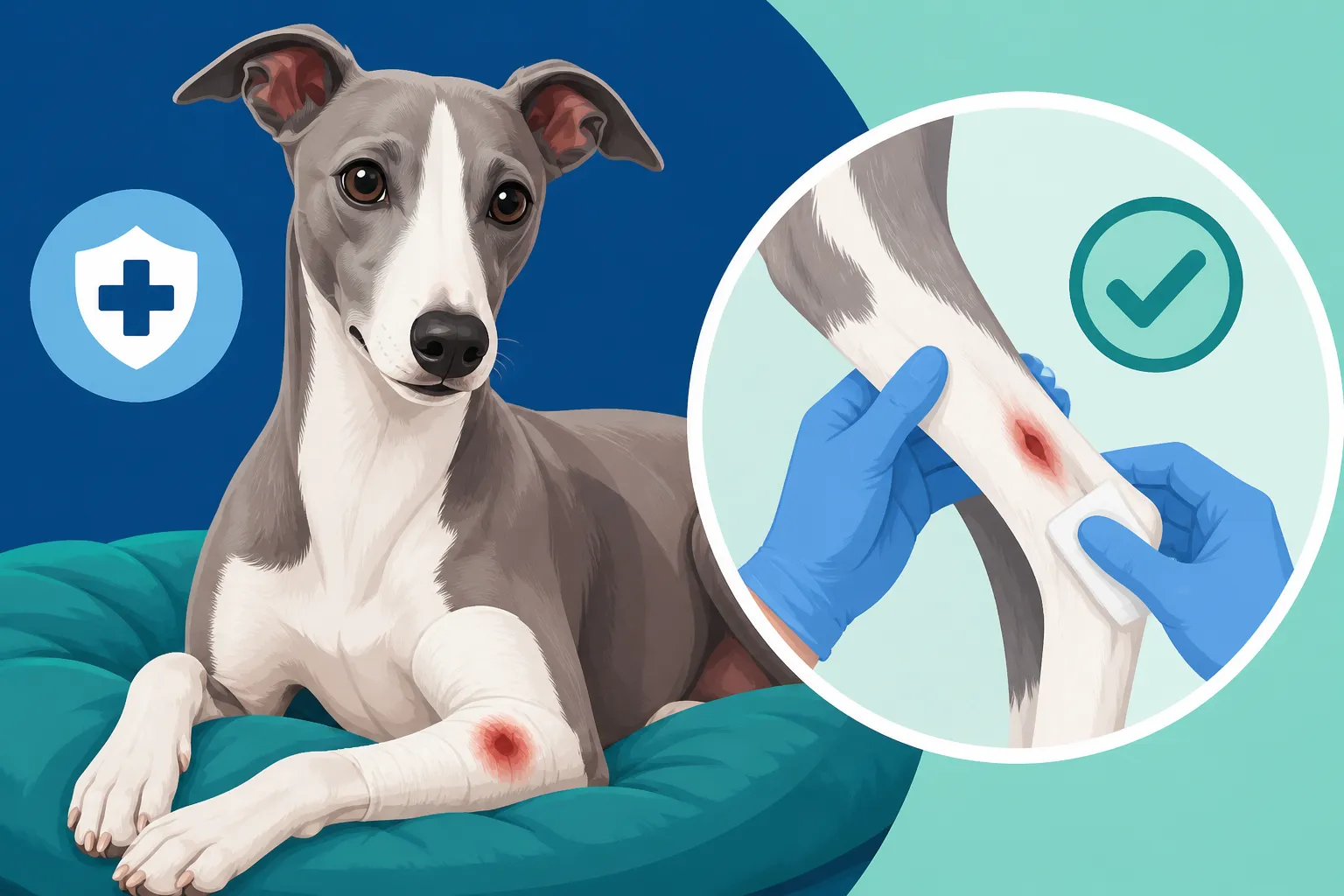
Whether a Whippet Needs Repeat Wound Checks
It’s a scenario every Whippet owner dreads: you look down and see a gash, a deep scrape, or a mysterious tear on your beloved dog’s delicate skin. Your heart sinks. After the initial panic and the frantic dash to the vet, you might be wondering, "Is one visit enough, or will my Whippet need repeat wound checks?" The answer, like so many things with our unique sighthounds, isn't always a simple yes or no, but understanding the nuances can make all the difference in their recovery.
The Delicate Reality of Whippet Skin and Wound Healing
Whippets are magnificent creatures, built for speed and grace, but their physical attributes also make them prone to certain vulnerabilities. Their skin, in particular, is a topic of constant discussion among owners, often leading to unexpected vet visits.
Why Whippet Skin is So Vulnerable
If you've spent any time around a Whippet, you've probably noticed their incredibly thin, almost transparent skin. It’s not just a superficial observation; it’s a biological reality. Unlike many breeds with thicker hides or dense undercoats, Whippets lack the protective layer of subcutaneous fat that acts as a cushion. Their skin is stretched tautly over prominent muscles and bones, offering very little buffer against bumps, scrapes, or even minor collisions. It's like a finely tailored suit of silk – beautiful, but easily snagged.
This inherent fragility means that what might be a superficial scratch on a Golden Retriever could easily become a deep laceration on a Whippet. Running through a patch of brambles, catching themselves on a crate door, or even just rough-housing with another dog can result in a surprising amount of damage. It’s a constant source of worry for us, isn’t it? Just imagine that moment your dog leaps over a low fence and catches a stray nail, or skids on a patch of concrete – suddenly, you’re looking at a trip to the emergency vet. This is why it’s so important to understand The Thin Skin That Sends a Whippet to the Vet for Stitches.
How Whippets Heal Differently
Beyond the initial trauma, the healing process itself can present unique challenges for Whippets. Because their skin is so thin and has less elasticity, wounds don't always close as neatly or heal as quickly as they might on other breeds. There’s less tissue to work with, and sometimes the tension on the skin can be quite significant, making it harder for sutures to hold firmly. This can lead to a slower healing time and, often, more noticeable scarring.
It's not uncommon for a Whippet's wound to look a bit "raw" or take longer to completely knit together, even with proper care. You might find yourself constantly inspecting the area, wondering if it's progressing as it should, or if that slight redness is something to worry about. This delicate healing process is why understanding How Slowly a Whippet's Skin Heals is so crucial, as it manages expectations and highlights the need for vigilance.
The Initial Vet Visit and What It Entails
When your Whippet sustains a significant wound, the first course of action is almost always an immediate vet visit. This isn't just about getting stitches; it's about proper assessment, cleaning, and closure. The vet will evaluate the depth and extent of the injury, check for foreign bodies, and determine the best method for closure, whether that's surgical glue, staples, or traditional sutures. They'll also likely administer pain medication and potentially antibiotics, especially if the wound appears contaminated.
This initial visit is critical for setting the stage for good healing. The veterinarian might shave the area, thoroughly clean it to prevent infection, and then meticulously close the wound. They'll also give you instructions for at-home care, which typically includes keeping the wound clean and dry, preventing your Whippet from licking or chewing, and administering any prescribed medications. Sometimes, they'll even discuss Whether a Whippet's Wound Needs Glue or Stitches based on the nature of the injury. It’s a lot to take in when you’re worried, and it sets the foundation for whether you'll need subsequent visits. You can read more about what happens during this initial phase in Treating a Whippet's Skin Tear.
Understanding the "Why" Behind Repeat Wound Checks
So, you've been to the vet, your Whippet has their wound patched up, and you're doing your best with home care. Is that the end of it? Not always. For many Whippet wounds, repeat checks aren't just a suggestion; they're a vital part of ensuring a full and healthy recovery.
Monitoring for Infection
One of the primary reasons for follow-up appointments is to diligently monitor for signs of infection. Even with the best initial cleaning and prophylactic antibiotics, bacteria can still find a way in, especially with the kind of environment our dogs explore. A developing infection can quickly escalate, leading to complications, delayed healing, and even more significant health issues if left unchecked.
What are we looking for? Increased redness around the wound, swelling, heat to the touch, or any discharge that is yellow, green, or has a foul odor. Your Whippet might also act lethargic, lose their appetite, or develop a fever. These are all red flags. A quick check by your vet can identify an infection early, allowing for prompt treatment with a different antibiotic or further cleaning. This proactive approach can prevent a minor issue from becoming a major one. It’s not just about looking at the surface; it’s about ensuring the body is responding correctly, and a vet can often spot subtle signs that a worried owner might miss. Sometimes, the question arises as to Whether a Whippet Needs Antibiotics for Every Cut, and this is where professional guidance truly matters.
Assessing Suture Integrity and Healing Progress
Another crucial aspect of repeat wound checks is to assess how well the wound itself is closing and if the sutures (if any) are holding. Whippet skin can be tricky, and sometimes, despite best efforts, sutures can pull through, or the skin edges might gape. This is known as dehiscence, and it means the wound isn't healing properly and might need re-suturing or different management.
During a follow-up, your vet will carefully inspect the wound margins, looking for any signs of tension, swelling, or opening. They’ll also gauge the overall progress of healing, noting if new tissue is forming and if the inflammation is decreasing. It’s a bit like quality control for your Whippet’s skin. For wounds that are particularly large, in high-motion areas (like a leg or flank), or on areas where the skin is under a lot of natural tension, these checks become even more important. They might also remove sutures, which is typically a separate visit, but still part of the wound care process. Understanding Whether a Whippet's Stitches Come Out at the Vet will shed more light on this specific step.
The Role of Your Veterinarian's Expertise
While you, as a loving owner, are incredibly attuned to your Whippet's well-being, your veterinarian brings a wealth of experience and medical knowledge to the table. They’ve seen countless wounds, know what normal healing looks like in a sighthound, and can identify subtle cues that might indicate trouble. Their trained eye can differentiate between normal post-surgical swelling and the beginning of an infection, or between healthy granulation tissue and an abnormal lump.
They can also advise on appropriate activity levels, dietary considerations that might aid healing, and when it’s safe to slowly reintroduce normal routines. Their guidance is invaluable, especially for a breed like the Whippet, which often has unique physiological responses, such as sensitivity to certain medications or a tendency for specific types of injuries. Frankly, knowing Whether a Whippet Needs a Vet Who Knows Sighthounds is paramount, as their specific breed knowledge truly makes a difference in complicated cases like wound care. You’re not just paying for a check-up; you’re investing in specialized insight for your dog.
Factors Influencing the Need for Follow-Up Care
The decision for repeat wound checks isn't arbitrary; it's heavily influenced by several factors unique to your Whippet and the injury itself. Your vet will consider all these elements when recommending a follow-up schedule.
Type and Severity of the Wound
Not all wounds are created equal. A small, clean puncture wound that's been glued might require less intensive follow-up than a large, jagged laceration that required extensive suturing and was contaminated with dirt or debris. The deeper and wider the wound, the more complex the healing process, and thus, the greater the need for professional oversight.
Similarly, the location of the wound plays a significant role. Wounds on high-motion areas like joints, or on very thin skin over bony prominences (like hips or elbows), tend to be more challenging to heal and are more prone to complications. These areas might need more frequent checks to ensure the sutures aren't pulling and that the wound is closing properly. Consider those common scrapes and tears on their legs or flanks – Where a Whippet Tears Its Skin Most often dictates a more cautious approach to aftercare. The more severe or complex the initial injury, the more likely your vet will want to see your Whippet again.
Your Whippet's Overall Health and Age
A young, healthy Whippet with a robust immune system might heal faster and with fewer complications than an older Whippet or one with pre-existing health conditions. Dogs with compromised immune systems, diabetes, or other chronic illnesses may have delayed wound healing or be more susceptible to infection. For our senior Whippets, their skin might be even more fragile, and their body's ability to repair itself can be slower.
If your Whippet is elderly, or if they're on medications that can affect healing (like corticosteroids), your vet will likely recommend more frequent checks to ensure everything is progressing as it should. It’s a careful balance, giving their body the best chance to recover without unnecessary stress. For an older dog, every aspect of care, including wound healing, becomes a bit more nuanced. It really makes you think about Caring for an Old Whippet That Feels the Cold and how their aging bodies respond to challenges.
Your Ability to Monitor at Home
While your vet’s expertise is paramount, your role in monitoring your Whippet’s wound at home is also incredibly important. You’re the one who sees them multiple times a day, noticing subtle changes in their demeanor, appetite, or the appearance of the wound itself. If you're diligent about checking for signs of infection (redness, swelling, discharge, odor, pain) and ensuring your Whippet isn't licking or chewing at the site (which a cone or e-collar helps with), you're providing invaluable support to their recovery.
However, it's crucial to be realistic about your own comfort level and observational skills. Some owners are excellent at spotting potential issues, while others might feel less confident. If you find yourself constantly second-guessing what you're seeing, or if the wound is in an awkward spot that's hard to examine thoroughly, that's a good indicator that professional follow-up is a wise choice. Having a well-stocked first aid kit (What to Keep in a Whippet First Aid Kit) can empower you for minor issues, but for anything serious, vet eyes are best.
Navigating the Logistics of Wound Checks and Costs
Once the decision is made for repeat wound checks, the practicalities come into play. This includes understanding the typical schedule, budgeting for the visits, and knowing when home care is sufficient versus when a vet visit is truly necessary.
When Is a Repeat Check Usually Scheduled?
The timing of repeat wound checks can vary significantly depending on the factors discussed above. For a simple wound that's been glued, your vet might not schedule a formal follow-up, instead instructing you to monitor at home and call if concerns arise. For more complex lacerations closed with sutures, a common schedule might involve:
- 24-48 hours post-op: Sometimes, especially for very deep or contaminated wounds, an initial check might be recommended to ensure no immediate complications or signs of severe infection are developing.
- 3-5 days post-op: This is a common interval to assess initial healing, check for infection, and ensure sutures are holding.
- 10-14 days post-op: This is often when sutures are ready to be removed. The vet will assess the wound's closure and overall healing before taking them out. This visit is quite standard, as removing sutures is not usually something owners can safely do themselves.
Your vet will provide a specific timeline tailored to your Whippet's situation. It's always best to err on the side of caution and follow their recommendations, even if you feel the wound looks fine.
The Cost of Follow-Up Appointments
Let's be realistic: vet visits, even quick follow-ups, come with a cost. This can be a source of stress for many owners, especially after the initial expense of the emergency visit and What a Whippet Laceration Repair Costs. A follow-up check might involve a consultation fee, and if any additional treatments are needed (like a bandage change, extra medication, or even sedation for suture removal if your Whippet is particularly anxious), those will add to the bill.
This is where having pet insurance can be a huge relief. Providers like Healthy Paws can help cover unexpected veterinary expenses, including follow-up care for accidents and illnesses. It’s definitely worth looking into before these situations arise, because as Whippet owners know, cuts and scrapes are almost an inevitability. Without insurance, these costs can add up, creating a tough decision for families. It's why we often talk about Emergency Stitches: the Whippet Bill Nobody Budgets For – it's a real and often un-planned expense. Always check with your chosen provider about what their plans cover, deductibles, and reimbursement percentages.
Home Care vs. Professional Oversight
Finding the right balance between diligent home care and necessary professional oversight is key. You are your Whippet's primary caregiver, and your observations are vital. You should be regularly checking the wound, keeping it clean, and ensuring your Whippet isn't interfering with it. Many basic wound care supplies, like sterile saline, gauze, and even appropriate Elizabethan collars, can be found readily at pet supply retailers like Chewy, making home maintenance easier.
However, home care is not a substitute for professional medical assessment when red flags appear. If you notice any signs of infection, if the wound opens up, if your Whippet becomes lethargic or refuses food, or if you simply have a gut feeling that something isn't right, don't hesitate to contact your vet. It's always better to call and ask than to wait until a problem becomes severe. Your vet can advise if a visit is necessary over the phone, potentially saving you a trip, but never be afraid to advocate for your dog if you’re concerned.
Here’s a quick summary of when a repeat vet check is most likely needed:
| Factor | Likelihood of Repeat Checks | Reason |
|---|---|---|
| Wound Severity | High | Deep, large, contaminated, or complex lacerations need closer monitoring. |
| Wound Location | High | High-motion areas (joints), thin skin over bones (hips, elbows) are prone to issues. |
| Signs of Infection | Immediate/High | Redness, swelling, discharge, heat, foul odor, systemic illness. |
| Suture Concerns | Immediate/High | Sutures pulling out, wound edges gaping, excessive tension. |
| Whippet's Age/Health | Higher | Elderly, immunocompromised, or ill Whippets heal slower and are more fragile. |
| Owner Comfort Level | Higher | If you're unsure or uncomfortable monitoring effectively at home. |
| Suture Removal Required | Standard | A vet visit is almost always needed for safe and complete suture removal. |
Remember, your vet is your partner in your Whippet's health journey. Open communication and a willingness to follow their guidance will ensure your Whippet gets the best possible care for their precious, delicate skin.
Disclaimer
This article is for general informational purposes only and does not constitute professional advice. Laws, prices and regulations vary by location and change over time. Consult a qualified professional for guidance on your specific situation.