Whether a Whippet Is Cheap to Feed
Many prospective Whippet owners look at these lean, elegant dogs and automatically assume they must eat like a horse to maintain their physique and energy, leading to concerns about significant monthly food bills. It’s a common misconception that their athletic build means a huge appetite and a hefty price tag at the pet store. This guide aims to clear up those assumptions, offering a realistic look at what it truly costs to feed a Whippet, exploring their unique nutritional needs, and providing practical tips for managing your budget without compromising on quality.
Understanding Whippet Metabolism and Calorie Needs
Whippets are built for speed and efficiency, not for carrying extra weight. Their sleek, muscular bodies are finely tuned, and this impacts their dietary requirements in ways that might surprise you, especially if you're used to chunkier, more robust breeds. They burn energy efficiently, but also need the right fuel to maintain their athletic prowess and overall health.
The High Energy, Lean Body Paradox
It’s easy to look at a Whippet's prominent ribs and taut flank and think they're perpetually on the brink of starvation. However, this lean look is completely normal and healthy for the breed. Unlike many other dogs, Whippets don't carry much subcutaneous fat. They have a naturally high metabolism, especially during bursts of activity, but they also spend a significant portion of their day being the ultimate couch potatoes. This creates a paradox where they need nutrient-dense food, but not necessarily massive quantities. Their bodies are incredibly efficient at utilizing what they eat, which means they don't typically require the sheer volume of food a larger, heavier-boned breed might consume, even if that larger dog is less active. This efficiency is a holdover from their history as the "poor man's racehorse," where every bit of energy had to count.
Factors Influencing a Whippet's Appetite
While generally not huge eaters by volume, a Whippet's actual appetite and food intake can vary quite a bit. Age plays a significant role; a rapidly growing puppy will, of course, need more calories and specific nutrients than a mature adult. Similarly, a pregnant or lactating female will have vastly increased energy demands. Individual metabolism is also a factor. Just like people, some Whippets run a little hotter than others, burning through calories more quickly, while some are perfectly content with less. Genetics can influence this, as can their overall health. A Whippet recovering from an illness or injury might need extra nutritional support to aid healing, while one that's a bit sedentary might need careful portion control to prevent weight gain, which can be detrimental to their delicate joints and overall structure.
How Activity Levels Impact Food Requirements
This is where the "forty-mile-an-hour couch potato" nickname really comes into play. A Whippet can go from zero to warp speed in seconds, but those sprints are often short-lived, followed by long naps. On days filled with zoomies in a secure yard, a spirited game of chase, or a good session of lure coursing, your Whippet will naturally burn more calories. On these days, they might need a slight increase in their food intake or a more calorically dense food to keep their energy levels up and help muscle recovery. This is particularly true for Whippets involved in regular performance activities like racing. Whether a Racing Whippet Needs a Performance Food is a question many owners ponder, and often, the answer is a carefully balanced diet tailored to their output.
Conversely, on a rainy day when walks are shorter and outdoor play is minimal, their caloric needs will decrease. Overfeeding on these less active days is a quick way for a Whippet to pack on unwanted pounds, which can strain their lean frame. It's really important to observe your dog, monitor their body condition (you should be able to easily feel their ribs, but they shouldn't protrude sharply), and adjust their food accordingly. It’s a dynamic balance, not a static feeding schedule, and understanding this is key to maintaining a healthy weight.
The Real Cost of Quality Whippet Nutrition
When considering What Feeding a Whippet Costs Each Month, it’s not just about the size of the bag, but the quality of what’s inside. Whippets thrive on good nutrition, and while they might not eat as much as a Great Dane, their specialized needs mean choosing wisely.
Dry Kibble vs. Wet Food vs. Fresh/Raw Options
The market for dog food is vast, offering everything from budget-friendly kibble to gourmet fresh meals.
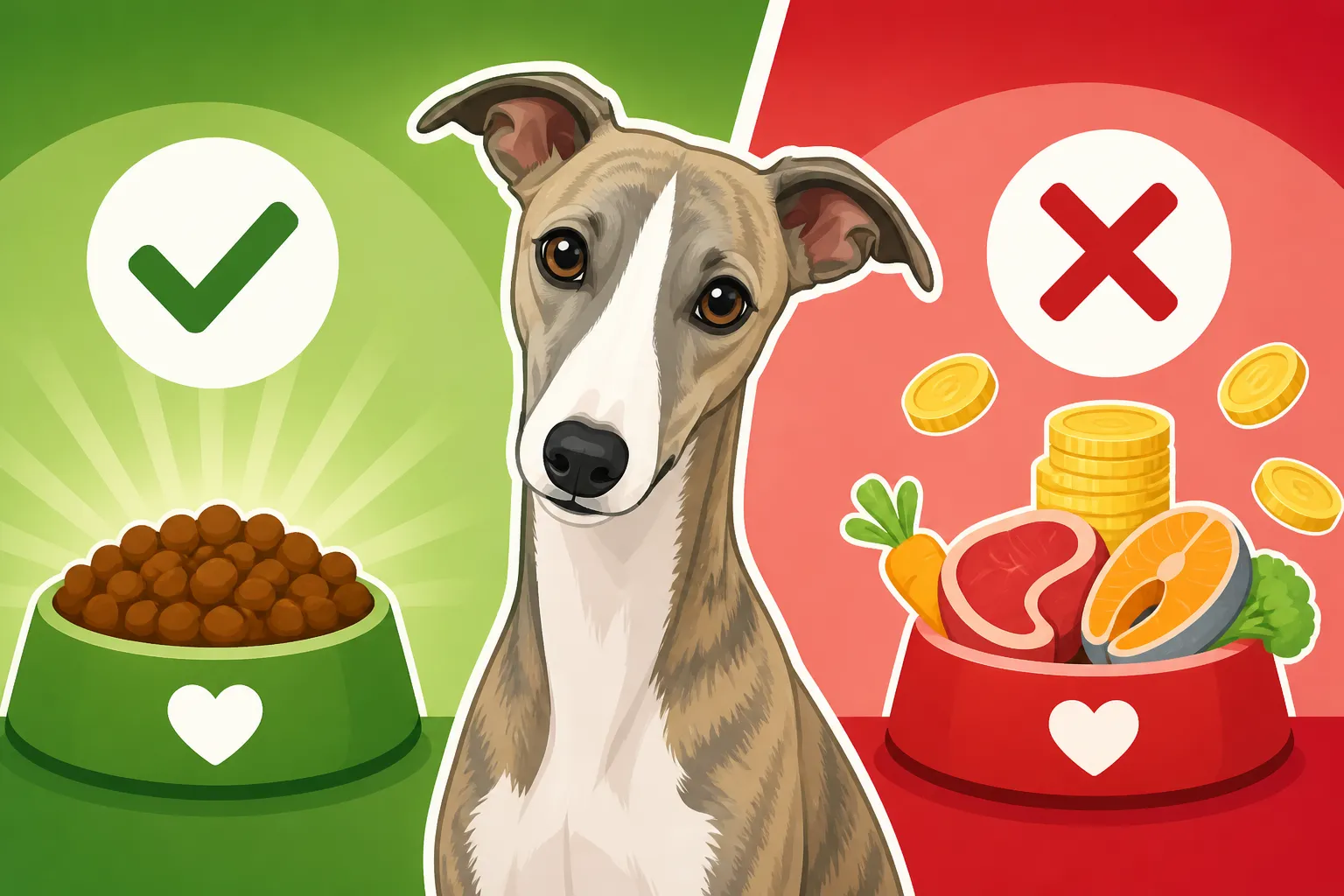
Dry kibble is often the most economical choice. High-quality kibble formulated for active or lean breeds provides a complete and balanced diet, and many Whippets do exceptionally well on it. The cost can vary significantly depending on the brand, ingredients, and where you buy it. For instance, a basic, decent quality kibble might be very affordable, while a premium, small-batch, grain-inclusive or grain-free option with specialized ingredients will naturally cost more.
Wet food, while often very palatable, tends to be more expensive per serving due to its higher moisture content. For Whippets, who can sometimes be Why a Whippet Is a Picky Eater, wet food can be a good topper or occasional treat, but feeding it exclusively can quickly add up.
Then there are fresh food or raw food diets. These options, gaining popularity, can offer excellent nutrition and palatability. Brands like Ollie deliver customized, human-grade fresh meals right to your door, which can be fantastic for a Whippet's health and enjoyment. However, these often come at a premium price point, reflecting the quality of ingredients and convenience. Similarly, a DIY raw diet requires meticulous research, careful balancing of ingredients, and often significant preparation time to ensure it’s nutritionally complete and safe. Whether a Whippet Can Be Fed Raw or Whether Fresh Food Suits a Whippet are common questions, and while many sighthounds thrive on these diets, the cost and effort are definitely higher.
Brand Comparisons and Budgeting for Food
When it comes to choosing a brand, there's a huge spectrum. You can find widely available brands at grocery stores, mid-range options at big box pet retailers, and premium, specialized formulas at boutique pet shops or online. The key is to look at the ingredient list, not just the price tag. For a Whippet, you want easily digestible proteins, healthy fats, and good carbohydrates. Avoid fillers and excessive by-products.
To budget effectively, consider comparing the cost per calorie or per serving, rather than just the bag price. A more expensive bag of nutrient-dense food might last longer than a cheaper bag of filler-heavy food, making it more cost-effective in the long run. Many online retailers, like Chewy, offer subscription services that can provide a discount and ensure you never run out of your Whippet's favorite food.
Here's a simplified look at how food types might compare in terms of general cost structure (actual prices vary widely by brand and region):
| Food Type | General Cost Level | Main Advantages | Main Disadvantages |
|---|---|---|---|
| Dry Kibble | Low to Moderate | Most economical, shelf-stable, easy to store | Quality varies, can be less palatable |
| Wet Food | Moderate to High | Very palatable, good for hydration | Higher cost per serving, can lead to dental issues |
| Fresh Food | High | Highly palatable, human-grade ingredients | Most expensive, requires refrigeration |
| Raw Diet (DIY) | Moderate to High | Can be tailored, species-appropriate | Requires careful balancing, potential for contamination |
Remember, a sudden change in diet can upset a Whippet's Whether a Whippet Has a Sensitive Stomach, so whatever you choose, transition slowly.
Supplements and Special Dietary Needs
For most healthy Whippets on a complete and balanced diet, additional supplements aren't necessary. Their food should provide all the nutrients they need. However, there are instances where supplements become important. For an older Whippet, a joint supplement might be beneficial to support their mobility as they age, especially if they have been active throughout their lives. Caring for an Old Whippet That Feels the Cold often involves not just warm coats but also dietary considerations to maintain muscle mass and overall vigor.
If your Whippet has specific health issues, your vet might recommend a prescription diet or particular supplements. For example, a dog with a history of skin issues might benefit from omega-3 fatty acids, or one with digestive troubles might need a probiotic. These specialized foods and supplements will, of course, add to your monthly feeding expenses. Always consult with your veterinarian before adding any supplements to your Whippet's diet to ensure they are truly necessary and appropriate.
Beyond the Bowl: Other Feeding-Related Costs
Feeding a Whippet isn't just about the food itself. There are other associated costs that, while often overlooked, contribute to the overall expenditure on their diet and well-being. Thinking about these peripheral costs can help you build a more accurate budget.
Treats, Chews, and Training Rewards
Anyone who has ever trained a Whippet knows how highly they value a good treat. These intelligent sighthounds, while sensitive, respond incredibly well to positive reinforcement, and that often means a steady supply of high-value rewards. What a Whippet Will Work For often includes delicious morsels, and these add up! From small, soft training treats for recall practice to longer-lasting chews to keep them occupied, these items are an important part of a Whippet’s life.
The cost of treats can vary widely. Small bags of training treats are relatively inexpensive, but if you’re doing a lot of training or using them liberally, you'll go through them quickly. Dental chews or bully sticks, while more costly individually, can provide longer engagement and also contribute to dental hygiene. It's important to choose treats that are healthy and don't contribute excessive calories, especially for a breed prone to being a little too lean, but also one that can easily gain weight if overfed. Factor in a regular budget for these extras, as they’re essential for positive reinforcement and mental enrichment.
Food Storage and Preparation Tools
While not a recurring monthly cost like food, the initial outlay for food storage and preparation equipment can be a consideration. A good airtight container for kibble is a must to keep it fresh and free from pests. If you opt for fresh or raw food, you'll need appropriate storage containers, and possibly dedicated feeding bowls for hygienic reasons. Many Whippet owners also invest in slow feeder bowls if their dog tends to The Whippet That Bolts Its Food. While these items aren't prohibitively expensive, they are part of setting up your Whippet's feeding station correctly.
Beyond storage, consider bowls themselves. Stainless steel bowls are hygienic and durable, while ceramic or silicone options are also popular. Some owners choose raised bowls, although there's debate about their necessity for Whippets. All these tools contribute to a smooth feeding routine and help maintain the quality and safety of your Whippet's diet.
Unexpected Vet Bills Related to Diet
Even with the best intentions, dietary issues can sometimes lead to unexpected vet visits. A Whippet with a particularly Whether a Whippet Has a Sensitive Stomach might require specialized prescription food, which is often more expensive than over-the-counter options. Gastrointestinal upsets, allergic reactions to certain ingredients, or even an accidental ingestion of something they shouldn't have eaten can all result in vet bills for diagnosis, medication, or treatment.
While you can't predict every issue, being proactive with your Whippet's diet and regular vet check-ups can help. Quality food supports overall health, potentially reducing the likelihood of diet-related problems. This is where pet insurance can be a real lifesaver. Companies like Healthy Paws can help cover unexpected vet costs, including those related to sudden illnesses or accidents, taking some of the financial sting out of these situations. While insurance doesn't directly impact feeding costs, it definitely impacts the overall cost of keeping your Whippet healthy, which is intrinsically linked to their diet.
Strategies for Economical Whippet Feeding
Feeding your Whippet a high-quality, nutritious diet doesn't have to break the bank. With a little planning and smart shopping, you can provide the best for your lean companion without overspending.
Bulk Buying and Subscription Services
One of the easiest ways to save money on dog food is to buy in larger quantities, assuming you have appropriate storage. Larger bags of kibble typically have a lower cost per pound than smaller ones. Of course, only do this if you know your Whippet thrives on that particular food and you can use it before it goes stale. A good airtight container is essential for keeping bulk food fresh.
Many online retailers and pet supply stores offer subscription services, often with a discount for regular deliveries. This not only saves you money but also the hassle of remembering to reorder. For example, Chewy provides an auto-ship option that can make stocking up more affordable and convenient. If you're considering fresh food, services like Ollie offer customizable plans that might have cost benefits compared to piecing together a fresh diet on your own. Always compare prices, shipping costs, and any available discounts to find the best deal.
Making Informed Choices About Food Brands
The sheer number of dog food brands on the market can be overwhelming, but becoming an educated consumer can save you money and ensure your Whippet gets optimal nutrition. Don't be swayed by marketing alone; turn the bag over and look at the ingredient list. Prioritize real meat as the first ingredient, and look for wholesome grains (unless a grain-free diet is specifically recommended by your vet) and a good balance of fats and vitamins.
Sometimes, a lesser-known brand offers excellent quality at a more competitive price point than a heavily advertised premium brand. Read reviews, consult with your veterinarian, and even ask other Whippet owners in breed-specific groups for their recommendations. What works for one Whippet might not work for another, so be prepared for a bit of trial and error to find the perfect balance of quality, palatability, and price for your dog. Remember that a "cheap" food that causes digestive issues or doesn't provide adequate nutrition might lead to higher vet bills down the line, ultimately costing you more.
Balancing Quality and Cost
The goal is to find the sweet spot where quality meets affordability. This often means choosing a mid-range to high-quality kibble that meets your Whippet's nutritional needs without being excessively expensive. You might supplement it with occasional fresh additions or use high-value, healthy treats for training, rather than committing to a full fresh or raw diet if the cost is prohibitive.
Consider the long-term impact of your food choices. A diet rich in good nutrients supports a strong immune system, healthy skin and coat, and optimal energy levels, potentially contributing to fewer health problems over your Whippet's The Twelve to Fifteen Years a Whippet Lives. Investing in good food is an investment in their overall well-being, which can pay dividends in avoided vet costs and a happier, healthier companion. Don't fall into the trap of buying the absolute cheapest food just to save a few dollars; your Whippet's health is worth a sensible investment in their diet.
The Long-Term Perspective on Whippet Feeding Costs
Understanding that a Whippet's nutritional needs evolve throughout their life is crucial for managing feeding costs and ensuring their continued health. Their diet isn't a "set it and forget it" situation; it changes as they age and their activity levels shift.
Adjusting Diet for a Growing Puppy
Bringing home a Whippet puppy is an exciting time, but it also means understanding their rapid growth phase. Puppies require a diet specifically formulated for growth, rich in protein and calories to support the development of their muscles, bones, and organs. They typically eat more frequently than adults, often three to four small meals a day, and their caloric needs per pound of body weight are higher. It's vital to choose a high-quality puppy food, often one designed for medium-sized breeds, to ensure they get the right balance of nutrients without over-supplementation, which can sometimes lead to growth issues. How Much a Whippet Puppy Eats at Four Months will be significantly more, relatively, than a senior dog.
As they transition from puppyhood to adolescence, their food intake will remain relatively high, especially if they are very active. However, it's essential to monitor their body condition closely. Whippet puppies can look quite gangly during their growth spurts, but you still want to feel their ribs easily. Overfeeding a puppy can lead to unhealthy weight gain and put undue stress on their developing joints. Transitioning to an adult formula around 12-18 months of age is common, often reducing the caloric density slightly to match their maturing metabolism.
Senior Whippet Nutritional Needs
As your Whippet enters their golden years – typically around seven or eight years old, sometimes later – their dietary needs will shift again. The Age a Whippet Counts as a Senior might mean a change in diet. An older Whippet might become less active, leading to a decrease in their overall caloric requirements. Feeding an aging Whippet the same amount of food as their younger, more active self can quickly lead to unwanted weight gain, which is particularly hard on their joints and cardiovascular system.
Conversely, some senior Whippets might start to Whether an Old Whippet Loses Muscle mass or have trouble maintaining weight due to various health conditions. In these cases, a more calorically dense and highly digestible diet, or one with increased protein, might be necessary. It’s also common for older dogs to develop dental issues, making softer food or softened kibble more appealing. Feeding an Old Whippet requires careful observation and regular consultations with your vet to tailor their diet to their specific needs. Supplements for joint health or cognitive function might also be recommended, adding to the overall cost but significantly improving their quality of life.
The Link Between Diet and Overall Health
The long-term health of your Whippet is inextricably linked to the quality of their diet throughout their life. A well-nourished Whippet is more likely to have a strong immune system, healthy organs, a gleaming coat, and good energy levels. This can translate to fewer vet visits for preventable issues and a higher quality of life. Conversely, a poor diet can contribute to a myriad of problems, from dull coats and flaky skin to digestive upsets, obesity, and even chronic diseases.
While the upfront cost of premium dog food might seem higher, consider it an investment in your Whippet's health. The potential savings on vet bills and the joy of having a vibrant, healthy companion for many years often outweigh the difference in food costs. Regular check-ups with your veterinarian will help you monitor your Whippet's health and make informed decisions about their diet at every stage of their life, ensuring they live out their full The Average Age a Whippet Reaches with vitality.
Disclaimer
This article is for general informational purposes only and does not constitute professional advice. Laws, prices and regulations vary by location and change over time. Consult a qualified professional for guidance on your specific situation.