Whether a Whippet Needs a Raincoat
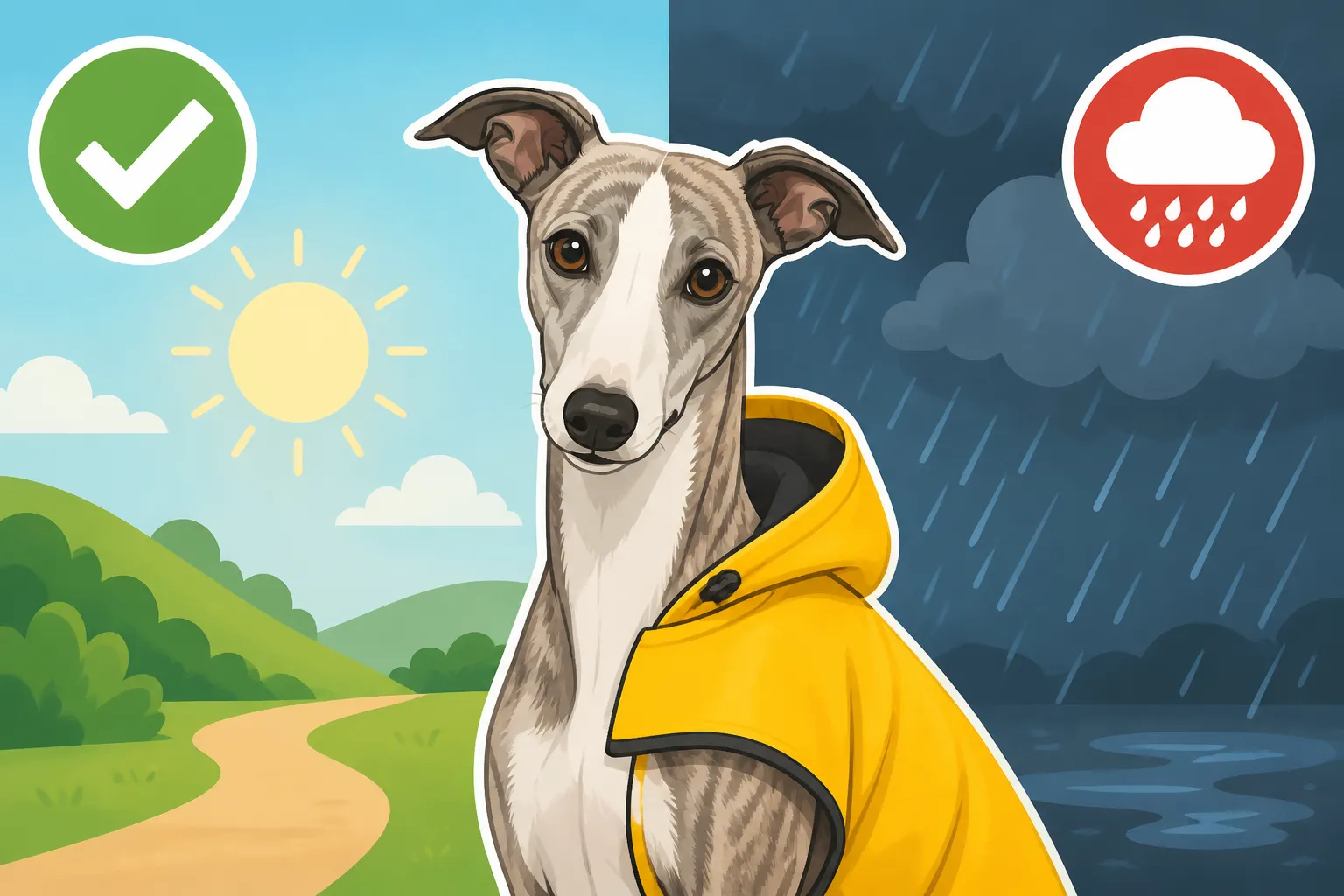
If you're a whippet owner, you know the struggle: a sudden downpour hits, and your usually enthusiastic dog turns into a statue at the back door, eyeing the rain as if it's made of acid. Their fine, single coat and lean physique mean they get cold and soaked through almost instantly, making even a quick potty break an ordeal. This guide is here to help you navigate the necessity and benefits of a raincoat, ensuring your delicate sighthound stays comfortable, dry, and willing to face the elements, no matter how grey the skies get.
Understanding a Whippet's Unique Needs in Wet Weather
Whippets are magnificent creatures, renowned for their sleek lines, incredible speed, and surprisingly cuddly nature. However, their physical attributes, which make them such graceful athletes and loving companions, also leave them particularly vulnerable to the elements, especially rain. It's not just a preference; it's a physiological reality.
The Whippet's Lack of Natural Insulation
Let's be honest, our whippets aren't built for harsh weather. They possess a remarkably thin skin and a single layer coat that offers next to no insulation against cold or wet. Unlike breeds with thick double coats or ample body fat, a whippet's sleek form, with its prominent ribs and hip bones, means there's very little natural padding to keep them warm. This is why you often find them burrowed under blankets or seeking out the warmest spot in the house, even when it's not particularly chilly indoors. If you've ever wondered why your whippet always seems to be seeking warmth, it's directly related to A Whippet Has No Insulation and No Padding.
When rain hits that thin coat, it instantly penetrates to the skin. There's no dense undercoat to wick it away or create an air pocket of warmth. The water makes direct contact, rapidly drawing heat away from their body. This isn't just uncomfortable; it can lead to a significant drop in their core body temperature, especially if they are outside for more than a few minutes. Think about how quickly you'd feel the chill if you were wearing only a thin t-shirt in a cold rain shower – that's precisely what your whippet experiences.
Why Rain is More Than Just an Annoyance for Whippets
For many dogs, rain is just a minor inconvenience, perhaps even a fun splash fest. For a whippet, it can genuinely be an unpleasant and even physically challenging experience. Their sensitivity to cold is well-documented; you've probably witnessed your whippet shivering even on a slightly cool day. Introduce cold, wet rain into the equation, and that shivering can become intense and prolonged, indicating genuine discomfort and a struggle to regulate their body temperature. This isn't them being dramatic; it's their body's automatic response to prevent hypothermia.
This physical discomfort translates directly into behavior. Many whippet owners can tell you horror stories about their dog refusing to go outside for potty breaks in the rain, leading to accidents indoors or prolonged periods of holding it in. It's a real and frustrating problem for many households, often forcing owners to try creative solutions or simply wait out the weather. This aversion to going out when it's wet is a common issue, and it's why understanding The Whippet That Will Not Toilet in the Rain is so crucial for their well-being and your sanity. A raincoat doesn't just keep them dry; it alleviates a significant source of their distress and makes those necessary outdoor excursions much more manageable for both of you.
The Practical Benefits of a Whippet Raincoat
Given their unique physiology, a raincoat for a whippet isn't merely a fashion statement; it's a practical item that offers a multitude of benefits, enhancing both your dog's comfort and your ease of care. It's an essential piece of their wardrobe, much like their winter coats and pajamas.
Keeping Them Dry and Warm
The primary, and most obvious, benefit of a raincoat is its ability to keep your whippet dry. A good raincoat acts as a waterproof barrier, preventing rain from saturating their thin coat and reaching their delicate skin. This makes an enormous difference in how quickly they get chilled. When their coat stays dry, their body doesn't have to expend as much energy trying to stay warm, which means less shivering and a happier dog. It’s like having an umbrella they can wear!
Beyond just preventing them from getting wet, a raincoat, especially one with a light lining, can provide a slight bit of insulation, helping them maintain their core body temperature. This is particularly important on those cold, drizzly days when the air itself is chilly. Even if the rain isn't heavy, persistent dampness combined with cool air can quickly make a whippet feel miserable. A quality raincoat helps mitigate this, turning what would be a teeth-chattering experience into a much more tolerable one. For general warmth, remember to consider The Temperature at Which a Whippet Needs a Coat as well.
Encouraging Outdoor Potty Breaks (Even in a Downpour)
One of the biggest headaches for whippet owners is the absolute refusal to go outside when it's raining. Your whippet might plant their feet, give you a look of utter betrayal, or even try to hide. This isn't stubbornness; it's a genuine aversion to the cold, wet sensation. A raincoat can be a game-changer here. By putting on their coat, you're essentially telling them, "Hey, we've got this covered!" and removing one of the major deterrents to venturing out.
With their sensitive skin protected from the direct assault of rain, many whippets become much more willing to step out to do their business. This means fewer indoor accidents, less stress for both dog and owner, and a healthier routine for your whippet. When they know they won't be instantly soaked to the bone, the mental barrier to going outside often disappears. It transforms the dreaded "rain walk" into a quick, necessary excursion without the drama.
Reducing Post-Walk Cleanup and Mess
Let's face it, a wet dog means a messy house. Muddy paw prints, a damp coat brushing against furniture, and that distinct "wet dog smell" can quickly turn your sparkling clean home into a disaster zone. Whippets, being low to the ground, can pick up a lot of splash and grime, especially on their delicate bellies and legs.
A raincoat dramatically cuts down on the amount of wetness and dirt your whippet brings back inside. With most of their body covered, you'll find that only their paws and perhaps a small part of their legs need a quick wipe-down. This saves you significant time and effort in cleanup, protecting your floors and furniture. Imagine coming back from a rainy walk and only needing a towel for their feet, rather than having to dry their entire body. It's a small change that makes a huge difference in the daily life of a whippet owner.
Key Features to Look for in a Whippet Raincoat
Choosing the right raincoat for your whippet isn't as simple as grabbing the first cute one you see. Their unique body shape and specific needs require careful consideration of several key features to ensure maximum comfort and effectiveness.
Material and Waterproofing
The core function of a raincoat is, of course, to repel water. Look for materials that are genuinely waterproof, not just water-resistant. Nylon and polyester fabrics with a waterproof coating or membrane are common and effective. Some higher-end coats might use technical fabrics designed for breathability as well as waterproofing. Breathability is important to prevent your whippet from getting too warm and sweaty underneath the coat, especially if they are exercising actively or if it's a humid rain.
You'll often see terms like "DWR coating" (Durable Water Repellent) or "taped seams." A DWR coating helps water bead up and roll off the fabric, while taped seams prevent water from seeping through the tiny needle holes where the fabric is stitched together. Without taped seams, even a fully waterproof fabric can leak along the stitching. Consider the durability of the material too; whippets love to run, and a flimsy fabric might tear if it snags on something.
Fit and Coverage for the Sighthound Build
This is perhaps the most critical aspect when buying any apparel for a whippet. Their deep chest, narrow waist, and pronounced tuck-up mean that standard dog coats rarely fit well. A coat designed for a generic breed will often be too tight across the chest, too loose around the belly, and won't cover their hindquarters adequately. You need a coat specifically tailored for a sighthound silhouette. This is where knowing Which Coat Brand Fits a Whippet's Deep Chest becomes invaluable.
Look for coats that offer ample coverage over their back, reaching ideally to the base of their tail. Critically, ensure it covers their chest and, most importantly, their sensitive belly area, which is highly exposed to splash-back and cold. A good sighthound raincoat will have a design that accommodates their deep chest without restricting movement and a belly panel that protects their underside. Ensure the neck opening isn't too wide, which could allow water to seep in, but also isn't so snug it causes discomfort.
Practical Design Elements
Beyond material and fit, several design elements can greatly improve the functionality and convenience of a whippet raincoat.
- Hoods: Some raincoats come with hoods. While not all whippets tolerate them, a well-fitting hood can offer extra protection for their head and ears, keeping them even drier. If your whippet hates a hood, ensure it can be easily removed or lies flat without being a nuisance.
- Reflective Strips: For walks in low light, reflective elements are a fantastic safety feature, making your whippet more visible to drivers. This is especially important as whippets are typically dark-coated and can disappear quickly in twilight or heavy rain.
- Leash Hole: A properly placed opening for a leash to attach to a harness or collar underneath the coat is essential. It should be sealed to prevent water ingress.
- Closures: Look for secure but easy-to-use closures. Velcro straps are common but can sometimes catch on hair or lose their stickiness over time. Snaps or buckles might be more durable. Ensure the closures don't rub or chafe your whippet's skin, especially in sensitive areas like the armpits or groin.
- Adjustability: Some adjustability around the neck, chest, or belly can help you get a more custom fit, which is especially useful if your whippet is between sizes or has a particularly unusual build.
Beyond the Raincoat: Other Wet Weather Considerations
While a raincoat is a fantastic tool, it's just one piece of the puzzle when it comes to keeping your whippet happy and healthy in wet weather. A holistic approach considers their paws, post-walk care, and even how you manage their outdoor routine.
Foot Protection and Paws
Even the best raincoat won't cover your whippet's paws, and those delicate pads are susceptible to cold, mud, and debris. In extremely wet, muddy, or even icy conditions, dog boots might be a worthwhile investment. Not only do they keep paws clean and dry, but they also offer protection from sharp objects or irritating substances on the ground. Think about how your whippet's sensitive skin can get cut or irritated easily; this extends to their paws too.
If boots aren't an option, or your whippet absolutely refuses to wear them, make sure to thoroughly clean and dry their paws after every rainy walk. Pay special attention to the areas between the pads, where moisture can get trapped and lead to skin irritation or fungal issues. A soft towel works wonders, and you might consider a paw balm to keep their pads healthy and resilient against the elements.
Indoor Comfort Post-Rain
Even with a raincoat, some parts of your whippet will likely get damp or dirty. Having a dedicated drying station near your door can make a world of difference. Keep a stack of absorbent towels ready. For those particularly wet days, a dedicated drying coat can be a lifesaver. These are usually made from highly absorbent microfiber material and can be put on your whippet after a walk to soak up residual moisture and dirt, preventing it from transferring to your furniture.
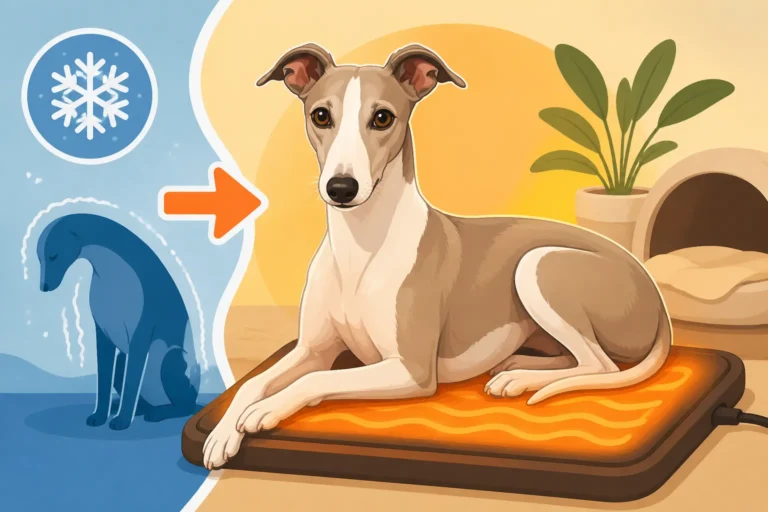
Crucially, ensure your whippet has a warm, dry, and comfortable place to relax after coming in from the rain. Whippets absolutely adore soft, plush bedding, and they need it to protect their lean bodies from pressure sores. Ensure their favorite bed or blanket is clean and dry, allowing them to warm up completely. Perhaps they enjoy Whether a Whippet Needs a Heated Pad for extra coziness on a chilly day. A truly relaxed whippet is a happy whippet, and a good post-rain routine contributes significantly to their overall well-being.
Behavioral Adjustments for Rainy Days
Sometimes, despite all your gear, your whippet might still be hesitant about spending much time outside in the rain. And that's okay! On particularly unpleasant days, prioritize short, frequent potty breaks over long walks. You can also create a covered potty area in your yard or on a patio, if feasible, which can encourage them to go out more readily.
Remember that whippets thrive on mental stimulation as much as physical exercise. On days when outdoor adventures are limited, engage them with indoor games, puzzle toys, or training sessions. This helps burn off energy and keeps their minds sharp, preventing boredom and potential destructive behaviors. Just because it's raining doesn't mean the fun has to stop. A healthy diet, perhaps from a fresh food service like Ollie, can also contribute to their overall resilience and energy levels, making them more adaptable to various conditions.
Making the Investment: Cost and Sourcing a Quality Raincoat
Deciding to invest in a raincoat for your whippet is a smart move, but understanding the market, what to expect in terms of cost, and where to find the best options can save you time and ensure you get a product that truly meets your needs.
Price Range and Value
The cost of a whippet raincoat can vary significantly, typically ranging from modest to premium. On the lower end, you might find basic waterproof shells for around the price of a couple of fancy coffees. These often use simpler materials and construction, and while they might offer decent water resistance, they might not be as durable, breathable, or have the specialized sighthound fit. They can be a good starting point if you're unsure if your whippet will tolerate a coat or for very light, occasional rain.
Mid-range options, which might cost a bit more, usually offer better materials, improved waterproofing (like taped seams), and often a more thoughtful design with features like adjustable straps and better coverage. These are often a great balance of quality and affordability for most whippet owners. High-end or custom-made raincoats can certainly be an investment. These often feature advanced technical fabrics, superior sighthound-specific tailoring, highly durable construction, and extra features like removable hoods or reflective panels. While the initial outlay is higher, these coats tend to last longer and provide exceptional comfort and protection. Remember that investing in quality often means you won't be replacing it yearly, making it more cost-effective in the long run.
Where to Buy and What to Look For
When it comes to sourcing a quality raincoat for your whippet, you've got a few avenues. Large online retailers like Chewy often carry a wide selection of dog apparel, including some sighthound-specific brands if you search carefully. The benefit here is variety and often competitive pricing. However, always double-check sizing guides and read reviews from other sighthound owners to gauge the fit.
Specialty pet boutiques, especially those catering to specific breeds or performance dogs, might have a curated selection of higher-quality coats. You might even find dedicated online stores that focus solely on sighthound apparel, which are excellent resources for finding coats that truly fit the unique whippet shape. Look for brands that explicitly state their products are "sighthound fit" or "whippet specific" – this is often the best indicator of a good fit. Comparing prices and features across different brands is a smart strategy to ensure you're getting the best value.
Longevity and Care of Your Whippet's Raincoat
Even the best raincoat won't last forever if not cared for properly. Most raincoats can be machine washed on a gentle cycle with a mild detergent. Avoid fabric softeners, as these can clog the waterproof membrane and reduce its effectiveness. Always follow the manufacturer's specific washing instructions. Air drying is usually recommended to preserve the waterproof coating.
Regular inspection of your whippet's raincoat can help you identify any small tears or worn areas early, allowing for repairs before they become major issues. A well-maintained raincoat will not only last longer but also continue to provide optimal protection for your whippet through many rainy seasons. While a raincoat might not directly relate to vet bills, being proactive with your whippet's comfort and protection is part of responsible ownership. Regular check-ups and being prepared for unexpected health issues, perhaps with pet insurance from providers like Healthy Paws, are also key aspects of ensuring your whippet lives a long, healthy, and happy life.
Raincoat Feature Comparison
| Feature Category | Basic Raincoat | Mid-Range Raincoat | Premium Raincoat |
|---|---|---|---|
| Material | Lightweight nylon or polyester, often no lining | Durable nylon/polyester, some breathability, light mesh or fleece lining | High-performance technical fabric, excellent breathability, soft lining |
| Waterproofing | Water-resistant, basic coating, unsealed seams | Fully waterproof, DWR coating, often taped seams | Superior waterproofing, advanced membrane, fully taped seams |
| Fit | Generic dog fit, may gape or be tight on whippets | Improved fit, some sighthound considerations (e.g., deeper chest) | Sighthound-specific tailored fit, excellent chest/belly coverage |
| Coverage | Back only, minimal belly/chest | Good back and chest coverage, some belly protection | Full back, chest, and extensive belly coverage, often with rear leg straps |
| Closure | Velcro straps, basic buckles | Velcro and/or snap closures, adjustable straps | Durable buckles, secure quick-release, highly adjustable |
| Added Features | None or minimal | Reflective elements, leash hole, minimal adjustability | Hood (removable/stowable), ample reflective elements, sealed leash hole, multiple adjustment points |
Disclaimer
This article is for general informational purposes only and does not constitute professional advice. Laws, prices and regulations vary by location and change over time. Consult a qualified professional for guidance on your specific situation.