Whether an Untested Whippet Litter Is Worth Buying
It’s a thrilling moment when you find a litter of Whippet puppies that tugs at your heartstrings, but sometimes that excitement comes with a nagging worry: what about their health? Many aspiring Whippet owners wonder if it's really a big deal to buy from parents who haven't had all the health screenings. This guide is here to help you navigate the complexities of puppy health testing and understand the real implications of choosing a Whippet from a litter where the parents haven't been properly screened, so you can make an informed decision for your future companion.
The Allure and the Alarming Truth About Untested Litters
It’s completely understandable why someone might be tempted by a litter that hasn’t undergone extensive health testing. Often, these puppies might be priced lower, or perhaps you’ve simply fallen in love with a specific puppy you saw online or through a friend. There’s a natural inclination to believe that if the parents look healthy, their puppies must be healthy too. Unfortunately, genetics are far more complicated than that, and a dog can carry serious health conditions without showing any outward signs. This is where the allure can quickly turn into alarm bells.
Why "Looking Healthy" Isn't Enough
We all want to believe the best, especially when faced with adorable puppy eyes. A breeder might genuinely believe their dogs are healthy because they've never been sick, or they might not have the resources or knowledge to understand comprehensive health screening. They might even try to reassure you by saying their dogs come from "good lines" or "have never had a problem." While their intentions might be good, this anecdotal evidence isn't a substitute for verifiable health tests. Many genetic conditions are recessive, meaning a dog can carry the gene and pass it on to its offspring without ever experiencing symptoms itself. Two carriers bred together can produce affected puppies, leading to heartache and significant veterinary bills down the line. It's a gamble you might not even realize you're taking.
The Hidden Costs and Heartbreak
The immediate "saving" on a lower-priced puppy from an untested litter can be quickly overshadowed by the enormous emotional and financial costs of dealing with a sick dog. Imagine falling head over heels for your new Whippet, only to find out at a young age they have a debilitating heart condition or a painful eye disease. This isn't just about money; it’s about the profound distress of watching your beloved companion suffer, the sleepless nights, and the difficult decisions that might lie ahead. Even if your puppy is generally healthy, genetic predispositions can manifest later in life, turning what you thought was a good deal into a lifetime of worry. Investing in a healthy puppy from tested parents is an investment in peace of mind and a better chance at a long, joyful life together. Even with the best breeding, things can happen, and having robust pet insurance like Healthy Paws can provide immense peace of mind, but it’s still no substitute for responsible breeding practices.
Understanding Key Whippet Health Concerns and Screening
Whippets, like all breeds, have certain health concerns that are more prevalent in their lines. Responsible breeders understand these risks and actively work to minimize them through careful breeding practices and, crucially, health testing. Knowing what these conditions are and how they are screened for empowers you as a prospective owner to ask the right questions and evaluate a breeder effectively.
Common Health Issues in Whippets
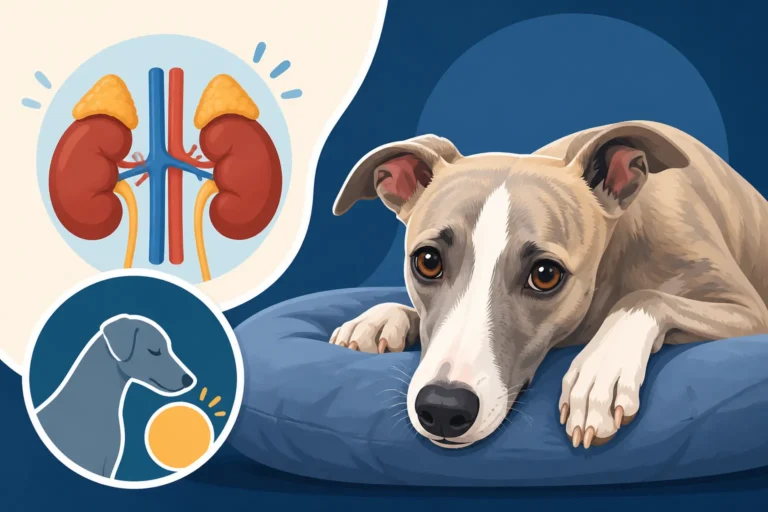
Whippets are generally a robust breed, but there are a few conditions that conscientious breeders will screen for. One of the most significant concerns in sighthounds, including Whippets, is heart health. Conditions like Mitral Valve Disease Is What Ends Most Old Whippets can affect them, and while some heart murmurs can be benign, it's vital to differentiate. Another area of concern is eye health, with conditions like Progressive Retinal Atrophy (PRA) sometimes seen. While rare, Phosphofructokinase Deficiency in a Whippet is a genetic metabolic disorder that can cause exercise intolerance and anemia. Furthermore, responsible breeders consider overall structural soundness, as well as general health markers that might be unusual in a sighthound but normal for a Whippet, like The Bloodwork Numbers That Look Wrong on a Healthy Whippet.
Why Health Testing Is So Important
Health testing isn't just about preventing obvious illnesses; it's about making informed breeding decisions to improve the breed's overall health and longevity. It helps breeders identify dogs that carry genetic markers for certain diseases, even if those dogs appear healthy themselves. By knowing which dogs are carriers or affected, breeders can make choices that avoid producing puppies with preventable genetic disorders. This proactive approach benefits not just the individual puppy buyer, but the entire breed for generations to come. It helps ensure that The Twelve to Fifteen Years a Whippet Lives are filled with joy and vitality, rather than medical challenges. Without health testing, breeders are essentially breeding blind, unknowingly perpetuating health problems in their lines and passing the burden onto unsuspecting owners. This is particularly true for conditions that only manifest later in life, making early detection in parent dogs critical.
The Essential Health Tests for Whippet Parents
So, what exactly does "health testing" entail for Whippets? It's more than just a vet check-up. Reputable breeders engage in specific, often breed-specific, health screenings performed by specialists. These tests provide objective data about a dog's genetic health and its suitability for breeding.
Key Certifications and DNA Panels
For Whippets, there are a few core health certifications that reputable breeders will typically obtain for their breeding stock. The Orthopedic Foundation for Animals (OFA) and the Canine Eye Registry Foundation (CERF), now part of OFA, are two of the most recognized organizations.
- Cardiac Evaluation: This is paramount for Whippets. Breeders should have their dogs undergo a comprehensive cardiac exam by a board-certified veterinary cardiologist. This often involves an echocardiogram to check for structural abnormalities and listen for murmurs. The OFA maintains a public database of these results. You want to see "normal" or "clear" results. Whether a Whippet Should Have a Cardiac Exam is a crucial question to ask any potential breeder.
- Eye Examination: Another important screening is an annual eye exam by a board-certified veterinary ophthalmologist. This checks for inherited eye diseases like Progressive Retinal Atrophy or cataracts. Results are also often submitted to OFA. Eye Disease in a Whippet can be heartbreaking, so ensuring parents are clear is vital.
- DNA Testing: Beyond physical exams, specific DNA tests are available for certain genetic conditions. For Whippets, a DNA test for Phosphofructokinase (PFK) Deficiency is highly recommended. This allows breeders to identify carriers and affected dogs, preventing them from unknowingly passing on the gene. What a Whippet DNA Panel Costs is a small investment for a breeder compared to the potential cost to a puppy buyer.
Breeders should be transparent about these test results and be able to provide you with copies of the certifications or links to public databases (like the OFA website) where you can verify them. Don't just take their word for it; ask to see the proof.
What to Ask and What to Look For
When speaking with a breeder, don't hesitate to ask direct questions about their health testing protocols.
- "What health tests do you perform on your breeding dogs?"
- "Can I see the OFA/CERF certifications for the sire and dam?"
- "Are the parents DNA tested for PFK Deficiency?"
- "Have you had cardiac clearances done by a board-certified cardiologist?"
- "At what age were these tests performed?" (Some certifications need to be renewed or performed after a certain age).
A responsible breeder will be enthusiastic about sharing this information and educating you on the health of their lines. They will understand that you want to bring home the healthiest puppy possible and will appreciate your diligence. If a breeder is evasive, dismissive, or claims tests aren't necessary because their dogs are "just pets," that's a significant red flag. Remember, The Health Tests Both Whippet Parents Should Have are a cornerstone of ethical breeding.
Here's a quick comparison of what you might encounter:
| Feature | Litter from Health-Tested Parents | Litter from Untested Parents |
|---|---|---|
| Breeder Transparency | Provides verifiable test results (OFA, DNA panel, cardiologist reports) | May offer vague assurances ("parents are healthy") or no documentation |
| Genetic Risk | Significantly reduced risk for known inherited conditions | Unknown risk; potential for significant health issues |
| Future Health | Higher probability of a healthy, long life; fewer surprises | Higher chance of developing genetic diseases; potential for high vet bills |
| Cost (Initial) | Likely a higher upfront cost for the puppy | Often a lower upfront cost for the puppy |
| Cost (Long-term) | Potentially lower vet bills for preventable genetic conditions | Potentially much higher vet bills for treating genetic diseases |
| Peace of Mind | High, knowing risks have been minimized | Low, constant worry about underlying genetic issues |
| Ethical Breeding | Demonstrates commitment to breed health and welfare | May indicate lack of knowledge or disregard for breed health |
| Insurance Importance | Still recommended for accidents/unforeseen issues, like with Healthy Paws | Absolutely critical, but pre-existing conditions won't be covered |
Making the Right Choice for Your Future Whippet
Choosing a puppy is a huge decision, one that impacts your life for potentially the next fifteen years. While a lower price point on an untested litter might seem appealing initially, it’s crucial to weigh the true costs and risks involved. It's about more than just the immediate purchase; it’s about the health, happiness, and well-being of a living creature you're inviting into your family.
The Value of a Responsible Breeder
A responsible breeder does more than just produce puppies; they are custodians of the breed. They invest significant time, effort, and money into ensuring their breeding stock is healthy, well-tempered, and adheres to breed standards. This includes health testing, proper nutrition, early socialization for puppies, and carefully planning each litter. They will likely have a waiting list, interview prospective owners thoroughly, and offer lifetime support for their puppies. They will also be transparent about Whether a Whippet Should Be Screened Before Breeding and the reasoning behind their practices. While the initial What a Whippet Puppy Costs from such a breeder might be higher, you are paying for that peace of mind and the assurance that every possible step has been taken to ensure your puppy's healthy start.
Mitigating Risks if You Choose an Untested Litter
If, for compelling reasons, you find yourself considering a puppy from an untested litter, it's absolutely vital to go in with your eyes wide open and take extra precautions. This is not a decision to be made lightly. You must understand that you are accepting a higher degree of risk for potential genetic health problems.
First, insist on a vet check for the puppy before you finalize the purchase, ideally with a vet familiar with sighthound-specific health concerns and Why a Whippet Needs a Sighthound Anesthesia Protocol. Have them do a thorough physical exam, check for murmurs, and discuss any immediate red flags. Second, secure comprehensive pet insurance immediately. Policies like those from Healthy Paws can provide a financial safety net for unexpected illnesses or accidents. However, remember that no insurance will cover conditions that are considered "pre-existing," so if a genetic condition becomes apparent early on, it might not be covered. This underscores why parental health testing is so superior. Finally, budget significantly for potential veterinary care. Without parent testing, you are essentially creating your own "health fund" for the puppy, as the likelihood of needing specialized care for genetic issues increases. Being prepared, both emotionally and financially, is your best defense against the unknown when choosing a puppy from an untested background.
Ultimately, the choice is personal, but informed choices lead to fewer regrets. Investing in a puppy from health-tested parents offers the greatest chance for a long, healthy, and happy life together.
Disclaimer
This article is for general informational purposes only and does not constitute professional advice. Laws, prices and regulations vary by location and change over time. Consult a qualified professional for guidance on your specific situation.