Lumps Worth Checking on a Whippet
Finding a new lump or bump on your beloved Whippet can instantly send a shiver down your spine. Their thin skin and lean build mean that every little change, every tiny irregularity, feels much more prominent than on a furrier, more padded breed. It’s natural to jump to the worst conclusions, but not every lump signals a dire emergency. This guide is here to walk you through the various types of lumps you might encounter, help you understand when to truly worry, and what steps to take with your vet.
Understanding Common Lumps and Bumps on Your Whippet
Whippets, like all dogs, can develop a variety of lumps and bumps throughout their lives. Because they carry so little body fat and have such a fine, short coat, these lumps are often much more noticeable, which can be both a blessing and a curse. It means you're more likely to catch things early, but also that every innocuous little fatty deposit can look alarming.
The Benign Bumps: Fatty Tumors and Cysts
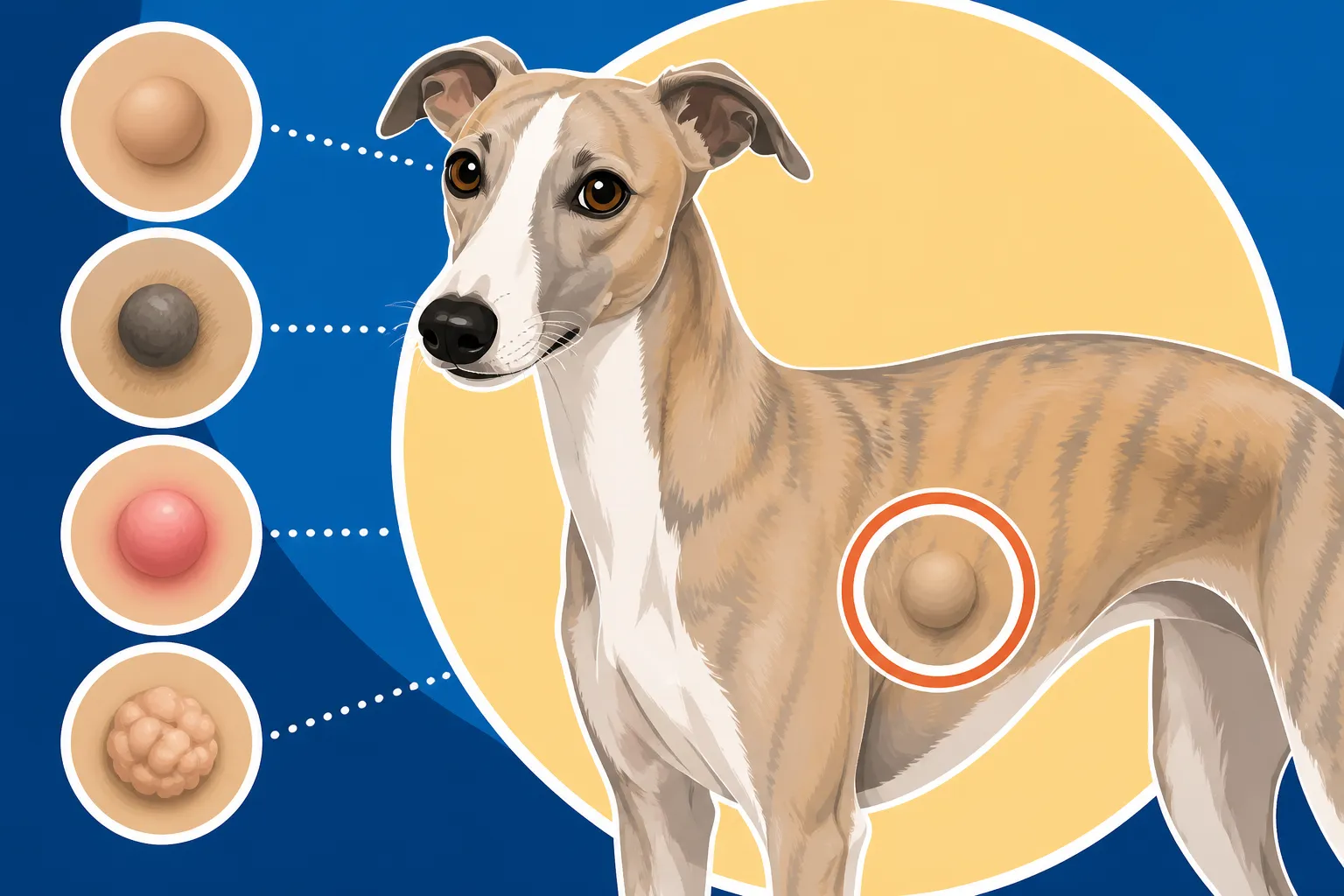
One of the most common and, thankfully, benign types of lumps you'll find on a Whippet is a lipoma, or fatty tumor. These are soft, movable masses that usually feel like a small, squishy ball just under the skin. They're typically not painful and grow slowly, if at all. Many Whippet owners will discover these as their dogs age, often on the chest, abdomen, or flanks. While they can sometimes grow quite large, they are generally harmless and don't spread.
Another frequent visitor is the sebaceous cyst. These happen when a sebaceous gland, which produces skin oils, gets blocked and swells. They can feel firm or somewhat squishy, and sometimes they'll rupture, releasing a cheesy, white substance. While gross, this usually means the cyst is emptying itself. They can become irritated or infected if your Whippet licks or scratches them, so keeping an eye on them is key. Often, these just pop up and disappear on their own, but persistent or irritating ones might need a vet's attention.
Warts and skin tags are also common and usually nothing to fret over. Warts, or papillomas, are caused by a virus and often appear on young dogs, sometimes disappearing as quickly as they arrived. Skin tags are small, fleshy growths that can dangle off the skin, especially in areas of friction or on older dogs. Neither is typically concerning unless they're in a location where they get constantly irritated, like under a leg or near the eye. If your Whippet is prone to skin irritations due to their delicate hide, you might be interested in knowing about The Thin Skin That Sends a Whippet to the Vet for Stitches.
Potentially Concerning Growths: Mast Cell Tumors and Others
While many lumps are benign, some require a much closer look, particularly in Whippets. Mast cell tumors are one of the most common skin cancers in dogs, and unfortunately, Whippets can be susceptible, though perhaps not as notoriously as some other breeds. These tumors can be tricky because they can mimic almost any other lump—they can be soft or firm, small or large, and sometimes even fluctuate in size and appearance due to histamine release (a phenomenon known as Darier's sign).
Mast cell tumors can appear anywhere on or under the skin, and sometimes even internally. Early detection is crucial with these, as their behavior can range from relatively benign to highly aggressive. It’s why any new, suspicious lump should always be checked by your veterinarian promptly. Don't try to guess; let the professionals take a look.
Other types of lumps that warrant attention include basal cell tumors, squamous cell carcinomas, and melanoma. While less common than mast cell tumors, they are also malignant and require prompt diagnosis and treatment. Lymphoma can also present as swollen lymph nodes, which might feel like lumps in certain areas (like the neck, armpits, or groin). These are often firm and non-painful. When dealing with any potential serious health issue, having a good pet insurance policy, like those offered by Healthy Paws, can provide immense peace of mind, helping you cover the costs of diagnostics and treatment.
Red Flags: When a Whippet's Lump Demands Urgent Vet Attention
It's easy to panic over every little bump, but there are definite signs that should prompt you to call your vet right away. Distinguishing between a harmless fatty lump and something more serious isn't always obvious, but paying close attention to certain characteristics can help guide your decision.
Watching for Changes in Size, Shape, and Texture
One of the most important things to monitor is how a lump changes over time. A lump that is growing rapidly, doubling in size in a matter of weeks or even days, is far more concerning than one that stays the same size for months or years. Likewise, pay attention to the shape. Benign lumps often have smooth, well-defined borders and can be easily moved under the skin. Malignant growths, on the other hand, can sometimes have irregular or ill-defined borders and might feel fixed to the underlying tissue.
The texture also matters. While fatty tumors are typically soft and squishy, a hard, firm lump that feels like a small stone or a rubbery knot can be a cause for greater concern. If you notice any of these rapid changes or unusual characteristics, it’s best to err on the side of caution and get it checked. Keeping a little log or even taking photos with a ruler next to the lump can be incredibly helpful for your vet to track changes.
Observing Pain, Discoloration, or Ulceration
Beyond how a lump looks and feels, how your Whippet reacts to it is another key indicator. If a lump suddenly becomes painful or tender to the touch, or if your Whippet starts licking, biting, or scratching at it excessively, that's a red flag. Pain can indicate inflammation, infection, or a rapidly growing mass pressing on nerves. Whippets are generally stoic, so any sign of discomfort should be taken seriously.
Changes in the skin over the lump are also critical. Look for redness, heat, swelling, or any areas of ulceration (open sores) or bleeding. Hair loss over the lump, or a change in skin color (like a dark bruise or purplish hue), can also be concerning. These external signs often point to inflammation or a more aggressive type of growth that requires immediate veterinary assessment. For older Whippets, who might be more susceptible to various health issues, it's particularly important to be vigilant; you might find our guide on Caring for a Whippet Past Ten helpful for general senior care.
| Lump Characteristic | Potentially Benign Signs | Potentially Concerning Signs |
|---|---|---|
| Growth Rate | Slow, stable over months/years | Rapid, noticeable growth in weeks |
| Consistency | Soft, squishy, movable | Firm, hard, fixed to underlying tissue |
| Shape/Borders | Smooth, well-defined | Irregular, ill-defined |
| Pain/Discomfort | None, dog doesn't react | Tender, painful when touched, dog licks/chews |
| Skin Changes | Normal skin over lump | Redness, heat, swelling, ulceration, hair loss |
| Location | Anywhere, but often fatty areas | Can be anywhere, but watch lymph nodes |
Navigating the Vet Visit: Diagnosing Your Whippet's Lumps
So, you’ve found a lump and have some concerns. The next step is a trip to the vet. This can feel daunting, especially if you’re bracing for bad news, but remember that getting a diagnosis is the first and most crucial step towards finding a solution, whatever it may be.
The Initial Examination and Fine Needle Aspirate (FNA)
When you take your Whippet in, your veterinarian will first perform a thorough physical examination. They’ll feel the lump, assess its size, location, texture, and mobility, and also check your Whippet’s overall health, including listening to their heart and lungs. They might also check lymph nodes throughout the body, as these can be enlarged with certain types of cancer.
Often, the next step for a suspicious lump is a fine needle aspirate (FNA). This is a relatively non-invasive procedure where your vet uses a small needle (similar to the one used for vaccinations) to collect a sample of cells from the lump. These cells are then spread on a slide and examined under a microscope by your vet or sent to a veterinary pathologist. This procedure is usually quick and causes minimal discomfort, often requiring no sedation, which is great for sensitive Whippets. It can frequently distinguish between benign fatty tumors or cysts and more concerning masses like mast cell tumors. This is where a plan with Healthy Paws can really shine, as diagnostic tests like FNAs are typically covered, easing the financial burden during a stressful time.
When a Biopsy or Further Imaging Is Needed
While an FNA is incredibly useful, it’s not always definitive. Sometimes, the sample collected might not be representative, or the cells themselves are too ambiguous for a clear diagnosis. In these cases, or if the FNA suggests a more aggressive type of cancer, your vet might recommend a biopsy. A biopsy involves removing a small piece of the lump (incisional biopsy) or the entire lump (excisional biopsy) for histopathological examination by a specialist. This provides a more comprehensive look at the tissue structure and can offer a definitive diagnosis and grading for malignant tumors.
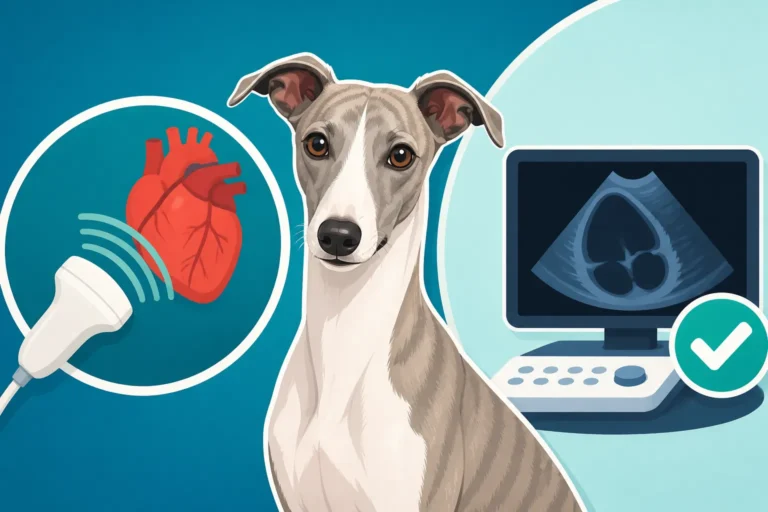
Biopsies usually require sedation or general anesthesia, depending on the size and location of the lump. This is a critical consideration for Whippets, as they require a specific Why a Whippet Needs a Sighthound Anesthesia Protocol. It's always wise to discuss Whether a Whippet Needs Pre Anesthetic Bloodwork before any procedure requiring sedation. In some cases, especially for larger or internal masses, your vet might also recommend imaging techniques like X-rays, ultrasound, or even MRI or CT scans to assess the extent of the mass and check for potential spread (metastasis). These diagnostics are vital for understanding the full picture of your Whippet's health.
Beyond Diagnosis: Managing Lumps and Ensuring Quality of Life
Once you have a diagnosis, the conversation shifts to management and treatment. This can range from simple watchful waiting to complex surgical procedures and ongoing medical therapies. The goal is always to ensure your Whippet maintains the best possible quality of life.
Monitoring Benign Lumps and Minor Irritations
For most benign lumps, such as small lipomas or sebaceous cysts that aren’t causing any issues, the recommendation is often simply "watch and wait." This means you, the owner, become the primary monitor. Regularly feel the lump, check for any changes in size, shape, or texture, and observe if your Whippet starts to show any discomfort. If you do notice changes, or if the lump grows large enough to impede movement or become cosmetically bothersome, then surgical removal might be considered.
For minor skin irritations or small warts, simply keeping the area clean and preventing your Whippet from scratching or licking too much is often sufficient. If a sebaceous cyst ruptures, gentle cleaning with a warm, damp cloth and applying a pet-safe antiseptic ointment (if recommended by your vet) can help prevent infection. Always have a good What Belongs in a Whippet Owner's First Aid Kit on hand for such minor occurrences.
Treatment Options for Malignant Growths
If the lump turns out to be malignant, your vet will discuss various treatment options tailored to the specific type of cancer, its grade, and its stage. Surgery is often the first line of defense for solid tumors, aiming to remove the entire mass with clear margins. Because Whippets have thin skin, sometimes getting wide enough margins can be challenging, but experienced surgeons are well-versed in these techniques. For certain types of cancer like Cancer in a Whippet, additional therapies like chemotherapy or radiation might be recommended, especially if there's a risk of spread or if the tumor is aggressive.
Living with a Whippet diagnosed with cancer can be incredibly tough, both emotionally and financially. This is another area where a comprehensive pet insurance plan from a provider like Healthy Paws can significantly alleviate stress, allowing you to focus on your Whippet's care rather than the escalating costs of advanced treatments. Your vet will work with you to create a treatment plan that prioritizes your Whippet’s comfort and quality of life, exploring all avenues to give them the best chance possible. Remember, early detection of any unusual lump can dramatically improve outcomes.
Disclaimer
The information provided in this article is for general informational purposes only and is not a substitute for professional veterinary advice. Always consult with a qualified veterinarian for any health concerns or before making any decisions related to your Whippet's medical care.