Whether Color Dilution Alopecia Affects Whippets
It’s incredibly disheartening when you notice your beloved Whippet’s beautiful, sleek coat starting to look a little sparse, especially if they have one of those striking blue or fawn dilute colors. You worry, of course, because hair loss isn’t just a cosmetic issue; it can signal underlying health concerns. This comprehensive guide will walk you through everything you need to know about Color Dilution Alopecia (CDA) in Whippets, helping you understand what it is, how to spot it, and how to best care for your dog if they’re affected.
Understanding Color Dilution Alopecia in Whippets
The first time you hear "Color Dilution Alopecia," it sounds quite scientific, almost intimidating. But at its heart, CDA is a genetic condition that primarily affects dogs with dilute coat colors, such as blue (a dilute black) or fawn (a dilute red). It’s not about your Whippet being unwell in a general sense, but specifically about how their hair follicles develop and function due to their genetics. It's a frustrating situation because, on the surface, your Whippet might be the picture of health and vitality, yet their coat tells a different story.
What Causes Color Dilution Alopecia?
CDA is an inherited condition. It’s linked to a specific gene mutation that affects how pigment is distributed in the hair shaft and skin. Think of it like this: in dogs with dilute colors, the pigment granules within the hair are clumped together rather than evenly distributed. This clumping weakens the hair shaft, making it more fragile and prone to breaking. It also interferes with the normal growth cycle of the hair follicle.
The genetic basis means that if a Whippet inherits two copies of this particular recessive gene, they are susceptible to developing CDA. Not every dog with a dilute coat will develop CDA, as other factors and genetic modifiers might play a role, but the risk is certainly much higher. It's not something you, as an owner, caused, which can be a relief to know when you're first grappling with the condition. It’s simply how their unique genetics express themselves. This genetic link is why some breeders are very careful about Whether Whippet Breeders Test for Myostatin and other genetic conditions.
Which Whippet Colors Are Affected?
While all Whippets are generally lean and have fine coats, CDA is specifically associated with dilute color genes. This primarily means blue Whippets and sometimes fawn ones, which are dilute variations of black and red, respectively. You might have seen some beautiful charcoal grey, slate blue, or pale fawn Whippets, and these are the ones most susceptible.
It's a common misconception that all blue dogs will develop CDA. That's not quite right. A blue Whippet carries the dilute gene, but the expression of CDA can vary. Some might experience mild thinning, while others develop severe hair loss and secondary skin issues. It's not unheard of for a blue Whippet to live a full life with a healthy coat, while another develops significant problems. This variability is one of the things that makes CDA so tricky for owners and vets alike, adding to the anxiety when you first notice changes. You might also hear discussions around Whether a Blue Whippet Loses Its Coat which is directly related to this topic.
Identifying CDA in Whippets: What to Look For
Spotting CDA can be subtle at first, often beginning with a slight thinning that you might attribute to normal shedding or rubbing. However, it typically progresses to more noticeable hair loss and can be accompanied by changes in the skin itself. It's crucial to distinguish CDA from other causes of hair loss, so being observant and knowing what specific signs to look for can help you advocate for your Whippet.
Early Signs and Progression of Hair Loss
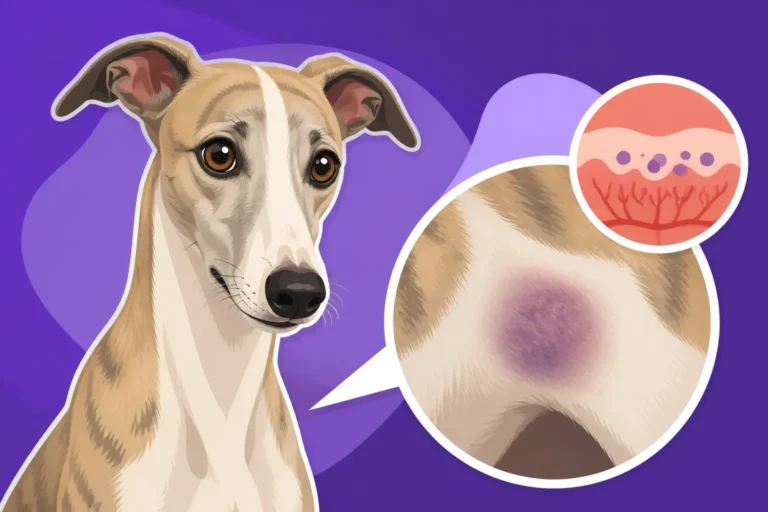
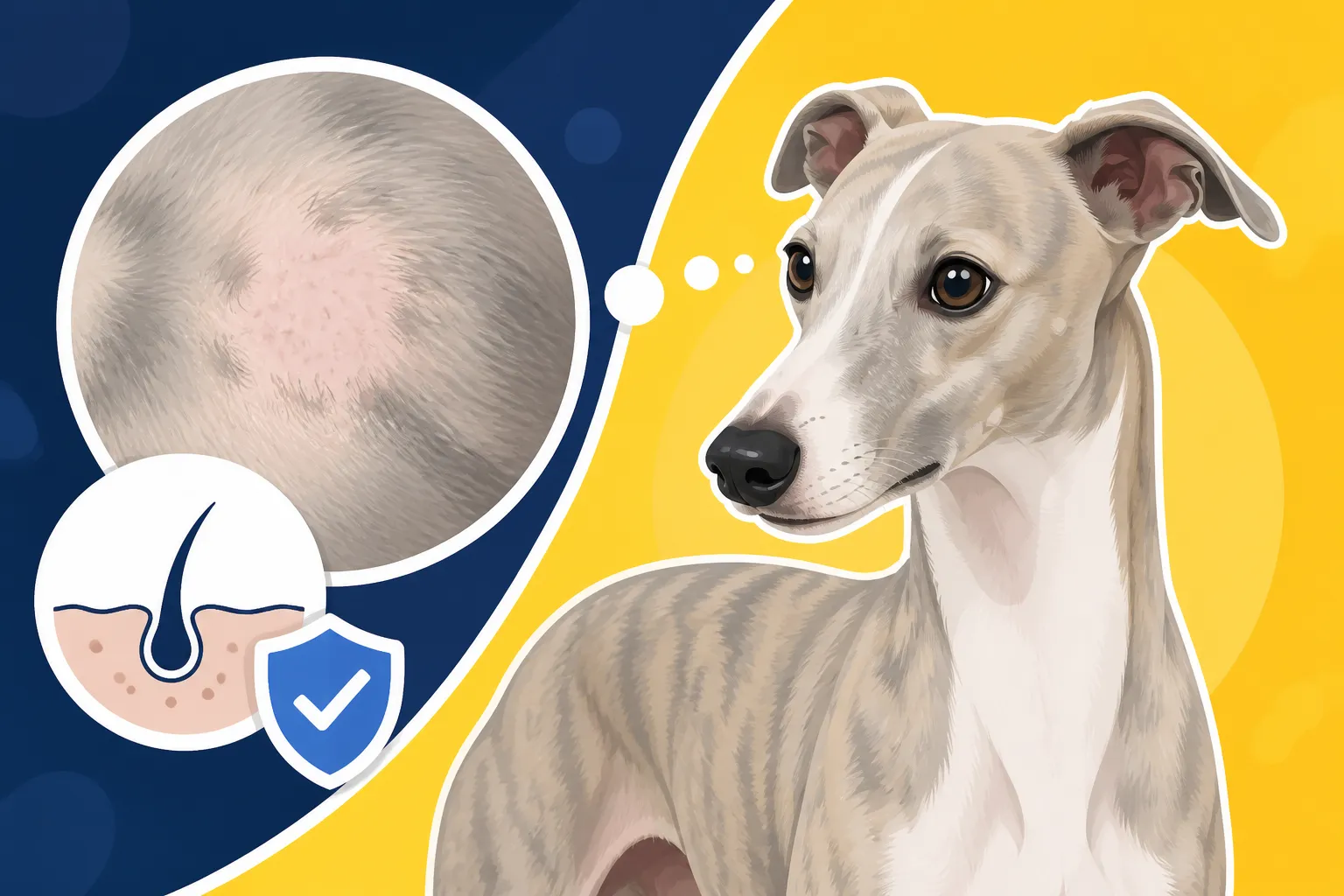
CDA usually manifests in early adulthood, often between six months and three years of age, though it can appear later. The hair loss typically starts in areas where the coat is thinnest, like the ears, chest, and underside, but it can eventually affect the entire body. You might first notice the coat looking duller, almost brittle, and then progressing to patches of very thin hair or complete baldness. The remaining hairs in affected areas often feel rough or coarse rather than soft and silky.
Beyond just the hair falling out, the skin underneath can start to show changes. It might become dry, flaky, and sometimes scaly. In more severe cases, bacterial infections can take hold in the compromised skin, leading to redness, pustules, and itching. This secondary infection is often what causes the most discomfort for your Whippet and requires veterinary attention. It can be easy to confuse this with other types of The Thin Skin That Sends a Whippet to the Vet for Stitches or other dermatological issues.
Differentiating CDA from Other Skin Conditions
This is where things get really important. Hair loss and skin issues can be symptoms of many conditions, from allergies and parasites to hormonal imbalances like hypothyroidism. Your vet will need to perform a thorough examination and likely some diagnostic tests to rule out these other possibilities.
For example, a Whippet might have simple seasonal flank alopecia, where patches of hair loss appear on the sides of the body during certain times of the year, often growing back. Or they might have a contact allergy to a new detergent in their bedding. The key difference with CDA is its genetic link to dilute colors and the characteristic fragility of the hair shafts themselves. A vet might perform skin biopsies, trichograms (microscopic examination of hair shafts), and blood tests to get to the bottom of it. Don't be shy about asking your vet for a full work-up, especially if the initial treatments for common skin issues aren't working. It's also useful to work with a vet who is familiar with sighthound peculiarities. You might find yourself needing Whether a Whippet Needs a Vet Who Knows Sighthounds at some point.
Here's a quick comparison of some common coat issues in Whippets versus typical CDA signs:
| Feature | General Whippet Coat Thinning / Shedding | Seasonal Flank Alopecia | Allergic Dermatitis | Color Dilution Alopecia (CDA) |
|---|---|---|---|---|
| Onset | Gradual, cyclical | Seasonal (often winter) | Sudden or gradual, recurring | Early adulthood (6 mos – 3 yrs) |
| Affected Areas | Evenly distributed | Sides of trunk | Variable, often paws, belly, ears | Ears, chest, belly, then generalized |
| Hair Quality | Fine, soft, normal | Hair loss, sometimes darker skin | Redness, itchiness, pustules | Dull, brittle, easily broken, absent |
| Skin Changes | Normal | Hyperpigmentation (darkening) | Red, inflamed, sometimes crusty | Dry, flaky, scaly, secondary infections |
| Itching | Rare | No | Common, intense | Present if secondary infection occurs |
| Associated Color | Any | Any | Any | Dilute colors (blue, fawn) |
Managing and Living with CDA in Whippets
Learning that your Whippet has CDA can feel overwhelming, especially since there’s no cure. However, with proper management, you can keep your Whippet comfortable, prevent secondary infections, and maintain their quality of life. It’s all about understanding their unique needs and being proactive. Many owners find that once they have a diagnosis, the path forward becomes clearer, even if it’s a lifelong commitment.
Treatment Options for Skin and Coat Health
The primary goal of managing CDA is to support skin health and prevent secondary issues. This often involves a multi-pronged approach:
- Topical Treatments: Medicated shampoos, conditioners, and sprays can help to moisturize dry skin, reduce flakiness, and address any bacterial or yeast infections. Look for products specifically formulated for sensitive skin, often containing ingredients like colloidal oatmeal, ceramides, or essential fatty acids. Your vet might prescribe specific antibacterial or antifungal washes if an infection is present. Regular bathing, perhaps once or twice a week with a gentle, moisturizing shampoo, can be very beneficial.
- Oral Supplements: Omega-3 fatty acids, like fish oil, are excellent for skin and coat health. They can help reduce inflammation and improve the skin barrier. Biotin and other skin-specific supplements might also be recommended by your vet to support hair growth and strength, though results can vary.
- Antibiotics/Antifungals: If secondary bacterial or yeast infections occur, your vet will likely prescribe oral antibiotics or antifungals. It’s crucial to complete the entire course of medication, even if your Whippet’s skin looks better quickly, to prevent recurrence.
- Moisturizers: After bathing, or even daily, a leave-in conditioner or topical moisturizer designed for dogs can help keep the skin hydrated and prevent cracking.
Remember, consistency is key. These aren't quick fixes but ongoing care strategies.
Protecting Your Whippet's Sensitive Skin
Because their skin is compromised, Whippets with CDA need extra protection from environmental stressors. Their delicate skin is more susceptible to injury and sunburn.
- Sun Protection: Whippets with thinning hair, especially those with light-colored skin, are very prone to sunburn. When outdoors, consider dog-safe sunscreen on exposed areas like the bridge of the nose and ear tips. Limiting sun exposure during peak hours (10 AM to 4 PM) is also wise. A lightweight, breathable dog shirt can also offer UV protection.
- Physical Protection: Their thin skin, which is already a general Whippet characteristic, becomes even more vulnerable with CDA. This means being extra careful to avoid scrapes, cuts, and punctures. Areas that rub against things, like elbows or hocks, can develop pressure sores more easily. Providing soft bedding everywhere your Whippet rests is absolutely essential. Many Whippet owners already know the importance of a comfy bed, but for a dog with CDA, it's non-negotiable. You’ll want to ensure they have The Beds a Whippet Owner Keeps Buying that are plush and supportive to prevent these kinds of issues.
- Temperature Regulation: Whippets are known for having A Whippet Has No Insulation and No Padding, so they get cold easily. With hair loss from CDA, this sensitivity to cold is even more pronounced. In cooler weather, coats and sweaters are a must, even indoors if your home isn't consistently warm. However, you also need to be mindful of overheating if they're bundled up indoors or during exercise. Finding the right balance is important.
Dealing with a chronic condition like CDA can also lead to unexpected veterinary bills, especially if secondary infections become a frequent issue. Many savvy Whippet owners invest in pet insurance. Companies like Healthy Paws can provide peace of mind, helping to cover the costs of diagnostics, medications, and ongoing treatments for chronic conditions, allowing you to focus on your Whippet's well-being without constant financial stress.
Breeding Considerations and Prevention
Understanding the genetic basis of Color Dilution Alopecia is crucial for responsible breeding practices. While it's a condition that largely affects the aesthetics of a dog, the potential for secondary skin infections and discomfort means it's a welfare issue that responsible breeders strive to minimize. It brings up important discussions around inherited traits and overall breed health.
The Genetics of CDA and Breeding Decisions
Since CDA is an inherited condition linked to a specific recessive gene that dilutes coat color, dogs that carry two copies of this gene are at risk. A dog can be a carrier (having one copy of the gene) without showing any symptoms themselves. If two carriers are bred, there's a 25% chance that each puppy in the litter will inherit two copies of the gene and thus be at risk for CDA.
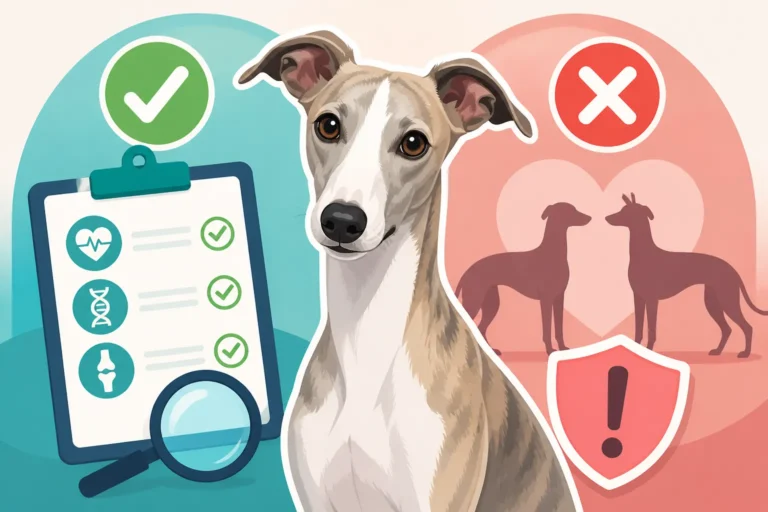
For breeders, this means careful consideration of the genetic makeup of their breeding stock, especially when working with dilute colors. Genetic testing is available for the dilute gene, which can identify carriers. Responsible breeders will use this information to make informed decisions, often opting not to breed two known carriers together, or at least being transparent with prospective owners about the risks involved. The goal is always to improve the health and well-being of future generations of Whippets. This is similar to considerations for The Health Tests Both Whippet Parents Should Have for other conditions.
Can CDA Be Prevented?
In short, yes, CDA can be prevented through responsible breeding practices. By using genetic testing to identify carriers of the dilute gene and avoiding breeding two carriers together, breeders can significantly reduce, or even eliminate, the risk of producing puppies affected by CDA.
However, it's a delicate balance. The dilute colors (like blue) are very beautiful and sought after by many owners. Eliminating all carriers from the breeding pool too aggressively could potentially narrow the gene pool and lead to other health problems or loss of desirable traits. Therefore, ethical breeding involves careful selection, genetic testing, and sometimes outcrossing to improve genetic diversity while still working towards reducing the incidence of inherited conditions like CDA. If you're considering a Whippet puppy, especially a blue or fawn one, always ask the breeder about their testing practices and their approach to genetic health. You'll want to be sure that the breeder screens for a variety of conditions, as discussed in Whether a Whippet Should Be Screened Before Breeding.
The Impact on Lifespan and Quality of Life
While CDA itself is not life-threatening, the chronic skin issues it can cause—like recurrent infections, itching, and discomfort—can certainly impact a Whippet’s overall quality of life. A dog that is constantly itchy or prone to skin infections isn't a happy dog. The constant need for topical treatments, medications, and special care can also be a burden on owners, both emotionally and financially.
However, with diligent management and a proactive approach, many Whippets with CDA can live full, happy lives, often for The Twelve to Fifteen Years a Whippet Lives. The key is early diagnosis, consistent veterinary care, and dedicated home management to keep their skin as healthy as possible. This includes regular bathing, moisturizing, sun protection, and a keen eye for any signs of infection. It's a journey, but one that many devoted Whippet owners are more than willing to take for their beloved companions.
Disclaimer
Please remember that the information provided in this article is for general educational purposes only and should not be considered a substitute for professional veterinary advice. Always consult with a qualified veterinarian regarding any health concerns or before making any decisions about your pet's medical care.