Whether a Whippet Tears Its Skin on a Crate Door
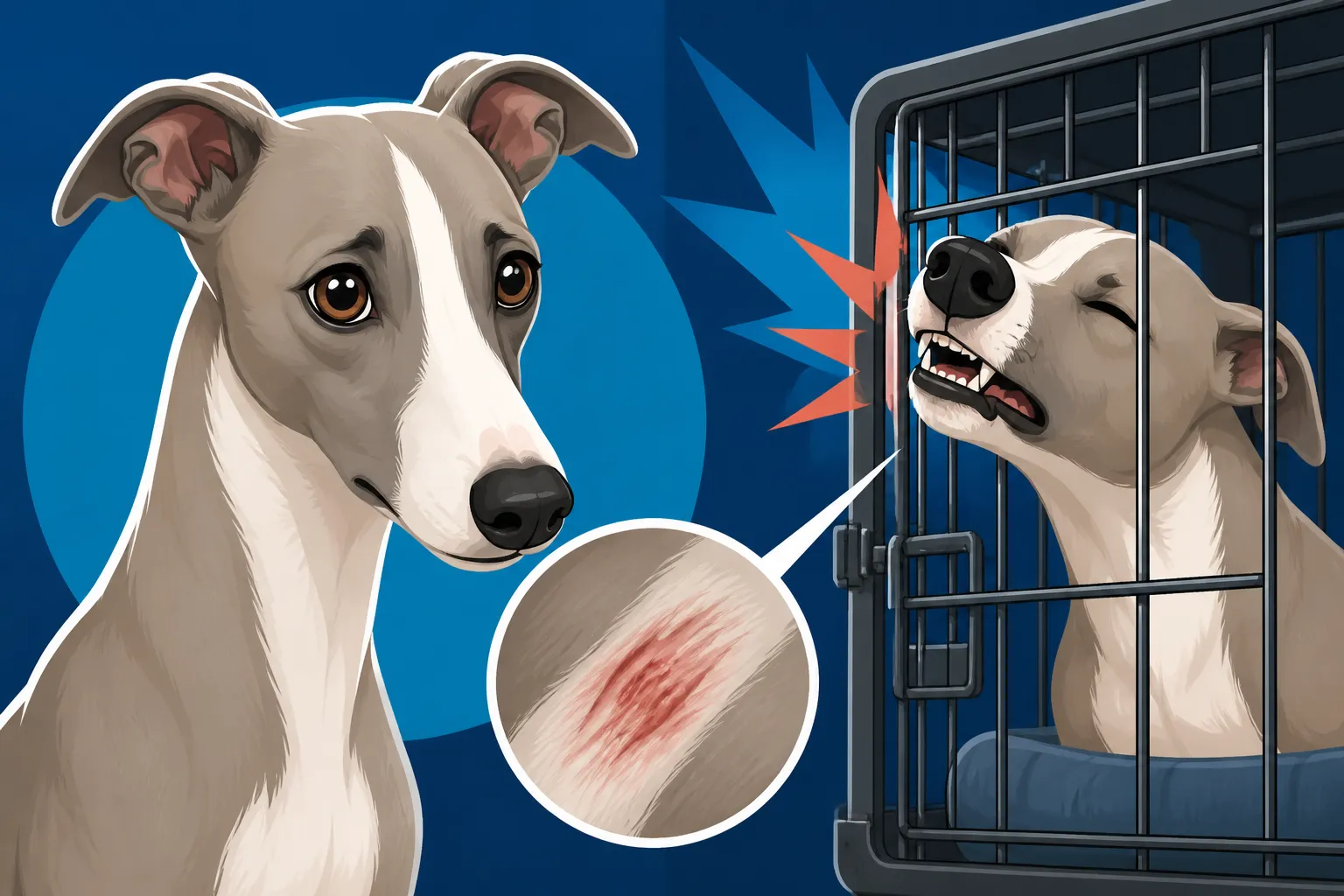
It’s a heart-stopping moment many Whippet owners dread: you hear a sudden yelp from the crate, and when you open the door, your lean, sensitive Whippet has a nasty gash, often dripping blood, likely from the very crate door meant to keep them safe. This guide is here to deeply explore why Whippets are so prone to these alarming skin tears, especially around crate doors, and what practical steps you can take to prevent them and handle them if they happen.
Understanding Your Whippet’s Delicate Skin
Anyone who lives with a Whippet quickly learns that their skin is not like that of other breeds. It’s incredibly fine, almost tissue-paper thin, and coupled with their minimal body fat, it makes them particularly susceptible to scrapes, cuts, and tears that would barely faze a more robust dog. This isn't just a cosmetic detail; it's a fundamental aspect of their physiology that dictates much of their care.
Why Whippets Have Such Delicate Skin
Whippets are sighthounds, bred for speed and agility, and their sleek, aerodynamic build means they carry very little subcutaneous fat. Unlike breeds with thick coats or ample padding, a Whippet's skin lies directly over muscle and bone, offering scant protection. Imagine the difference between tissue paper and cardboard; that's often the comparison for a Whippet's skin versus a bulldog's or a Labrador's. This genetic predisposition means what might be a minor bump for another dog can result in a significant skin tear for a Whippet. Many new owners are surprised to learn that A Whippet Has No Insulation and No Padding, which contributes directly to their skin's vulnerability.
Common Areas for Skin Tears
Because their skin is so thin and lacks protective fat, Whippets are prone to tears in several key areas. Their legs, particularly the front and hind legs, are prime targets. During a frantic run or even just an excited burst of play, contact with anything sharp or abrasive can lead to a laceration. The flanks and hips are also common injury sites, as these areas are often exposed and can catch on corners, furniture, or, unfortunately, parts of their crate. These areas combine delicate skin with high mobility, increasing the risk of friction or impact injuries.
How Whippet Skin Reacts to Injury
When a Whippet does sustain a skin tear, the consequences can be quite dramatic. Their thin skin means that even a shallow cut can appear much worse than it is, often bleeding profusely. The tissue is so fine that it tends to gape open, making even small wounds look large and requiring careful cleaning and, very often, veterinary intervention. You might also notice that Why a Whippet Bruises So Easily is another characteristic of their delicate skin, meaning injuries can look even more severe due to extensive bruising around the wound. Furthermore, their skin can be slow to heal, and stitches, when applied, need to be done with extreme care to avoid pulling through the delicate tissue.
The Crate Door Conundrum
The crate, a tool meant for safety and training, can ironically become a source of injury for a Whippet if not chosen and managed carefully. The specific design of many crates, particularly the doors and latches, poses a unique risk to a breed with such sensitive skin.
How a Crate Door Can Cause Injury
The common scenarios where a crate door can cause injury often involve a Whippet's natural exuberance or anxiety. Imagine an excited Whippet, perhaps after you've returned home, eagerly trying to get out. They might push their head, neck, or a leg against the door, and if the latch mechanism has a sharp edge or a narrow gap, it can easily catch and tear their skin. Similarly, if the door swings inward or outward without sufficient clearance, or if the dog tries to squeeze through a partially opened door, the result can be a nasty laceration. We're talking about specific pinch points or rough edges on the door or frame that, to a less sensitive dog, would be nothing more than a minor annoyance. For a Whippet, it's a trip to the vet for stitches.
The Risk Factors in Crate Design
Not all crates are created equal, especially when it comes to the delicate nature of a Whippet's skin. Wire crates, while popular for their visibility and ventilation, can be particular culprits. The sharp ends of wires at the edges of the door, or the way the latch mechanism protrudes, can easily snag and tear skin. Some wire crates also have gaps where the door meets the frame that are just wide enough for a curious paw or nose to get stuck or scraped. Plastic travel crates often have small vents or gaps that can also pose a risk. Even the seemingly innocuous latch can have an edge that, when caught on rapidly moving skin, can cause significant damage. It’s a constant reminder that for a Whippet, attention to detail in their environment is paramount.
The Whippet's Behavior and Crate Safety
A Whippet's natural behaviors can exacerbate the risks posed by crate doors. Their bursts of energy mean that they often move with incredible speed and force, even in a confined space. A Whippet might thrash around if startled, try to dig at the door if bored or anxious, or push frantically against it when anticipating release. This rapid, often uncoordinated movement against rigid metal or plastic increases the likelihood of a skin tear. This is why understanding How a Whippet Learns When It Bruises From Pressure is so important; their sensitivity means they react strongly to even slight discomfort, which can sometimes lead to more vigorous attempts to escape or adjust, inadvertently causing further injury.
Preventing Crate Door Injuries
The good news is that many crate door injuries are entirely preventable with careful selection, modification, and training. It requires a proactive approach, but it’s well worth the effort to keep your Whippet safe and avoid those stressful emergency vet visits.
Choosing the Right Crate
When selecting a crate for your Whippet, prioritize safety over aesthetics or even cost. Look for crates with smooth, rounded edges on all parts, especially the door and latch mechanisms. Fabric or soft-sided crates can be an excellent option for Whippets, as they lack rigid, sharp edges. However, be mindful that a determined Whippet could potentially chew through a fabric crate, so it might not be suitable for all dogs, particularly puppies. Solid plastic airline-style crates also tend to have fewer exposed sharp parts than wire crates, making them a safer choice. If you opt for a wire crate, choose one with very tightly spaced wires and a well-designed, smooth latch that doesn’t protrude excessively.
Modifying Existing Crates for Safety
If you already own a crate, or if a fabric or plastic crate isn't feasible, you can modify it to significantly reduce the risk of injury. One common strategy is to cover the crate entirely with a blanket or a purpose-made crate cover. This not only creates a den-like, secure environment that many Whippets appreciate (especially since A Whippet Has No Insulation and No Padding), but it also helps to pad any sharp edges of the wire. For the door itself, you can use pipe insulation or soft foam padding to cover any exposed wire ends or latch components. Always ensure any additions are securely fastened and don’t pose a choking hazard. For the floor, a soft, plush bed is a must, preventing The Pressure Sores a Whippet Gets From Sleeping on the Floor.
Training for Calm Crate Entry and Exit
Behavioral training plays a huge role in preventing crate injuries. Teaching your Whippet to enter and exit their crate calmly and patiently can dramatically reduce the risk of them lunging or thrashing against the door. Use positive reinforcement to teach cues like "crate" and "wait" at the door. Practice having them sit and wait until you fully open the door before they are allowed to exit. This not only keeps them safe but also reinforces good manners. Even if your Whippet loves their crate, reinforcing calm behavior around the door is crucial. Consistency is key here; every entry and exit should be an opportunity to practice these safe habits. For new puppies, it’s vital to introduce the crate positively; learning Whether a Whippet Puppy Should Be Crated correctly from the start can set them up for a lifetime of safe crating.
What to Do If a Skin Tear Happens
Despite our best efforts, accidents can still occur. If your Whippet does tear their skin on a crate door, knowing how to react quickly and effectively can make a significant difference in their comfort and recovery. It’s always alarming to see, but a calm, prepared owner is a Whippet's best advocate.
Immediate First Aid for a Whippet Skin Tear
The first step is to remain calm. Your Whippet will pick up on your anxiety, and that can make them more stressed. For a fresh skin tear, apply gentle but firm pressure to the wound with a clean cloth or gauze to control bleeding. Most Whippet skin tears, while they can bleed a lot, are not usually deep enough to hit major arteries, so the bleeding should slow within a few minutes. Once the bleeding is under control, gently assess the wound. If there’s any dirt or debris, carefully rinse it with saline solution or lukewarm water. A temporary bandage can be applied to keep it clean and protected until you can get to the vet. This is where having What to Keep in a Whippet First Aid Kit readily available really pays off.
When to Seek Veterinary Care
For almost any skin tear on a Whippet, a vet visit is highly recommended. Their skin is so thin and delicate that even small tears often gape open, making them difficult to heal properly at home and increasing the risk of infection. Your vet will likely need to clean the wound thoroughly, possibly shave the area, and close it with stitches or surgical glue. The location of the tear also matters; injuries near joints or on areas with a lot of movement often require more careful closure to prevent reopening. Don't hesitate to call your vet immediately, especially if the wound is deep, bleeding heavily, or covers a large area. Prompt professional attention can minimize scarring and reduce healing time. This is also where pet insurance, like a policy from Healthy Paws, can be incredibly beneficial, helping to cover the often unexpected costs of Emergency Stitches: the Whippet Bill Nobody Budgets For.
The Healing Process for Whippet Skin
Unfortunately, How Slowly a Whippet's Skin Heals can be a frustrating aspect of these injuries. Their delicate skin, while it promotes speed, does not lend itself to rapid regeneration. Be prepared for a healing process that might take longer than you'd expect for other breeds. Your vet will likely prescribe antibiotics to prevent infection and potentially pain medication. Keeping the wound clean and preventing your Whippet from licking or chewing at it (often with an Elizabethan collar or soft cone) is paramount. Regular check-ups with your vet may be needed to ensure the wound is healing well and stitches can be removed safely. Sometimes, a tear might even result in a small scar, a testament to their sensitive nature.
Choosing and Modifying Crates for Whippet Safety
Making the right choices for your Whippet's crate environment is key to their well-being. It's not just about comfort; it's about active injury prevention. Let's delve into the specific types of crates and how they stack up for our thin-skinned friends.
Different Crate Types and Their Suitability
When you're looking for a crate, consider the materials and design carefully. Wire crates are popular for ventilation and portability, but their exposed metal edges and latches can be problematic for a delicate Whippet. Plastic crates, often used for airline travel, offer more solid walls and fewer snag points, making them a safer option for skin tears, though ventilation might be less than ideal in hot climates. Soft-sided fabric crates are the safest in terms of skin protection, as there are no hard edges, but they are generally less durable and might not contain a determined or anxious chewer. Each type has its trade-offs, and your choice will depend on your specific Whippet’s temperament and your household needs.
Essential Crate Accessories for Whippets
Beyond the crate itself, the accessories you choose are crucial for providing a safe and comfortable haven. Soft bedding is not just a luxury; it's a necessity for a Whippet. Think plush memory foam beds, thick blankets, or even a dog bed designed specifically to alleviate pressure points. This helps prevent pressure sores and provides insulation, as A Whippet Has No Insulation and No Padding naturally. Crate covers, as mentioned, can add an extra layer of protection against sharp edges and create a den-like atmosphere. For puppies who are still teething or prone to destructive chewing, you might need to use more durable bedding or consider a chew-proof liner. Investing in quality bedding is far cheaper than vet bills for skin abrasions or calluses.
Table: Crate Types and Whippet Skin Safety
| Crate Type | Pros for Whippet Skin Safety | Cons for Whippet Skin Safety | Best Use Case |
|---|---|---|---|
| Wire Crate | Excellent ventilation; good visibility; foldable for storage. | Sharp wire edges; protruding latches; potential pinch points. | For calm, well-crated Whippets with modifications. |
| Plastic Crate | Smooth, solid walls reduce snags; more den-like feel. | Less ventilation; can be bulky; plastic vents may have sharp edges. | Travel, generally safer for preventing tears. |
| Soft-Sided Fabric Crate | No hard edges, extremely gentle on skin; lightweight. | Less durable, easily chewed; offers minimal containment for escape artists. | Temporary use, very calm Whippets, short trips. |
| Wooden Crate Furniture | Aesthetically pleasing; solid walls. | Can have splinters; gaps in design can trap paws; heavy. | Permanent indoor use for calm Whippets; ensure smooth finishes. |
Living with a Whippet: Beyond the Crate Door
Preventing crate door injuries is just one piece of the puzzle when it comes to living with a Whippet and their uniquely delicate skin. Their general environment, daily activities, and even seemingly minor details can all impact their skin health.
Protecting Your Whippet's Skin in Daily Life
Whippets, being the agile and often clumsy creatures they are, will find ways to get into scrapes. This is why it’s so important to be mindful of their surroundings. Sharp furniture corners, protruding objects in the yard, or rough terrain can all pose a risk. If your Whippet enjoys zooming around in the yard, ensure the area is free of debris, broken branches, or anything they might run into. Many owners opt to dress their Whippets in protective clothing, even indoors, especially during cooler months. The Wardrobe a Whippet Needs Because It Has No Body Fat is a real thing, and a soft fleece coat or pajamas can provide an extra layer of protection against minor bumps and scrapes around the house. When out on walks, particularly if you’re venturing near brush or uneven paths, consider whether A Whippet Should Wear a Coat in Cover to shield their fragile skin.
Recognizing and Addressing Other Skin Issues
Beyond acute tears, Whippets can experience other skin issues due to their thin skin. Dry skin can be a concern, especially in arid climates or during winter. Regularly check their elbows and hocks for calluses, which can develop if they frequently lie on hard surfaces. Providing ample soft bedding throughout your home helps prevent this, as Why a Whippet Cannot Sleep on a Hard Floor isn't just about comfort, but about preventing actual physical damage. If you notice any bald spots, redness, or excessive scratching, it's always worth a vet visit to rule out allergies, parasites, or other dermatological conditions. Early intervention is always best for skin health.
The Importance of Routine Veterinary Care
Regular veterinary check-ups are essential for all Whippets. Your vet can not only address any immediate injuries but also provide advice on preventative care, nutrition, and general skin health. They can spot potential issues before they become major problems and offer guidance tailored to your individual dog. Building a strong relationship with your vet is invaluable, especially when dealing with a breed that has such specific care needs. And again, having pet insurance like Healthy Paws can provide immense peace of mind, knowing that if an accident, big or small, does happen, you’re financially prepared to provide the best care without stressing about the cost of repeat visits or specialized treatments.
Disclaimer
This article is intended for informational purposes only and does not constitute veterinary advice. Always consult with a qualified veterinarian for any health concerns or before making any decisions about your Whippet's medical care.