Ivermectin Sensitivity in a Whippet
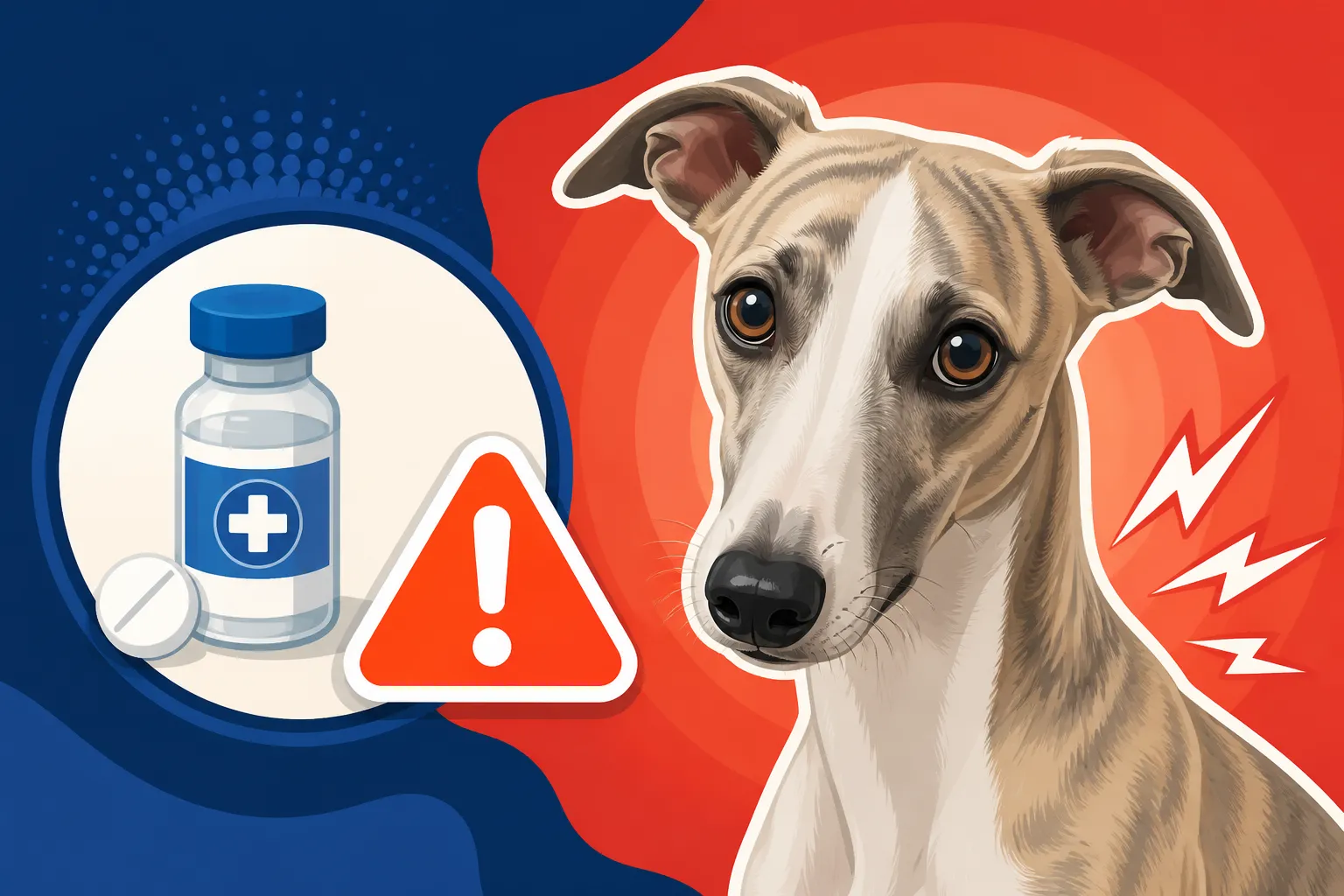
It's absolutely terrifying to hear that a routine dewormer or parasite preventative could actually harm your beloved Whippet. Many of us have been there, hearing whispers about certain drugs being dangerous for sighthounds, and the worry can be constant. This guide aims to clear up the confusion surrounding Ivermectin sensitivity in Whippets, explain what it is, how to spot trouble, and most importantly, how to keep your lean, lovely companion safe.
Understanding Ivermectin Sensitivity in Whippets
For many Whippet owners, the term "Ivermectin sensitivity" conjures up immediate anxiety. It's a very real concern, and it stems from a specific genetic mutation that's unfortunately prevalent in many sighthound breeds, including our elegant Whippets. This isn't just a minor side effect; it can be incredibly serious, even life-threatening, if not properly understood and managed. The good news is that with awareness and a bit of proactive testing, you can easily navigate this potential pitfall.
The Role of the MDR1 Gene Mutation
At the heart of Ivermectin sensitivity lies a genetic glitch: the Multidrug Resistance 1, or MDR1, gene mutation (sometimes called ABCB1). This gene is responsible for producing a protein called P-glycoprotein, which acts like a tiny bouncer at the blood-brain barrier. Its job is to pump certain drugs, toxins, and chemicals out of the brain, protecting it from harmful substances. Think of it as your brain's personal bodyguard.
When a dog has the MDR1 mutation, this P-glycoprotein doesn't work correctly, or sometimes isn't produced at all. This means that drugs like Ivermectin, which would normally be quickly escorted out of the brain by the P-glycoprotein, are instead allowed to accumulate. The higher concentration of these drugs in the central nervous system is what leads to severe neurotoxicity, causing the frightening symptoms we associate with Ivermectin poisoning. It's a silent threat because outwardly, a dog with the mutation looks perfectly healthy until they're exposed to the wrong medication. It’s also important to know that while Ivermectin is the most commonly cited drug, this mutation affects sensitivity to a range of medications.
How Common is the Mutation in Whippets?
While the MDR1 mutation is most famously associated with Collies and Australian Shepherds, it's also found in a significant number of sighthound breeds, including Whippets. Research has shown that a notable percentage of Whippets can carry one or two copies of this mutated gene. This means that even if your Whippet doesn't show symptoms after a small exposure, they could still be a carrier, potentially passing it on to offspring or reacting severely to a higher dose or different medication.
This prevalence makes testing incredibly important. You simply cannot assume your Whippet is in the clear without it. Many reputable breeders are now testing their breeding stock to ensure they aren't inadvertently perpetuating this issue, which is a huge step forward for the breed's health. If you're considering a puppy, asking a breeder about The Health Tests Both Whippet Parents Should Have is a wise first step, and DNA testing for MDR1 should absolutely be on that list.
Recognizing the Signs of Ivermectin Toxicity
The thought of your dog getting sick from medication is awful, and with Ivermectin, the symptoms can be particularly distressing to witness. It's not just a bit of an upset stomach; we're talking about neurological issues that can manifest quite dramatically. Understanding these signs is crucial, because early recognition and veterinary intervention can make all the difference in a positive outcome.
Neurological Symptoms to Watch For
When a Whippet with the MDR1 mutation is exposed to Ivermectin or other sensitive drugs, the P-glycoprotein system fails, allowing the drug to flood the brain. The symptoms typically appear within a few hours to a day or two after exposure, depending on the dose and the individual dog. They are primarily neurological because the drug is directly affecting the central nervous system.
You might notice your Whippet starting to look a little "off." They might become disoriented, bumping into furniture or seeming confused. Coordination issues are common, leading to stumbling, an unsteady gait, or even a complete inability to stand or walk properly, resembling severe drunkenness. Tremors, seizures, and excessive drooling can also occur. In severe cases, dogs can become unresponsive, fall into a coma, or even die. It’s a frightening progression, and these signs should never be ignored. If you observe any of these symptoms after your Whippet has been given medication, contact your vet immediately. This is an emergency.
Severity and Prognosis
The severity of Ivermectin toxicity directly correlates with the dose received and whether the dog has one or two copies of the mutated gene. Dogs with two copies (homozygous for the mutation) are generally more sensitive and will react more severely and to smaller doses than those with only one copy (heterozygous carriers). However, even carriers can show significant symptoms with higher doses.
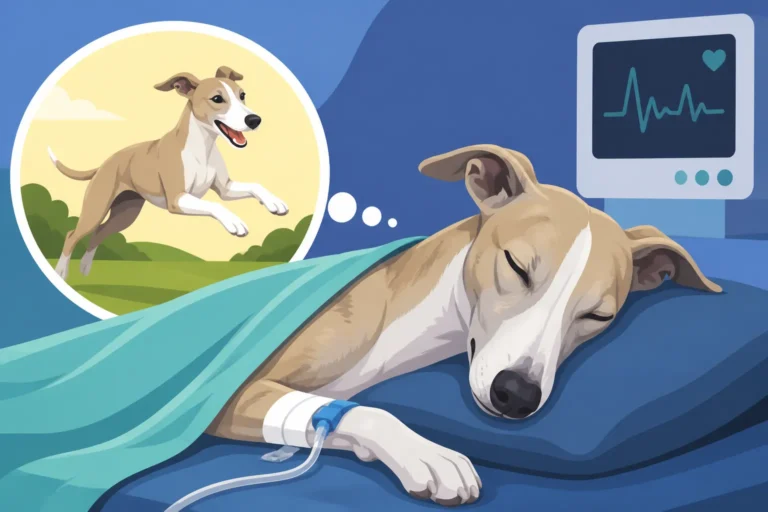
The prognosis really depends on how quickly treatment is initiated and the extent of the neurological damage. There's no specific antidote for Ivermectin toxicity, so treatment is largely supportive. This involves aggressive detoxification to remove the drug from the system, intravenous fluids, and medications to manage symptoms like seizures. Intensive care, often involving hospitalization for several days, is typically required. While many dogs can recover fully with prompt and appropriate veterinary care, some may experience lingering neurological deficits, and in the worst cases, it can be fatal. This is why prevention and early detection of the mutation are so incredibly vital.
Safe Alternatives and Prevention Strategies
The good news is that preventing Ivermectin toxicity in your Whippet is entirely within your control. With modern veterinary medicine and readily available testing, you can safeguard your dog from this specific risk. No one wants to worry about their furry family member getting sick from a medication meant to help them, and thankfully, there are clear steps you can take.
DNA Testing for the MDR1 Gene
The single most effective preventative measure is DNA testing. A simple cheek swab or blood sample can determine if your Whippet has the MDR1 mutation. Several reputable laboratories offer this test, often as part of a broader genetic panel. For instance, companies like Optimal Selection (part of Wisdom Panel) or Paw Print Genetics provide reliable testing services.
The test results will tell you if your Whippet is:
- N/N (clear): No copies of the mutation. Your dog is not sensitive to Ivermectin or related drugs.
- N/M (carrier/heterozygous): One copy of the mutation. Your dog is a carrier and may be sensitive to certain drugs at higher doses. Breeding this dog carries a risk of passing on the mutation. Whether a Whippet Owner Can Order the Myostatin Test for the bully gene is similar in process to ordering an MDR1 test, both being crucial for understanding your dog's genetic health.
- M/M (affected/homozygous): Two copies of the mutation. Your dog is highly sensitive to Ivermectin and other affected drugs, even at low doses. These dogs must avoid these medications.
Knowing your dog's status is empowering. It allows you and your veterinarian to make informed decisions about their care and avoid potentially dangerous medications.
Choosing Safe Heartworm and Parasite Preventatives
Once you know your Whippet's MDR1 status, you can work with your vet to choose safe medications. Fortunately, there are many excellent alternatives to Ivermectin-based products for heartworm prevention, flea, and tick control that are perfectly safe for MDR1-affected dogs.
For Heartworm Prevention:
Many popular heartworm medications contain Ivermectin, but at very low doses that are generally considered safe even for most MDR1 carriers. However, for affected (M/M) dogs or if you prefer to be extra cautious, alternatives exist. Products containing moxidectin (like Advantage Multi or ProHeart), milbemycin oxime (Interceptor Plus, Sentinel), or selamectin (Revolution) are often recommended as safer choices. Always discuss your dog's specific needs and MDR1 status with your veterinarian to determine the best preventative plan.
For Flea and Tick Control:
Most modern flea and tick medications, whether topical or oral, do not contain Ivermectin and are safe for MDR1-affected dogs. Brands like Frontline, NexGard, Bravecto, Simparica, and Credelio are generally excellent choices. Again, always double-check the active ingredients and consult your vet, especially if your Whippet has other sensitivities or health issues. When considering Flea Treatment Reactions in a Whippet, it's wise to approach new products with caution, regardless of their Iverm1ectin content.
Here's a quick overview of common medications and their MDR1 considerations:
| Drug Category | Common Active Ingredients (Examples) | MDR1 Gene Mutation Risk | Common Brands (Consult Vet) |
|---|---|---|---|
| Heartworm Preventatives | Ivermectin (low dose generally okay for carriers, avoid for affected) | High for high doses | Heartgard, Tri-Heart |
| Milbemycin Oxime | Low | Interceptor Plus, Sentinel Spectrum | |
| Moxidectin | Low | Advantage Multi, ProHeart 6 | |
| Selamectin | Low | Revolution Plus | |
| Flea & Tick Preventatives | Fipronil | Very Low | Frontline, Frontline Gold |
| Afoxolaner | Very Low | NexGard | |
| Fluralaner | Very Low | Bravecto | |
| Sarolaner | Very Low | Simparica | |
| Lotilaner | Very Low | Credelio | |
| Other Medications (High Risk) | Loperamide (Imodium) | High | Imodium (often OTC, avoid completely) |
| Butorphanol | Moderate | Torbugesic, Stadol | |
| Acepromazine | Moderate | Acepromazine (sedative, Acepromazine and the Whippet details concerns) | |
| Vincristine, Vinblastine (Chemotherapy) | High | ||
| Cyclosporine (Immunosuppressant) | Moderate | Atopica, Optimmune |
Note: This table is for informational purposes only. Always consult your veterinarian for specific advice and prescriptions tailored to your Whippet's health needs and MDR1 status.
Living with an Ivermectin-Sensitive Whippet
Discovering your Whippet has the MDR1 mutation might feel a little overwhelming at first. You might picture a future riddled with medical complexities. But honestly, it's not nearly as complicated as it sounds. It simply means you're armed with crucial information that allows you to be an even better advocate for your dog's health. Many people live full, happy lives with MDR1-affected dogs without ever encountering an issue, all thanks to careful management and open communication with their veterinary team.
Communicating with Your Veterinarian
This is probably the single most important aspect of living with an MDR1-sensitive Whippet. Your veterinarian needs to be fully aware of your dog's genetic status for the MDR1 mutation. Don't assume it's in their records or that they'll remember – always mention it explicitly when discussing any new medication, procedure, or even during routine check-ups. It can be helpful to have a physical copy of your Whippet's DNA test results to share with any new vet or emergency clinic.
When your vet prescribes medication, don't hesitate to ask, "Is this medication safe for an MDR1-sensitive dog?" A good vet will already be factoring this in, but an open dialogue ensures nothing is missed. This includes not just heartworm or flea preventatives, but also antibiotics, pain medications, or any sedative used for procedures like Warming a Whippet During Surgery or even a simple nail trim. Be proactive, be vocal, and ensure everyone on your Whippet's care team is on the same page.
Emergency Preparedness and Insurance Considerations
Even with the best preventative care, accidents can happen. Your dog might ingest something unknown, or you might find yourself at an emergency veterinary clinic where your Whippet's full medical history isn't immediately available. In such situations, clear communication is paramount. Consider having an emergency card on your dog's collar or in their carrier that states "MDR1 Mutation Positive – Consult for medication sensitivities." This small detail could be life-saving.
Having a well-stocked first-aid kit at home, specifically for a sighthound, is also a great idea. While it won't solve Ivermectin toxicity, knowing how to handle common injuries like Treating a Whippet's Skin Tear can prevent a minor incident from becoming a larger emergency. For unexpected situations, pet insurance can be a huge relief. Providers like Healthy Paws offer comprehensive coverage that can help with the costs associated with emergency care, diagnostics, and extended hospital stays should your Whippet ever suffer from an adverse drug reaction or other unforeseen illness. While insurance typically doesn't cover pre-existing conditions, a diagnosis of MDR1 sensitivity itself isn't usually considered a condition to be treated, but rather a genetic marker that influences future treatment choices. However, any actual toxicity event would be treated as an illness. It's always a good idea to research policy details and consider your options, especially with a breed that can have specific health quirks.
Ongoing Vigilance and Education
Living with an MDR1-sensitive Whippet also means being a bit more vigilant about what your dog might encounter. This could involve being cautious in dog parks where other owners might use different preventatives, or ensuring your yard is secure to prevent your Whippet from consuming unknown substances. Given that The Twelve to Fifteen Years a Whippet Lives can be a substantial period, consistent attention to their unique health needs will ensure they remain healthy throughout.
Stay educated about new medications on the market, and don't hesitate to research or ask your vet about any concerns. The veterinary field is constantly evolving, with new drugs and diagnostics emerging all the time. Being informed allows you to advocate effectively for your Whippet, ensuring they receive the safest and most effective care throughout their long and happy life with you.
Disclaimer
This article is intended for informational purposes only and does not constitute veterinary advice. Always consult with a qualified veterinarian regarding your Whippet's health, medication, and treatment options. The information provided here should not be used as a substitute for professional veterinary care.