Why a Bully Whippet Cramps
When you have a Bully Whippet, those magnificent, sculpted muscles are often a point of pride, but they can also bring a unique set of challenges. One of the most alarming and confusing issues owners sometimes face is muscle cramping, which can turn a fun run into a frightening emergency. It's truly upsetting to see your athletic companion suddenly seized by pain and unable to move, leaving you wondering what went wrong and how to prevent it from happening again. This guide will walk you through the specifics of why Bully Whippets are prone to cramping, how to recognize the signs, and most importantly, how to manage their exercise and care to keep them healthy and comfortable.
Understanding the Myostatin Gene and Bully Whippet Physiology
Let’s start at the very beginning of what makes a Bully Whippet so unique, and subsequently, why they might experience muscle cramps. A Bully Whippet isn't just a regular Whippet with a bit more bulk; they possess a specific genetic mutation that significantly impacts their muscle development. This is a fascinating area of genetics, but for owners, it translates directly to their dog's day-to-day health and activity levels.
The key lies in the myostatin gene. All Whippets, like many sighthound breeds, carry a variant of the myostatin gene that allows for their incredible speed and lean musculature. However, a Bully Whippet is distinct because they have inherited two copies of a specific mutation in this gene, known as the 'bully' allele. This double dose of the mutation essentially switches off the myostatin protein’s function. Normally, myostatin acts as a natural brake on muscle growth, ensuring that muscles don't get too big. Without this brake, muscle fibers proliferate and grow much larger than usual, leading to the incredibly dense, bulging physique that defines a Bully Whippet. You can dive deeper into the specifics by reading about the Bully Whippet Syndrome and the Myostatin Gene Behind It and What Myostatin Does in a Whippet.
This incredible musculature, while visually striking, comes with physiological trade-offs. The sheer volume of muscle tissue means a higher metabolic demand, both at rest and, especially, during exercise. These muscles are not just larger; their composition and metabolic pathways can be different, making them more susceptible to certain conditions. Understanding that your Bully Whippet's body operates a bit differently from other dogs is the first step in providing them with the specialized care they need, particularly when it comes to preventing painful muscle cramps.
The Mechanisms Behind Muscle Cramping in Bully Whippets
When a Bully Whippet cramps, it’s usually not just a simple Charley horse like you might get after a strenuous workout. Their unique muscle structure makes them prone to more serious forms of muscle distress. Understanding these underlying mechanisms is crucial for proper prevention and response.
Exertional Rhabdomyolysis
One of the primary concerns for Bully Whippet owners is exertional rhabdomyolysis, often simply called "rhabdo." This is a serious condition where muscle tissue breaks down rapidly, particularly after intense or prolonged exercise. Think of it as your dog's muscles literally falling apart on a microscopic level. The massive muscle development stemming from What Two Copies Do to a Whippet means that during high-intensity activity, these muscles demand an extraordinary amount of oxygen and energy. If the supply can't keep up with the demand, the muscle cells become damaged.
The symptoms of exertional rhabdomyolysis can be quite alarming. You might notice sudden stiffness, extreme pain, an unwillingness or inability to move, and tremors. In severe cases, the damaged muscle releases myoglobin into the bloodstream, which is then filtered by the kidneys. This can lead to your dog's urine appearing dark, often described as tea- or cola-colored. This dark urine is a critical sign of kidney involvement and necessitates immediate veterinary attention, as it can lead to acute kidney failure. It's a truly frightening experience for both dog and owner, and one that requires careful management to avoid.
Metabolic Stress and Energy Depletion
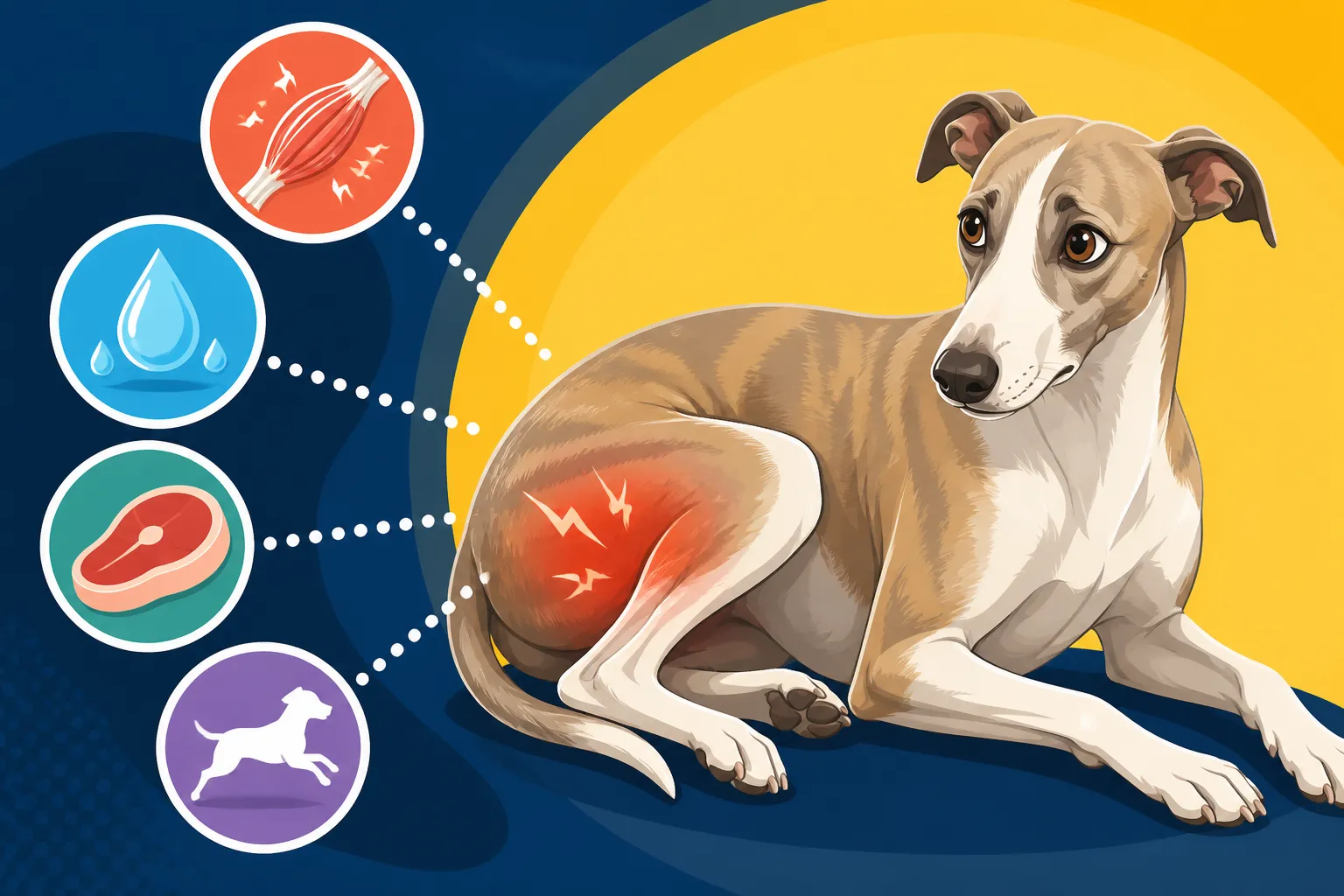
Beyond the physical breakdown of muscle tissue, the highly developed muscles of a Bully Whippet also face immense metabolic stress. Their muscles are built for power and speed, but their endurance capacity can sometimes be a different story. During intense bursts of activity, muscles rely on stored glycogen for energy. However, if the exercise continues beyond what the aerobic system can support, the muscles switch to anaerobic metabolism. This process, while providing quick energy, also produces lactic acid as a byproduct. While a certain amount of lactic acid is normal and quickly cleared, an excessive buildup can contribute to muscle fatigue, pain, and potentially, cramping.
For Bully Whippets, with their enhanced muscle mass, the metabolic pathways are working overtime. They need consistent and efficient energy delivery to sustain their muscle function. Any disruption in this delicate balance—whether due to insufficient warm-up, prolonged exertion, or even an underlying metabolic predisposition—can lead to energy depletion within the muscle cells. When cells run out of their essential fuel, their ability to contract and relax properly is compromised, paving the way for painful spasms and cramps. It's a complex interplay, and it highlights why Feeding a Whippet That Sprints and Then Sleeps is so important, ensuring they have the right fuel.
Electrolyte Imbalances and Dehydration
Another crucial factor contributing to muscle cramps in any dog, and especially in heavily exercised Bully Whippets, is the balance of electrolytes and hydration. Electrolytes—like sodium, potassium, calcium, and magnesium—are vital minerals that play critical roles in nerve impulse transmission and muscle contraction and relaxation. They are lost through sweat and urine, and if not adequately replenished, can throw the entire system out of whack.
Dehydration, even mild dehydration, can exacerbate electrolyte imbalances and impair muscle function. When a Bully Whippet is running at full tilt, they generate a lot of heat, and panting is their primary way to cool down, which expends significant water. If they don't have access to fresh water before, during, and after exercise, or if they simply don't drink enough, their body's fluid balance can suffer. This not only makes their muscles more vulnerable to cramping but can also lead to more severe heat-related issues. Ensuring consistent hydration and a balanced diet helps maintain these critical mineral levels, which is a simple yet powerful preventative measure.
Recognizing and Responding to a Cramping Episode
Even with the best preventative measures, it's possible your Bully Whippet might experience a cramping episode. Knowing how to spot the signs early and what to do can make a significant difference in their comfort and recovery. It’s natural to feel panicked, but a calm, informed response is what your dog needs most.
Early Signs and Symptoms
Recognizing the subtle cues that your Bully Whippet might be cramping or heading towards rhabdomyolysis is key. It rarely starts as a sudden, dramatic collapse. More often, it begins with quieter, less obvious signs that an attentive owner can pick up on. You might notice a slight reluctance to continue playing or running, or a subtle change in their gait – perhaps a bit of stiffness, a shorter stride, or even a 'bunny hopping' motion as they try to avoid putting weight on a painful leg.
Your dog might also start lagging behind you on a walk or looking generally uncomfortable. They might appear more tired than usual for the level of exercise they've done. If you touch their muscles, especially in their hindquarters or along their back, they might be unusually firm or painful to the touch. Sometimes, they might even start trembling slightly. Remember, your Whippet is often stoic, so any clear signs of discomfort should be taken seriously. The time when The Age a Bully Whippet's Muscling Shows is a good indicator of when to start paying close attention to these signals during exercise.
Immediate Actions During a Cramp
If you suspect your Bully Whippet is cramping, the very first thing to do is stop all activity immediately. Do not try to make them run through it or push them further. Gently guide them to a cool, quiet, and comfortable spot. If you're out on a hot day, find some shade. If it's cold, find a sheltered area. Offer them water, but don't force them to drink large amounts too quickly.
Once they're settled, you can try gentle, light massage on the affected muscles if your dog tolerates it and it doesn't seem to cause more pain. The goal is to encourage blood flow and relaxation, not to deep-tissue work through a spasm. If the cramping seems severe, if your dog is unable to move at all, or if you notice any dark coloration in their urine, it’s time for an emergency vet visit. Don't wait. These symptoms can indicate serious muscle damage and potential kidney issues that need immediate professional attention. It's better to be overly cautious than to regret delaying care.
Veterinary Diagnosis and Treatment
Once you get to the vet, they will likely perform a thorough examination. They’ll be looking for signs of pain, muscle rigidity, and checking your dog's hydration status. Blood tests are almost certainly on the agenda. Key markers they’ll be looking for include creatine kinase (CK) levels, which are enzymes released when muscle tissue is damaged, and electrolyte levels. Elevated CK can confirm muscle damage, and electrolyte imbalances can point to dehydration or other issues. They may also check kidney function.
Treatment will depend on the severity of the cramping and any associated rhabdomyolysis. It often involves aggressive fluid therapy, either subcutaneously or intravenously, to help flush out muscle toxins and support kidney function. Pain medication will be administered to keep your dog comfortable, which is crucial for their recovery. Strict rest will be prescribed, often for several days or even weeks, to allow the muscles to heal. Recovery can be a slow process, and rushing it can lead to re-injury. This is a situation where having Healthy Paws pet insurance can be a huge relief, as emergency vet visits and ongoing treatments can quickly add up. Understanding What a Sighthound Vet Costs Over a Whippet's Life will give you a good financial perspective on caring for your dog.
Preventing Cramps and Managing a Bully Whippet's Exercise
Prevention is always better than cure, especially when it comes to painful muscle cramps. For a Bully Whippet, proactive management of their exercise, nutrition, and overall health is paramount to enjoying a long, active, and comfortable life. The good news is that with thoughtful planning, Whether a Bully Whippet Lives a Normal Life is definitely possible, and these episodes can be significantly reduced.
Tailored Exercise Regimens
One of the biggest mistakes an owner can make is treating a Bully Whippet's exercise needs like any other dog. Their immense muscle mass doesn't necessarily mean they need to run for miles every day. Instead, focus on quality over quantity and smart scheduling. Always incorporate a good warm-up and cool-down period. A slow, five to ten-minute walk before a sprint session helps prepare their muscles, and another gentle walk afterwards helps flush out metabolic byproducts.
Avoid pushing them to extreme exertion, especially in very hot or very cold weather. Whippets, in general, are sensitive to temperature extremes due to their thin skin and lack of body fat, and a Bully Whippet's intense musculature can generate more heat. Instead of long, sustained runs, think about shorter, more frequent bursts of activity. Lure coursing or Fast CAT, done in moderation, can be excellent outlets for their natural drive, but always with ample rest between runs. Always remember that a Bully Whippet's body is more prone to injury and metabolic stress, so consistent, moderate activity is safer than sporadic, intense sessions. If your Whippet requires anesthesia for any reason, like for a muscle injury check, remember Why a Whippet Needs a Sighthound Anesthesia Protocol.
Nutritional Support and Hydration
A balanced, high-quality diet is fundamental for any athletic dog, and doubly so for a Bully Whippet. Their powerful muscles need adequate protein for repair and maintenance, and complex carbohydrates for sustained energy. Discuss with your veterinarian or a canine nutritionist the best food choices for your specific dog, considering their activity level and individual metabolism. Some working dog foods might be appropriate, but ensure they don't just add fat, but provide proper nutrient balance.
Constant access to fresh, clean water is non-negotiable. Encourage drinking before and after exercise. If your dog is a reluctant drinker, try adding a splash of bone broth or a few ice cubes to their water to entice them. For dogs prone to cramping, your vet might recommend electrolyte supplements, particularly if they are engaged in intense activities. However, never start supplements without veterinary guidance, as too much of a good thing can also be harmful. Hydration is simple, yet it's often overlooked as a critical component in preventing muscle issues.
Regular Health Monitoring
Keeping a close eye on your Bully Whippet’s overall health and engaging in proactive veterinary care is essential. Schedule routine check-ups, and don't hesitate to discuss any changes in their exercise tolerance, gait, or behavior with your vet. Regular bloodwork can sometimes reveal subtle shifts in their health before they become apparent. For instance, while Why a Whippet's Red Cell Count Runs High is often normal for the breed, any drastic changes should be noted.
Considering The DNA Test That Finds the Whippet Myostatin Mutation is also a good step to confirm your dog's genetic status, if not already known. This knowledge helps you and your vet tailor their care even more precisely. Furthermore, think about proactive measures like pet insurance. Providers like Healthy Paws can offer peace of mind when unexpected health issues, such as cramping episodes requiring extensive vet care, arise. Having a plan for these eventualities means you can focus on your dog's recovery without the added stress of crushing vet bills. It’s all part of ensuring a happy, healthy life for these truly unique and beloved dogs.
Table: Differentiating Cramps from Normal Post-Exercise Fatigue
| Symptom | Normal Post-Exercise Fatigue | Muscle Cramp / Exertional Rhabdomyolysis |
|---|---|---|
| Onset | Gradual, after sustained activity. | Sudden, often during or immediately after intense burst. |
| Movement | Slow to get up, stiff, but can eventually move freely. | Reluctance or inability to move, painful gait, may fall. |
| Pain Level | Mild stiffness, sometimes muscle soreness, resolves with rest. | Acute, severe pain, yelping, flinching upon touch. |
| Muscle Texture | Soft, pliable, possibly tired-feeling. | Hard, rigid, knotty, extremely sensitive. |
| Duration | Hours to a day or two; improves with rest. | Persistent pain, does not resolve quickly with rest. |
| Urination | Normal color and frequency. | May be dark, tea- or cola-colored (myoglobinuria). |
| Body Temperature | May be slightly elevated from exercise, cools down quickly. | Can be significantly elevated, signs of overheating. |
| Behavior | Tired, sleepy, recovers quickly after rest. | Distressed, anxious, panting heavily, unable to relax. |
| Urgency | Monitor and rest. | Immediate veterinary attention required. |
Disclaimer
This article is intended for informational purposes only and does not constitute professional veterinary advice. Always consult with a qualified veterinarian for any health concerns or before making any decisions about your Whippet's health, diet, or exercise regimen. The information provided here should not be used as a substitute for professional veterinary care.