What Whippets Actually Die Of
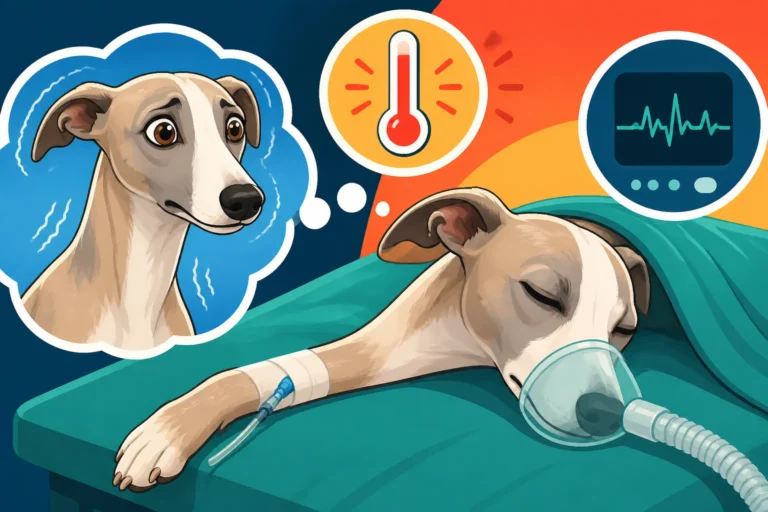
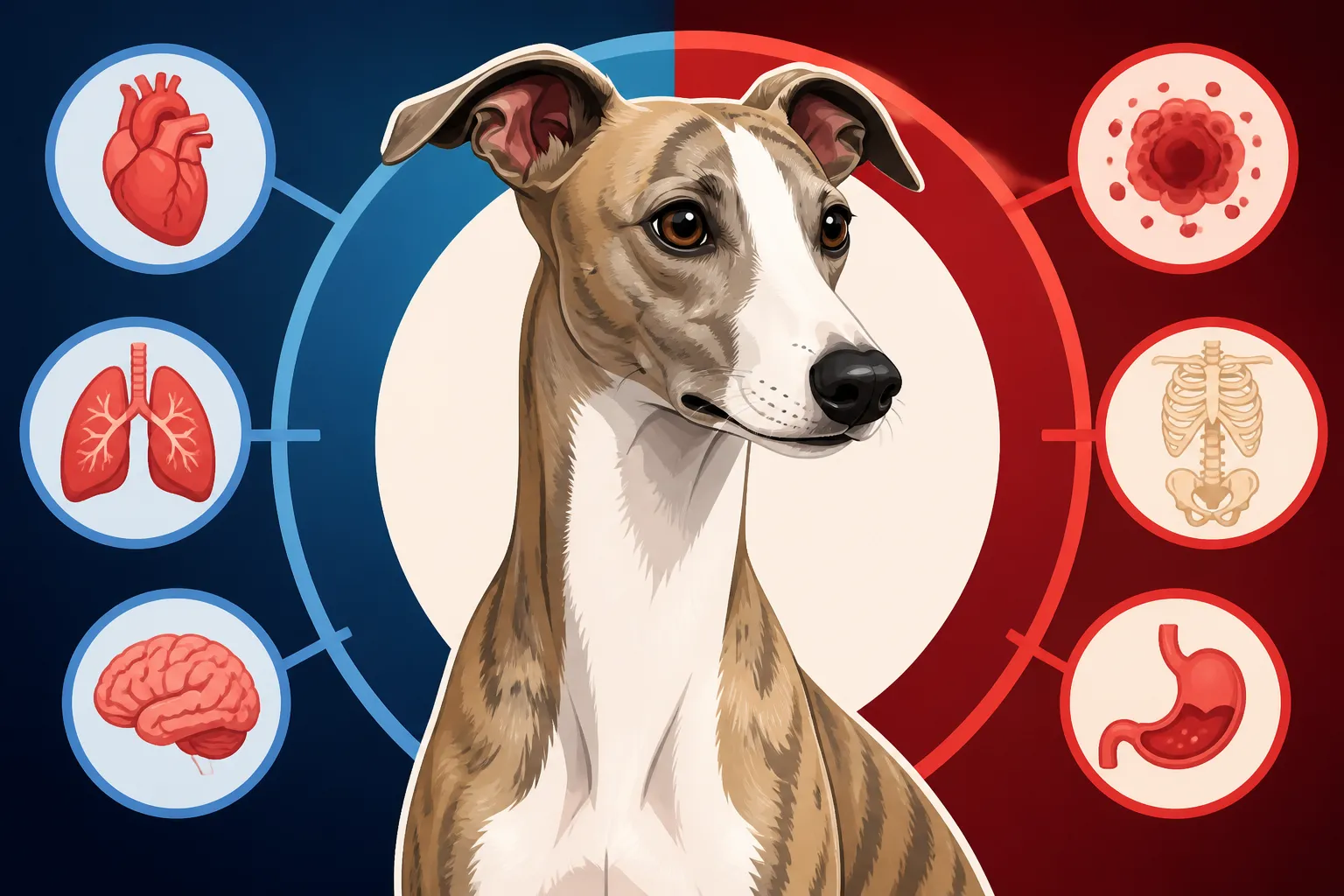
It's heartbreaking to even think about, but one of the questions that truly weighs on the hearts of every Whippet owner is, "What will eventually take my beloved dog from me?" We dote on these graceful, sensitive creatures, and the thought of their fragility can be a constant worry. This guide aims to shed light on the most common causes of death in Whippets, not to create fear, but to empower you with knowledge and help you understand how best to advocate for your furry family member throughout their life.
Why We Worry So Much About Whippet Health
Let's be real, owning a Whippet often feels like you're caring for a piece of living, breathing art – beautiful, elegant, and seemingly delicate. They're so finely boned, with that famously thin skin, and their lack of body fat makes them shiver at the slightest chill. This unique physique, while part of their charm and athletic prowess, can make us overly anxious about their general health. Every little bump, bruise, or unexpected shiver can send us into a spiral of worry.
It's not just their appearance; their playful, sometimes clumsy, nature can lead to minor scrapes and tears that, due to their thin skin, look far more dramatic than they might be on a thicker-skinned breed. This constant vigilance can make owners feel like their Whippets are always on the brink of a major health crisis, when often, they're incredibly resilient dogs. However, it does highlight why understanding the real threats is so important, rather than just worrying about every small cut.
Debunking Common Whippet Health Myths
You've probably heard it all – "Whippets break their legs just looking at them," or "they're so fragile they can't play rough." While their athletic build and thin skin mean they can be prone to certain types of injuries, many of these fears are exaggerated. Yes, a Whippet might get a skin tear running through thick brush, which often means an unexpected trip to the vet for stitches. However, they're not made of glass. They are incredibly tough athletes when it comes to activities they're bred for, like sprinting and lure coursing.
The truth is, Whippets are generally a remarkably healthy breed with a good lifespan, typically living anywhere from The Twelve to Fifteen Years a Whippet Lives. Their common health issues are often similar to those faced by many other breeds, particularly as they age. Focusing on these genuine concerns, rather than widespread myths, allows us to provide more targeted, effective care and enjoy their vibrant lives with less undue anxiety.
The Silent Killers: Cancer in Whippets
Just like in humans, cancer is a devastating reality for many dogs, and Whippets are unfortunately not immune. As our beloved Whippets get older, the risk of various forms of cancer increases significantly. It's one of the leading causes of death in senior Whippets, often appearing subtly before making its presence undeniably known. Understanding the types of cancer they're prone to and what to look for can be crucial for early detection and potential intervention.
The emotional toll of a cancer diagnosis can be immense. We often feel helpless, wondering if we missed something or if there was anything more we could have done. It's important to remember that cancer, in many cases, is an unpredictable disease, and our role is to provide the best possible care and comfort once it's identified.
The Most Prevalent Cancers
Among the various forms of Cancer in a Whippet, some are more commonly seen than others. One of the most aggressive and heartbreaking is hemangiosarcoma. This insidious cancer originates in the lining of blood vessels and can appear almost anywhere in the body, but is most frequently found in the spleen, heart, or liver. It often progresses silently, with few external symptoms until it reaches an advanced stage, such as when a tumor ruptures, causing internal bleeding. This can lead to sudden collapse, weakness, and pale gums, often requiring emergency veterinary attention. Learning about Hemangiosarcoma in a Whippet can help owners understand the gravity of this particular diagnosis.
Another significant concern is lymphoma, a cancer of the lymphatic system, which is part of the immune system. Lymphoma can manifest in various ways, but often presents as swollen lymph nodes (felt in the neck, armpits, groin, or behind the knees). Other signs might include lethargy, weight loss, or decreased appetite. While often treatable with chemotherapy, the prognosis can vary widely depending on the type and stage of the lymphoma. Osteosarcoma, a bone cancer, is less common in Whippets compared to larger breeds, but it's still a possibility, typically causing lameness and bone pain.
Recognizing Early Warning Signs
Spotting cancer early in Whippets, or any dog, can be incredibly challenging because their symptoms are often vague and can mimic other, less serious conditions. However, vigilance is key. Any persistent lump or bump on your Whippet's body, especially those that grow quickly or change in texture, should be promptly checked by your vet. This is why paying attention to Lumps Worth Checking on a Whippet during your regular cuddles and grooming sessions is so important.
Beyond visible lumps, keep an eye out for more generalized changes in your Whippet's behavior or physical state. Unexplained weight loss, a sudden decrease in appetite, chronic lethargy, or a reluctance to exercise could all be red flags. Other signs include persistent vomiting or diarrhea, difficulty breathing, limping that doesn't resolve, or any new swellings. While these symptoms don't automatically mean cancer, they warrant a veterinary visit to rule out serious underlying issues and ensure your Whippet gets the care they need as quickly as possible.
The Heart of the Matter: Cardiac Disease
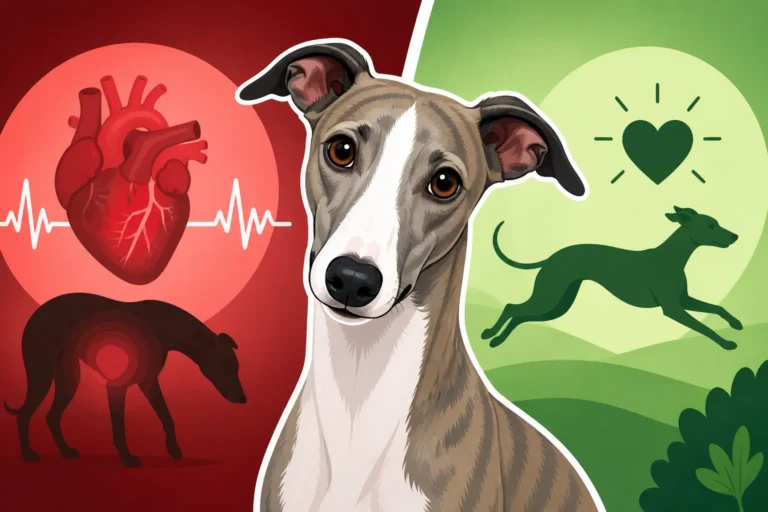
For many Whippet owners, the mention of heart conditions strikes a particular chord of fear. And rightly so, as heart disease, especially in older age, is a common culprit in the eventual decline of our beloved sighthounds. While Whippets are known for their naturally large, efficient hearts – a testament to their athletic build – they aren't immune to age-related heart conditions that can significantly impact their quality of life and lifespan.
The insidious nature of some cardiac issues means they can progress silently for years before symptoms become obvious. Regular veterinary check-ups are essential, particularly as your Whippet enters their senior years, to monitor for any changes that might indicate the onset of heart disease.
Mitral Valve Disease and Its Impact
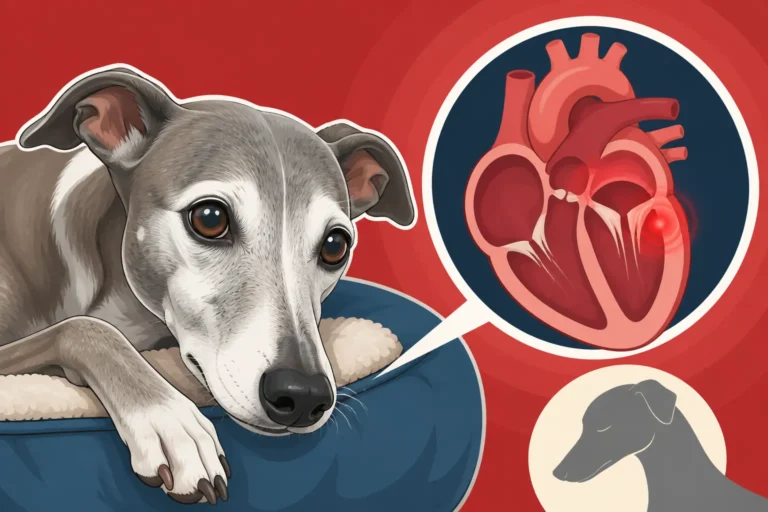
Without a doubt, Mitral Valve Disease Is What Ends Most Old Whippets. This degenerative condition is incredibly common in senior dogs of many breeds, and Whippets are no exception. The mitral valve, located between the left atrium and left ventricle of the heart, is designed to prevent blood from flowing backward. With MVD, this valve thickens and becomes leaky, allowing blood to regurgitate into the left atrium with each heartbeat. This inefficiency makes the heart work harder, leading to enlargement and eventual heart failure.
The first sign your vet might detect is a heart murmur during a routine examination. Initially, these murmurs can be mild and not cause any clinical signs. However, as the disease progresses, your Whippet might start to show symptoms like coughing (especially at night or when excited), reduced stamina, difficulty breathing, or even fainting spells. Managing MVD often involves medication to support heart function and improve comfort, but it's a progressive disease that ultimately impacts longevity.
Understanding Arrhythmias and Dilated Cardiomyopathy
While Mitral Valve Disease is prevalent, Whippets can also experience other cardiac issues. Arrhythmias in a Whippet, which are irregular heartbeats, can sometimes occur. These can range from benign to more serious, depending on their type and frequency. Some arrhythmias might not cause any problems, while others can lead to weakness, fainting, or indicate an underlying heart condition. Your vet might detect an arrhythmia during a physical exam, which would then warrant further diagnostics like an electrocardiogram (ECG) or a Holter monitor to assess the heart's electrical activity over a longer period.
Another serious, albeit less common, condition is Dilated Cardiomyopathy in a Whippet (DCM). DCM involves the enlargement of the heart's chambers and a weakening of the heart muscle, leading to a reduced ability to pump blood effectively. While more common in giant breeds, it can affect Whippets. Symptoms are similar to those of MVD, including lethargy, reduced exercise tolerance, coughing, and difficulty breathing. Both arrhythmias and DCM highlight the importance of regular cardiac screenings, especially as Whippets age, to catch these issues early and provide supportive care to maintain their quality of life.
Accidental Tragedies and Trauma
Whippets are magnificent athletes, built for speed and agility. Their zest for life and incredible acceleration often mean they live life at full throttle, which, unfortunately, can sometimes lead to unforeseen accidents and trauma. While we often think of "causes of death" as diseases, tragic accidents can cut short a Whippet's life prematurely, leaving owners heartbroken and reeling.
It's a stark reminder that even with all the love and care in the world, life can be unpredictable. Many of these incidents are preventable with careful management, but some are simply the cruel hand of fate.
Road Accidents and Off-Leash Risks
One of the most terrifying realities for any Whippet owner is the inherent risk of their dog's incredible prey drive and speed. A Whippet can go from zero to sixty in a blink, and their chase instinct often overrides any recall training, no matter how solid it usually is. This is why so many experienced Whippet owners will tell you that a Thirty Five Miles an Hour and No Brakes on a Whippet's Recall is not an exaggeration – it's a fact of life. An open field, a glimpse of a squirrel, or even a sudden noise can send them bolting, often with tragic consequences if they are near a road.
This is precisely why allowing a Whippet off-leash in an unfenced or unsecured area is always a gamble. Even a moment of distraction can lead to them darting into traffic. Vehicle accidents are a devastating and all-too-common cause of premature death for many dogs, and Whippets, with their particular blend of speed and single-minded focus on prey, are especially vulnerable. It underscores the critical importance of secure fencing and always keeping them on a leash in uncontrolled environments.
The Unexpected Injury: Falls and Collisions
Beyond road accidents, Whippets can also suffer serious trauma from falls and collisions, even in seemingly safe environments. Their slender frames and delicate bones, while perfect for sprinting, can be more susceptible to serious injury compared to stockier breeds. A misstep during vigorous play, a jump off furniture that goes wrong, or a collision with another dog or an inanimate object can sometimes lead to severe injuries.
We've all seen our Whippets zoom around the house, performing incredible aerial maneuvers. But sometimes, gravity and unforeseen obstacles win. A common concern, though not usually fatal, is The Thin Skin That Sends a Whippet to the Vet for Stitches, which can result from relatively minor scrapes against sharp objects. However, in more severe cases, falls from heights (like off a porch or high furniture) or high-speed collisions can cause internal injuries, fractures, or head trauma that can be life-threatening. The cost of dealing with these emergencies, like Emergency Stitches: the Whippet Bill Nobody Budgets For, can also be significant, highlighting the value of having pet insurance like Healthy Paws to help cover unexpected vet bills.
The Often Overlooked: Organ Failure and Degenerative Conditions
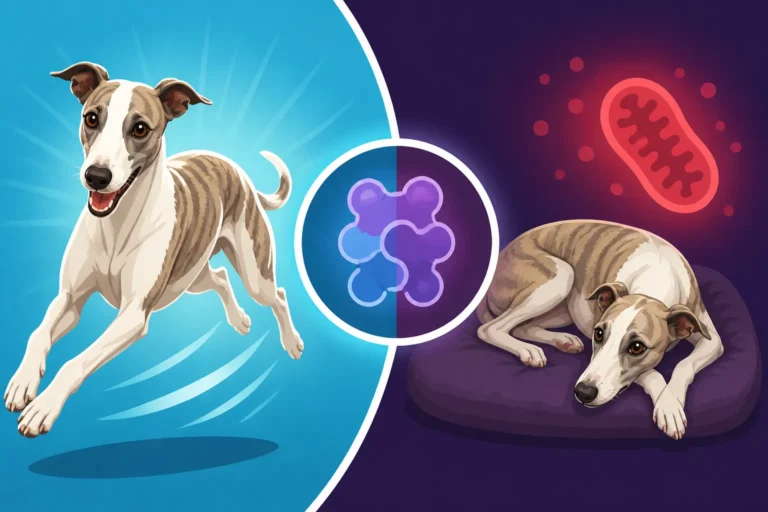
While cancer and heart disease often dominate discussions about canine mortality, other internal processes quietly play a significant role, particularly as our Whippets transition into their golden years. The natural wear and tear on organs, combined with potential genetic predispositions, can lead to chronic conditions that progressively diminish their health and ultimately contribute to their passing.
It's easy to overlook these more subtle changes, attributing them to "just getting old," but understanding them can help us provide better palliative care and make informed decisions about their comfort and quality of life.
Kidney Disease and Liver Issues
As Whippets age, their kidneys and liver, like ours, begin to show signs of decline. Chronic kidney disease (CKD) is a progressive condition where the kidneys gradually lose their ability to filter waste products from the blood. Symptoms often start subtly – increased thirst and urination, decreased appetite, lethargy, and weight loss. Because the kidneys have a large reserve capacity, symptoms usually only become apparent when a significant portion of kidney function has already been lost. Regular bloodwork, especially in senior Whippets, is crucial for early detection, allowing for dietary changes and medications to slow progression and improve comfort.
Liver disease can also affect Whippets, though specific forms may vary. The liver is a vital organ responsible for countless functions, including detoxification and metabolism. Problems can arise from infections, toxins, or age-related degeneration. Signs can include vomiting, diarrhea, jaundice (yellowing of the skin or whites of the eyes), loss of appetite, and lethargy. While some liver conditions are manageable, severe or chronic liver failure can be life-limiting. These conditions, while not as dramatic as a sudden accident or aggressive cancer, are significant factors in Caring for a Whippet Past Ten.
Neurological Conditions and Cognitive Decline
Just like people, older Whippets can experience a decline in cognitive function, sometimes referred to as Canine Cognitive Dysfunction (CCD), or "doggy dementia." This condition can manifest as disorientation (getting lost in familiar surroundings), changes in sleep-wake cycles (waking up more at night), altered interactions with family members, house soiling, and increased anxiety. While not directly fatal, CCD significantly impacts a Whippet's quality of life and can lead to secondary issues that do. For instance, a disoriented dog might be more prone to accidents or develop anxiety that becomes difficult to manage.
Beyond cognitive decline, Whippets can, rarely, experience other neurological issues, though they are not as commonly reported as causes of death compared to, say, cancer or heart disease. Seizure disorders can develop, particularly in older dogs, and while often manageable with medication, severe or uncontrolled seizures can lead to further complications. Maintaining mental stimulation, a consistent routine, and a safe, familiar environment can help support Whippets experiencing neurological changes, and veterinary guidance is essential for diagnosis and management.
When Age Catches Up: Quality of Life and Euthanasia
Ultimately, for many Whippets, death comes peacefully, surrounded by love, when their bodies simply can no longer keep up. This final chapter is perhaps the most challenging for any pet owner, involving the painful but often necessary decision of euthanasia. It's a testament to our bond with these animals that we shoulder this profound responsibility, prioritizing their comfort and dignity above our own grief.
Understanding when and how to make this decision is an act of profound love, but it doesn't make it any easier. It requires an honest assessment of their quality of life, something that can be incredibly difficult when our hearts want them to stay forever.
Recognizing Declining Quality of Life
One of the hardest parts of having an aging Whippet is knowing when their quality of life has truly diminished to an unacceptable point. It’s not about one bad day, but a consistent pattern of suffering or a loss of joy. Are they experiencing chronic pain that can no longer be effectively managed, even with medication? Are they unable to eat, drink, or move without significant distress? Have they stopped engaging in activities they once loved, like chasing a toy or snuggling on the sofa? These are the questions we must ask ourselves when determining Knowing When an Old Whippet Has Had Enough.
It’s about observing their daily routine, their interactions, and their overall demeanor. A good quality of life means your Whippet still experiences pleasure, comfort, and has more good days than bad. If they are no longer enjoying their favorite foods, cannot comfortably relieve themselves, or are constantly anxious or in pain, it's a strong indicator that their quality of life is severely compromised. Discussing these observations openly and honestly with your veterinarian can provide invaluable guidance during this difficult time.
Making the Toughest Decision
The decision to euthanize is undeniably the most painful one a pet owner will ever face. It's a profound act of compassion, allowing our beloved Whippets to pass peacefully and without further suffering when medical options have been exhausted, and their quality of life is irredeemable. This decision is rarely made lightly and often comes after weeks or months of grappling with their declining health, countless vet visits, and emotional anguish.
Many veterinarians will help you evaluate a "Quality of Life Scale" to objectively assess factors like pain, appetite, hygiene, mobility, and happiness. This tool can provide a framework for a decision that feels too heavy to bear alone. Remember that choosing euthanasia is not giving up; it is choosing to end suffering. It is the final, selfless act of love we can provide for our cherished companions, ensuring their final moments are peaceful and surrounded by those who love them most. Companies like Healthy Paws understand the depth of this bond and offer support during these challenging times, often having resources to help pet parents cope with loss.
Disclaimer
The information provided in this article is for general informational purposes only and is not intended as a substitute for professional veterinary advice. Always consult with a qualified veterinarian for any health concerns or before making any decisions about your pet's health or treatment.