Cataracts in a Whippet
It’s a heart-wrenching moment when you notice a subtle cloudiness in your beloved Whippet’s eyes, or perhaps they start bumping into furniture in a familiar room. The worry immediately sets in – is their eyesight failing? This guide is here to walk you through everything you need to know about cataracts in Whippets, from understanding what they are and recognizing the signs, to exploring treatment options and how to ensure your graceful companion maintains a wonderful quality of life.
Understanding Cataracts and How They Affect Whippets
Finding out your Whippet might have cataracts can be really unsettling. You spend so much time admiring their bright, intelligent eyes, and the thought of them losing their keen sight is tough. But let's demystify what's happening and why it matters for our particular breed.
What Exactly Are Cataracts?
At its simplest, a cataract is a clouding of the natural lens inside your Whippet's eye. Think of the lens as a clear, tiny window inside the eye that focuses light onto the retina, allowing for sharp vision. When a cataract forms, this clear lens becomes opaque, much like looking through a frosted or dirty window. This clouding prevents light from reaching the retina properly, resulting in blurry vision, diminished light perception, and eventually, if left untreated or if it progresses significantly, complete blindness.
It's important to distinguish cataracts from something called nuclear sclerosis, which is a very common and normal age-related change. Nuclear sclerosis gives the lens a slightly bluish-gray haze, but it's typically a hardening of the lens fibers, not an opacification. Most dogs with nuclear sclerosis can still see perfectly fine, though their close-up vision might not be as sharp. A true cataract, however, actively obstructs light and impairs vision. The causes of cataracts can vary widely, including genetics, underlying diseases like diabetes, physical trauma to the eye, or simply the natural aging process.
Why Whippets Can Be Prone to Cataracts
While cataracts aren't exclusive to Whippets, our lean, elegant friends can certainly be affected, and in some cases, there might be a genetic component at play. Sighthounds, in general, are known for having some unique health considerations, and eye health is one area where we need to pay close attention. It's not always a widespread, highly publicized genetic disease for Whippets like some other breeds might have, but individual lines can carry predispositions. This means that if you know your Whippet's pedigree, understanding their family history can sometimes offer clues.
Beyond inherited factors, Whippets, like any other breed, can develop cataracts secondary to other health issues or injuries. For instance, a Whippet who develops diabetes is highly susceptible to rapid cataract formation, often within weeks of diagnosis. A playful tumble that results in eye trauma could also lead to a cataract later on. Sometimes, it’s simply an unfortunate roll of the dice as they age, with no clear genetic link or underlying disease. The key is to be observant, no matter the potential cause, because early detection often leads to the best outcomes.
Identifying the Early Signs of Cataracts in Your Whippet
Whippets are incredibly adaptable and often stoic, which can make spotting early health issues a bit tricky. When it comes to their vision, they rely heavily on their other senses, so early signs of cataracts can be quite subtle. You might think they’re just being a bit clumsy or acting 'their age,' but it could be something more.
Subtle Behavioral Changes to Watch For
One of the first things you might notice isn't necessarily a change in their eyes, but a shift in their behavior, especially if the cataract is only affecting one eye or is still quite small. Your Whippet might start hesitating when navigating familiar environments, particularly in dim lighting or at night. They might walk more slowly, 'test' the ground with their paws before stepping, or even bump into furniture they usually glide past with ease. Stairs can become a challenge – they might pause at the top or bottom, reluctant to go up or down, or misjudge a step.
You might also observe changes in their play. A Whippet who once loved chasing a lure or a ball might seem less enthusiastic, or struggle to track moving objects as effectively. They might become more hesitant to jump on or off the sofa, or into the car. Sometimes, impaired vision can lead to increased anxiety or clinginess, as they feel less secure in their surroundings. It's a frustrating situation for them, and you might see them sticking closer to you for guidance. It's truly amazing how well these dogs adapt, but pay close attention to any minor shift in their usual graceful movements. For more on how they cope with aging, you might find our article on Caring for an Old Whippet That Feels the Cold helpful.
Visible Changes in Your Whippet's Eyes
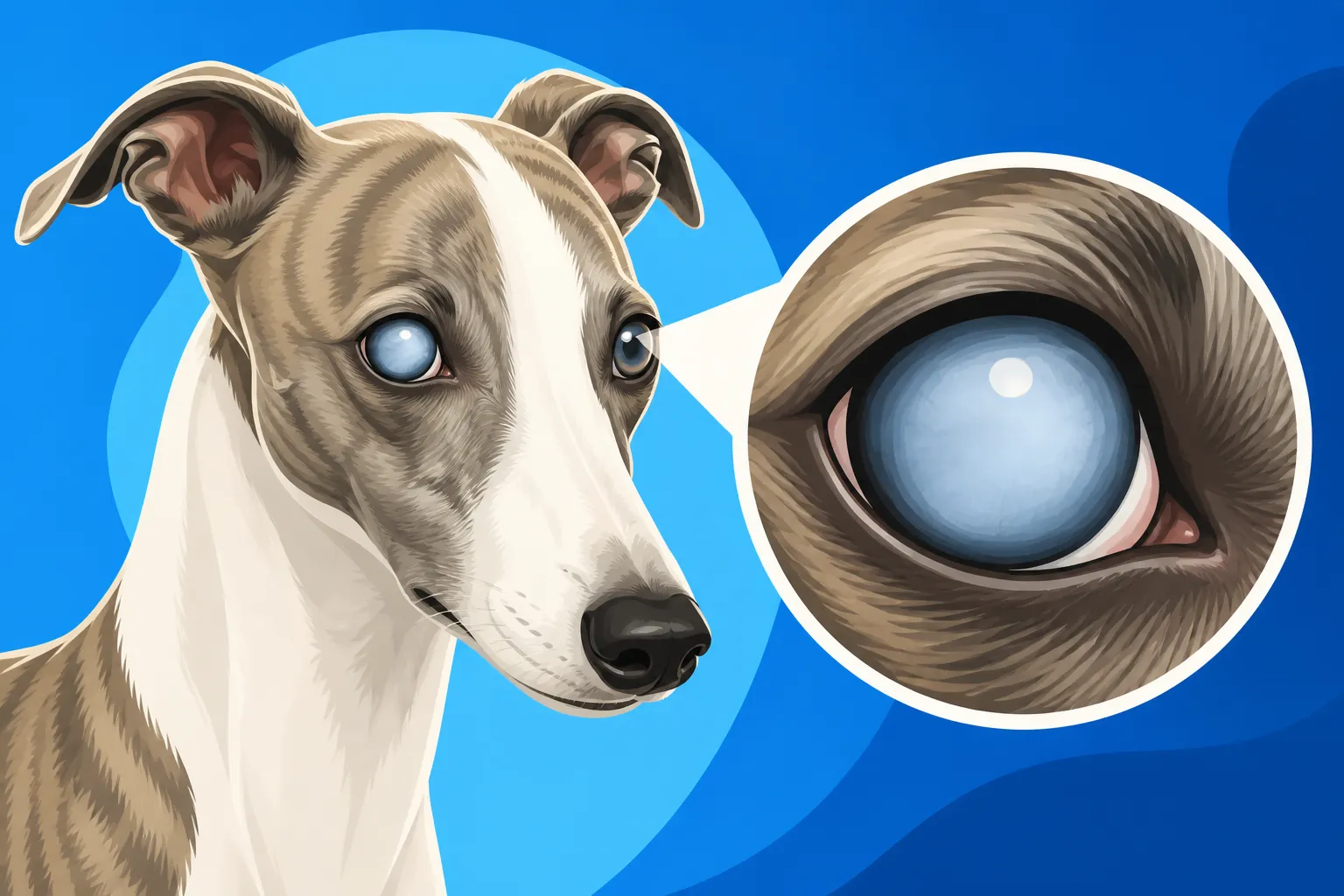
While behavioral cues are often the first alert, eventually, you will start to see visible changes in your Whippet's eyes themselves. The most obvious sign is a cloudiness or a bluish-gray haze appearing within the pupil area, which is normally dark. This cloudiness can start as a tiny speck, or resemble a fine spiderweb, and slowly expand to cover more of the lens. You might notice it more clearly when light catches their eyes in a certain way. As the cataract progresses, the entire pupil can appear opaque or milky white.
In some cases, you might also notice changes in how their eyes reflect light. Instead of a clear, bright reflection, it might seem duller or have an odd sheen. Sometimes, secondary issues can arise, such as inflammation or irritation around the eye, if the cataract causes discomfort or pressure changes. It's critical to remember that while nuclear sclerosis also causes a bluish haze, a true cataract will appear much more dense and directly impair vision. If you ever notice any cloudiness or discharge, or if your Whippet seems to be struggling with their sight, it’s always best to get it checked out by a veterinarian right away. It's also a good idea to keep up with general eye health; consider reading about Whether a Whippet Should Have a Yearly Eye Exam.
Types and Causes of Whippet Cataracts
Understanding the underlying cause of your Whippet's cataracts isn't just academic; it can significantly influence treatment decisions and prognosis. While some cataracts are an inevitable part of aging, others point to deeper health issues or genetic predispositions.
Inherited Cataracts and Genetic Testing
Just like in humans, some cataracts in dogs are inherited, meaning they're passed down through generations. While Whippets don't have one single, widely recognized inherited cataract type that affects the entire breed at an alarming rate, some lines may carry genetic predispositions for various forms, including juvenile cataracts that can appear in younger dogs. These are particularly concerning because they affect vision much earlier in life.
For responsible breeders, understanding the genetic history of their breeding stock is paramount. Though there isn't a universally available, simple DNA test for all forms of cataracts in Whippets, breeders often participate in eye certification programs, such as those offered by the Orthopedic Foundation for Animals (OFA) Eye Certification Registry (CAER) exams. These examinations, performed by board-certified veterinary ophthalmologists, screen for various inherited eye diseases, including cataracts. Identifying affected animals, or carriers where possible, helps prevent the propagation of these conditions. For anyone considering purchasing a Whippet puppy, asking about the parents' health clearances, including eye exams, is a crucial step. Our article on The Health Tests Both Whippet Parents Should Have delves deeper into important screenings.
Age-Related and Secondary Cataracts
Beyond genetics, cataracts often manifest as dogs age. As mentioned earlier, it's crucial to differentiate between true age-related cataracts and nuclear sclerosis. While nuclear sclerosis is a benign hardening of the lens that causes minimal vision impairment, actual age-related cataracts involve progressive opacification of the lens, which will significantly affect vision. These tend to develop slowly over time, making behavioral adaptations gradual and sometimes harder to pinpoint in their early stages.
However, many cataracts in dogs are "secondary" cataracts, meaning they develop as a consequence of another health issue or trauma. The most common culprit by far is diabetes mellitus. If your Whippet is diabetic, cataracts can develop incredibly quickly – sometimes within weeks or months of diagnosis – because the high sugar levels in the blood disrupt the lens's normal metabolism. Other causes include inflammation inside the eye (uveitis), glaucoma, nutritional deficiencies in puppies, or direct trauma to the eye from an injury. It's also important not to confuse cataracts with other serious eye conditions like progressive retinal atrophy, which affects the retina rather than the lens. You can learn more about Progressive Retinal Atrophy in a Whippet to understand the differences. A comprehensive veterinary exam will pinpoint the exact type and cause, which is vital for effective management.
Diagnosis and Treatment Options for Whippet Cataracts
Once you suspect cataracts, the next step is a clear diagnosis and understanding the available treatment paths. This can feel overwhelming, but with the right veterinary support, you can make informed decisions for your Whippet's future vision and comfort.
Getting a Proper Veterinary Diagnosis
The journey to diagnosing cataracts in your Whippet usually begins with your primary care veterinarian. They'll perform a general physical exam, including a basic eye check, often using an ophthalmoscope to look inside the eye. If they suspect a cataract, or if the vision loss is significant, they'll almost certainly recommend a referral to a board-certified veterinary ophthalmologist. These specialists have advanced equipment, like a slit lamp biomicroscope, which allows them to examine the lens and other eye structures in incredible detail, distinguishing between nuclear sclerosis, different types of cataracts, and other eye diseases.
Before any discussion of surgery, the ophthalmologist will perform a thorough assessment. This often includes checking intraocular pressure (to rule out glaucoma), and evaluating the retina. A crucial test for surgical candidates is an electroretinography (ERG), which assesses the function of the retina behind the cataract. This tells the ophthalmologist if the retina is healthy enough to receive light and send signals to the brain once the cataract is removed. Additionally, blood work will usually be done to check for underlying conditions like diabetes and to ensure your Whippet is healthy enough for anesthesia. Knowing your Whippet’s specific needs concerning anesthesia is important. You might want to read up on Why a Whippet Needs a Sighthound Anesthesia Protocol to prepare for these discussions.
Surgical and Non-Surgical Management
For most dogs, the only truly effective treatment for cataracts that are significantly impairing vision is surgical removal. The gold standard procedure is called phacoemulsification, which is essentially the same technique used in human cataract surgery. During this delicate procedure, a tiny incision is made, and a small ultrasonic probe is used to break up the cloudy lens, which is then suctioned out. In most cases, an artificial intraocular lens (IOL) is implanted to restore proper focusing ability. The success rate for phacoemulsification in dogs is generally very high, often above 90%, assuming the retina is healthy.
Post-operative care is crucial and involves strict adherence to eye drop schedules (often multiple types, several times a day), an Elizabethan collar (the dreaded "cone of shame") to prevent rubbing, and restricted activity for several weeks. The cost of cataract surgery can be substantial, often running into several thousand dollars per eye. This is where having pet insurance, such as a plan from Healthy Paws, can be incredibly helpful in easing the financial burden and allowing you to make the best decision for your Whippet's health without undue stress. For those situations where surgery isn't an option – perhaps due to other health issues, a non-functional retina, or financial constraints – management focuses on adapting your home environment to support your visually impaired Whippet. This includes keeping furniture consistent, using verbal cues, and ensuring safe, familiar spaces. While they may not regain their sight, many blind Whippets live wonderfully happy and fulfilling lives with supportive owners.
Living with a Whippet with Impaired Vision
Discovering your Whippet is losing their sight can be heartbreaking, but it's not the end of their happy life. Whippets are incredibly resilient and adaptable, and with some thoughtful adjustments, they can continue to thrive. The key is to provide a consistent, safe environment and unwavering emotional support.
Adapting Your Home Environment
The good news is that Whippets, like many dogs, rely heavily on their sense of smell and their memory of space. This means they can often navigate their home environment quite well, even with significant vision loss, provided things stay consistent. The first and most important step is to avoid moving furniture around. Once they've memorized the layout, maintaining it helps them build a mental map of their home. For areas with potential hazards, like stairs, consider installing baby gates to prevent falls. Using scent cues, such as a drop of essential oil (safe for pets, like lavender or cedarwood, diluted) on specific pieces of furniture or at thresholds, can help them orient themselves. Similarly, textured mats or runners can define pathways or signal obstacles.
Outside, ensure your yard is securely fenced and free of obstacles they might trip over. Supervise them closely, even in familiar areas, as they might miss a sudden hazard. When going for walks, always keep them on a leash, and consider using a harness rather than just a collar for better control and to prevent accidental slips. Remember, a Whippet's drive to chase can still kick in even if their vision is impaired, so safety is paramount. Utilizing audible toys, like those with bells or crinkles, can keep playtime engaging and help them locate their fun.
Maintaining Quality of Life and Emotional Well-being
Beyond physical adaptations, your Whippet's emotional well-being is paramount. Maintaining a consistent daily routine can reduce anxiety significantly. They thrive on predictability, knowing when mealtime, potty breaks, and playtime will occur. Use verbal cues consistently to guide them – a gentle "step up," "watch out," or "this way" can make a huge difference. Touch is also incredibly important; gentle petting, guiding with a hand on their side, or even a reassuring tap can help them feel secure and connected.
Whippets, even with impaired vision, still have an incredible zest for life and love to exercise. Continuing regular walks in familiar, safe parks or your backyard is crucial for their physical and mental health. Don't stop playing with them; simply adapt the games. If your Whippet previously enjoyed running, they might still want to, albeit in a more controlled environment. Our article on Whether an Old Whippet Still Wants to Run offers great insights into keeping them active in their later years. Mental stimulation through puzzle toys (that focus on smell or sound) and gentle training sessions can keep their minds sharp and engaged. Regular veterinary check-ups are also vital to monitor their overall health and address any secondary issues that might arise from their vision loss. Remember, they pick up on your emotions, so staying calm and positive helps them feel confident.
Prevention and Responsible Breeding Practices
While not all cataracts are preventable, especially those linked to age or certain medical conditions, there are certainly steps we can take, particularly through responsible breeding, to minimize the risk of inherited forms and promote overall eye health in our beloved Whippets.
The Role of Genetic Screening and Health Clearances
For anyone looking to bring a Whippet into their home, supporting responsible breeding practices is the most impactful way to prevent inherited diseases, including certain types of cataracts. Reputable breeders don't just breed for pretty faces or speed; they prioritize health and temperament. This means conducting comprehensive health testing on their breeding stock before any litters are planned. While specific DNA tests for all forms of Whippet cataracts might not be widely available, ethical breeders will participate in routine eye examinations performed by board-certified veterinary ophthalmologists, often through programs like the OFA Eye Certification Registry (CAER).
These exams are designed to identify inherited eye conditions, including cataracts, long before a dog is bred. By carefully selecting breeding pairs based on clear health certifications, breeders can significantly reduce the likelihood of passing on predispositions for inherited cataracts to future generations. This commitment to health helps to strengthen the breed's genetic pool overall. When you're looking for a puppy, don't be shy about asking to see the parents' health clearances, including their current eye exam results. This transparency is a hallmark of a breeder who genuinely cares about the long-term health of their Whippets.
General Eye Health Maintenance
Even if your Whippet comes from a well-screened lineage, general eye health maintenance and proactive care are essential throughout their life. Regular veterinary check-ups are paramount, as your vet can spot early signs of eye issues or underlying health conditions that might lead to cataracts. For instance, being vigilant for the signs of diabetes, such as increased thirst, urination, and changes in appetite or weight, can lead to early diagnosis and management, potentially slowing or preventing diabetic cataracts.
Protecting your Whippet's eyes from physical trauma is also a good practice, though sometimes accidents happen. While their thin skin makes them prone to tears and scrapes, particularly if they enjoy running through dense undergrowth, their eyes can also suffer injury. Our piece on The Thin Skin That Sends a Whippet to the Vet for Stitches highlights how delicate they can be. Keeping their nails trimmed to prevent accidental eye pokes during play, and checking their eyes regularly for redness, discharge, or irritation, are all simple yet effective preventative measures. Good nutrition and maintaining a healthy weight also contribute to overall well-being, which in turn supports ocular health. For aging Whippets, eye health becomes an even more critical component of their overall care plan. Our comprehensive guide to Caring for a Whippet Past Ten touches on many aspects of senior care, including eye health.
Disclaimer
The information provided in this article is for general informational purposes only and is not a substitute for professional veterinary advice. Always consult with a qualified veterinarian or veterinary ophthalmologist for any health concerns or before making any decisions related to your Whippet's health and treatment.