Whether a Whippet Needs Sighthound Reference Ranges
It's an all-too-common scenario: you take your beloved Whippet to the vet for a routine check-up, blood is drawn, and a few days later, you get that dreaded call. The vet explains that some numbers on the lab report are "out of range," triggering immediate panic about your dog's health. For Whippet owners, this situation is particularly frustrating because what's considered "abnormal" for many breeds can be perfectly healthy and normal for a sighthound. This guide will delve deep into why your Whippet’s bloodwork often looks peculiar on standard reports and why understanding sighthound-specific reference ranges isn't just helpful, it's absolutely crucial for their well-being and your peace of mind.
Understanding Standard Canine Reference Ranges
When your vet sends off your Whippet's blood samples to a lab, those labs typically compare the results to broad, generalized canine reference ranges. These ranges are established by analyzing blood samples from a vast and diverse population of dogs, encompassing everything from a tiny Chihuahua to a giant Saint Bernard. It's a system designed to catch major anomalies across the widest possible spectrum of dogs, which sounds reasonable on the surface.
What "Normal" Means for Most Breeds
The "normal" values you see printed on a standard lab report represent an average or a typical range found in a large cross-section of the general dog population. Think of it as a statistical bell curve; most dogs' results will fall within this central range. These averages are often skewed by the more common breeds seen in a typical veterinary practice, which tend to be mixed breeds or popular non-sighthound purebreds like Labradors, Golden Retrievers, German Shepherds, or Beagles. These breeds, while wonderful, possess significantly different physiologies and body compositions compared to a lean, athletic sighthound. Their red blood cell counts, kidney values, and even thyroid hormone levels naturally differ due to variances in muscle mass, metabolic rates, and overall body fat percentages.
The problem arises when these generalized benchmarks are applied without consideration for breed-specific variations. While they serve as a decent starting point for many, they can become a source of confusion and alarm when examining a dog as unique as a Whippet. This blanket approach can sometimes miss subtle issues in typical breeds or, more often, flag perfectly healthy Whippet results as problematic simply because they don't fit the "average" mold.
The Anxiety of "Abnormal" Results
Imagine getting that phone call from your vet, telling you your Whippet’s red blood cell count is high, or their platelet count is low, or their kidney values are elevated. Your heart sinks. Naturally, your first thought is, "My dog is sick, or something serious is wrong." This immediate anxiety is compounded by the fear of impending medical interventions, diagnostic tests, and potentially expensive treatments that might not even be necessary. It’s an incredibly stressful experience for any devoted pet parent.
The reality is that these "abnormal" flags can lead to a cascade of events: further blood tests, ultrasounds, specialized hormone panels, or even biopsies, all designed to investigate a perceived problem that, for a Whippet, might not exist at all. This isn't to say your vet is incompetent; rather, it highlights a gap in generalized veterinary education that often overlooks the physiological nuances of sighthounds. The financial burden and emotional toll of unnecessary tests can be significant, not to mention the stress these procedures can place on your dog. Having pet insurance, like a policy from Healthy Paws, is certainly a smart move for any pet owner for unexpected genuine emergencies, but ideally, we want to avoid situations where unnecessary tests are ordered due to a misinterpretation of normal breed-specific parameters. We want to ensure that every diagnostic step is truly warranted, not just a reaction to a generalized reference range.
Why Whippets Are Different Anatomically and Physiologically
To truly understand why Whippet bloodwork can look so "off" on standard panels, we need to appreciate the fundamental differences in their anatomy and physiology. Whippets aren't just smaller Greyhounds; they are finely tuned athletes with bodies built for explosive speed and effortless grace.
The Unique Whippet Physique
Take a moment to truly look at a Whippet. Their silhouette is unmistakable: a deep chest, a dramatically arched back that flows into a strong loin, and an incredibly tucked-up abdomen. They are the epitome of lean muscle and fine bone, with virtually no excess body fat. You can often see the ripple of their musculature under their thin, short coat, and their ribs and hip bones are typically visible or easily palpable. This isn't a sign of malnourishment; it's the breed standard, indicative of their athletic prowess.
This extreme leanness and muscle density are direct contributors to their unique internal workings. Unlike a chunky Bulldog or a stocky Boxer, a Whippet's body is optimized for efficiency and speed. Their organs operate within a system that has minimal insulation and a high metabolic rate, impacting everything from their body temperature regulation to how their kidneys process waste products. When you compare this to the "average dog" represented in general bloodwork ranges, it's like comparing a high-performance sports car to a family sedan – both are cars, but their engineering and operational parameters are vastly different.
Sighthound Physiology in a Nutshell
Whippets belong to the sighthound family, a group of dogs bred over centuries to hunt by sight and chase down prey at incredible speeds. This genetic heritage has sculpted a unique physiology shared by Greyhounds, Salukis, Afghan Hounds, and of course, Whippets. Their bodies are masterpieces of natural selection, optimized for short bursts of intense activity.
Physiologically, sighthounds possess several distinct characteristics that set them apart. They typically have larger hearts and lungs relative to their body size, allowing for exceptional oxygen uptake and delivery to their muscles. Their musculature is highly efficient, rich in fast-twitch fibers, and their blood volume is often higher, carrying more red blood cells to oxygenate those powerful muscles. Their metabolism is geared towards quick energy bursts, influencing liver and kidney function. These aren't just minor variations; they are fundamental adaptations that make sighthounds, including Whippets, physiologically distinct from most other dog breeds. This difference is precisely why "one-size-fits-all" blood reference ranges simply don't do them justice.
Key Bloodwork Differences in Whippets
When a Whippet’s blood is analyzed using standard ranges, several parameters frequently raise red flags, leading to unnecessary concern. Let's break down some of the most common "abnormalities" that are, in fact, perfectly normal for your speedy companion.
Red Blood Cell Count and Packed Cell Volume (PCV)
One of the most frequent surprises for vets unfamiliar with sighthounds is the high red blood cell count and packed cell volume (PCV), also known as hematocrit, in a healthy Whippet. For most other breeds, an elevated PCV could indicate dehydration or a serious condition like polycythemia, which is an abnormally high concentration of red blood cells. Naturally, upon seeing these numbers, a vet might be alarmed and suggest further diagnostics or treatments.
However, for Whippets and other sighthounds, these higher values are simply part of their normal physiological makeup. Their bodies are designed to maximize oxygen transport to their powerful muscles for sprinting. More red blood cells mean more oxygen-carrying capacity, which is essential for their athletic lifestyle. A typical "normal" PCV for a general dog population might range from 35-55%, but for a Whippet, it's not uncommon to see readings in the 50-65% range. This higher baseline means that if your Whippet’s PCV falls within what would be considered a normal range for a Labrador, it could actually be abnormally low for them, indicating potential anemia. It’s a complete reversal of how standard charts might interpret the data, highlighting why specific ranges are paramount. As we've explored in Why a Whippet's Red Cell Count Runs High, this isn't a sign of illness, but a sign of their incredible athletic adaptations.
Platelet Count Anomalies
Another common "abnormality" that frequently appears on standard blood panels for Whippets is a lower-than-average platelet count. Platelets are crucial for blood clotting, and a low count (thrombocytopenia) in other breeds can signal bleeding disorders, autoimmune diseases, or bone marrow issues. Understandably, a vet encountering a low platelet count in a Whippet for the first time might be concerned about these possibilities.
Yet, many healthy sighthounds, including Whippets, naturally have platelet counts that are below the standard reference range. This phenomenon is often referred to as "benign sighthound thrombocytopenia." Their platelets simply circulate at a lower baseline level without any negative impact on their clotting ability or overall health. A Whippet with a platelet count that would be considered borderline low or even mildly alarming in a mixed-breed dog might be perfectly healthy and have no issues with bruising or bleeding. This is a classic example where unnecessary investigations, like bone marrow biopsies or extensive autoimmune panels, could be ordered when the dog is completely fine. For more detail on this, you might want to read Why a Whippet's Platelet Count Runs Low.
Thyroid Function and Misdiagnosis
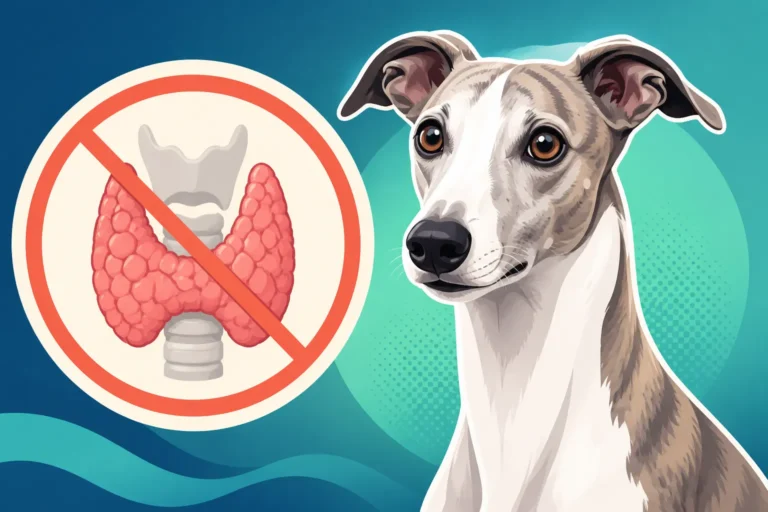
One of the most concerning and frequent misinterpretations of Whippet bloodwork involves thyroid function. Standard canine thyroid panels often show a Whippet's T4 (thyroxine) levels to be lower than the general reference range, sometimes leading to an incorrect diagnosis of hypothyroidism. Hypothyroidism, where the thyroid gland doesn't produce enough hormones, is a real condition that requires lifelong medication. The thought of your dog needing daily pills for life based on a faulty interpretation is certainly distressing.
However, sighthounds frequently have naturally lower circulating thyroid hormone levels compared to other breeds, yet they are still euthyroid (meaning they have normal thyroid function). This can be attributed to several factors, including their unique metabolism and lower body fat. Treating a healthy Whippet for hypothyroidism can actually do more harm than good, potentially causing other health issues or simply wasting money on unnecessary medication. Therefore, it's critical for vets to be aware of sighthound-specific thyroid ranges or to consider additional diagnostic tests like a free T4 by equilibrium dialysis (fT4-ED) and a TSH (thyroid-stimulating hormone) assay, interpreted with sighthound context, before initiating treatment. We explore this in depth in Why a Whippet's Thyroid Reading Runs Low and Whether a Whippet Should Be Treated for a Low Thyroid Reading.
Elevated Creatinine and Kidney Health
Another parameter that often gets flagged in Whippet bloodwork is creatinine, a waste product produced by muscle metabolism that is filtered out by the kidneys. In most breeds, an elevated creatinine level is a significant indicator of kidney dysfunction. A vet might immediately jump to the conclusion of kidney disease, prompting urgent follow-up care and potentially restrictive diets.
For Whippets, however, their naturally higher muscle mass often results in a higher baseline creatinine level that is still well within healthy limits for their breed. More muscle simply means more creatinine production. As long as other kidney values, such as Blood Urea Nitrogen (BUN), and urine specific gravity are normal, and the dog is otherwise healthy, an elevated creatinine level in a Whippet should not automatically be interpreted as kidney failure. It's a common benign finding that reflects their athletic build, not necessarily a diseased state. Understanding this distinction is vital to prevent misdiagnosis and unnecessary interventions that can cause undue stress for both you and your Whippet. For more context, check out Why a Whippet's Creatinine Runs High.
The Importance of Sighthound-Specific Ranges
Given the inherent physiological differences, relying solely on generalized canine bloodwork ranges for your Whippet is akin to using a universal key for a highly specialized lock – it just doesn't fit right and can lead to major problems. The real solution lies in using sighthound-specific reference ranges.
Preventing Misdiagnosis and Unnecessary Treatments
The primary benefit of using sighthound-specific reference ranges is the prevention of misdiagnosis. Without these specialized benchmarks, a healthy Whippet can easily be labeled as "sick" based on values that are entirely normal for their breed. This isn't a trivial matter; a misdiagnosis can lead to significant stress for both you and your dog. Imagine putting your Whippet through repeated blood draws, expensive imaging (like ultrasounds of the kidneys or heart), or even invasive procedures like biopsies, all to investigate a condition that doesn't exist.
Beyond the physical stress, there's the emotional and financial burden. You worry endlessly about your beloved companion, and the veterinary bills for these unnecessary diagnostics can quickly skyrocket. Furthermore, if a Whippet is mistakenly diagnosed with a condition like hypothyroidism and put on medication, it can disrupt their natural hormonal balance and potentially lead to actual health problems down the line. It's a cycle of concern and intervention that could be entirely avoided if the initial bloodwork is interpreted correctly. Advocating for your Whippet means ensuring their unique physiology is respected in every vet visit, starting with how their lab results are read. This is crucial for their long-term health and your peace of mind, allowing you to focus on genuine health concerns rather than false alarms. The frustration of seeing The Bloodwork Numbers That Look Wrong on a Healthy Whippet on a report can be entirely mitigated with the correct interpretation.
Finding a Sighthound-Knowledgeable Vet
Navigating the world of veterinary care for a sighthound really highlights the importance of finding a veterinarian who is knowledgeable about their specific needs. Not every vet will have extensive experience with Whippets or sighthounds, and that's okay, but it does mean you might need to be prepared to educate and advocate. Ideally, you want a vet who is either already familiar with sighthound physiology or is open and willing to learn and consult sighthound-specific resources.
How do you find such a vet? Start by reaching out to local Whippet breed clubs, sighthound rescue organizations, or online communities. These groups are often invaluable resources for recommendations. They can usually point you to practices in your area that regularly treat sighthounds and understand their unique quirks, from their anesthesia requirements to their bloodwork profiles. When you interview a potential new vet, don't hesitate to ask specific questions about their experience with sighthounds and their approach to interpreting bloodwork for these breeds. Some veterinary diagnostic labs, like Antech Diagnostics and Idexx Laboratories, do offer sighthound-specific reference ranges for certain tests, or at least acknowledge these differences in their reporting. It's worth asking your vet if they use a lab that provides Which Labs Use Sighthound Ranges for a Whippet or if they are willing to specifically request them. Having a vet who genuinely understands Whether a Whippet Needs a Vet Who Knows Sighthounds can make all the difference in providing appropriate care.
What to Do When Your Whippet's Bloodwork is "Off"
Even with the best vet, sometimes those "abnormal" flags still pop up on a lab report. It's not a reason to panic, but it is a reason to engage in a proactive and informed discussion with your veterinary team.
Proactive Steps for Whippet Owners
As a Whippet owner, you are your dog's primary advocate. Being proactive starts even before the blood is drawn. When you schedule routine bloodwork, discuss with your vet your concerns about sighthound-specific reference ranges. Ask if they have access to these ranges, or if they are aware of the common physiological differences that might make standard results look unusual. If your vet isn't immediately familiar, don't be afraid to gently share information. Many sighthound clubs and veterinary resources (like the American Sighthound Field Association or sighthound health panels) publish these specific reference ranges, and bringing a printout can be incredibly helpful. This can initiate a valuable conversation and ensure your vet is thinking with a sighthound lens.
Another important step is to always provide a complete history of your Whippet's health, behavior, and any recent changes. Sometimes, a true medical issue might cause a change in bloodwork, and knowing your dog's baseline normal is crucial. By setting the stage before the results come in, you can help preempt unnecessary alarm and direct the interpretation towards breed-appropriate understanding.
Interpreting Results with Context
Once the bloodwork results are in, and you see those dreaded "H" or "L" flags indicating values outside the standard range, take a deep breath. Remember, a flagged result isn't an automatic declaration of crisis, especially for a Whippet. The key is context. Work with your vet to interpret the results through a sighthound-specific lens.
If your Whippet's PCV is high, their platelet count is low, or their creatinine or thyroid levels are outside the "normal" general canine range, ask your vet if these numbers fall within the known healthy range for a sighthound. Discuss your dog's overall demeanor: Are they energetic? Eating well? No signs of lethargy or pain? Often, a healthy, active Whippet with "abnormal" bloodwork is simply a healthy Whippet whose physiology is being misunderstood. If the vet still has concerns, you can ask for a re-test with a lab known to offer sighthound-specific parameters or request that they consult with a sighthound specialist. Sometimes, further, more targeted tests may indeed be warranted, but these should be carefully considered after the initial results have been properly contextualized. This diligent approach helps ensure that any further diagnostics or treatments are genuinely needed, rather than a reaction to misinterpreted numbers. While we hope to avoid unnecessary procedures, having pet insurance from providers like Healthy Paws can offer significant financial protection if a genuine, unexpected health issue arises and truly requires extensive diagnostic work.
Broader Health Considerations for Whippets
While we're deep-diving into bloodwork, it's worth touching on a few other areas where Whippets' unique physiology can lead to misunderstandings or require special consideration. Their lean build and athletic nature influence more than just their blood panels.
Understanding Whippet Heart Health
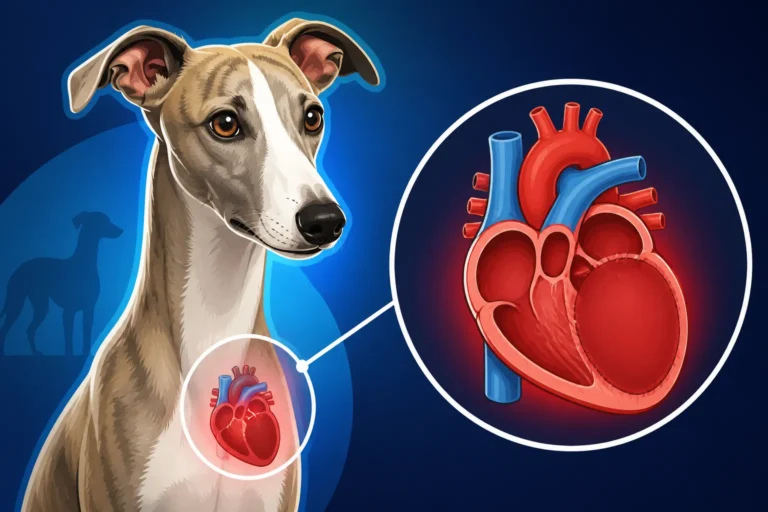
When it comes to cardiovascular health, Whippets often present another unique characteristic that can raise eyebrows if not properly understood: their hearts are typically larger than those of other breeds of comparable size. This is not usually a sign of heart disease, but rather an adaptation to their athletic lifestyle. Their powerful sprints demand an efficient circulatory system, and a larger heart allows them to pump more blood with each beat, optimizing oxygen delivery to their muscles. On an X-ray, this can sometimes look like an "enlarged heart," leading to concern about conditions like dilated cardiomyopathy.
However, for a Whippet, this is often a perfectly normal finding. It's their body's way of being a finely tuned athlete. Therefore, if your vet sees what appears to be an enlarged heart on an X-ray, it's crucial to consider the context of the breed. An echocardiogram might be recommended to assess function, but even then, what's considered "normal" for a Whippet's heart might be different from other breeds. Understanding that Why a Whippet's Big Heart Is Not a Diagnosis is often just a sign of their athleticism, as detailed in Why an Athletic Whippet's Heart Is Bigger and how it can make Whether a Whippet's Heart Looks Enlarged on X Ray appear normal, can alleviate a lot of anxiety.
Skin and Anesthesia Sensitivities
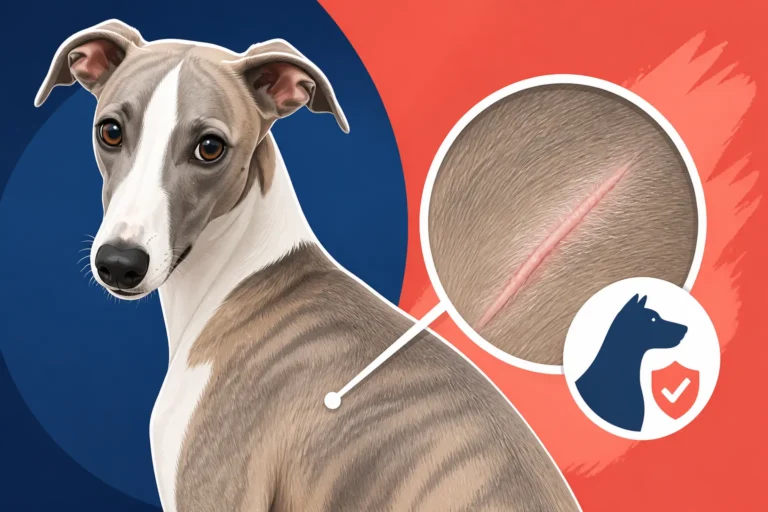
Beyond internal physiology, Whippets' external characteristics also require special attention. Their wonderfully thin skin, while sleek and beautiful, is notoriously delicate. It tears very easily, often from seemingly minor scrapes or bumps during enthusiastic play or a run through dense brush. These skin tears often require veterinary attention, sometimes stitches, and can be a common (and unexpected) expense for Whippet owners. Knowing that The Thin Skin That Sends a Whippet to the Vet for Stitches is a real concern helps owners be more vigilant and prepared.
Furthermore, sighthounds, including Whippets, are known to have unique sensitivities to certain anesthetic agents. Their lean body composition, low body fat, and different metabolic pathways mean that they process some drugs differently and can be slower to recover from anesthesia. Vets experienced with sighthounds will typically employ specific anesthetic protocols designed to minimize risks and ensure a smoother recovery. It's vital to ensure your vet is aware of and follows Why a Whippet Needs a Sighthound Anesthesia Protocol to ensure the safest possible experience for your dog during any surgical or sedated procedure. This is another area where breed-specific knowledge is not just beneficial, but critical for their safety.
Disclaimer
The information provided in this article is for educational and informational purposes only, and does not constitute veterinary advice. Always consult with a qualified veterinarian for any health concerns or before making any decisions about your Whippet's medical care.