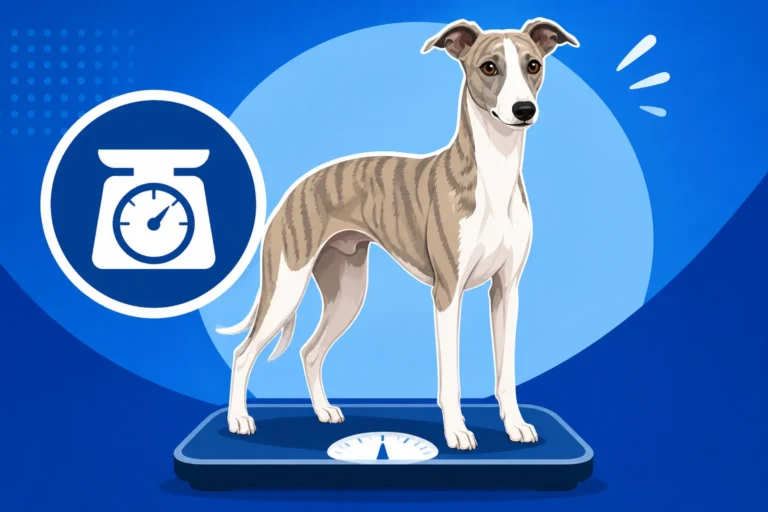
Whether a Brindle Whippet Is Common
It’s completely understandable to wonder about the prevalence of certain coat colors in Whippets, especially one as striking as brindle. When you first fall in love with the graceful lines and sweet nature of a Whippet, you might see pictures of all sorts of colors and patterns, and it’s natural to want to know what’s common and what might be a little harder to find. This guide will delve into the world of Whippet coat genetics to explain just how common the brindle pattern is and what makes it so captivating.
Understanding Whippet Coat Colors and Patterns
Whippets, like all dog breeds, have a fascinating genetic blueprint that determines their appearance. While their elegant shape and athletic build are unmistakable, their coats come in a surprisingly wide array of colors and patterns, each with its own genetic story.
The Basics of Whippet Genetics
Dog coat color genetics can feel a bit like a complex puzzle, but at its heart, it's about different genes interacting. For Whippets, there are primary genes that dictate base colors like black, fawn, or blue, and then other genes that introduce patterns, like white markings or, indeed, brindle. Each parent contributes a set of genes, and the combination determines the puppy's coat. A responsible breeder understands these genetics deeply, not just for aesthetics but also to ensure they are breeding healthy dogs. Knowing a bit about what lies beneath the surface helps us appreciate the beautiful variety we see.
What Makes a Brindle Pattern Unique
Brindle is not a color itself, but rather a pattern of stripes over a base color. Think of it like a tiger's stripes, but usually more irregular and often appearing as darker streaks on a lighter background. In Whippets, you typically see black stripes on a fawn, red, or blue base, creating a truly eye-catching effect. The intensity and width of these stripes can vary dramatically, from fine, almost subtle penciling to broad, bold markings that dominate the coat. This intricate pattern is why brindle Whippets often stand out in a crowd, and why so many people are drawn to them. It’s a dynamic pattern that can look different in various lighting, making each brindle Whippet truly unique.
How Common is the Brindle Pattern in Whippets?
When people ask if a brindle Whippet is "common," they're often wondering if it's a rare color or something they'll see frequently. The good news for brindle lovers is that it's a well-established and accepted pattern within the breed.
Brindle in the Breed Standard
One of the best ways to gauge the commonality and acceptance of a coat color or pattern in any purebred dog is to look at the breed standard. The Whippet breed standard, recognized by organizations like the American Kennel Club (AKC) and The Kennel Club in the UK, is quite open when it comes to color. It states that "any color or mixture of colors" is acceptable. This is fantastic news for variety! Unlike some breeds where specific colors are "disqualifying faults," brindle is fully recognized and celebrated. This acceptance within the breed standard means that brindle Whippets are bred and shown, and their pattern is considered just as valid and beautiful as any other. This is a stark contrast to some more restrictive breed standards where certain colors might be seen as undesirable or indicative of mixed parentage. You can learn more about The Colors a Whippet Comes In in another one of our articles.
Observing Brindle in the Whippet Population
So, while the breed standard permits it, does that mean you see them often? Absolutely! Brindle is a fairly common and popular pattern in Whippets. You're likely to encounter brindle Whippets at dog shows, lure coursing events, or even just at your local dog park. While perhaps not as ubiquitous as solid fawn or white with patches, it's certainly not rare. Many breeders actively produce brindle Whippets due to its popularity and aesthetic appeal. It's a pattern that stands out without being considered unusual or exotic, finding a comfortable middle ground between the very common solid colors and the truly unique, rarer combinations you might occasionally see.
Here's a quick look at some common Whippet coat appearances:
| Pattern/Color | Description | Commonality |
|---|---|---|
| Brindle | Dark stripes over a lighter base (fawn, red, blue) | Common |
| Fawn | Shades of tan, from very light cream to deep red-gold | Very Common |
| Blue | Dilute black, appears grey or slate colored | Common |
| Black | Solid black | Less Common |
| White | Solid white or mostly white with minimal markings | Less Common |
| White & Fawn | White with fawn patches | Very Common |
| White & Blue | White with blue patches | Common |
| White & Black | White with black patches | Common |
The Many Faces of Brindle: Variations in Pattern and Color
What's truly captivating about brindle is that it's not a single, uniform look. The pattern itself can vary wildly, leading to an incredible diversity even within the brindle category. This range adds to the appeal and ensures that no two brindle Whippets look exactly alike.
From Subtle Stripes to Bold Markings
You might meet a brindle Whippet with very fine, delicate stripes, almost like penciling, across a light fawn coat. These are often referred to as "light brindles" or "fawn brindles." The contrast between the base color and the stripes is soft, creating a subtle, elegant effect. On the other end of the spectrum, you'll find Whippets with incredibly bold, wide stripes, sometimes so dense that the darker stripes almost cover the lighter base, giving the dog a very dark, almost black appearance with hints of the base color peeking through. These might be called "reverse brindles" or "dark brindles." Then there are the blue brindles, where the stripes are a darker grey on a lighter blue base, offering a softer, more muted version of the pattern. Each variation has its own charm, and it's this spectrum that makes brindle so interesting to observe and appreciate.
Brindle with White Markings and Dilutes
To add another layer of complexity and beauty, brindle can also appear in combination with white markings. Just like solid-colored Whippets often have white chests, feet, or blazes, a brindle Whippet can also sport these charming white patches. A white-and-brindle Whippet can be particularly striking, with the sharp contrast of the white making the brindle pattern pop even more. Imagine a gorgeous brindle body with a clean white chest and socks – truly a work of art! Additionally, brindle can occur on a dilute base, most commonly blue. A "blue brindle" Whippet has dark grey stripes over a lighter grey base, creating a sophisticated and unique appearance. These dilute brindles can sometimes lead to questions about skin health, but generally, the brindle pattern itself doesn't inherently cause issues. What's more important is the overall health of the dog, as you'd ensure by looking for The Health Tests Both Whippet Parents Should Have.
Finding a Brindle Whippet Puppy
If your heart is set on a brindle Whippet, you're in luck because it's a recognized and relatively common pattern. However, finding the right brindle Whippet puppy still requires diligent research and patience, just like finding any well-bred Whippet.
Working with Reputable Breeders
The key to finding a healthy, well-socialized Whippet puppy, regardless of color, is to work with a reputable breeder. These breeders prioritize health, temperament, and adherence to the breed standard, not just specific colors. They will be knowledgeable about the genetics behind their dogs' coats and can often predict which patterns might appear in a litter. A good breeder will interview you thoroughly, welcome your questions, and be transparent about their breeding practices, health testing, and the lineage of their dogs. They won't breed solely for color but will aim for overall excellence. You might have to wait for the right litter, but the wait is always worth it for a healthy companion. Places like Chewy.com don't sell puppies, but they are a great resource for all the supplies you'll need once you bring your brindle baby home!
What to Expect When Seeking a Specific Color
While brindle is common, it doesn't mean every litter will have several brindle puppies, or that you can simply walk into any kennel and pick one out instantly. Genetics are still a roll of the dice to some extent. You might need to be patient and perhaps put your name on a waiting list for a future litter from a breeder who has produced brindle in the past. Be wary of any breeder who advertises "rare" brindle Whippets at an inflated price, as brindle is not considered rare. Responsible breeders will focus on the health and temperament of their puppies first and foremost. They understand that while color is lovely, it's the least important aspect compared to a dog's health and personality. Sometimes, you might even fall in love with a non-brindle puppy from an excellent breeder, and that's perfectly okay. The temperament and health of your Whippet are far more important than any specific color.
Living with a Brindle Whippet: Care and Considerations
Owning a brindle Whippet is no different from owning a Whippet of any other color in terms of general care and temperament. However, it's always good to reinforce the specific needs of this unique breed.
Skin and Coat Health for All Whippets
Whippets are known for their short, fine coats and lean bodies, which means they have particular needs for skin and coat health. Their skin is relatively thin and can be prone to nicks and scrapes, regardless of their color. Brindle coloration itself does not make a Whippet's skin more sensitive or prone to issues. All Whippets benefit from regular, gentle grooming – a quick brush once a week is usually enough, as we discussed in Why a Whippet's Coat Takes Five Minutes a Week. Regular baths are rarely needed since Whippets are generally clean dogs, but when they do get dirty, use a mild, dog-specific shampoo. Protecting their skin from harsh weather is also crucial. Because of their minimal body fat, they feel the cold keenly, and in sunny climates, their thin skin, especially on lighter areas, is susceptible to sunburn. Many Whippet owners find that a good quality doggie sunscreen on ears and noses, and even light coats in the summer, can be helpful for all colors, including brindles, especially those with more white or lighter fawn areas.
Dispelling Myths About Brindle Whippets
Sometimes, specific coat colors can attract myths or misconceptions, but happily, with brindle Whippets, there aren't many widespread issues. One common misunderstanding with any "non-standard" or striking color is the idea that it might imply specific health problems or a difficult temperament. This is simply not true for brindle Whippets. The brindle gene itself is not linked to any specific health conditions or behavioral traits. A brindle Whippet will have the same wonderful, affectionate, and sometimes mischievous personality as any other Whippet. Their health concerns will be the same as the breed in general, such as those related to their lean body mass and sighthound physiology. What truly matters for your Whippet's overall well-being and disposition is its genetic health from responsible breeding, proper socialization, and consistent training, not the color of its stripes. So, if you're drawn to the beautiful brindle pattern, rest assured you're choosing a perfectly healthy and typical Whippet.
Disclaimer
This article is for general informational purposes only and does not constitute professional advice. Laws, prices and regulations vary by location and change over time. Consult a qualified professional for guidance on your specific situation.