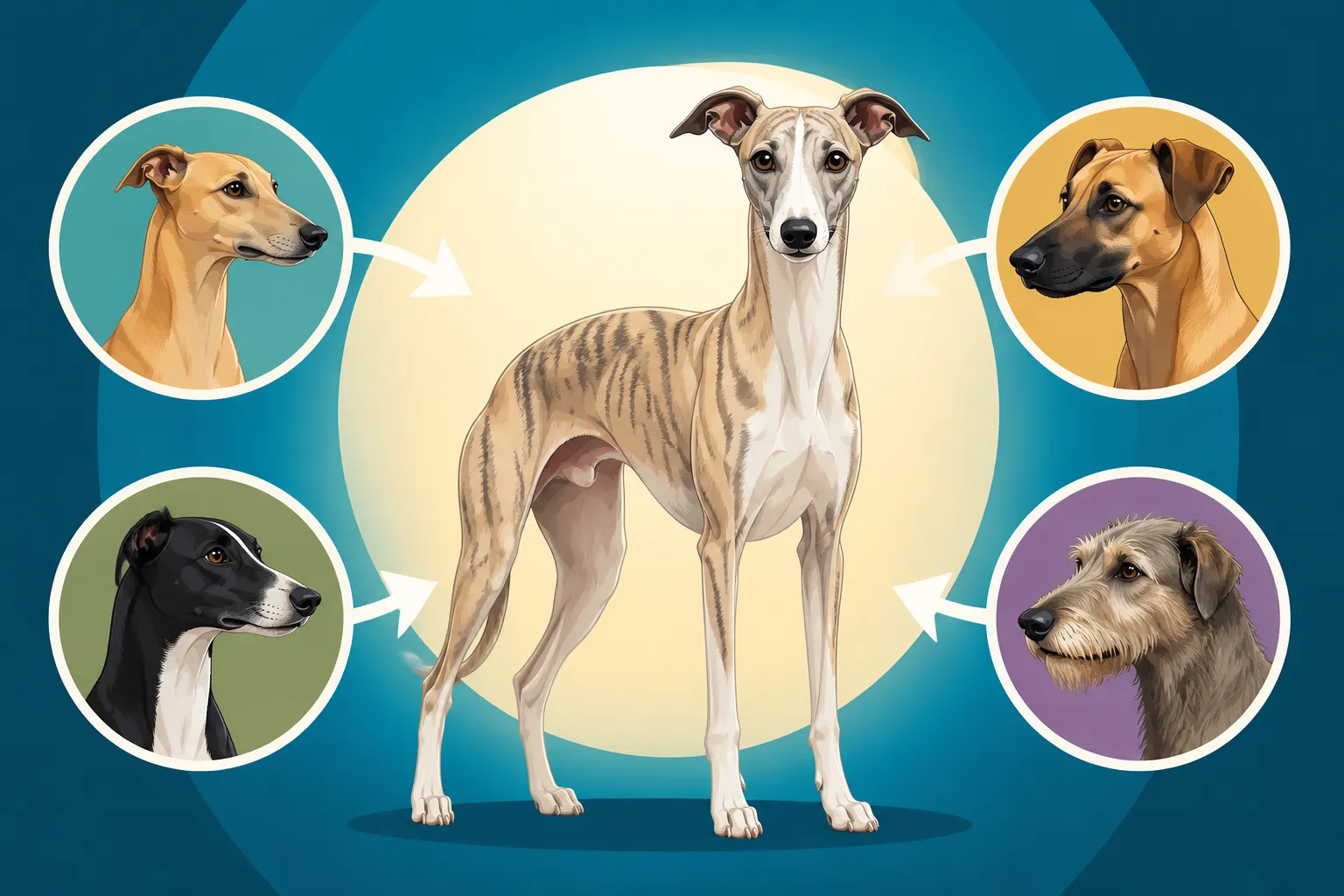
Which Breeds Went Into the Whippet
It’s easy to look at a sleek, elegant Whippet and assume you know where it came from – surely just a mini Greyhound, right? But the truth is, the story of the Whippet's ancestry is far more complex and fascinating than a simple reduction in size. Many Whippet owners, like myself, often wonder about the specific genetic cocktail that created these wonderful dogs, especially when they display traits that seem to come from diverse canine backgrounds. This guide will delve into the historical tapestry of breeds that likely contributed to the Whippet we know and love today, helping you understand the unique characteristics of your own canine companion.
The Greyhound Connection: Obvious, Yet Different
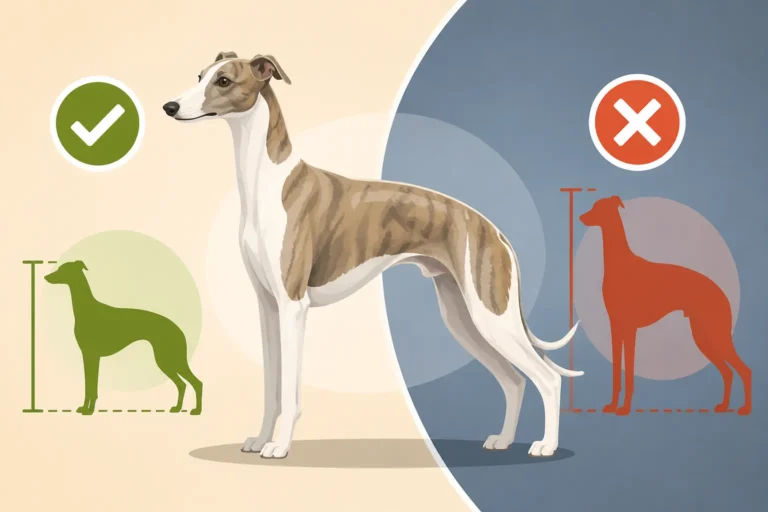
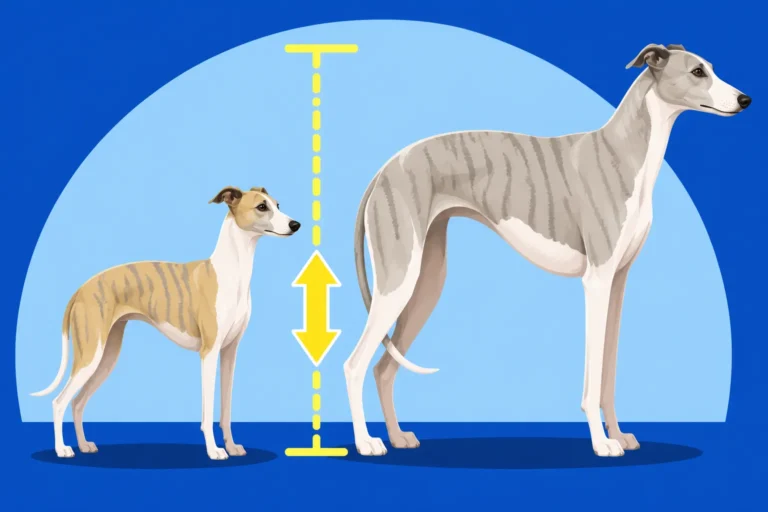
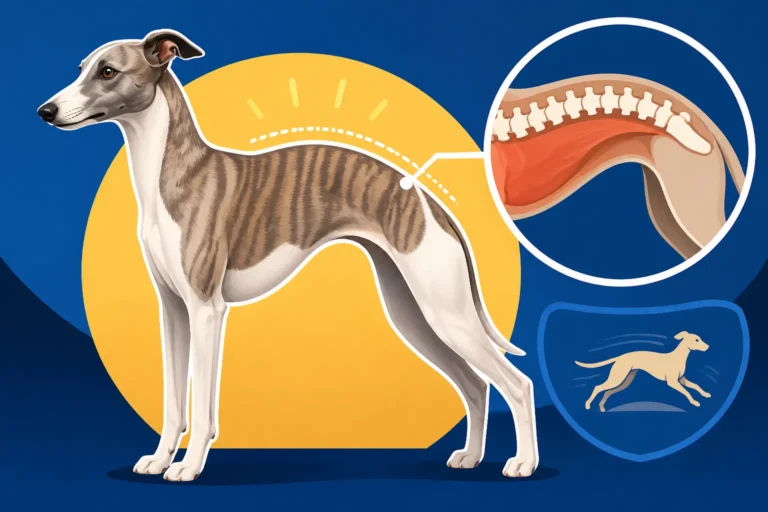
When you see a Whippet stretch out for a sprint, there’s an undeniable visual link to the Greyhound. Their streamlined bodies, deep chests, arched backs, and powerful hindquarters scream sighthound. This isn't just a coincidence; Greyhounds were indeed a foundational component in the Whippet's development, but it wasn't a straightforward miniaturization project. The miners of northern England, who were instrumental in creating the breed, wanted a dog that could chase rabbits for the pot and race for entertainment, but a full-sized Greyhound was simply too large and expensive to keep in their humble homes.
The "Poor Man's Racehorse" and Size Constraints
Imagine living in a small cottage, working long hours in the coal mines, and needing a practical, efficient dog. A full-sized Greyhound, while excellent for hunting and racing, required a significant amount of food and space that most miners simply couldn't afford or provide. They needed a dog that was faster than a terrier over a short distance, agile enough to navigate rough terrain, and small enough to be easily housed and fed without breaking the bank. This practical necessity led to a very deliberate breeding program, focusing on smaller individuals with the characteristic sighthound build. The goal was to create a "poor man's racehorse," a dog that could deliver all the excitement and utility of its larger cousin on a more manageable scale. This lineage is why we still see so much of the Greyhound's athleticism and grace in our modern Whippets. If you're curious about their history, you might enjoy reading The Poor Man's Racehorse: Whippets in the Northern Coalfields.
The development wasn't just about picking the smallest Greyhounds. It was about an intentional selection for dogs that retained the Greyhound's key attributes – incredible speed, keen eyesight, and an intense prey drive – but within a more compact package. This meant careful choices in breeding to ensure that the smaller size didn't compromise the athletic ability that made the Greyhound so valuable. Breeders sought to maintain that iconic topline and tuck-up, those long, elegant legs, and the powerful musculature, all while bringing down the overall mass. The result was a dog that could still hit incredible speeds, often surprising people who underestimate them based on their delicate appearance.
Refining Speed, Not Just Scale
While the initial impetus was certainly about size, the development of the Whippet quickly evolved into a quest for a distinct type of speed. Greyhounds are distance runners, built for endurance over longer chases. The Whippet, however, was refined for explosive acceleration and speed over much shorter distances, perfectly suited for the "rag races" where they would dash across a field to their owner waving a rag. This required a different emphasis in selection. They weren't just smaller Greyhounds; they were finely tuned athletes for a different kind of sprint. Their short bursts of energy, followed by long naps, are a testament to this specialized development.
This refinement meant breeders focused on specific traits that enhanced this short-burst speed. Factors like elasticity of muscle, powerful hindquarters for propulsion, and an aerodynamic shape became paramount. It wasn't just about breeding small Greyhounds together; it was about introducing other elements that could contribute to this unique athletic profile. This explains why a Whippet's speed is so captivating, and why they can often out-accelerate even larger sighthounds in the initial dash. Understanding this history also helps us appreciate why a Whippet's Thirty Five Miles an Hour and No Brakes on a Whippet's Recall can be such a challenge – that prey drive and specialized speed are deeply ingrained.
Terrier Influence: The Unsung Heroes
Here's where the Whippet's story takes a turn that often surprises people. While the sighthound elegance is undeniable, the grit, tenacity, and sometimes quirky personality of a Whippet hint at another, less glamorous, but equally crucial part of their heritage: terriers. It’s hard to imagine a dainty Whippet having tough terrier blood, but historical accounts strongly suggest their presence in the breed's foundational mix.
The Drive for a Smaller Game Hunter
The miners needed a dog that could not only chase rabbits in open fields but also root them out of brush and burrows if necessary. This required a different kind of prey drive and a certain robustness that pure sighthounds sometimes lacked. Terriers, with their fearless nature and instinct for going to ground, were ideal candidates to instill these traits. By crossing early Greyhound-type dogs with various terrier breeds, such as the Bedlington Terrier and the Manchester Terrier, breeders aimed to create a more versatile hunting companion. The goal was a dog that was still fast, but also had the determination and hardiness to tackle smaller game effectively. This blend gave the Whippet a unique combination of speed and a feisty spirit.
This drive for a smaller game hunter also influenced the Whippet’s conformation beyond just sighthound traits. While they needed to be lean and fast, they also needed to be durable and agile enough for close-quarters work. This might explain some of the subtle differences in musculature and bone structure compared to a pure Greyhound. The terrier influence helped solidify traits that made them excellent all-around utility dogs for the working class. It was a pragmatic choice, not a purely aesthetic one, driven by the need for a capable and resilient dog in challenging environments.
The Terrier's Contribution to Temperament and Tenacity
Beyond physical attributes, the terrier input likely played a significant role in shaping the Whippet's temperament. While often described as gentle and affectionate "couch potatoes" indoors, Whippets can display surprising levels of independence, cleverness, and sometimes a stubborn streak – traits commonly associated with terriers. They are notoriously intelligent problem-solvers when it comes to getting what they want, whether it's stealing a treat off the counter or finding the warmest spot on the sofa. This isn't the docile nature you might expect from a pure sighthound.
This blend of sighthound grace and terrier tenacity gives the Whippet its unique charm. They are capable of immense bursts of energy and fierce prey drive, but then they can switch off and become the most cuddly, laid-back companions imaginable. This duality, I believe, is a direct legacy of their mixed heritage. It’s why they need stimulating toys, often found on sites like Chewy, to keep their minds engaged, and why positive reinforcement training works so well for their sensitive but smart nature, as discussed in How a Whippet Learns When It Bruises From Pressure.
The Italian Greyhound Link: More Myth Than Fact?
Many people, seeing the elegant, refined profile of the Italian Greyhound, assume it must have played a role in reducing the Greyhound's size to create the Whippet. It seems logical, right? A smaller sighthound to make an even smaller one. However, historical evidence largely suggests that the Italian Greyhound's direct influence on the early Whippet breed is more of a misconception than a documented fact.
Visual Similarities and Misconceptions
It's easy to see why the confusion arises. Italian Greyhounds share many aesthetic qualities with Whippets: delicate bone structure, a sleek coat, and that unmistakable sighthound silhouette. Both breeds also possess an almost ethereal grace. However, while they look similar, their historical development pathways were quite distinct. Italian Greyhounds have a much older, more aristocratic lineage, bred for companionship and beauty in European courts for centuries. They were established as a breed long before the practical, working-class origins of the Whippet began to take shape in the industrial north of England.
The visual likeness is more a testament to convergent evolution within the sighthound family, where similar selective pressures (speed, agility, a lean frame) produce similar body types. It's less about a direct genetic cross-over in the Whippet's formative years. While some individual Italian Greyhounds might have occasionally been introduced into some lines, it wasn't a primary or consistent part of the Whippet's foundational breeding program. The idea of the Italian Greyhound being a direct ancestor is often perpetuated by those unfamiliar with the gritty, pragmatic origins of the Whippet. For a deeper look at the differences, check out The Whippet Against the Greyhound and the Italian Greyhound.
Historical Breeding Realities
The reality of the Whippet's creation was far less about aristocratic refinement and much more about function and practicality. Miners weren't typically accessing European court dogs to create their rabbit-catching, race-winning companions. Their focus was on local, available stock that could meet specific needs: speed, prey drive, and a manageable size. These dogs were selected for performance, not pedigree or aesthetic ideals derived from ancient breeds. The tools at hand were local terriers and smaller Greyhounds.
Therefore, while the Italian Greyhound shares a distant sighthound ancestry with the Whippet, it wasn't a direct genetic building block. The Whippet's unique blend came from a very different set of circumstances and breeding goals. It speaks to the ingenuity of those early breeders, who, with limited resources, created a dog that perfectly fit their lifestyle and needs. This distinction is important for understanding the Whippet’s inherent hardiness and working-class roots, which contrast sharply with the delicate, pampered history of the Italian Greyhound.
The Bedlington Terrier's Potential Role
When considering the terrier influence in the Whippet's lineage, the Bedlington Terrier is often cited as a likely candidate. While perhaps not as immediately obvious as the Greyhound, the Bedlington's unique characteristics and historical context in England make it a strong contender for having contributed to the Whippet's genetic makeup.
Distinctive Features and Whippet Characteristics
The Bedlington Terrier, with its distinctive lamb-like appearance, might seem an odd choice to cross with a sighthound. However, beneath that fluffy coat is a formidable, fast, and tenacious hunter. Historically, Bedlingtons were used in the same northern English mining communities as poachers' dogs, prized for their speed, agility, and ability to dispatch vermin. They possessed the right combination of hunting instinct and a manageable size. It's not a stretch to imagine miners seeking to combine the sheer speed of a smaller sighthound with the Bedlington's keen hunting instincts and robust constitution.
Some Whippets today display subtle traits that could hint at this heritage. Beyond the obvious speed, some Whippets have a particular intensity in their gaze or a very distinctive way of moving that, while sighthound, also carries a hint of terrier agility. The Bedlington's unique double suspension gallop, for example, shares similarities with other sighthounds, making it a natural fit for crossing to enhance speed and flexibility without sacrificing hunting prowess. The selection for specific traits over purebred status was key in these early days.
Tracing the Lines of Influence
Tracing the precise lines of influence for any breed developed organically over centuries is challenging, but the historical overlap between the working roles and geographical locations of Bedlington Terriers and early Whippet types makes a strong case. These were not dogs bred in pristine kennels with meticulous records; they were working dogs developed by ordinary people for very practical purposes. The emphasis was on function over form, and the crossing of local, effective hunting dogs was common practice.
The Bedlington's compact size, speed, and courage would have been invaluable in developing a smaller, more versatile sighthound-type dog. It speaks volumes that even today, when breeders discuss the "grit" or "fire" sometimes seen in Whippets, the terrier heritage is often invoked. This genetic contribution helped ensure the Whippet wasn't just fast, but also resilient and capable of working independently, traits that were essential for its survival and utility in those formative years. If you're fascinated by these historical links, you'll find The Bedlington Terrier in the Whippet an insightful read.
The Manchester Terrier's Contribution to Early Whippets
Another terrier breed that frequently appears in discussions about the Whippet's ancestry is the Manchester Terrier. Like the Bedlington, the Manchester Terrier would have offered a valuable set of skills and characteristics that complemented the sighthound traits, contributing to the Whippet's overall versatility and enduring appeal.
Hunting Prowess and Form
The Manchester Terrier, particularly its smaller "toy" variety (which was actually the original type before a larger standard evolved), was known for its exceptional ratting abilities and general keenness as a hunter. These terriers were quick, agile, and possessed an intense prey drive, making them formidable against small vermin. When considering the desire for a dog that could hunt rabbits, the Manchester Terrier's attributes would have been highly desirable. Their sleek, short coats and athletic builds, while different from a sighthound, weren't entirely dissimilar, making for a somewhat harmonious blend.
The blend would have aimed to create a dog with the speed to chase down fast-moving prey in the open, combined with the determination and sharp senses of a terrier for flushing out game in denser cover. This tactical advantage would have been invaluable to the working-class families relying on their dogs for food. The Manchester Terrier's sleek coat also aligns with the Whippet's low-maintenance grooming, which would have been another practical consideration for busy miners.
The Whippet's Adaptability in its Early Days
The early days of Whippet development were all about adaptability and function. These dogs weren't specialists in one narrow field; they were generalists, capable of fulfilling multiple roles within a working household. They needed to be calm and quiet indoors, fitting into cramped living spaces, yet transform into formidable hunters and swift racers when called upon. The inclusion of the Manchester Terrier, alongside other breeds, contributed to this remarkable versatility. Their intelligence and eagerness to please, tempered with a typical terrier's independent streak, made them trainable for a variety of tasks.
This diverse genetic background is what gave the Whippet its enduring appeal. They weren't just fast; they were smart, hardy, and capable of adapting to different environments and challenges. The ability to transition from a fierce hunter to a beloved family pet, often snuggled up under a blanket from Chewy, is a testament to the careful and practical blending of these different breed lines. The resilience inherited from these terrier ancestors also contributed to the Whippet's overall health and vigor in its formative years. For more on the terrier angle, consider reading The Manchester Terrier in the Whippet.
Why This Breed Blend Matters Today
Understanding the historical genetic cocktail that created the Whippet isn't just a fascinating dive into canine history; it's incredibly relevant for us as Whippet owners today. These foundational breeds directly impact everything from our Whippets' health and physical characteristics to their unique temperaments and quirks. It helps us appreciate why they are the way they are, and how best to care for them.
Understanding Health and Traits
Knowing the breeds in your Whippet's background can shed light on certain health predispositions or physical traits. For instance, the strong sighthound component means Whippets share the sensitivity to certain anesthetics that Greyhounds do, making it crucial for vets to understand Why a Whippet Needs a Sighthound Anesthesia Protocol. Their lean body mass and thin skin, a direct inheritance from their sighthound ancestors, also explain why they are prone to The Thin Skin That Sends a Whippet to the Vet for Stitches and why keeping them warm is paramount, as discussed in A Whippet Has No Insulation and No Padding.
The potential terrier input also explains their impressive dental fortitude compared to some toy breeds, yet still their tendency towards tartar buildup. Understanding that they aren't just scaled-down Greyhounds means we don't treat them exactly the same way. Their unique physiology, a result of this specific blend, requires tailored care and consideration. It’s why a generic "dog food" might not always be the best fit, and why researching performance-oriented diets available on platforms like Chewy is often a good idea for active Whippets.
Appreciating the Whippet's Unique Nature
Perhaps most importantly, understanding their multi-faceted ancestry helps us truly appreciate the Whippet's unique personality. That blend of calm, affectionate "couch potato" and explosive, prey-driven athlete makes them endlessly endearing and sometimes utterly baffling. Their gentle nature comes from generations of living closely with humans, often sleeping in the same beds as their mining families. But that independent, sometimes mischievous streak? That’s likely the terrier tenacity shining through.
This combination is why Whippets are so adaptable – they can thrive in various environments, from apartments to houses with yards, as long as their specific needs for exercise, warmth, and companionship are met. They are not just pretty faces; they are intelligent, sensitive, and spirited dogs. Embracing this rich, diverse heritage allows us to better understand and cherish our Whippets for all their wonderful complexities, ensuring we provide them with the best possible lives that honor their origins. It’s truly an amazing journey to share life with a breed so steeped in history and purpose.
The Enduring Legacy: How Whippets Evolved
The journey of the Whippet from the coalfields of England to beloved family pets across the globe is a testament to the foresight and practicality of its early breeders. It wasn't about creating a dog for the show ring initially, but rather a functional, economical, and highly effective companion. The conscious decisions to blend specific types of dogs resulted in a breed that retained the best attributes of its ancestors while forging a distinct identity.
From Working Dog to Companion Animal
In their genesis, Whippets were working dogs first and foremost. They hunted for food, provided entertainment through racing, and offered warmth and companionship in harsh conditions. This working-class foundation shaped their resilience and adaptability. They learned to be quiet and unassuming indoors, conserving energy, but instantly ready for action when called upon. This dual nature is something we still see in our Whippets today – the ability to be perfectly still and then, in a blink, transform into a blur of motion.
As society changed and their original working roles diminished, the Whippet's inherent charm and adaptable nature allowed them to transition seamlessly into the role of cherished companion animals. Their clean habits, affectionate disposition, and moderate exercise needs (despite their speed) made them ideal family dogs. The fact that they barely shed and are generally very healthy, often living The Twelve to Fifteen Years a Whippet Lives, also contributed to their popularity as pets. This evolution wouldn't have been possible without the sturdy genetic foundation laid by their diverse ancestors.
The Role of Selective Breeding in Refinement
Over time, as the breed became more formalized and recognized by kennel clubs, selective breeding began to focus more on refining the Whippet's appearance and standardizing its characteristics. This meant emphasizing the elegant sighthound lines while maintaining the desirable temperament traits. Breeders sought to solidify the distinct Whippet "look" – that perfect arch over the loin, the deep chest, and the refined head. This process, while sometimes criticized for moving away from working origins, ultimately helped preserve the breed by giving it a clear identity and preventing it from being diluted.
Today, Whippets are bred for various purposes – show, racing, and companionship – but the underlying genetic blueprint from their foundational breeds remains. It's a blend that results in a dog of extraordinary grace, speed, and affection, capable of stealing both your heart and your spot on the sofa. Their story is a beautiful example of how diverse elements can come together to create something truly unique and beloved.
| Ancestral Breed (Likely) | Key Contribution to Whippet Trait | Primary Focus of Contribution |
|---|---|---|
| Greyhound | Speed, sighthound body type, elegance | Athletic performance, chase instinct |
| Bedlington Terrier | Tenacity, courage, hunting drive, agility | Versatility in hunting, resilience |
| Manchester Terrier | Prey drive, keenness, alertness, compact build | Ratting, flushing game, robust health |
| Italian Greyhound | Minimal direct influence | Visual similarity, not direct ancestor |
Disclaimer
This article is for general informational purposes only and does not constitute professional advice. Laws, prices and regulations vary by location and change over time. Consult a qualified professional for guidance on your specific situation.