Beds That Suit an Arthritic Whippet
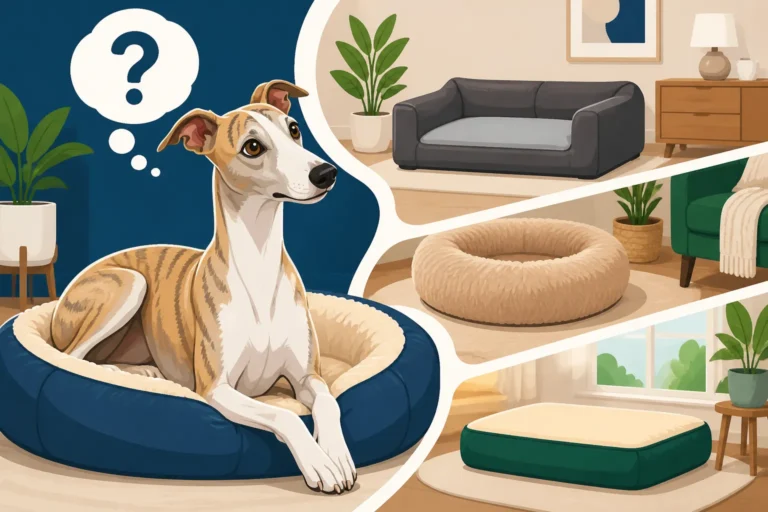
Watching your beloved Whippet start to slow down, struggle to get up, or limp after a romp can be truly heartbreaking. Arthritis is a cruel reality for many aging dogs, and finding them comfort becomes a top priority. This guide is here to walk you through the best bedding options specifically designed to ease the aches and pains of an arthritic Whippet, ensuring they can rest soundly and wake with a little more spring in their step.
Understanding the Unique Needs of an Arthritic Whippet
Whippets, with their lean build and minimal body fat, already feel the cold more keenly than many breeds. When arthritis sets in, this sensitivity to cold can exacerbate joint pain, making a warm, supportive bed not just a luxury, but a necessity. Their delicate skin and bony prominences also mean they are prone to pressure sores if not properly cushioned, a problem only worsened by immobility caused by joint pain.
Why Standard Beds Fall Short for Achy Joints
Many of the cute, fluffy dog beds you see in stores, while visually appealing, offer little to no real support for a dog suffering from arthritis. They might seem soft initially, but they quickly compress under a Whippet's weight, allowing their joints to sink through to the hard floor beneath. This lack of proper cushioning can increase pressure on already inflamed joints, leading to more pain and stiffness upon waking. It’s like us trying to sleep on a saggy old mattress; we wake up feeling worse, not better.
Furthermore, these beds often lack insulation. For a Whippet that already struggles with staying warm, especially an older one, a bed that doesn't retain heat can make their arthritis considerably more uncomfortable. Imagine your Whippet shivering, trying to curl into a tiny ball to keep warm, but every movement is a painful reminder of their stiff hips or elbows. You need something that cradles their body and holds in their warmth.
The Importance of Pressure Relief and Support
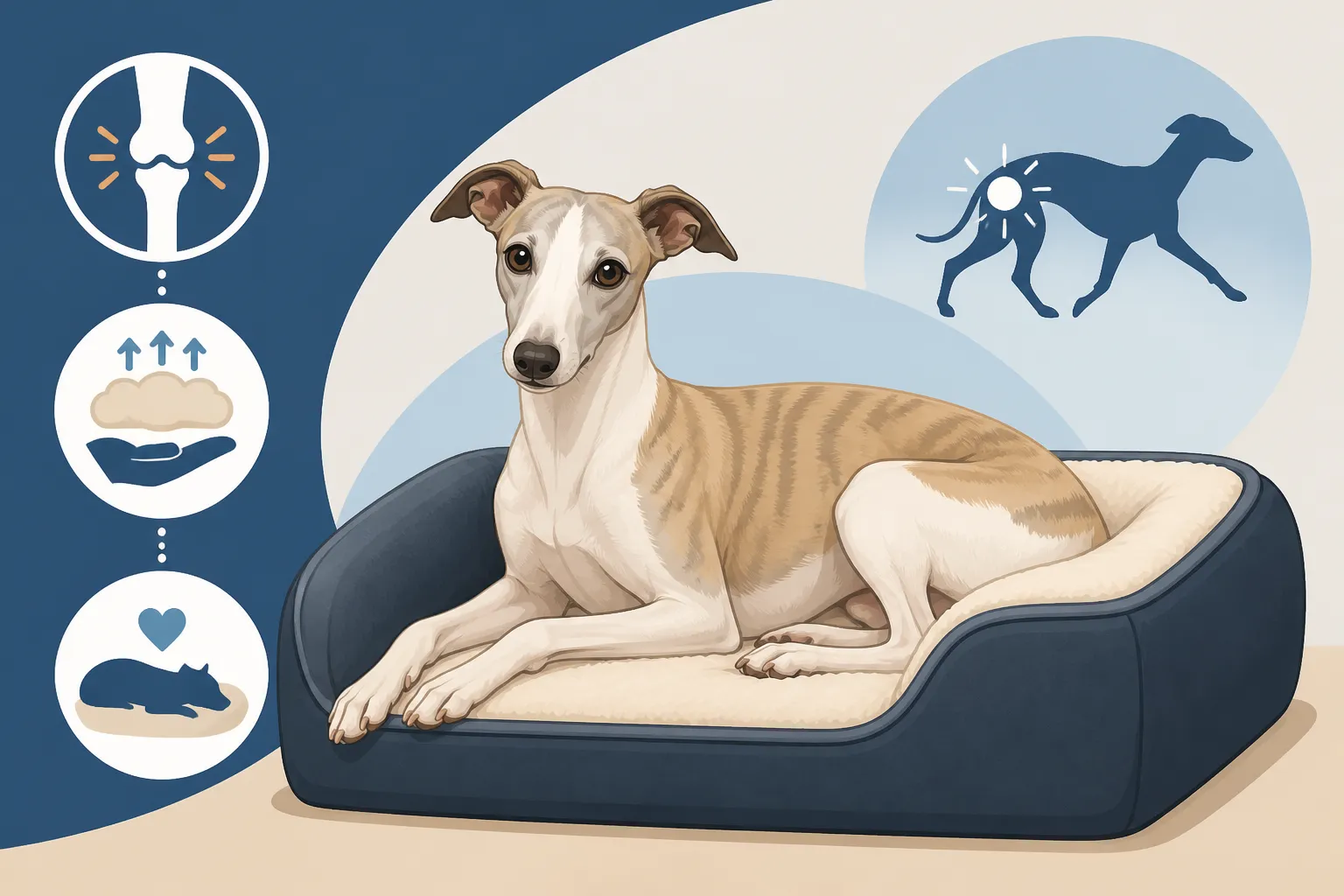
For an arthritic Whippet, pressure relief is paramount. When they lie down, their bony hips, elbows, and shoulders bear the brunt of their weight. A bed that distributes this weight evenly, rather than allowing those points to sink, can significantly reduce discomfort. This is where truly orthopedic beds shine, using materials that conform to their body shape without bottoming out.
Beyond just pressure relief, proper support helps maintain healthy spinal alignment, which is crucial for overall comfort. A good orthopedic bed will cradle their entire body, providing a stable, level surface that doesn't force their spine into awkward positions. This support aids in reducing morning stiffness and makes the act of getting up and lying down less of a struggle. It's about letting their body relax into a natural position, rather than fighting against an unsupportive surface.
Types of Orthopedic Beds for Joint Support
When it comes to providing comfort for an arthritic Whippet, not all beds are created equal. The key is to look for materials and designs specifically engineered to support ailing joints and alleviate pressure points. Choosing the right type can make a world of difference in their daily comfort and overall quality of life.
Memory Foam Beds
Memory foam is often considered the gold standard for orthopedic pet beds, and for good reason. It was originally developed by NASA for airplane seats and has incredible pressure-relieving properties. When your Whippet lies on a memory foam bed, the foam slowly conforms to their body shape, distributing their weight evenly across the surface. This eliminates pressure points, especially on those vulnerable hips, elbows, and shoulders. You'll notice the impression of their body remains for a moment after they get up, a clear sign it was cradling them completely.
The density of memory foam is important. Lower density foams might feel soft but can still bottom out over time, losing their supportive qualities. Look for high-density, human-grade memory foam. Many reputable brands offer multi-layered memory foam designs, combining a firmer base layer for structural support with a softer top layer for plush comfort. These beds often provide excellent insulation, which is a huge plus for a Whippet, especially if you've noticed Caring for an Old Whippet That Feels the Cold. You can find a vast selection of these types of beds on sites like Amazon and Chewy.
Gel-Infused Memory Foam and Cooling Beds
While memory foam is fantastic for support and warmth, some dogs, particularly in warmer climates or those prone to overheating, might find it a bit too warm. This is where gel-infused memory foam comes in. These beds incorporate cooling gel particles or layers into the foam, designed to dissipate heat more effectively. The gel helps to regulate temperature, keeping the bed cooler to the touch while still providing all the pressure-relieving benefits of traditional memory foam.
For Whippets that might get warm, even if they generally run cold, a cooling bed could offer a nice balance. It's not about making them cold, but about preventing uncomfortable heat buildup during long naps. This type of bed is particularly useful in summer months if you don't have air conditioning or if your Whippet just tends to run a little hotter. You still get the superior joint support, but with an added benefit of temperature regulation that can enhance overall comfort.
Bolster Beds with Orthopedic Support
Bolster beds feature raised sides or edges, creating a cozy den-like environment. For an arthritic Whippet, these bolsters offer several benefits. Firstly, they provide a sense of security, which can be comforting for older dogs who might feel more vulnerable. Secondly, the bolsters give your Whippet something to lean against, supporting their head and neck, or even their back, taking some pressure off their joints.
When choosing a bolster bed for an arthritic Whippet, ensure that the base of the bed is still made of high-quality orthopedic foam, like memory foam or supportive polyfill. A bolster bed with a flimsy cushion in the middle defeats the purpose of joint support. The bolsters themselves should also be firm enough to provide actual support, not just decoration. Many Whippets love to curl up against something, and a well-designed bolster bed allows them to do this while still providing crucial orthopedic comfort. This can be especially important for an older Whippet who might be experiencing The Signs a Whippet Is Getting Old and seeking extra comfort.
Features to Look for in a Whippet's Arthritis Bed
Choosing the perfect bed for your arthritic Whippet goes beyond just the type of foam. Several other features can significantly impact their comfort, ease of use, and even the longevity of the bed itself. Thinking about these details can save you headaches down the line and ensure your Whippet gets the absolute best rest possible.
Removable and Washable Covers
Let’s be realistic: dogs get dirty. Accidents happen, especially with older dogs who might have occasional incontinence or just bring in more mud from outside. A bed with a removable, machine-washable cover is an absolute non-negotiable. Trying to spot clean a large dog bed is a losing battle, and you want to be able to keep their sleeping area fresh and hygienic with minimal fuss.
Look for covers made from durable, soft fabrics that won't irritate your Whippet's thin skin. Velvet, microsuede, or even a soft, durable canvas blend can be good choices. Having a spare cover is also a great idea so the bed can still be used while one cover is in the wash. This practical feature makes maintenance so much easier and helps ensure your Whippet's bed is always a clean, inviting place to rest.
Non-Slip Bottom and Easy Entry
An arthritic Whippet might struggle with mobility. A bed that slides around on a smooth floor can be a hazard, making it difficult for them to get on or off without slipping and potentially injuring themselves. Look for beds with a non-slip rubberized or textured bottom that keeps the bed securely in place, even on hardwood or tile floors. This small detail can make a huge difference in their confidence and safety.
Additionally, consider the height of the bed. While a thick, plush bed is great for support, if it's too high, an older Whippet with stiff joints might find it hard to step up onto it. Ideally, the bed should be low to the ground or have a gentle incline, allowing for easy "walk-on" access. If it has bolsters, ensure there's a low entry point or a gap in the bolster for them to step through easily. A good design should consider their diminished ability to jump or lift their legs high. This ease of entry and exit contributes significantly to their willingness to use the bed and reduces the risk of further injury.
Size and Shape Considerations
Whippets are long and lean, and even when curled up, they need a decent amount of space to stretch out. When choosing a bed, ensure it's generously sized. Your arthritic Whippet should be able to fully extend their body without any part hanging off the edge. If they can't stretch out comfortably, they might not get the full benefit of the orthopedic support, and it could put strain on their joints in awkward positions.
Consider their preferred sleeping positions. Do they like to sprawl out like a starfish? A large, rectangular bed would be ideal. Do they love to curl up in a tight donut? A round or oval bolster bed might suit them better, as long as the center provides ample orthopedic cushioning. Remember that even curled, their length means they occupy more space than you might think. Don't forget that A Whippet Has No Insulation and No Padding, so every inch of their body needs to be supported and warm. A good rule of thumb is to measure your Whippet from nose to tail base while they're lying in their most common relaxed position and add several inches for wiggle room.
Placement and Maintenance for Maximum Comfort
Even the best orthopedic bed won't provide full comfort if it's placed incorrectly or not properly cared for. Thoughtful placement and regular maintenance are crucial for ensuring your arthritic Whippet gets the most benefit from their supportive sleeping haven.
Ideal Bed Placement for Joint Relief
Where you put your Whippet’s bed is almost as important as the bed itself. Avoid placing their bed in drafty areas, near frequently opened doors, or directly on cold, uninsulated floors. Cold exacerbates arthritis pain, and for a breed like the Whippet with very little body fat, drafts can quickly chill them to the bone. You might have noticed that Why a Whippet Shivers Indoors is a common occurrence, and an old dog with arthritis will feel it even more.
Instead, find a quiet, warm spot away from high-traffic areas where they won't be constantly disturbed. A cozy corner in a living room, near a warm radiator (but not directly touching it), or even in your bedroom can be ideal. Many older Whippets appreciate being close to their human companions, as it provides a sense of security and companionship. Consider having multiple beds around the house if your Whippet likes to move from room to room, ensuring they always have a comfortable, supportive spot to rest. After all, How Many Hours a Day a Whippet Sleeps is quite significant, and those naps need to be restorative.
Adding Warmth and Extra Comfort
While a good orthopedic bed provides insulation, sometimes an arthritic Whippet needs an extra layer of warmth. A soft fleece blanket draped over the bed, or even a small, low-wattage heated pet pad placed under the bed's cover (always follow manufacturer instructions carefully for safety) can provide soothing warmth to stiff joints. Many Whippets love to burrow under blankets, so having one readily available can significantly increase their comfort. Why a Whippet Burrows Under the Covers isn't just a quirk; it's a deep-seated need for warmth and security.
Even with a fantastic bed, some Whippets might still appreciate additional padding, especially in areas where they develop pressure sores, like their elbows. While a good orthopedic bed helps prevent The Pressure Sores a Whippet Gets From Sleeping on the Floor, some extra padding might still be beneficial for certain individuals. Consider a soft, washable sheepskin mat or an extra layer of fleece directly on top of the bed, particularly in the spots where their bony bits meet the surface. Just make sure any additions don't negate the orthopedic support of the bed itself.
Maintaining the Bed for Longevity and Hygiene
Regular cleaning is vital. Even with a washable cover, the internal foam can accumulate dust, dander, and odors over time. Vacuum the bed regularly – both the cover and the exposed foam (if easily accessible after removing the cover) – to remove loose hair and debris. Wash the cover as frequently as needed, following the care instructions. Consider airing out the foam inserts periodically in fresh air to keep them smelling clean.
Inspect the bed periodically for signs of wear and tear. Over time, even high-quality foam can start to break down and lose its supportive properties. If you notice the bed is sagging significantly in certain areas or your Whippet seems less comfortable, it might be time for a replacement. Investing in a durable, high-quality bed initially can often lead to greater longevity, but nothing lasts forever. Keeping an eye on their comfort levels and the physical condition of the bed ensures your arthritic Whippet always has the best possible support. Many online retailers like Chewy and Amazon offer a range of orthopedic bed options, so you can easily compare reviews and features to find the perfect fit for your beloved companion.
Here’s a quick comparison of common orthopedic bed features:
| Bed Type | Primary Benefit | Support Level | Ideal For | Notable Features |
|---|---|---|---|---|
| Memory Foam | Superior pressure relief | High | Severe arthritis, bony dogs | Conforms to body, high density, good insulation |
| Gel-Infused Foam | Pressure relief + cooling | High | Arthritis, dogs prone to overheating | Temperature regulation, still supportive |
| Bolster Beds | Security & head support | Medium to High | Dogs who like to curl & lean | Raised edges, den-like feel, ensure orthopedic base |
| Orthopedic Pad/Mat | Basic support, portability | Medium | Crate use, travel, secondary bed | Thinner profile, typically multi-layer foam |
Disclaimer
This article is for general informational purposes only and does not constitute professional advice. Laws, prices and regulations vary by location and change over time. Consult a qualified professional for guidance on your specific situation.