Whether a Whippet Needs Its Glands Emptied
Many Whippet owners often worry about whether their lean, athletic companions need routine "gland expressing," a term that can sound a bit intimidating and often brings up images of unpleasant trips to the vet or groomer. The truth is, while anal gland issues are common in many dog breeds, Whippets typically aren't on the top of the list for needing this kind of regular intervention. This guide will walk you through what anal glands are, why they sometimes become a problem, and when you truly need to be concerned about your Whippet's posterior health.
Understanding Canine Anal Glands
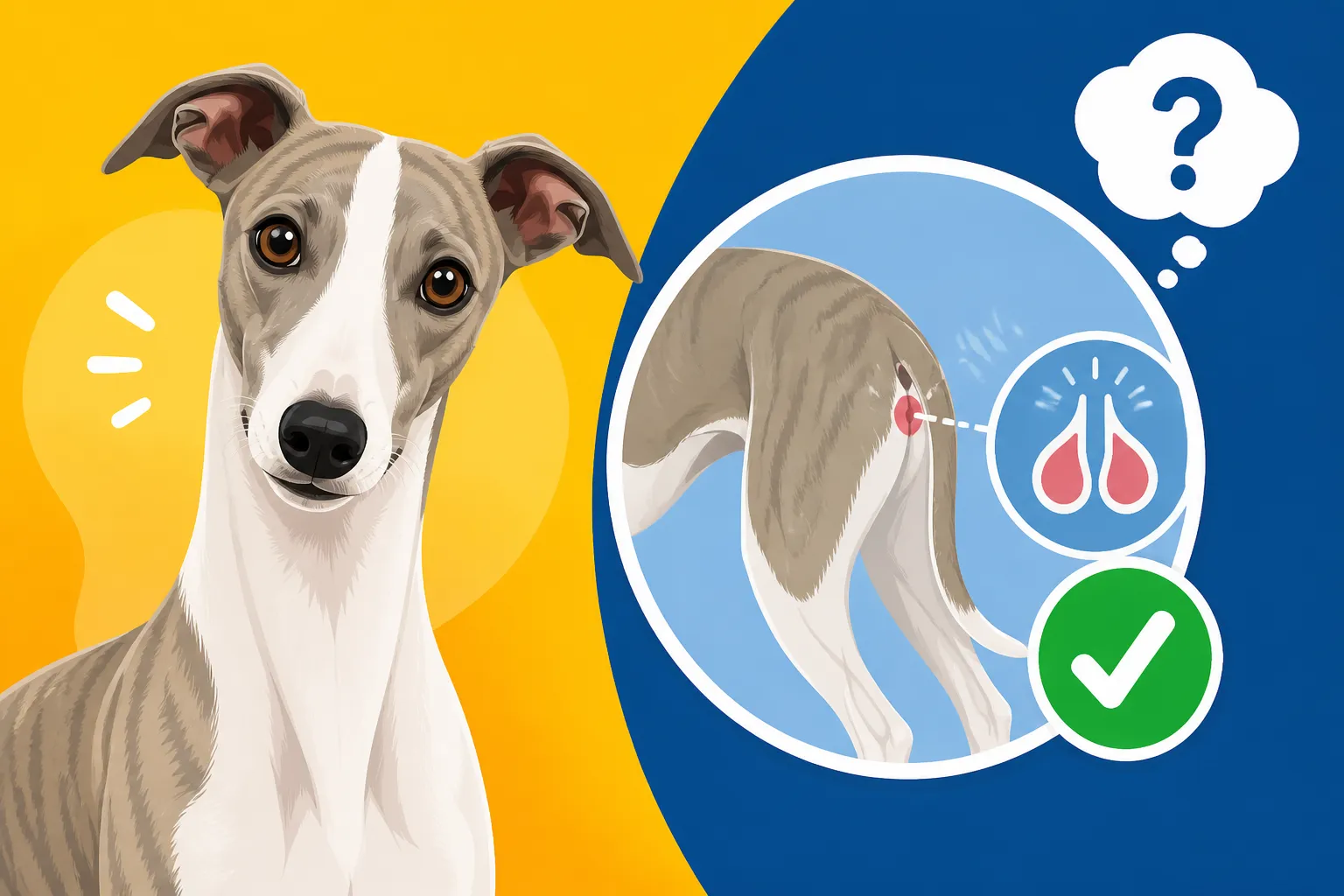
Let's start by demystifying these little scent factories. Every dog has two small anal glands, sometimes called anal sacs, located internally on either side of the anus. Think of them as tiny scent pouches. They're usually about the size of a pea or a small grape, and they contain a pungent, oily, brownish liquid that is unique to each dog.
The Natural Function of Anal Glands
In the wild, these glands played a crucial role in communication. When a dog poops, pressure is naturally applied to these glands, causing a tiny bit of this distinctive liquid to be expressed onto the stool. This is like a canine calling card, telling other dogs who was there, what their sex is, their general health, and even their emotional state. It’s why dogs are so fascinated by sniffing other dogs' rear ends and their eliminations – they're reading the newspaper, so to speak. For most dogs, including healthy Whippets, this process happens completely naturally and without any issues. They just do their business, and the glands take care of themselves, a silent, essential part of their scent communication.
When Things Go Wrong
While this system is usually efficient, it can sometimes go awry. Anal gland problems are one of the most common reasons people take their dogs to the vet. Issues typically arise when the glands don't express naturally. This can happen for a variety of reasons, often linked to stool consistency. If a dog's stool is too soft or too watery, there might not be enough pressure exerted on the glands as it passes. This lack of natural expression can lead to the fluid thickening and accumulating, a condition known as impaction.
An impacted gland is uncomfortable, much like a chronic earache. If left untreated, bacteria can grow in the trapped fluid, leading to an infection. An infected anal gland becomes swollen, painful, and often hot to the touch. In severe cases, an abscess can form, which is a pocket of pus. This is extremely painful for the dog and, if it ruptures, it can create an open wound that requires veterinary attention, including antibiotics and pain relief. It's a miserable experience for any dog, and can quickly become an emergency situation, leading to something like Emergency Stitches: the Whippet Bill Nobody Budgets For if a rupture occurs.
The Whippet Difference: Are They Prone to Gland Issues?
Now, let's talk specifically about our beloved Whippets. Compared to many other breeds, Whippets generally aren't known for being overly prone to anal gland problems. Breeds with stockier builds, particularly those that might be prone to obesity or have a history of softer stools, often face these issues more frequently. Whippets, with their lean physique and typically healthy digestive systems, often sail through life without ever needing manual gland expression.
Whippet Anatomy and Gland Expression
One reason Whippets tend to have fewer problems might be their inherent build. They are incredibly lean, with very little excess fat. This means there's less tissue to interfere with the natural pressure needed to express the glands when they defecate. Imagine trying to squeeze a tube of toothpaste when it's wrapped in layers of soft cloth versus when it's relatively exposed. For many dogs, especially those carrying a bit of extra weight, that "soft cloth" of adipose tissue can reduce the effectiveness of natural expression.
A healthy Whippet's muscles are also well-toned, aiding in the proper function of their entire posterior region. This efficient muscular system, combined with their naturally firm stool, generally ensures that the glands do their job without a hitch. While it's true a Whippet has Why a Whippet Has No Insulation and No Padding, this lean build actually helps in this specific anatomical function.
Diet and Stool Consistency in Whippets
Diet plays a huge, perhaps the biggest, role in anal gland health for any dog, including Whippets. The goal is consistently firm, well-formed stools. These are the perfect consistency to exert the necessary pressure on the anal glands as they pass, allowing for natural expression. If your Whippet frequently has soft stools, diarrhea, or even very tiny, hard pellets, this natural mechanism can be disrupted.
Think about what your Whippet eats every day. Is it a high-quality, balanced diet? Sometimes, a food intolerance or an overly rich diet can lead to chronic loose stools. If you're struggling to find the right food for your Whippet, especially one that Feeding a Whippet That Sprints and Then Sleeps, it's worth experimenting with different protein sources or formulations. Many owners find success with commercially prepared diets that offer consistent nutrition. For those exploring options, online pet retailers like Chewy offer a vast array of choices, from traditional kibble to limited ingredient diets, which can be beneficial if your Whippet Whether a Whippet Has a Sensitive Stomach. Similarly, some Whippet owners find that a fresh food diet, with companies like Ollie providing pre-portioned, human-grade meals, can work wonders for stool consistency, often firming things up just enough for those glands to express naturally. Conversely, too many treats or table scraps can also throw off their digestive balance, so always be mindful of Foods That Are Dangerous to a Whippet.
Signs Your Whippet Might Need Gland Attention
Even though Whippets are generally less prone to anal gland issues, it doesn't mean they're immune. It's crucial for every Whippet owner to be aware of the signs that something might be amiss. Catching problems early can prevent a lot of pain and more serious complications for your dog.
Classic Signs of Discomfort
The most common and tell-tale sign of anal gland irritation or impaction is "scooting." This is when your Whippet drags its rear end across the carpet, floor, or grass. They're trying to relieve the pressure and discomfort themselves. It might look funny, but it's a clear signal that something isn't right back there.
Other signs to watch for include:
- Excessive Licking or Chewing: If your Whippet is constantly turning around to lick or chew at its rear, it's a good indication of irritation.
- Difficulty Defecating: They might strain or appear painful when trying to poop, even if the stool itself is normal.
- Unpleasant Odor: When the glands become impacted or infected, they often release a strong, fishy, or foul odor. This is distinct from your Whippet's usual clean smell, as Why a Whippet Barely Smells.
- Swelling or Redness: Visually inspect the area around the anus. You might notice swelling, redness, or even a small lump on one or both sides.
- Pain or Tenderness: Your Whippet might yelp or flinch if you touch the area, or even become reluctant to sit down.
- Blood or Pus: In severe cases, especially if an abscess has formed or ruptured, you might see blood or pus around the anus. This is a clear emergency.
If you notice any of these signs, don't ignore them. Your Whippet is trying to tell you they're uncomfortable.
When to Consult Your Vet
If you suspect your Whippet is having anal gland issues, the best course of action is always to consult your veterinarian. While it might be tempting to try to express the glands yourself (there are many online videos showing how), it's generally not recommended for several reasons:
- Risk of Injury: You could accidentally bruise or rupture the gland, causing more pain and damage.
- Incomplete Expression: You might not get all the fluid out, leaving some behind to fester.
- Misdiagnosis: What looks like an anal gland problem could be something else entirely, like an allergic reaction, worms, or even a tumor. A vet can accurately diagnose the issue.
Your vet will gently examine the area, determine if the glands are impacted or infected, and express them if necessary. They can also provide medication if there's an infection or inflammation. Remember, the cost of a vet visit for this issue is far less than dealing with a ruptured abscess. While considering costs, understanding What a Sighthound Vet Costs Over a Whippet's Life can help you budget for general care.
The Truth About Routine Gland Expression for Whippets
This is where a lot of confusion lies. Many dog owners, sometimes even encouraged by groomers or well-meaning friends, think that anal glands need to be expressed regularly as part of routine grooming, like nail trims or baths. For the vast majority of Whippets, this simply isn't true, and in fact, it can be detrimental.
Why Routine Expression Can Be Harmful
Think about it: if the glands are expressing naturally with each bowel movement, why would you need to interfere? Regularly expressing healthy glands can actually disrupt their natural function. It's a bit like constantly squeezing a tube that's meant to dispense on its own; eventually, the mechanism can become less efficient or even damaged.
Potential downsides of unnecessary routine expression include:
- Inflammation and Irritation: The manual squeezing can cause trauma, leading to inflammation and swelling in the delicate tissues around the glands.
- Scar Tissue Formation: Repeated trauma can lead to the formation of scar tissue, making it harder for the glands to express naturally in the future. This creates a vicious cycle where your dog becomes dependent on manual expression.
- Pain and Discomfort: For a dog whose glands are working fine, manual expression is an unpleasant and often painful experience. It can create a negative association with trips to the vet or groomer.
- Risk of Infection: Any time you manipulate a sensitive area, there's a small risk of introducing bacteria, potentially leading to an infection where there wasn't one before.
The consensus among most veterinarians is that anal glands should only be expressed if there's a clinical need – meaning your Whippet is showing signs of discomfort or impaction. If your Whippet isn't scooting, licking, or smelling, then their glands are likely doing just fine on their own.
Supporting Natural Gland Health
Instead of routine manual expression, focus on supporting your Whippet's natural anal gland health. This primarily comes down to a few key areas:
- Optimal Diet: As mentioned earlier, this is paramount. Feed a high-quality, consistent diet that produces firm, healthy stools. If your Whippet's stool is routinely soft, consider adding more fiber. This could be in the form of cooked pumpkin, green beans, or a veterinary-approved fiber supplement. You can often find a variety of suitable fiber supplements or even a basic first-aid kit that might include supplies for minor irritations around the anal area, with a quick search on Amazon. Discuss any significant dietary changes with your vet to ensure they're appropriate for your specific dog and their overall health, including What a Whippet Needs Every Day.
- Hydration: Ensure your Whippet always has access to fresh, clean water. Good hydration contributes to healthy digestion and stool consistency.
- Regular Exercise: A well-exercised Whippet generally has better overall digestive health. Regular activity helps keep their metabolism and bowel movements regular.
- Weight Management: While Whippets are typically lean, ensuring they maintain a healthy weight is important. Obesity can sometimes contribute to softer stools or reduce the natural pressure on the glands. Make sure to monitor How Much a Whippet Should Eat to keep them at their ideal body condition.
Here's a quick summary of what to look for:
| Indicator | Healthy Glands | Problematic Glands |
|---|---|---|
| Stool Consistency | Firm, well-formed, passes easily | Soft, runny, very hard, or inconsistent |
| Behavior | No scooting, licking, or chewing at rear | Scooting, excessive licking/chewing, straining |
| Odor | No strong, fishy, or foul smell | Pungent, foul, or fishy odor present |
| Appearance | Area around anus looks normal, no swelling or redness | Swelling, redness, lump(s) visible near anus |
| Pain | No signs of discomfort or tenderness | Flashes of pain, sensitive to touch, reluctant to sit |
By focusing on these proactive measures, you can help your Whippet's anal glands function as nature intended, keeping them comfortable and happy without unnecessary interventions.
Disclaimer
This article is for general informational purposes only and does not constitute professional advice. Laws, prices and regulations vary by location and change over time. Consult a qualified professional for guidance on your specific situation.