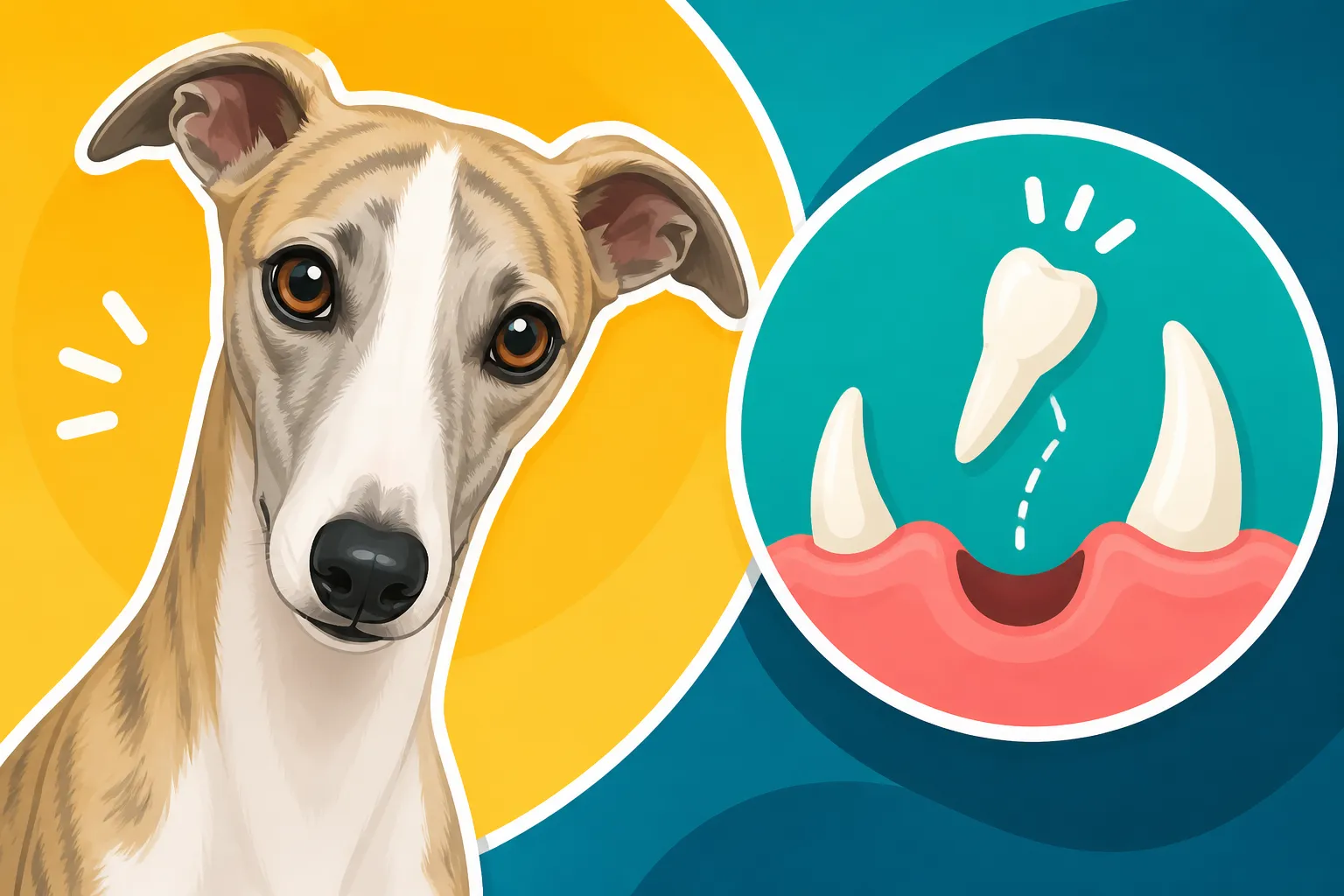
The Age a Whippet Starts Losing Teeth
It’s a heartbreaking moment for any Whippet owner: you’re giving your beloved dog a cuddle, maybe a quick scratch behind the ears, and then you catch a glimpse inside their mouth. Suddenly, that sweet Whippet breath isn’t so sweet, and you notice something isn’t quite right with their teeth. Perhaps there’s a noticeable yellow-brown buildup, or worse, a wobbly tooth. This guide is here to walk you through what's normal, what's not, and how to safeguard your Whippet’s pearly whites for as long as possible.
Understanding Normal Tooth Development in Whippets
Before we delve into when teeth might start to go missing, it’s important to understand the natural dental journey of a Whippet. Just like us, dogs have two sets of teeth in their lifetime, and the transition between them is quite standard.
Puppy Teeth vs. Adult Teeth
When your Whippet was a tiny puppy, they came equipped with a set of 28 razor-sharp deciduous, or "milk," teeth. These tiny needles are fantastic for nipping at littermates and generally making a mess of your fingers during play. They typically start erupting around 3-4 weeks of age. However, these aren't meant to last. Nature designed them to fall out, making way for the stronger, more permanent adult teeth.
Most Whippet puppies begin losing their baby teeth around 12-16 weeks (3-4 months) of age. You might find tiny teeth around the house, or more often, your puppy will simply swallow them as they come loose, which is perfectly normal and nothing to worry about. By the time your Whippet is about 6-7 months old, they should have a full set of 42 adult teeth. This transition period can sometimes involve a bit of extra chewing or mild discomfort, but it’s generally a smooth process. It's during this time that their jaws are still developing and they are growing into their full adult size. You might notice they are still filling out and gaining weight around this age, on their way to becoming fully grown. The Age a Whippet Reaches Full Weight
The General Timeline for Adult Tooth Retention
Ideally, once your Whippet has their full set of adult teeth, those teeth should last them for their entire life. In a perfect world with impeccable dental hygiene, a Whippet could live to The Twelve to Fifteen Years a Whippet Lives with all their original adult teeth firmly in place. This isn't just about aesthetics; healthy teeth are crucial for chewing food properly, preventing pain, and avoiding systemic health issues.
Unfortunately, this ideal scenario isn't always the reality for many dogs, including Whippets. Just like with humans, factors such as genetics, diet, and most significantly, consistent dental care, play a huge role in how long those adult teeth remain healthy and secure in their sockets. The goal for every Whippet owner should be to maintain those adult teeth, not just for comfort and chewing, but as a key part of their overall health and longevity. Daily care, including a good diet and regular exercise, contributes to their overall well-being. What a Whippet Needs Every Day
When Whippets Start Losing Adult Teeth: The Reality of Dental Disease
The tough truth is, if a Whippet starts losing adult teeth, it's almost invariably due to periodontal (dental) disease, not just "getting old" in a healthy way. This isn't a natural part of aging in the same way puppies lose their baby teeth; it’s a sign of a deeper, often preventable, health issue.
Early Signs and Symptoms of Dental Trouble
Dental disease doesn't just appear overnight; it's a gradual process that begins subtly and worsens over time. The earliest signs are often easy to miss if you're not routinely checking your Whippet's mouth. The very first clue might be a slightly noticeable odor on their breath. Many owners dismiss this as "dog breath," but in reality, a healthy dog's breath shouldn't be offensive. If your Whippet's breath is truly bad, it’s a strong indicator that bacteria are thriving in their mouth, leading to plaque and tartar buildup. Whether a Whippet's Bad Breath Means Dental Disease
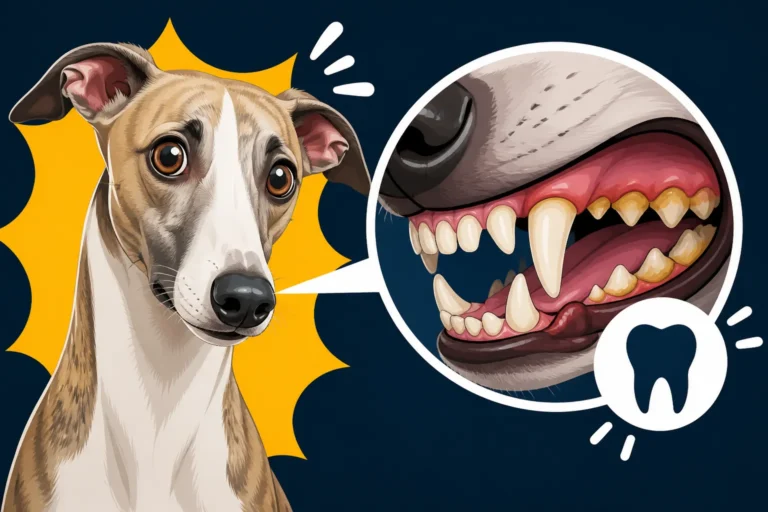
As dental disease progresses, you'll start to see visual changes. Look for yellow or brown discoloration on the teeth, particularly on the molars and canines. This is tartar. The gums might appear red, swollen, or even bleed slightly when touched or when your Whippet chews on something hard. This is gingivitis, the early stage of gum inflammation. Sometimes, you might notice your Whippet showing a reluctance to chew on one side of their mouth, dropping food, or even shying away from having their mouth touched. These are all alarm bells that it's time to act, long before actual tooth loss occurs.
The Role of Tartar and Plaque Buildup
It all begins with plaque, a sticky film of bacteria, food particles, and saliva that constantly forms on your Whippet's teeth. If this plaque isn't removed regularly through brushing or chewing, it combines with minerals in the saliva and hardens into tartar (calculus). Tartar is tenacious and can't be brushed off with a toothbrush; it requires professional dental scaling. Why a Whippet Builds Tartar Fast
Once tartar forms, it creates a rough surface that attracts even more plaque and bacteria. Critically, tartar also extends under the gum line, where it can wreak havoc. The bacteria under the gums cause inflammation and infection, leading to gingivitis. If left untreated, this progresses to periodontitis, where the infection starts to destroy the supporting structures of the tooth – the gum tissue, ligaments, and bone. As these structures weaken and recede, the tooth loses its anchor. Eventually, the tooth becomes loose, painful, and may either fall out on its own or require extraction by a veterinarian. This entire process can be quite painful for your Whippet, even if they're stoic and don't show obvious signs of distress.
Common Ages for Noticeable Adult Tooth Loss
Given that dental disease is the primary culprit, there isn't a specific "age" when Whippets start losing teeth as a normal occurrence. Instead, it's a reflection of the severity and duration of dental disease. However, it's sadly common to see adult tooth loss become noticeable in Whippets starting from around 5-7 years of age, and certainly becoming more prevalent in their senior years, say 8-10 years and beyond, particularly if regular dental care hasn't been a consistent part of their routine.
Some Whippets might unfortunately show signs of significant dental disease, including mobile or lost teeth, even earlier if their genetics predispose them or if their home care has been minimal. Others, with excellent care, can reach well into their double-digit years with a full, healthy mouth. The point is, if you see an adult tooth starting to become loose or fall out, it’s not just a sign of age; it’s a clear indication that underlying periodontal disease has progressed to an advanced stage, often requiring immediate veterinary attention. This is especially true for older Whippets, who may already be dealing with other age-related issues. Caring for an Old Whippet That Feels the Cold
Factors Accelerating Tooth Loss in Whippets
While dental disease is the direct cause of adult tooth loss, several factors can speed up its progression in Whippets. Understanding these can help owners take proactive steps.
Genetics and Breed Predisposition
While Whippets are generally a healthy breed, specific dental issues can sometimes be linked to their unique anatomy. Like many sighthounds, Whippets tend to have long, narrow jaws. While this gives them their elegant profile, it can also lead to teeth that are more crowded, especially the incisors and premolars. When teeth are crowded, they are harder to clean effectively, creating more nooks and crannies for plaque and tartar to accumulate. Whether a Whippet's Narrow Jaw Crowds Its Teeth This increased surface area for bacterial colonization can accelerate the onset and progression of periodontal disease, even with diligent home care.
Furthermore, individual genetic predisposition can play a role. Some dogs are simply more prone to tartar buildup or gum inflammation than others, regardless of breed. This means that even with the best intentions, some Whippets might require more intensive dental care or more frequent professional cleanings to keep their mouths healthy compared to a dog with naturally cleaner teeth. It’s important to be aware of your individual dog’s tendencies and adjust your dental routine accordingly.
Lack of Consistent Dental Care
This is, without a doubt, the single biggest factor contributing to premature tooth loss in Whippets. Dental care isn't just an occasional treat or a once-a-year vet visit; it needs to be a consistent, daily effort, much like brushing your own teeth. Many owners struggle to establish a regular routine, either due to their dog's resistance, lack of time, or simply not understanding the profound impact dental health has on overall well-being.
Without daily brushing, plaque quickly hardens into tartar, which as we discussed, becomes a breeding ground for bacteria and leads to periodontal disease. If professional cleanings are also neglected, that tartar continues to build, pushing the gums away from the teeth, infecting the underlying bone, and ultimately resulting in tooth loss. It's a domino effect. Even brushing just a few times a week can make a significant difference, but daily is truly best. If you're looking for good dental care products, reputable online retailers like Chewy and Amazon offer a wide selection of dog-specific toothbrushes, toothpastes, and dental wipes to help you get started. How Often a Whippet's Teeth Need Brushing
Diet and Chewing Habits
The type of food your Whippet eats can also play a supporting role in dental health. While dry kibble was once touted as a way to "clean" teeth, most kibble simply shatters upon impact, offering minimal abrasive action. High-quality dry foods are important for overall nutrition, but don't rely on them as your primary dental solution. Softer, wetter diets, while often beneficial for hydration and palatability, offer no abrasive cleaning action at all.
What can help are appropriate dental chews and chew toys. These can provide mechanical action to scrape plaque off teeth, especially the back molars, and stimulate gum health. However, not all dental chews are created equal. Some are too hard and can risk breaking a tooth, while others are too soft and offer no benefit. It’s important to choose veterinary-approved dental chews that are appropriately sized and durable for your Whippet. Even then, they are not a substitute for brushing. Whether Dental Chews Are Enough for a Whippet Also, consider the overall quality of your Whippet's diet; a nutritionally complete diet, perhaps from a brand like Ollie, supports a healthy immune system which can indirectly help combat oral infections.
Preventing Premature Tooth Loss and Maintaining Oral Health
The good news is that much of the dental disease leading to tooth loss is preventable! By taking proactive steps, you can significantly extend the life of your Whippet’s teeth and improve their overall quality of life.
Establishing a Robust At-Home Dental Routine
This is the cornerstone of preventing premature tooth loss. Just like you brush your teeth every day, your Whippet benefits immensely from a regular oral hygiene routine. The gold standard is daily tooth brushing. You’ll need a dog-specific toothbrush (or a finger brush) and dog-specific toothpaste – never use human toothpaste, as it can contain xylitol, which is toxic to dogs.
Start slowly and make it a positive experience. Let your Whippet lick the toothpaste off the brush, then gently lift their lip and try to brush just one or two teeth for a few seconds. Gradually increase the duration and number of teeth you brush over days or weeks. Focus on the outside surfaces of the teeth, especially the back molars, where tartar tends to accumulate most. If brushing isn't feasible daily, aim for at least 3-4 times a week. Even wiping their teeth with a dental wipe can offer some benefit. Many dog owners find a wide variety of suitable products for at-home dental care on sites like Chewy or Amazon, making it easier to find what works for their Whippet. Consistency is far more important than perfection in the beginning.
The Importance of Regular Professional Cleanings
Even with excellent home care, most Whippets will benefit from professional dental cleanings under anesthesia at some point in their lives. Think of it like your own biannual dental check-ups, but for dogs, anesthesia is required for a thorough and safe cleaning. During a professional cleaning, the vet or vet technician will use ultrasonic scalers to remove tartar above and, critically, below the gum line, where most of the damage occurs. They will polish the teeth to smooth the enamel, making it harder for plaque to adhere, and they will perform a full oral exam, including dental X-rays, to check for hidden issues below the gum line like root abscesses, bone loss, or unerupted teeth.
The frequency of these cleanings varies based on your Whippet's individual needs, but for many, a cleaning every 1-3 years is recommended after they reach adulthood. Waiting too long can mean more advanced disease, more extensive (and expensive) procedures, and potentially tooth extractions. For Whippets, it's also vital to ensure your vet is familiar with sighthound anesthesia protocols, as they can be more sensitive to certain drugs and take longer to recover. Whether a Whippet Needs Yearly Dental Cleaning and Whether a Whippet's Dental Needs Sighthound Anesthesia
Nutritional Support for Dental Health
While diet alone can't replace brushing and professional cleanings, a good diet contributes to overall health, which in turn supports a healthy immune system and can help the body's ability to fight off oral infections. Some veterinary diets are specifically formulated to help reduce plaque and tartar buildup through their unique shape and texture, or by containing ingredients that inhibit plaque mineralization. These can be a helpful addition to your dental care arsenal.
However, be wary of marketing claims on regular dog foods that promise "dental health benefits" without proper scientific backing. Always look for products that have a Veterinary Oral Health Council (VOHC) seal of acceptance, which indicates they meet specific standards for plaque and/or tartar control. Consulting with your veterinarian can help you determine if a dental-specific diet or supplement is appropriate for your Whippet as part of a comprehensive oral health plan. While fresh food diets, such as those offered by Ollie, focus on overall health and well-being, their primary benefit isn't necessarily direct dental cleaning.
Dental Health Checklist for Whippet Owners
To summarize the journey to a healthy Whippet smile, here’s a quick overview of what to look for and what to do.
| Feature | Healthy Whippet Mouth | Signs of Dental Disease |
|---|---|---|
| Gums | Pink, firm, no swelling or redness | Red, swollen, bleeding easily, recessed, inflamed |
| Teeth | White to off-white, clean, no visible buildup | Yellow or brown tartar, broken, loose, or missing teeth |
| Breath | Mild, neutral "dog breath," not offensive | Strong, foul, "rotten" odor |
| Behavior | Eats normally, chews toys with ease, no mouth sensitivity | Reluctance to chew, dropping food, pawing at mouth, pain |
| Intervention | Daily brushing, appropriate chews, regular vet checks | Veterinary dental exam, professional cleaning, possible extractions |
Taking preventative measures early and consistently is far easier, less painful for your Whippet, and ultimately less expensive than treating advanced dental disease. Your Whippet deserves a healthy, comfortable mouth for all the years they share with you.
Disclaimer
This article is for general informational purposes only and does not constitute professional advice. Laws, prices and regulations vary by location and change over time. Consult a qualified professional for guidance on your specific situation.