Finding the Quick on a Whippet’s Nail
One of the most common anxieties for any Whippet owner, especially those new to the breed, is the dreaded nail trim. That fear of cutting too short, hitting the quick, and causing pain and bleeding can make even the most confident dog parent hesitate. But regular nail care is vital for your Whippet's comfort and long-term health, and learning to confidently find the quick is a skill every owner can master. This guide will walk you through everything you need to know to make nail trimming a less stressful experience for both you and your elegant companion.
Understanding the Whippet's Unique Nail Structure
Whippets are graceful athletes, and their paws are built for speed and agility. This means their nails have a specific structure that, while not dramatically different from other dogs, presents particular challenges for owners, especially when it comes to identifying that elusive quick.
The Anatomy of a Whippet's Nail
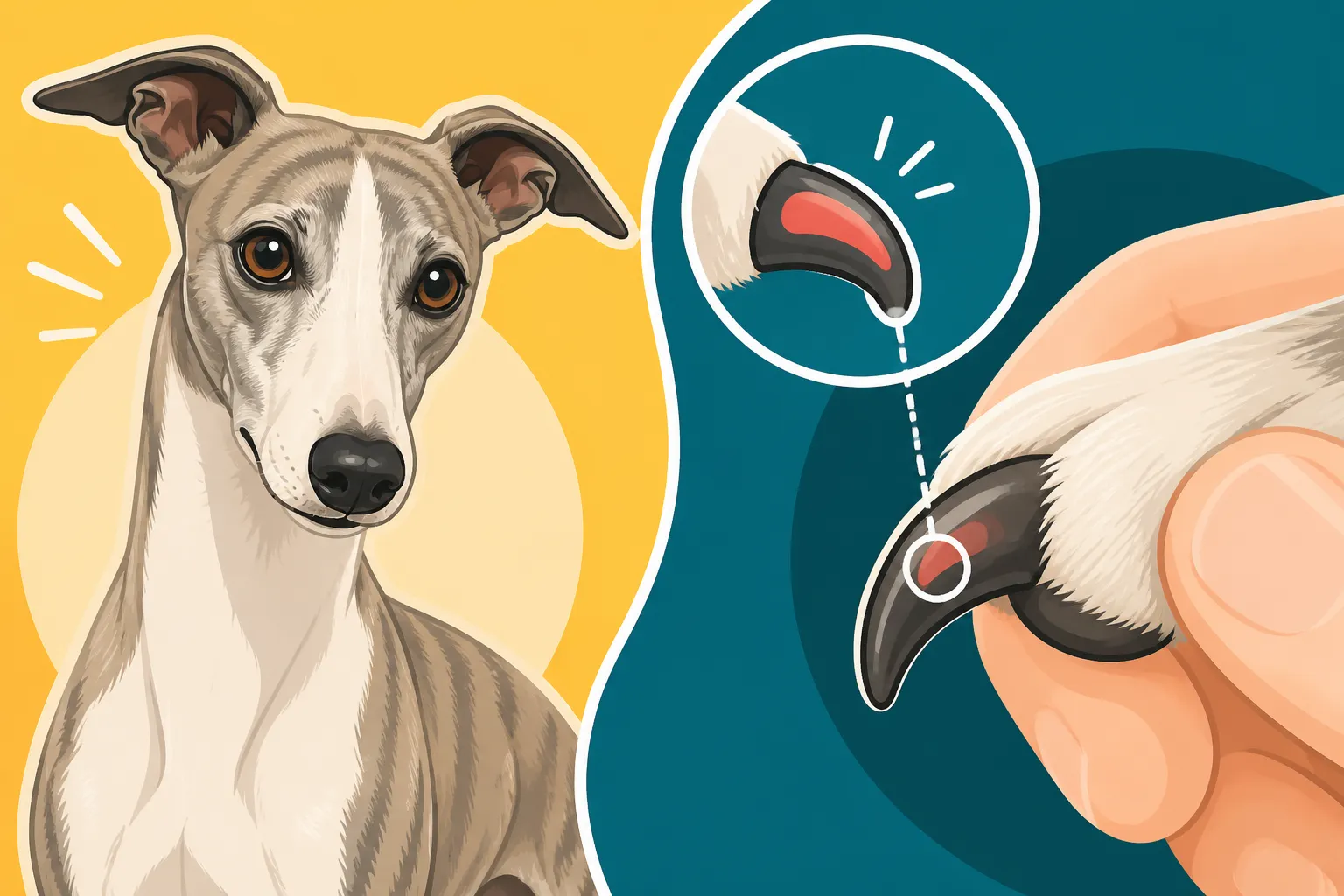
At first glance, a dog's nail might seem like a simple structure, but it's actually quite complex. You have the hard outer shell, which is the nail plate, and beneath that, the nail bed. Within this nail bed lies the "quick"—a soft core containing nerves and blood vessels. Think of it like our own nail bed, but extended further into the nail itself. When you trim your Whippet's nails, your goal is to cut the dead nail material without ever touching the quick.
For Whippets, their nails tend to be rather slender, mirroring their fine bone structure. Many Whippets also have dark-pigmented nails, making it incredibly difficult to visually distinguish where the quick ends and the dead nail begins. This challenge is precisely why so many owners feel a knot in their stomach every time they pick up the clippers. An active Whippet's quick, contrary to popular belief, doesn't always recede naturally as much as you'd hope, even with regular walks.
Why Whippet Nails Are Often Dark
The color of your Whippet's nails is determined by melanin, the same pigment that gives their coat and skin its color. If your Whippet has a dark coat—say, a deep brindle, black, or blue—chances are their nails will be dark too. Dogs with lighter coats, like cream or fawn, often have clear or white nails. The issue isn't that dark nails are structurally different; it's purely a matter of visibility. Melanin makes the quick in dark nails just as dark as the surrounding nail plate, effectively camouflaging the tell-tale pink hue you might look for in a lighter nail.
This lack of visual cue is the primary source of frustration. You're essentially trimming blind, relying on tactile feedback and other subtle signs. It’s a bit like trying to find the end of a tunnel when someone keeps turning the lights off. Don't feel discouraged if you find this part tricky; it's a universal struggle for owners of dark-nailed dogs.
The Consequences of Neglecting Nail Trims
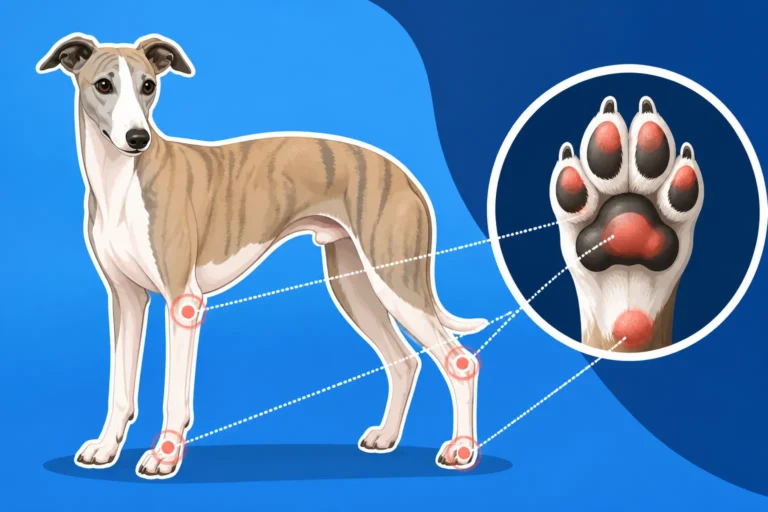
While the fear of hitting the quick is real, the consequences of not trimming your Whippet's nails are far more detrimental to their long-term health and comfort. Overgrown nails can lead to a cascade of problems. First, they push against the ground when your Whippet stands or walks, forcing their toes to splay and their joints into unnatural positions. Over time, this can contribute to arthritis, pain in the paw, and even problems further up the leg and spine.
Imagine trying to walk or run while wearing shoes that are too small and have rocks constantly pressing against your toes—that's what long nails can feel like for your Whippet. They can also snag on carpets or rough terrain, leading to painful tears, avulsions, or even fractures. A long nail is also more likely to cause a nasty skin tear if your Whippet snags it, which can be a costly vet visit for stitches. The Thin Skin That Sends a Whippet to the Vet for Stitches is a real concern for this breed. Furthermore, the quick will grow longer with the nail, making future trims even harder and increasing the risk of injury. Regular, consistent nail care is not just cosmetic; it's a fundamental part of keeping your Whippet sound and happy. What a Whippet Needs Every Day certainly includes proper paw care.
Techniques for Locating the Quick
So, you're committed to keeping those nails in tip-top shape. The next step is mastering the art of locating the quick, especially when it's hidden. Different nails require different approaches, but patience and good lighting are always your best friends.
The Visual Approach: Light-Colored Nails
If your Whippet is blessed with clear or white nails, consider yourself lucky! This is the easiest scenario. In good lighting, you'll be able to see the quick as a distinct pinkish tube or crescent within the translucent nail. It’s usually easiest to see from the underside of the nail.
When trimming, aim to cut just a millimeter or two past the end of the visible pink quick. You want to leave a small margin of white nail to be absolutely safe. If you're ever in doubt, err on the side of caution and take less off. Remember, you can always trim a little more later, but you can't put nail back on once it's cut. A clear view makes this process much less stressful.
The Tactical Approach: Dark-Colored Nails
Ah, the infamous dark nails! This is where most Whippet owners experience anxiety. Since you can't see the pink quick, you have to rely on other indicators. Here are the most effective methods:
- The Flashlight Trick: This can be surprisingly effective for some dark nails, though not all. Hold a small, bright flashlight (the one on your phone often works!) directly underneath or against the nail. For some nails, especially if they're not pitch black, the light will illuminate the quick from behind, showing it as a darker, opaque core against the more translucent dead nail. It might not be a bright pink glow, but a subtle difference in density can guide your cut.
- The "Powder Ring" or "Bullseye" Method: This is the go-to technique for many experienced owners and groomers. Instead of trying to see the quick from the outside, you look for it from the inside as you trim. Take very small, thin slices off the tip of the nail, looking at the cross-section of the trimmed surface after each cut.
- Initially, you'll see a solid white or gray, chalky center.
- As you get closer to the quick, this center will change. It will become more opaque, often appearing as a distinctive chalky white "powder ring" or "bullseye" around a denser, slightly darker core.
- When you see a tiny, dark, usually shiny spot appear in the very center of that powder ring—STOP. You are right at the quick. Any more, and you'll hit it. This is your absolute limit. This method requires patience and taking truly tiny bits off at a time, but it’s the safest way to tackle dark nails confidently.
- The "Nibble" Method: This is essentially a variation of the powder ring method, emphasizing tiny increments. Instead of one decisive snip, take several tiny "nibbles" from the tip, checking after each one. This allows you to slowly work your way back until you see the quick beginning to appear, giving you a wider margin for error.
The key to all these methods is taking your time, using excellent lighting, and being prepared.
Tools to Help You See and Trim
Having the right tools makes a huge difference in the nail trimming experience.
- Nail Clippers: There are generally two main types.
- Guillotine-style clippers are often favored for smaller to medium breeds. You insert the nail into a hole, and a blade slices it off. These can be good for precision on thinner Whippet nails.
- Scissor-style clippers (like garden shears, but for nails) are robust and work well for all sizes. Many prefer these for better control, especially on the back nails.
- Whichever you choose, ensure they are sharp. Dull clippers can crush the nail rather than cut it cleanly, causing pain even if you don't hit the quick. You can find a wide selection of quality clippers on Chewy or Amazon.
- Dremel or Grinder Tools: Many owners swear by Dremel tools for Whippets, especially for dark nails. These electrically powered grinders file the nail down gently. The advantage is that you remove material slowly, reducing the risk of hitting the quick dramatically. As you grind, you'll often see the different layers of the nail, and the quick will appear as a dark, dense spot when you get close. The heat generated can be a concern, so remember to use short bursts and touch the nail frequently to ensure it doesn't get too hot for your Whippet.
- Good Lighting: This cannot be stressed enough. A bright headlamp or a well-lit room with an additional task light can dramatically improve your visibility, especially for those dark nails.
- Styptic Powder: This is not optional; it's an absolute necessity. Keep it within arm's reach every single time you trim nails. If you accidentally nick the quick, styptic powder (like Kwik Stop) will quickly stop the bleeding. It’s a literal lifesaver for your peace of mind and your Whippet's paw. You can easily pick this up from Amazon or your local pet store.
| Tool Type | Best For | Quick Visibility (Dark Nails) | Ease of Use | Pros | Cons |
|---|---|---|---|---|---|
| Scissor Clippers | All nail types | Moderate (requires "powder ring") | Good | Quick cuts, good control, widely available | Can cut too deep if not careful, requires skill |
| Guillotine Clippers | Small/medium nails | Moderate (requires "powder ring") | Good, one-handed | Quick cuts, specific nail placement | Can be harder to see angle, not for very thick nails |
| Dremel/Grinder | All nail types | Excellent (slow material removal) | Requires practice | Gentle, less risk of hitting quick, smooth finish | Can generate heat, noise may bother some dogs, takes longer |
Safe and Stress-Free Nail Trimming Practices
Trimming your Whippet's nails doesn't have to be a wrestling match or a source of dread. With the right approach, you can transform it into a manageable, even positive, routine for both of you. Remember that How a Whippet Learns When It Bruises From Pressure means a gentle, positive approach is always best.
Creating a Positive Experience for Your Whippet
Whippets are sensitive souls. They pick up on your anxiety, and a negative experience can make future trims incredibly difficult. The key is desensitization and positive reinforcement, starting early if possible.
- Start Young (or Start Now): If you have a puppy, begin handling their paws and nails gently every day, even if you're not trimming. Touch their paws, rub their toes, and gently tap the clippers against their nails without cutting. Follow every positive interaction with praise and high-value treats (like those yummy ones from Ollie).
- Short, Sweet Sessions: Don't try to do all the nails at once, especially initially. Aim for just one or two nails, then stop and reward generously. Over time, you can gradually increase the number of nails you tackle per session.
- Choose the Right Time: Trim nails when your Whippet is relaxed and tired, perhaps after a good walk or a play session. Avoid times when they're full of energy or already stressed.
- Calm Demeanor: Your calm energy is contagious. Speak in a soothing voice, avoid harsh restraint, and project confidence, even if you don't feel it. If you get frustrated, take a break.
For a sensitive breed like the Whippet, making this a positive association is crucial. They learn quickly, and a bad experience can take much longer to undo than it took to create. Getting a Whippet to Tolerate Nail Trims is a marathon, not a sprint.
Step-by-Step Trimming Guide
Ready to get started? Here's a step-by-step guide to help you through the process, keeping safety and comfort in mind.
- Gather Your Supplies: Have your clippers or Dremel, styptic powder, bright light source, and plenty of high-value treats ready and within arm's reach.
- Find Your Position: Many owners find it easiest to sit on the floor with their Whippet lying beside them or between their legs, or even on a sofa, depending on what makes your dog most comfortable and secure. You need to be able to comfortably hold their paw and see the nails.
- Hold the Paw Securely: Gently but firmly hold your Whippet's paw. Use your thumb on top of the paw and your fingers underneath to extend the nail. Make sure no fur is in the way.
- Isolate the Nail: With your thumb, push down on the pad of the toe you're working on, and with your forefinger, push up on top of the toe. This helps extend the nail fully and makes it easier to separate from the other toes.
- Identify the Quick (or approximate it):
- Light Nails: Look for the pink quick and cut a small amount past it.
- Dark Nails: Use the "powder ring" method. Take tiny, thin slices off the tip, looking at the cross-section. You'll see solid nail, then a chalky white ring, and finally, a small dark dot in the center. Stop when you see that dot.
- Angle the Cut: For most nails, you want to cut straight across, or with a very slight angle from bottom to top, mimicking the natural curve of the nail. Avoid cutting at a sharp angle downwards, as this can increase the risk of hitting the quick.
- Don't Forget the Dewclaws: These are the "thumb" nails higher up on the inside of the front legs. They don't touch the ground, so they don't wear down naturally and can become extremely long and curl into the pad, causing immense pain. Always check and trim these.
- Reward, Reward, Reward: After each successful trim (or even just after handling), give praise and a treat. If you manage several nails, give an extra special reward!
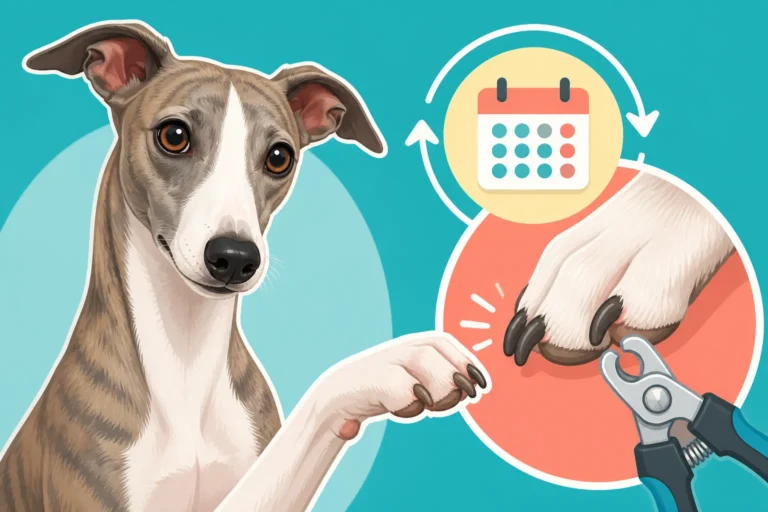
Remember that the frequency of trimming will depend on your Whippet's activity level and environment, but generally, every 2-4 weeks is a good baseline. How Often a Whippet's Nails Need Cutting is a common question, and consistency is key here.
What to Do If You Hit the Quick
It happens to the best of us. Despite your best efforts, you might accidentally nick the quick. Don't panic! It will bleed, and your Whippet might yelp or pull away, but it's rarely a serious injury, and you can manage it calmly.
- Stay Calm: Your dog will react to your stress. Take a deep breath.
- Apply Styptic Powder: Immediately grab your styptic powder. Dip the bleeding nail directly into the powder, or apply a generous pinch to the tip and hold it with firm pressure for 30-60 seconds. The powder works to constrict blood vessels and promote clotting.
- Reassure Your Whippet: Once the bleeding stops, offer gentle comfort and a high-value treat. Don't scold them or make a huge fuss, but let them know it's okay.
- Monitor: Keep an eye on the nail for a few minutes to ensure the bleeding has completely stopped. Avoid letting them run around or lick the paw excessively right after.
- Don't Give Up: A single quicking incident doesn't mean you're a bad owner or that you can never trim nails again. Take a break, and try again another day, perhaps just doing one nail at a time to rebuild trust. It's a minor setback, not a permanent failure. For more general first aid tips, Skin First Aid Every Whippet Owner Should Know provides valuable information that can boost your confidence in handling minor mishaps.
Maintaining Nail Health and Preventing Issues
Consistent, proactive care is the best way to keep your Whippet's nails healthy and avoid future problems. It’s all about creating a sustainable routine that benefits both of you.
The Importance of Regularity
This is perhaps the single most important aspect of nail care. The more frequently you trim, the shorter the quick will naturally recede. When you trim a tiny bit off the nail every week or two, the quick slowly pulls back from the tip, making future trims easier and safer. If you let nails get too long, the quick will also grow longer, meaning you can't trim them back to a healthy length in one go without causing pain.
Think of it as a gradual process. Regular trims also keep the nails strong and less prone to splitting or breaking, which can be painful for your Whippet and lead to more frequent visits to the vet. Establishing a routine, even just a few minutes every week, will pay dividends in your Whippet's comfort and your own peace of mind.
Exercise and Natural Abrasion
While a good sprint across a grassy field or a romp in the park is fantastic exercise for your Whippet, don't rely solely on natural abrasion to keep their nails short. Running on hard surfaces like pavement or concrete can help wear down the tips, but for many Whippets, especially those with naturally fast-growing nails or less time on hard surfaces, it's simply not enough to keep the quick sufficiently short.
Regular walks on varied terrain can certainly help maintain nail length between trims, but they rarely eliminate the need for manual clipping or grinding. It's a supplementary benefit, not a replacement for diligent nail care. A balanced approach combining exercise with regular trimming is best.
When to Seek Professional Help
There's absolutely no shame in admitting you need help with your Whippet's nails. Sometimes, despite your best efforts, nail trims can become a source of intense stress for both you and your dog.
- Anxious Owner, Anxious Dog: If your anxiety consistently translates to a fearful or reactive Whippet, it might be time to bring in a professional. A vet tech or professional groomer has experience and often a calm, confident energy that can make a huge difference. They can often get the job done quickly and efficiently.
- Reactive or Aggressive Dog: If your Whippet becomes truly aggressive or completely unmanageable during nail trims, it's crucial to seek professional help. Your vet can assess the situation, potentially recommend training modifications, or even perform the trims with mild sedation if necessary. Whether a Whippet Should Be Sedated for a Nail Trim is a question many owners face, and it's a valid option when other methods fail.
- Medical Conditions: If your Whippet has a paw injury, arthritis, or another medical condition that makes handling painful or difficult, a professional can ensure the trim is done safely and with minimal discomfort.
Many clinics offer "nail trim only" appointments that are usually quite affordable. Don't let pride get in the way of your Whippet's well-being. A professional can also give you tips, demonstrate techniques, or even help desensitize your dog to the process. What a Whippet's Nail Trim Costs at a Groomer will vary, but it's a small investment in your dog's long-term health.
Disclaimer
This article is for general informational purposes only and does not constitute professional advice. Laws, prices and regulations vary by location and change over time. Consult a qualified professional for guidance on your specific situation.