Whether an Inflatable Collar Suits a Whippet
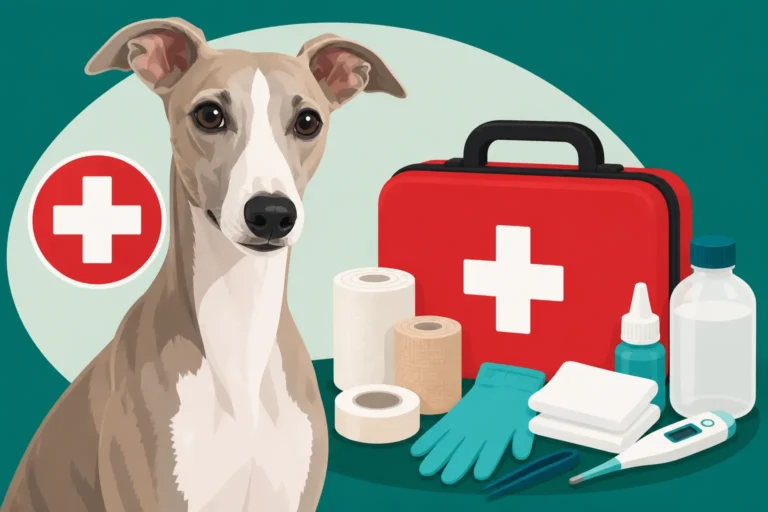
When your beloved Whippet has a wound or stitches, the last thing you want is for them to chew, lick, or scratch at it, undoing all the vet's good work. It's a common dilemma for us Whippet owners – how do you protect their delicate skin and healing areas without causing them more stress? This guide will dive deep into whether inflatable collars are a suitable solution for our unique sighthounds and explore other options to keep them comfortable and safe during recovery.
Understanding the Whippet's Unique Anatomy and Behavior Challenges
Anyone who lives with a Whippet knows they aren't built like other dogs. Their lean bodies, long necks, and often sensitive dispositions mean that recovery tools designed for broader, heavier breeds often don't translate well. We want solutions that work with their natural build and instincts, not against them.
The Whippet's Delicate Neck and Head Shape
Whippets possess an elegant, slender neck that tapers gracefully to their head, a hallmark of the sighthound breed. This beautiful anatomy, while perfect for speed and agility, can be a real headache when trying to fit a recovery collar. Traditional Elizabethan cones, often referred to as "cones of shame," tend to be too bulky and long, obstructing their vision and making it difficult for them to eat, drink, or simply navigate their surroundings. Furthermore, the cone's base can chafe or rub on their thin skin around the neck, leading to discomfort or even new irritations. Finding a collar that sits securely without being overly tight, or that doesn't slip right over their narrow head, is a constant struggle.
Many owners face the challenge of a Whippet easily slipping out of collars that would hold a bulldog or a Labrador. Their heads are often narrower than their necks, meaning a collar that fits snugly around the neck might still allow them to back out of it with a determined wiggle. This design flaw becomes even more critical when you're trying to prevent them from accessing a healing wound. An inflatable collar needs to conform to this specific body type effectively to be truly useful.
Then there's the sheer discomfort. Imagine having a massive, stiff lampshade around your neck when all you want to do is stretch out on your favorite bed. Whippets are creatures of comfort, and anything that restricts their natural movement or ability to curl up snugly will likely be met with stubborn resistance. This isn't just about preventing them from licking a wound; it's about minimizing their overall stress during what's already a vulnerable time.
How a Whippet's Agility Affects Collar Suitability
Whippets are incredibly agile, capable of twisting themselves into pretzels to reach an itch or a lick point. This flexibility, combined with their lean physique, makes them escape artists extraordinaire when it comes to recovery collars. A traditional cone might prevent direct access to a leg wound, but a determined Whippet can often contort their body to reach it, or find a way to wedge the cone against furniture to push it off. This isn't laziness; it's pure sighthound ingenuity!
Their speed and tendency to bound around, even when they're supposed to be recovering, also play a role. A cumbersome, rigid cone can throw off their balance, leading to bumps into doorframes or furniture, potentially exacerbating their injury or causing new ones. We've all seen a Whippet take off at full tilt, and a recovery collar needs to allow for some level of safe movement, even if restricted. The last thing you want is for them to misjudge a jump onto the sofa because their peripheral vision is completely blocked.
This agility also extends to how they interact with their environment. Whippets love to burrow under blankets, squeeze into tight spaces, and use furniture as leverage. A large, rigid cone hinders all these natural behaviors, increasing their frustration and making them more determined to remove it. An effective recovery solution for a Whippets needs to consider their dynamic nature, not just their physical dimensions.
Why a Whippet Might Resist Traditional Cones
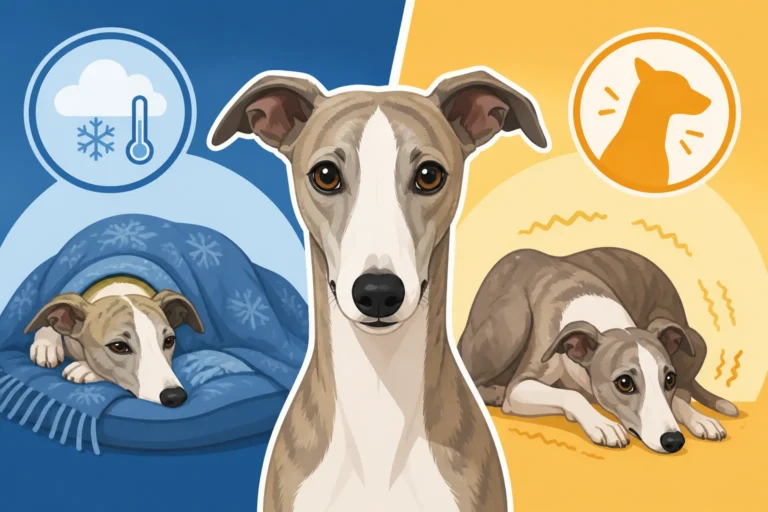
Traditional hard plastic Elizabethan collars are often called the "cone of shame" for a reason. For many dogs, they're a source of immense discomfort and anxiety, and Whippets are no exception – in fact, their sensitivity often amplifies this reaction. The rigid plastic can be noisy as it scrapes against floors and walls, startling a dog with sensitive hearing. Imagine trying to sleep with that constant clatter!
Beyond the noise, the limited vision is a huge issue. Whippets rely heavily on their sight, and suddenly having their peripheral vision cut off can be deeply disorienting and frightening. They might become hesitant to move, bump into things, or show increased anxiety, especially in unfamiliar environments or around other pets. This can make simple acts like eating, drinking, or even going outside for a potty break feel like an insurmountable challenge.
Many Whippets are also very tactile and value physical closeness. A traditional cone creates a barrier, making it difficult for them to snuggle against you or their canine companions. This isolation, even if unintentional, can compound feelings of stress and sadness during a recovery period. We all want our dogs to feel loved and secure, and a cone that prevents them from receiving comfort can feel counterproductive to their emotional well-being. This emotional distress can slow down healing, making the recovery period longer and more taxing for everyone involved.
What Are Inflatable Collars and How Do They Work?
Inflatable collars offer a different approach to preventing a dog from reaching wounds or stitches. Instead of a wide, rigid barrier, they create a soft, donut-shaped cushion around the dog's neck. But are they truly a game-changer for the unique needs of a Whippet? Let's explore.
The Design and Materials of Inflatable Collars
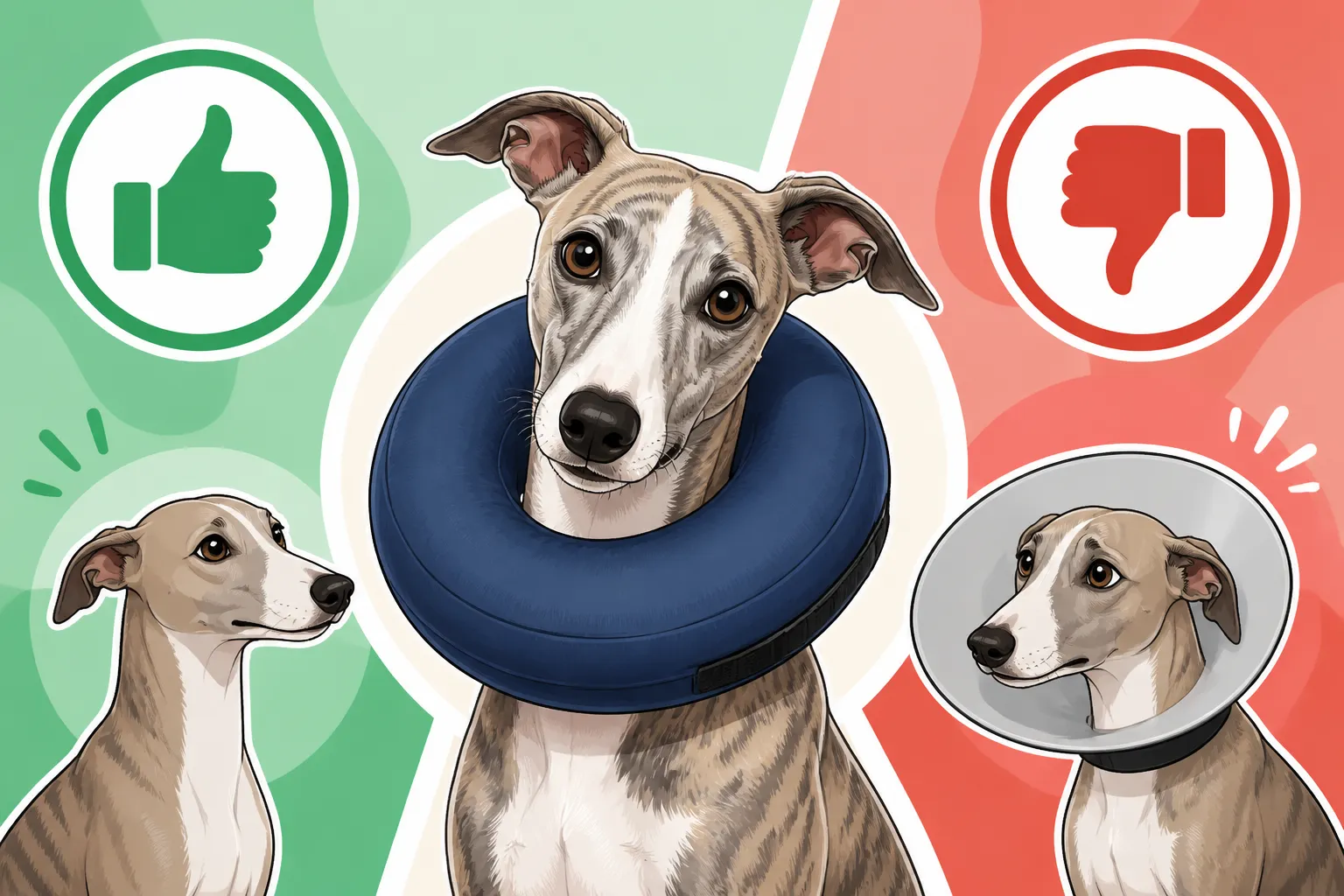
Inflatable collars are essentially soft, donut-shaped rings that you inflate and then secure around your dog's neck, much like a regular collar. They typically feature a durable, bite-resistant outer fabric, often a sturdy canvas or nylon, with an inflatable bladder inside. Most designs have loops or straps that allow you to thread your dog's regular collar through, helping to keep the inflatable collar securely in place and preventing it from slipping over their head or getting pushed off. You inflate them by mouth, or sometimes with a small pump, to the desired firmness.
The idea is that this cushioned ring creates enough of a barrier around the neck that the dog cannot bend and reach wounds on their body, legs, or tail. Unlike a traditional cone that extends far beyond the nose, the inflatable collar primarily restricts neck flexibility. Brands like Chewy and Amazon offer a variety of these collars, often with different fabric textures and inflation mechanisms. It's crucial to check the sizing guides, as a poor fit can render the collar ineffective or uncomfortable.
The interior inflatable section is usually made of a sturdy PVC-like material, designed to hold air without puncturing easily. The outer fabric is generally removable and washable, which is a huge plus, especially if your Whippet is prone to getting food or dirt on it. This combination of soft exterior and firm interior is supposed to offer a balance of comfort and function, a stark contrast to the unforgiving nature of a plastic cone.
Advantages Over Traditional Elizabethan Collars for Some Breeds
For many dog breeds, inflatable collars represent a significant upgrade from the traditional plastic "cone of shame." The primary benefit is improved comfort and reduced stress. Dogs can often eat, drink, and sleep more naturally since their peripheral vision isn't completely blocked and their ability to navigate tight spaces isn't as severely impaired. They can usually see where they're going, which can prevent them from bumping into things and feeling isolated.
Another major advantage is the reduced noise. There's no scraping sound against the floor or walls, which can be a huge relief for sensitive or anxious dogs, and certainly for their human companions during quiet hours. This can lead to a more relaxed recovery period overall, as the dog isn't constantly startled or stressed by their own movements. We all know how important a calm environment is for healing.
Furthermore, the soft, cushioned design is far less likely to cause irritation or chafing around the neck compared to the rigid edge of a plastic cone. For breeds with delicate skin, this is a massive plus. Owners also appreciate that they can interact more normally with their dog, offering pets and snuggles without a hard barrier between them, which can greatly aid in the dog's emotional well-being during a challenging time. For dogs recovering from less accessible wounds, such as those on their back or chest, these collars often provide ample protection without the bulk.
Potential Downsides for Deep-Chested Dogs
While inflatable collars boast several advantages, they also come with potential drawbacks, especially for certain body types. For deep-chested breeds like Whippets, the very design that makes them comfortable can sometimes make them less effective. The length of a Whippet's neck and the depth of their chest mean that a wound on a paw, lower leg, or even the base of the tail might still be accessible. The inflatable donut primarily restricts turning the head fully backward, but a determined and flexible Whippet can often still reach areas by bending their body rather than their neck.
This isn't to say they never work, but it means you have to be extra vigilant. If your Whippet has a wound on a front paw or a lower rear leg, they might be able to fold their agile body just enough to get their mouth to the area, despite the collar. This can be incredibly frustrating, as you think you've found a comfortable solution, only to discover they've outsmarted it. This is a common tale among sighthound owners – our dogs are often too clever for their own good!
Another consideration is that while they are generally less cumbersome than plastic cones, they still add bulk around the neck. For a Whippet that loves to burrow under blankets or squeeze into tight spaces, this can still be an impediment. Some dogs might find the bulk uncomfortable when trying to sleep or rest their head, even if it's softer. It really boils down to your individual Whippet's wound location, their specific body mechanics, and their personal level of determination.
Evaluating Inflatable Collars for a Whippet: Pros and Cons
So, armed with the knowledge of how these collars work and the unique characteristics of our Whippets, let's weigh the specific advantages and disadvantages for our beloved sighthounds. It's rarely a one-size-fits-all answer, and what works for one Whippet might be completely useless for another.
When an Inflatable Collar Might Work for a Whippet
An inflatable collar can be a viable option for a Whippet in specific circumstances, primarily depending on the location of the wound. If your Whippet has stitches or an injury on their back, their neck, or the top of their head, an inflatable collar can be quite effective. These areas are usually well out of reach, as the collar prevents the neck from bending far enough to access them. In these cases, the comfort factor and improved visibility offered by an inflatable collar are huge benefits.
Consider a situation where your Whippet has a minor skin irritation or hot spot on their shoulder blade or along their spine. Inflatable collars can be excellent for preventing licking and gnawing at these less accessible spots, allowing the area to heal without the constant interference. Because they don't block peripheral vision, your Whippet is more likely to remain calm and content, able to navigate the house, eat their meals, and interact with the family without feeling isolated or disoriented. This can make a big difference in their overall mood during recovery.
For wounds that are relatively high up on the body, away from paws and tail, an inflatable collar can be a blessing. It allows your Whippet to maintain more of their normal routine, which is vital for their mental well-being. They can often eat and drink from their regular bowls without issue, and lie down comfortably in their preferred sleeping positions, which are significant advantages over the rigid plastic cone. However, it's always critical to supervise them closely during the initial hours to ensure they aren't finding a clever way to bypass the barrier.
Specific Scenarios Where They Fall Short for Whippets
Unfortunately, the very attributes that make Whippets so graceful and fast – their long, flexible necks and agile bodies – can make inflatable collars a less-than-perfect solution for many common injuries. If your Whippet has a wound on a paw, a lower leg, or their tail, an inflatable collar is highly likely to fail. Whippets can often bend and twist their bodies to reach these areas, even with the donut-shaped collar around their neck. The collar restricts vertical neck movement, but their lateral flexibility and body contortion skills often prove superior.
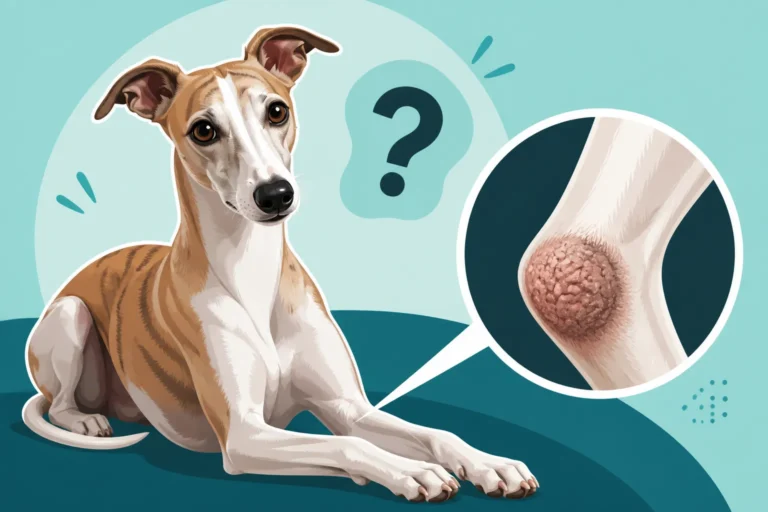
We often deal with The Thin Skin That Sends a Whippet to the Vet for Stitches, and these skin tears frequently occur on legs or flanks. These are exactly the locations where a Whippet is most likely to outmaneuver an inflatable collar. Imagine a wound on the hock or a front paw; your Whippet, with their impressive reach, might be able to curl around just enough to get a lick in, especially when you're not actively watching. This can lead to stitches coming undone or the wound becoming infected, meaning another trip to the vet, which is an expense nobody wants. Emergency Stitches: the Whippet Bill Nobody Budgets For can quickly become a recurring problem if the wound isn't properly protected.
Another specific scenario where they fall short is if your Whippet is prone to destructive chewing on soft objects. While the outer fabric is often durable, it's still fabric. A determined chewer could potentially puncture the inflatable bladder, rendering the collar useless. While most Whippets aren't extreme chewers in this way, it's a risk to consider if your dog has a history of destroying soft beds or toys.
Choosing the Right Fit and Monitoring for Escape Artists
If you decide to try an inflatable collar for your Whippet, getting the right size and fit is paramount. A collar that is too small will be uncomfortable and ineffective, while one that is too large might slip off easily or still allow access to wounds. Always measure your Whippet's neck circumference carefully and consult the brand's specific sizing chart. Don't just guess based on their weight; neck size is key. Brands like Chewy and Amazon often provide detailed sizing guides, and it's worth checking customer reviews for feedback on how different brands fit sighthounds.
When fitting, ensure the collar is snug enough that it cannot be pulled over your Whippet's head, but not so tight that it restricts breathing or causes discomfort. You should generally be able to slip two fingers comfortably under the collar. Remember that most inflatable collars have internal loops for threading your dog's regular collar through; do not skip this step. This is what anchors the inflatable collar and prevents your Whippet from wiggling out of it. Without their regular collar holding it in place, it's far too easy for a Whippet to Houdini their way out.
Finally, and perhaps most importantly, active and constant supervision is non-negotiable, especially in the first few days. Even with a perfectly fitted collar, Whippets are incredibly clever and persistent. Watch how they try to reach the wound. Do they contort their body? Do they rub against furniture? Do they try to use their paws to push it off? Be prepared to adjust, reinforce, or even switch to a different method if you observe any successful attempts to access the wound. Stopping a Whippet Chewing Its Stitches requires constant vigilance.
| Recovery Collar Type | Pros for Whippets | Cons for Whippets | Best Use for Whippets |
|---|---|---|---|
| Inflatable Collar | More comfortable, better visibility, less noise, allows for eating/drinking. | Can still allow access to paws/tail/lower legs, may be chewed, still bulky. | Wounds on head, neck, back, chest. |
| Traditional Plastic Cone | Very effective barrier for most body parts, hard to remove for many dogs. | High stress, restricts vision/hearing, cumbersome, can chafe delicate neck skin, difficult to sleep. | Most effective for wounds on paws/lower legs if other options fail. |
| Soft Fabric Cone | More comfortable than plastic, flexible, less noisy. | Can still block vision, can be folded/chewed, less rigid barrier may not fully prevent access. | Moderate protection for various wounds, better comfort than plastic. |
| Medical Pet Shirt/Body Suit | No neck restriction, comfortable, allows full movement, can be worn long-term. | Not suitable for all wound locations (e.g., face, lower legs), can overheat in warm climates, may get dirty. | Wounds on torso, flanks, shoulders, hips. |
Alternative Solutions and Best Practices for Whippet Wound Care
Given the nuances of inflatable collars for Whippets, it's wise to consider a range of options and combine strategies for the most effective and comfortable recovery. Our goal is always to keep our Whippets happy and healthy, even when they're healing.
Body Suits and Medical Pet Shirts
For many Whippet owners, medical pet shirts or full-body recovery suits are an absolute game-changer. These garments are designed to cover the torso and often extend down the legs, completely protecting wounds on the body, flanks, shoulders, and upper legs. The huge advantage is that they don't restrict your Whippet's neck, head, or vision at all. Your dog can eat, drink, sleep, and move with complete freedom, which drastically reduces stress and improves their overall quality of life during recovery.
Brands like SurgiSnuggly or the original Medical Pet Shirt (often found on Chewy or Amazon) come in various sizes and styles, including some specifically designed for a leaner, deep-chested build. When choosing one, look for soft, breathable fabrics like cotton or bamboo blends to prevent overheating, especially since Whippets don't have much natural insulation. It's also vital to ensure a snug fit – too loose and your Whippet might wiggle out or still get to the wound; too tight and it will be uncomfortable.
These suits are particularly fantastic for protecting incisions after spays or neuters, or for any Treating a Whippet's Skin Tear on the body that a cone or inflatable collar just can't effectively cover. They allow the skin to breathe while acting as a physical barrier. You'll still need to monitor the wound through the garment, and change it regularly to keep it clean. For potty breaks, most designs have an opening or can be rolled up and secured, making bathroom trips relatively easy without removing the entire suit.
Soft Cones and Fabric Collars
If a full body suit isn't appropriate for the wound location, or if you prefer a traditional cone shape with more comfort, soft cones or fabric collars are another excellent alternative. These are shaped like the classic Elizabethan collar but are made from flexible, padded fabric. This means they are much quieter, less likely to bruise you or your furniture, and generally more comfortable for your Whippet to wear, especially when sleeping.
Many soft cones can be folded back slightly when your Whippet is eating or drinking, offering a temporary reprieve from the barrier without complete removal. While they still obstruct vision to some extent, the flexibility often makes them less disorienting than rigid plastic. Brands often design these with adjustable neck straps and lightweight materials to reduce bulk. Again, finding one that fits a Whippet's slender neck without slipping off is key, so pay close attention to sizing.
The main trade-off with soft cones is that a highly determined Whippet might be able to bend or compress the fabric enough to reach certain areas, particularly on the paws. However, for head, ear, or some neck wounds, they offer a good balance of protection and comfort. If your Whippet is prone to anxiety with traditional cones, a soft fabric version can often make the recovery period much more tolerable for them, easing their distress significantly.
Close Supervision and Environmental Management
Regardless of the collar or suit you choose, nothing replaces vigilant supervision and smart environmental management during your Whippet's recovery. Even the best collar can be outsmarted by a clever, persistent sighthound if left unattended. This means keeping a close eye on your Whippet, especially when you can't be actively watching them.
Consider limiting their access to certain areas of the house where they might rub against furniture or attempt to remove their collar. For instance, if they have a favorite tight spot they like to squeeze into, block it off temporarily. Crating can be a valuable tool for periods when you cannot directly supervise, ensuring they can't reach their wound or get into trouble. Just make sure the crate is comfortable and large enough for them to move without bumping the collar. Whether a Whippet Puppy Should Be Crated is a useful read, even for adult dogs in recovery.
Furthermore, ensure their environment is set up for success. Elevate food and water bowls if their collar makes it difficult to reach the ground. Provide extra soft bedding, as any discomfort can lead to increased attempts to get out of their collar. Regularly check the wound for any signs of tampering or infection, and keep open lines of communication with your vet. Sometimes, a combination of strategies, like a body suit during the day and a soft cone at night, might be the most effective approach. How Slowly a Whippet's Skin Heals means patience and consistency are absolutely vital for a successful recovery.
Disclaimer
This article is for general informational purposes only and does not constitute professional advice. Laws, prices and regulations vary by location and change over time. Consult a qualified professional for guidance on your specific situation.