How Much a Whippet Sheds
Ah, the classic question that surprises many new Whippet owners: "How much does a Whippet shed?" You see those sleek, short coats and you might think you're signing up for a wonderfully hair-free existence, a truly low-shedding dream. But let me tell you, that smooth, fine hair has a sneaky way of showing up everywhere if you're not prepared. This guide is here to give you the realistic lowdown on Whippet shedding, what factors contribute to it, and how you can manage it without pulling your own hair out.
The Truth About Whippet Shedding: It's Not What You Think
It's a common misconception that short-haired dogs don't shed much. I've heard it countless times from folks admiring my Whippets, "Oh, they must be so easy, no shedding!" If only that were completely true. While Whippets certainly aren't in the same league as a long-haired Collie or a fluffy Samoyed, they are far from "non-shedding." Their shedding is just… different.
Why Short-Haired Doesn't Mean "No Hair"
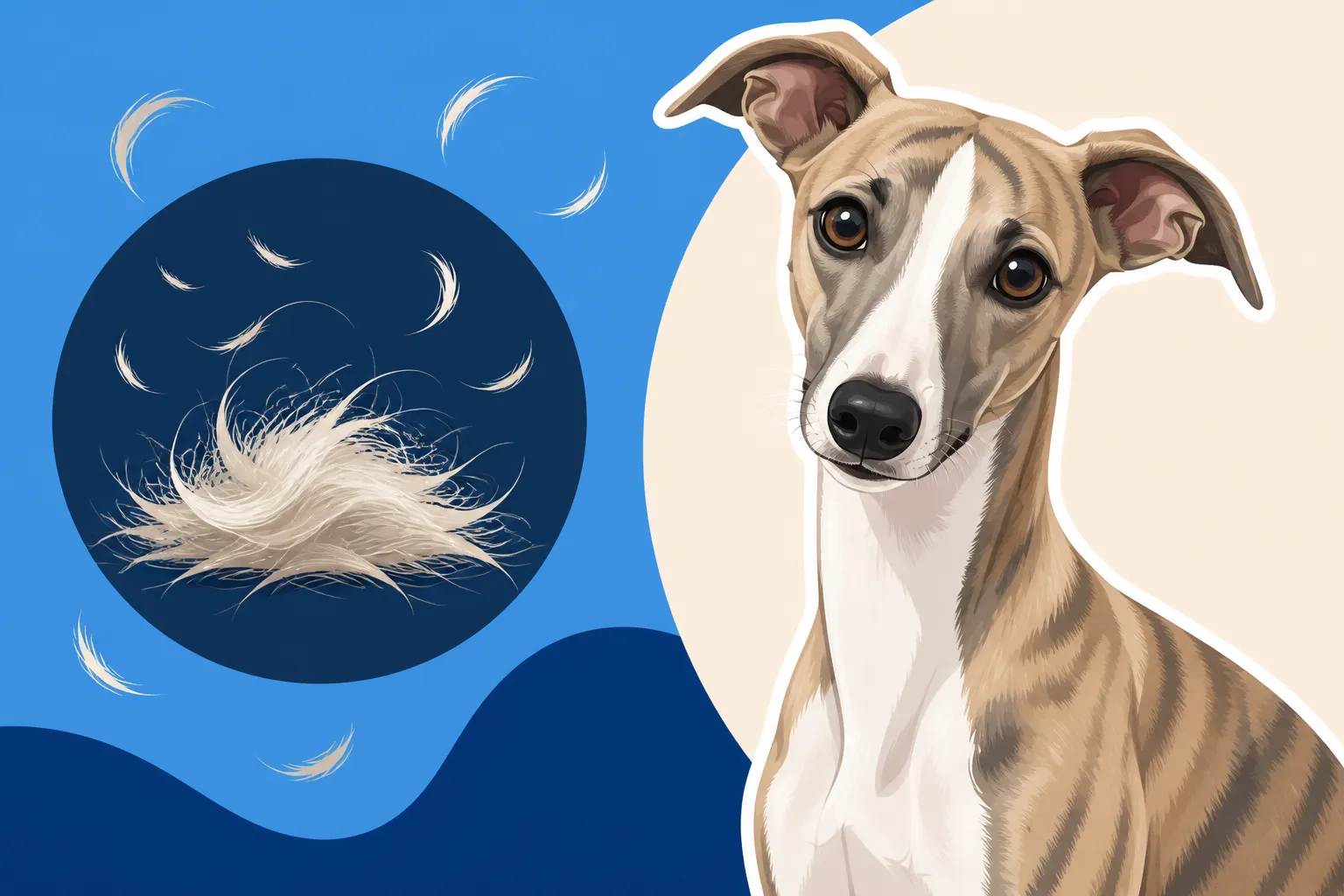
The idea that a short coat means no shedding is a myth that needs busting right away. Every dog, with very few exceptions (like Poodles or certain hairless breeds), sheds hair. It's a natural process of hair turnover, replacing old or damaged hair with new growth. For Whippets, their single, fine, short coat may not create big tumbleweeds of fur, but those tiny hairs are mighty in their ability to weave themselves into carpets, upholstery, and especially dark clothing. You might not see a giant pile, but you'll definitely feel them and find them. They’re like tiny, persistent needles that embed themselves, making them surprisingly difficult to dislodge. You'll quickly learn that a lint roller becomes a staple in your Whippet-owning life.
Seasonal Shedding vs. Year-Round Hair Turnover
While many breeds have distinct "blowing coat" seasons in spring and fall, a Whippet's shedding tends to be more of a consistent, low-level affair throughout the year. You might notice a slight uptick in the spring as they shed a bit of their winter density, and perhaps a smaller increase in the fall as new growth comes in. However, it's not the dramatic, visible shedding you'd associate with a Labrador or a German Shepherd. For the most part, it’s a steady trickle of fine hairs. This constant turnover means you can't just brace for a few weeks of heavy shedding and then forget about it; it requires a consistent approach to management year-round.
How Whippet Hair Behaves Differently
What makes Whippet hair particularly noticeable isn't necessarily the quantity but its quality and behavior. Their hair is quite stiff and short, which means it doesn't just sit on surfaces waiting to be easily swept up. Instead, it acts like tiny velcro, sticking to fabrics. Think about trying to get short, prickly hairs off a fleece blanket compared to fluffy, soft ones – the Whippet hair clings on for dear life. It also tends to be monochromatic with your dog, so if you have a fawn Whippet, you'll see those fawn hairs against anything dark. If you have a blue Whippet, prepare for blue hairs on your light-colored sofa. This characteristic means that while the volume isn't overwhelming, the visibility and clinginess of the hair can be quite high.
Factors Influencing How Much Your Whippet Sheds
Just like us, a Whippet's coat health and shedding can be influenced by a variety of internal and external factors. It's not always just a simple case of "they shed." Understanding these can help you pinpoint if your Whippet's shedding is normal or if something else might be going on.
Diet and Nutrition: The Foundation of a Healthy Coat
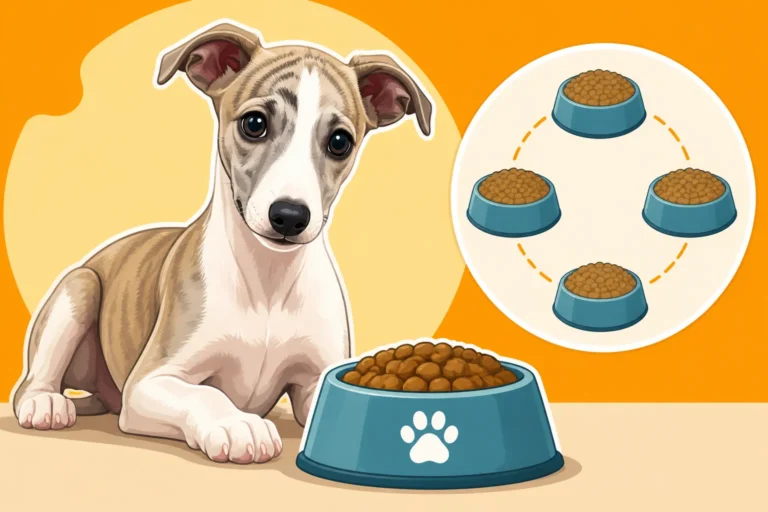
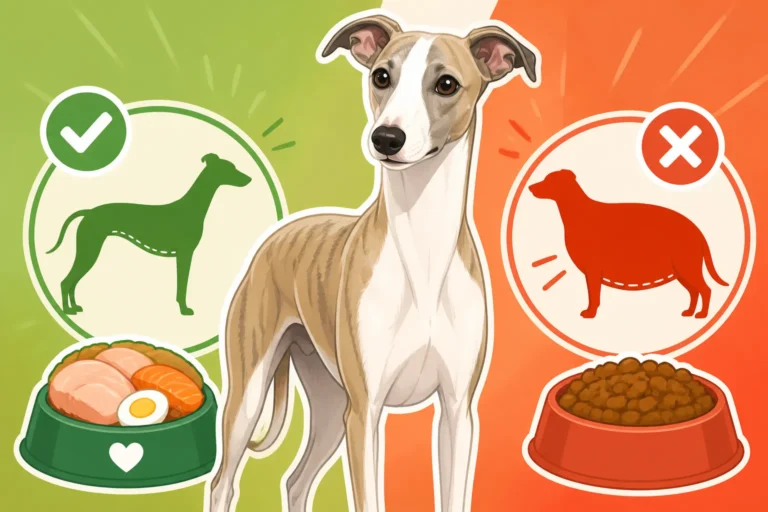
One of the biggest unsung heroes when it comes to a healthy coat, and subsequently, healthy shedding, is diet. A Whippet on a high-quality, balanced diet will generally have a healthier coat that sheds less excessively than one on a poor-quality diet. Think about it: hair is made of protein, and good fats are essential for skin and coat health.
If your Whippet is eating a diet lacking in essential nutrients, you might notice their coat becoming dull, brittle, or shedding more than usual. Look for dog foods with good quality protein sources and healthy fats, particularly omega-3 and omega-6 fatty acids. Some owners find that adding a fish oil supplement can make a noticeable difference in coat shine and reduce shedding. Brands like Ollie, known for fresh, human-grade ingredients, often provide these essential nutrients in a highly bioavailable form, which can really make their coats gleam and minimize excessive hair loss. You want their food to support their energetic lifestyle, as discussed in Feeding a Whippet That Sprints and Then Sleeps, but also contribute to their overall skin and coat health. A good diet is critical for Keeping Weight On a Whippet Without Making It Fat too, which impacts overall health.
Health Conditions and Stress: When Shedding Signals Trouble
Sometimes, excessive shedding can be a red flag for an underlying health issue or stress. It's important to differentiate between normal shedding and shedding that seems out of the ordinary for your individual Whippet.
- Parasites: Fleas, mites, or other external parasites can cause intense itching, leading your Whippet to scratch and chew, which can break hair and increase shedding. Regular parasite prevention is key.
- Allergies: Just like humans, dogs can suffer from environmental or food allergies. These can manifest as itchy skin, hot spots, and increased shedding as the dog irritates their skin.
- Hormonal Imbalances: Conditions like hypothyroidism (though less common for true treatment in Whippets than a normal low reading, see The Hypothyroidism a Whippet Does Not Have) or other endocrine disorders can sometimes lead to hair loss and a poor coat.
- Stress: A stressed or anxious Whippet might shed more than usual. Moving to a new home, changes in routine, or separation anxiety can all contribute.
- Skin Infections: Bacterial or fungal skin infections can cause localized hair loss and excessive shedding.
If you notice sudden, significant shedding, bald patches, skin irritation, or other changes in your Whippet's behavior or health, it's always best to consult your veterinarian. Their The Thin Skin That Sends a Whippet to the Vet for Stitches is prone to issues, so always keep an eye out for any skin changes.
Environmental Factors: Temperature and Humidity
Believe it or not, the environment your Whippet lives in can also play a role in their shedding patterns. Dogs that spend most of their time indoors, especially in climates with central heating or air conditioning, can have their natural seasonal shedding cycles somewhat disrupted.
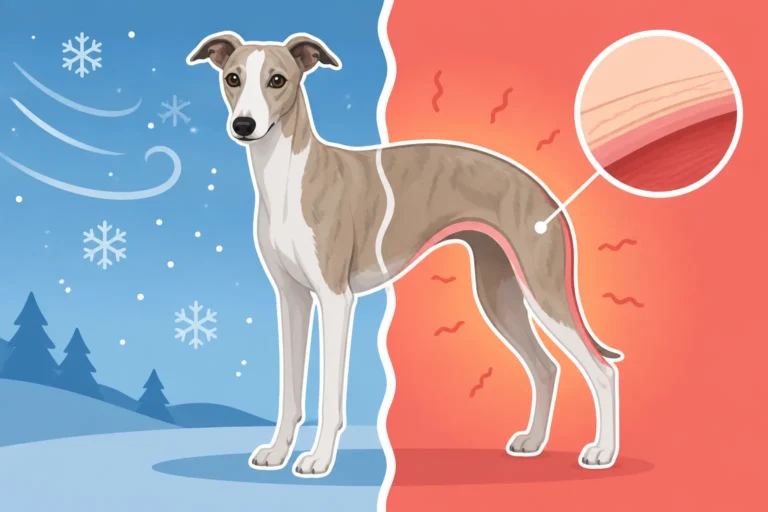
In artificially heated homes during winter, the constant warmth might trick their bodies into thinking it's not as cold, leading to a more consistent, albeit lighter, year-round shed rather than a heavy seasonal one. Similarly, very low humidity can dry out their skin, potentially leading to increased flakiness and hair loss. While you can't control everything, ensuring a comfortable, stable environment and considering a humidifier in very dry climates can sometimes help maintain healthier skin and coat. Remember, a Whippet has A Whippet Has No Insulation and No Padding, so consistent indoor temperatures are important for their comfort anyway.
Practical Strategies for Managing Whippet Shedding
So, you've accepted that your Whippet will shed. Now what? The good news is that managing Whippet shedding is relatively straightforward and doesn't require extreme measures. It's all about consistency and using the right tools.
Brushing Routines: More Than Just Appearance
Regular brushing is your absolute best friend in managing Whippet hair. It removes loose hair before it has a chance to settle on your furniture and clothes, distributes natural skin oils, and provides a lovely bonding experience.
For a Whippet's short, fine coat, you don't need fancy de-shedding tools designed for thick undercoats. Instead, focus on tools that gently remove loose surface hair and stimulate the skin.
| Grooming Tool | Description | Benefits for Whippets | Where to Find |
|---|---|---|---|
| Rubber Curry Brush | A soft rubber brush with nubs, often shaped to fit your hand. | Excellent for massaging the skin, lifting loose hair, and stimulating circulation. Gentle. | Chewy, Amazon, Pet Stores |
| Grooming Mitt | A glove with rubber nubs or bristles on the palm. | Great for sensitive Whippets, allows for petting-like action, reaches all contours. | Chewy, Amazon, Pet Stores |
| Sleeker Brush/Bristle Brush | Soft bristles that gently sweep away surface hair. | Good for finishing, adding shine, and daily light grooming. | Chewy, Amazon, Pet Stores |
| Damp Cloth/Chamois | A simple damp cloth or a piece of chamois leather. | Fantastic for a quick wipe down to catch loose hair and add a shine, especially after a run. | Household items, auto stores (for chamois) |
Aim for brushing your Whippet a few times a week. Even a quick five-minute session with a rubber curry brush or grooming mitt can make a huge difference. During periods of slightly heavier shedding, you might increase this to daily. This small effort prevents a lot of hair accumulation elsewhere. This is directly related to How Often a Whippet Needs Brushing and Which Brush Suits a Whippet's Coat. You'll find these tools readily available on Chewy or Amazon.
Bathing Best Practices to Minimize Loose Hair
While brushing is frequent, bathing for a Whippet is usually less so. They are generally clean dogs with minimal "doggy" odor, as discussed in Why a Whippet Barely Smells. Excessive bathing can strip their skin of natural oils, leading to dryness, irritation, and potentially more shedding.
Aim to bathe your Whippet only when they are genuinely dirty, which for most companion Whippets, might be every few weeks to a couple of months. When you do bathe them, use a gentle, moisturizing dog shampoo, ideally one formulated for sensitive skin. Work up a good lather, massaging it into their coat to help loosen dead hair. Rinse thoroughly – any shampoo residue can irritate the skin and lead to more scratching and shedding. Finish with a good towel dry, and if your Whippet tolerates it, a cool setting on a hairdryer can help remove even more loose hair while drying. This is important information for How Many Baths a Year a Whippet Needs and Which Shampoo Suits a Whippet's Thin Skin.
Home Cleaning Hacks for Whippet Hair
Despite your best efforts with brushing and bathing, some Whippet hair will inevitably end up in your home. That's just part of living with a dog! The key is having a few go-to cleaning methods.
- Vacuuming: A good quality vacuum cleaner with strong suction and attachments for upholstery is invaluable. Look for models specifically designed for pet hair; they often have rubberized brushes that are effective at picking up those clinging hairs. Regular vacuuming, especially on carpets and fabric furniture, will keep the hair manageable.
- Lint Rollers: These are your best friends for quick touch-ups on clothing, especially before you head out the door. Keep them strategically placed near exits and in your car. Many multi-packs are available on Amazon.
- Damp Cloths/Rubber Gloves: For quick clean-ups on furniture, a damp microfiber cloth or even a damp rubber glove can be surprisingly effective at gathering hair into clumps that are easy to pick up.
- Washing Bedding: Your Whippet will inevitably shed on their beds and blankets. Wash their bedding frequently to remove accumulated hair. If your Whippet is like mine, they burrow under blankets, so these items will need regular attention. You might be surprised to learn that Whether a Whippet Sleeps on the Sofa Anyway is very common, so include your furniture in your cleaning routine!
Setting Realistic Expectations and Embracing the Whippet Hair
Ultimately, living with a Whippet means living with a certain amount of Whippet hair. It's a small trade-off for their delightful companionship, their quiet nature, and their incredible athletic grace.
It's a Marathon, Not a Sprint: Consistency is Key
The most important takeaway for managing Whippet shedding is consistency. Short, regular efforts are far more effective than sporadic, intensive cleaning sprees. A few minutes of brushing every other day, quick vacuuming a few times a week, and regular washing of their favorite blankets will keep the hair to a very manageable level. Trying to do one huge clean-up once a month will feel overwhelming and likely leave you frustrated. Make it a part of your regular routine, like feeding them or taking them for a walk, and it won't feel like a chore. For a complete understanding of their daily needs, including coat care, check out What a Whippet Needs Every Day.
When to Consult Your Veterinarian
While some shedding is normal, there are times when it warrants a trip to the vet. Don't hesitate to seek professional advice if you notice any of the following:
- Excessive, sudden shedding: A rapid increase in hair loss beyond what's normal for your dog.
- Bald patches or thinning hair: Especially if localized to specific areas.
- Red, inflamed, scaly, or odorous skin: Signs of infection or irritation.
- Lethargy, changes in appetite, or other behavioral shifts: These could indicate an underlying systemic illness.
- Constant scratching, licking, or chewing: Suggests discomfort or allergies.
Your vet can help diagnose any underlying issues and recommend appropriate treatment, ensuring your Whippet's skin and coat return to their healthy, sleek best.
Disclaimer
This article is for general informational purposes only and does not constitute professional advice. Laws, prices and regulations vary by location and change over time. Consult a qualified professional for guidance on your specific situation.