Whether a Whippet Needs Joint Supplements
It’s a common scenario: you look at your sleek, athletic Whippet, watch them rocket across the yard, and then maybe see them stiffen slightly after a long nap. Immediately, your mind jumps to thoughts of joint health. With their lean build and incredible speed, many Whippet owners wonder if their dog needs extra support for their joints, especially as they get older or if they’re particularly active. This guide will explore whether joint supplements are genuinely beneficial for Whippets, what to look for, and when they might be truly necessary.
Understanding Whippet Joint Health
Whippets are incredibly resilient dogs, known for their speed, agility, and generally robust health. Unlike some larger, heavier breeds that are predisposed to severe joint conditions like hip or elbow dysplasia, Whippets tend to have a different set of considerations. Their relatively light build means less impact stress on their joints compared to, say, a Newfoundland or a German Shepherd. However, their explosive athleticism brings its own unique set of physical demands.
The Unique Anatomy of a Whippet
A Whippet’s body is a marvel of engineering designed for speed. They have a deep chest, a flexible spine with a characteristic arch (often called a 'roach' or 'tuck-up'), and long, powerful legs. This structure allows for an incredible range of motion and powerful propulsion. While this build is fantastic for sprinting, it also means their joints are under significant, albeit short-burst, stress during high-speed runs, quick turns, and abrupt stops. Think of a lure coursing event, where they go from zero to full speed in seconds, making sharp turns to follow the 'lure'. All of this puts wear and tear on cartilage and ligaments over time, even in a perfectly healthy dog. You might also want to read about Raising a Whippet Puppy Without Wrecking Its Joints to understand how early care can impact long-term health.
Athleticism vs. Fragility
Despite their delicate appearance, Whippets are far from fragile. They are tough, determined, and often fearless when in pursuit. However, their thin skin, minimal body fat, and powerful musculature mean that while they might not develop hip dysplasia as commonly as other breeds, they are prone to certain types of injuries. Muscle strains, pulled ligaments, and even toe injuries are not uncommon, especially in racing or intensely active Whippets. While supplements won't prevent acute injuries, they can play a role in supporting the overall joint environment that might make them more resilient or aid recovery. It's about proactive care rather than thinking of them as a quick fix for an existing injury.
Common Joint Concerns in Whippets and When Supplements Might Help
While Whippets are generally a healthy breed, like all dogs, they are susceptible to age-related changes and specific conditions that can affect their joints. It’s important to understand these concerns to make informed decisions about supplements.
Arthritis and Age-Related Joint Degeneration
As Whippets age, just like us, their joints can start to show signs of wear and tear. This is commonly known as osteoarthritis. Cartilage, which acts as a cushion between bones, can degrade, leading to pain, stiffness, and reduced mobility. You might notice your once-spritely Whippet taking longer to get up after a nap, being less enthusiastic about walks, or even struggling with stairs. This is when many owners start to consider joint supplements. For more on this, you might find When a Whippet Gets Arthritis helpful.
Supplements containing ingredients like glucosamine and chondroitin are often recommended in these cases. The idea is that these compounds help maintain the integrity of existing cartilage and may support the body's natural repair processes. While they won't cure arthritis, they can sometimes slow its progression and help manage the discomfort, improving your Whippet's quality of life in their senior years. This becomes particularly relevant as you move into Caring for an Old Whippet That Feels the Cold and consider their overall comfort.
Recovery from Injuries and Surgical Procedures
Whippets, especially those involved in sports like lure coursing or racing, can sometimes experience soft tissue injuries like sprains or strains. While a vet's diagnosis and treatment plan are paramount, joint supplements can sometimes be part of a holistic recovery strategy. Ingredients that support tissue repair and reduce inflammation might be suggested by your vet to aid the healing process.
Similarly, if your Whippet ever undergoes orthopedic surgery, some veterinarians might recommend joint supplements post-operatively. The goal here is to support the healing tissues and potentially prevent secondary issues that could arise from altered gait or increased stress on other joints during recovery. However, this should always be done under strict veterinary guidance.
Proactive Support for Active or Performance Whippets
Some owners consider joint supplements as a proactive measure for highly active Whippets, even before signs of joint issues appear. The rationale is that consistent, high-impact exercise, while natural for a Whippet, can accelerate wear on joints over their lifespan. Providing nutritional support early could, theoretically, help maintain joint health longer. This is a topic of ongoing discussion among vets and owners.
For a young, healthy Whippet with no signs of joint problems, the benefit of preventative supplementation is less clear-cut than for an older dog with diagnosed arthritis. However, ensuring a balanced diet that supports overall health is always crucial. When looking at the full picture of their lives, especially considering The Twelve to Fifteen Years a Whippet Lives, long-term care becomes a significant consideration.
Types of Joint Supplements and Their Ingredients
Navigating the world of joint supplements can feel overwhelming, with countless brands and ingredients promising various benefits. Here’s a breakdown of the most common components you'll find.
Glucosamine and Chondroitin
These are probably the two most well-known ingredients in canine joint supplements.
- Glucosamine: This is an amino sugar that plays a crucial role in the production of glycosaminoglycans (GAGs), which are major components of cartilage. The theory is that supplementing glucosamine provides the building blocks for cartilage repair and maintenance. It's often derived from shellfish.
- Chondroitin Sulfate: This is another GAG found naturally in cartilage. It's believed to help cartilage retain water, improving its elasticity and shock-absorbing properties. Chondroitin may also inhibit enzymes that break down cartilage. It's typically sourced from bovine or porcine cartilage.
Many supplements combine these two ingredients, as they are thought to work synergistically. While the research in dogs has mixed results on their efficacy, many owners report noticeable improvements in their dogs' comfort and mobility, especially with consistent use.
MSM (Methylsulfonylmethane)
MSM is an organic sulfur compound that is often added to joint supplements. Sulfur is essential for the formation of connective tissues like cartilage, tendons, and ligaments. MSM is thought to have anti-inflammatory and pain-relieving properties, which could be beneficial for dogs experiencing joint discomfort. It’s a common ingredient found alongside glucosamine and chondroitin.
Omega-3 Fatty Acids (EPA and DHA)
While not direct "joint builders" like glucosamine, omega-3 fatty acids, particularly EPA (eicosapentaenoic acid) and DHA (docosahexaenoic acid), are powerful natural anti-inflammatories. They can help reduce inflammation in the joints, which is a key component of arthritis pain and stiffness. Many high-quality fish oil supplements are rich in these beneficial fats. For more on this, check out Whether a Whippet Needs Fish Oil. These fatty acids are often recommended by vets not just for joint health, but also for skin, coat, and heart health. You can find these as standalone supplements or incorporated into broader joint formulas.
Other Beneficial Ingredients
Beyond the big three, you might see other ingredients in joint supplements:
- Green-Lipped Mussel (GLM): Hailing from New Zealand, GLM is a natural source of glucosamine, chondroitin, and omega-3s, along with other beneficial nutrients like vitamins, minerals, and amino acids. It's gaining popularity due to its comprehensive nutritional profile.
- Hyaluronic Acid (HA): A component of synovial fluid, which lubricates the joints. HA can help improve joint fluid viscosity and reduce friction.
- Turmeric/Curcumin: Known for its potent anti-inflammatory and antioxidant properties, often included in herbal or natural joint support formulas.
- Collagen: A major structural protein in connective tissues. Some supplements now include various forms of collagen to support joint integrity.
Here's a quick comparison of common joint supplement ingredients:
| Ingredient | Primary Role | Potential Benefits | Common Sources |
|---|---|---|---|
| Glucosamine HCl/Sulfate | Cartilage building block | Supports cartilage repair, improves joint function | Shellfish, fermentation |
| Chondroitin Sulfate | Maintains cartilage elasticity, inhibits breakdown | Aids cartilage shock absorption, anti-inflammatory | Bovine/porcine cartilage |
| MSM | Source of organic sulfur | Anti-inflammatory, pain relief, supports connective tissue | Synthetic, some plant sources |
| Omega-3 Fatty Acids | Anti-inflammatory | Reduces joint inflammation, pain, improves mobility | Fish oil, flaxseed |
| Green-Lipped Mussel | Comprehensive joint support | Natural source of glucosamine, chondroitin, omega-3s | New Zealand mussels |
| Hyaluronic Acid | Joint lubrication | Improves joint fluid viscosity, reduces friction | Fermentation, rooster combs |
When considering a specific supplement, always look for reputable brands. Websites like Chewy and Amazon offer a wide range of options, but always check customer reviews and, most importantly, talk to your vet first.
When to Consider Joint Supplements (and When Not To)
Deciding whether to give your Whippet a joint supplement isn't always straightforward. It's a decision best made in consultation with your veterinarian, taking into account your dog's age, activity level, and overall health.
Consulting Your Veterinarian is Key
This cannot be stressed enough: always talk to your vet before starting any new supplement regimen for your Whippet. They can assess your dog's specific needs, rule out other underlying conditions, and recommend appropriate products and dosages. A vet can help differentiate between normal age-related stiffness and a more serious issue that requires medical intervention. They might suggest diagnostic tests like X-rays to get a clear picture of your Whippet's joint health, especially if pain or lameness is present.
Your vet understands Why a Whippet Needs a Sighthound Anesthesia Protocol for procedures, and they'll also know which medications might interact with supplements, or if a particular condition contraindicates certain ingredients. They can guide you towards veterinary-specific brands that have undergone stricter quality control and efficacy testing than many over-the-counter options.
Age as a Factor: Puppies vs. Seniors
- Puppies and Young Whippets: Generally, healthy Whippet puppies and young adults typically do not need joint supplements. Their bodies are actively growing and producing these compounds naturally. Over-supplementation in young dogs is usually unnecessary and could even be detrimental if it leads to an imbalance of nutrients. Focus instead on a high-quality diet and appropriate exercise to support healthy growth. You'll want to avoid Whether a Whippet Puppy Should Sprint and similar high-impact activities too early.
- Senior Whippets: This is where joint supplements are most commonly considered and often show the most benefit. As Whippets enter their senior years, typically around 8-10 years old (though The Age a Whippet Counts as a Senior can vary slightly), the natural production of joint-supportive compounds can decrease, and existing wear and tear can manifest as arthritis. If your senior Whippet shows signs of stiffness, difficulty rising, or reduced enthusiasm for activities they once loved, discussing a joint supplement with your vet is a very reasonable step. Caring for a Whippet Past Ten often involves considering their mobility and comfort.
When Symptoms Appear vs. Proactive Use
- Symptomatic Use: If your Whippet is already exhibiting signs of joint pain or stiffness, a supplement regimen, alongside other veterinary treatments, can be very helpful. The goal here is therapeutic: to reduce pain, improve mobility, and slow disease progression. It's part of a multi-modal approach that might also include pain medication, anti-inflammatories, physical therapy, and weight management.
- Proactive/Preventative Use: For healthy, active adult Whippets with no current symptoms, the decision for preventative supplementation is more nuanced. Some owners choose to start a low-dose supplement around middle age (e.g., 5-7 years old) with the hope of delaying the onset or severity of joint issues. While there's less scientific evidence to definitively prove the preventative benefits in otherwise healthy dogs, some vets might support this approach for highly active or working Whippets, especially if there’s a family history of joint issues (though less common in Whippets for conditions like hip dysplasia). Always weigh the potential benefits against the cost and the fact that a truly healthy dog might not need it.
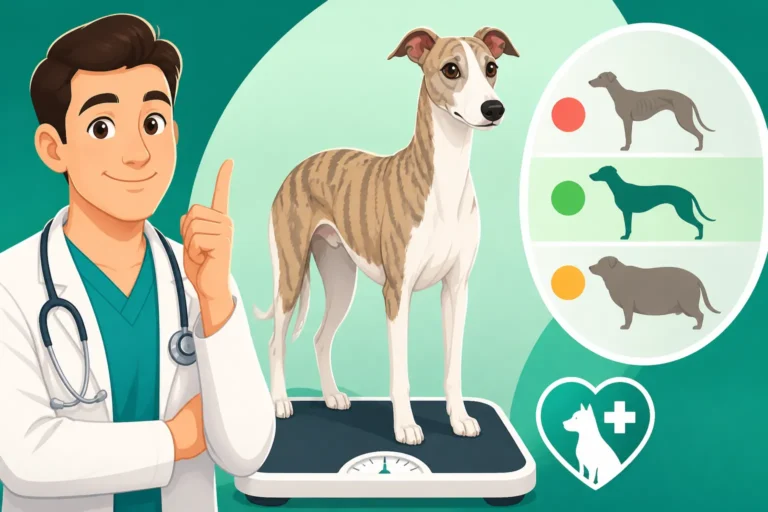
Ultimately, a good diet, maintaining a healthy weight, and appropriate exercise are the cornerstones of joint health for any Whippet, regardless of supplementation. If you're considering a supplement, whether it's from Chewy, Amazon, or directly from your vet, a thorough discussion with your veterinary professional is always the best first step to ensure you're making the right choice for your beloved Whippet.
Disclaimer
This article is for general informational purposes only and does not constitute professional advice. Laws, prices and regulations vary by location and change over time. Consult a qualified professional for guidance on your specific situation.