Whether Fresh Food Suits a Whippet
As Whippet owners, we constantly strive to provide the absolute best for our beloved lean, speedy companions. With so much buzz around fresh dog food these days, it’s completely natural to wonder if this dietary approach could offer significant benefits for your Whippet, or if it's just another expensive trend. You want to make an informed choice, especially when it comes to something as fundamental as what goes into their bowl. This guide aims to cut through the noise and explore whether a fresh food diet truly suits a Whippet, examining both the potential advantages and the practical considerations you'll need to weigh.
The Whippet's Unique Diet Dilemma: Why Fresh Food is on Many Owners' Minds
Whippets are magnificent creatures, known for their incredible speed and athleticism, yet also their profound love for napping on the sofa. This unique combination of high-intensity bursts of energy and prolonged periods of rest, coupled with their notoriously lean physique, often leaves owners questioning if their current diet is truly optimized. Many feel a constant pressure to ensure their Whippet is getting every possible advantage when it comes to nutrition, especially given their delicate structure and sometimes finicky appetites.
The Whippet's Metabolism and Body Type
Anyone who owns a Whippet knows their body type is unlike many other breeds. They are naturally slender, with prominent ribs and hip bones that might alarm someone unfamiliar with the breed. This isn't a sign of malnourishment; it's simply how they're built. Their metabolism is incredibly efficient, converting food into energy quickly, especially when they're engaging in their signature sprints. However, this efficiency can sometimes make it a challenge to Keeping Weight On a Whippet Without Making It Fat while still providing enough fuel for their activities. You might find yourself meticulously tracking calories, or even worrying that well-meaning strangers will judge your dog's healthy leanness.
Their lean muscle mass and low body fat mean they don't have the same insulating layers as a stockier dog. This affects everything from how warm they need to be, to how quickly they burn through their energy reserves. While they might eat a relatively small amount compared to a larger, less active breed, the quality of those calories becomes even more important. You want every bite to count, to fuel their athletic prowess and support their overall health without adding unnecessary bulk.
Common Whippet Digestive Sensitivities
Despite their robust athleticism, many Whippets can have surprisingly sensitive digestive systems. Some are prone to upset stomachs, easily triggered by changes in diet or certain ingredients. This can manifest as loose stools, gas, or even vomiting, making mealtime a constant balancing act. You might have already experienced the frustration of trying different kibble brands, searching for one that doesn't send your Whippet running for the nearest patch of grass for an unscheduled bathroom break. This sensitivity is often what drives owners to seek out more easily digestible food options.
Beyond outright sensitivities, some Whippets are also renowned for being picky eaters. It’s not uncommon for them to turn their noses up at a bowl of perfectly good kibble, sometimes for days on end. This pickiness can be exasperating, especially when you know they need to eat to maintain their lean condition. Finding a food that excites them and keeps them coming back for more is a golden ticket for many Whippet parents, and the palatability of fresh food often holds a strong appeal in this scenario. Why a Whippet Is a Picky Eater is a common conversation starter among owners.
Decoding "Fresh Food": What It Means for Your Whippet
When we talk about "fresh food" for dogs, it's not a single, monolithic category. It encompasses a range of dietary approaches, all moving away from highly processed kibble and towards ingredients that are closer to their natural state. Understanding these distinctions is key to deciding what might be suitable for your Whippet.
Commercial Fresh Dog Food Options
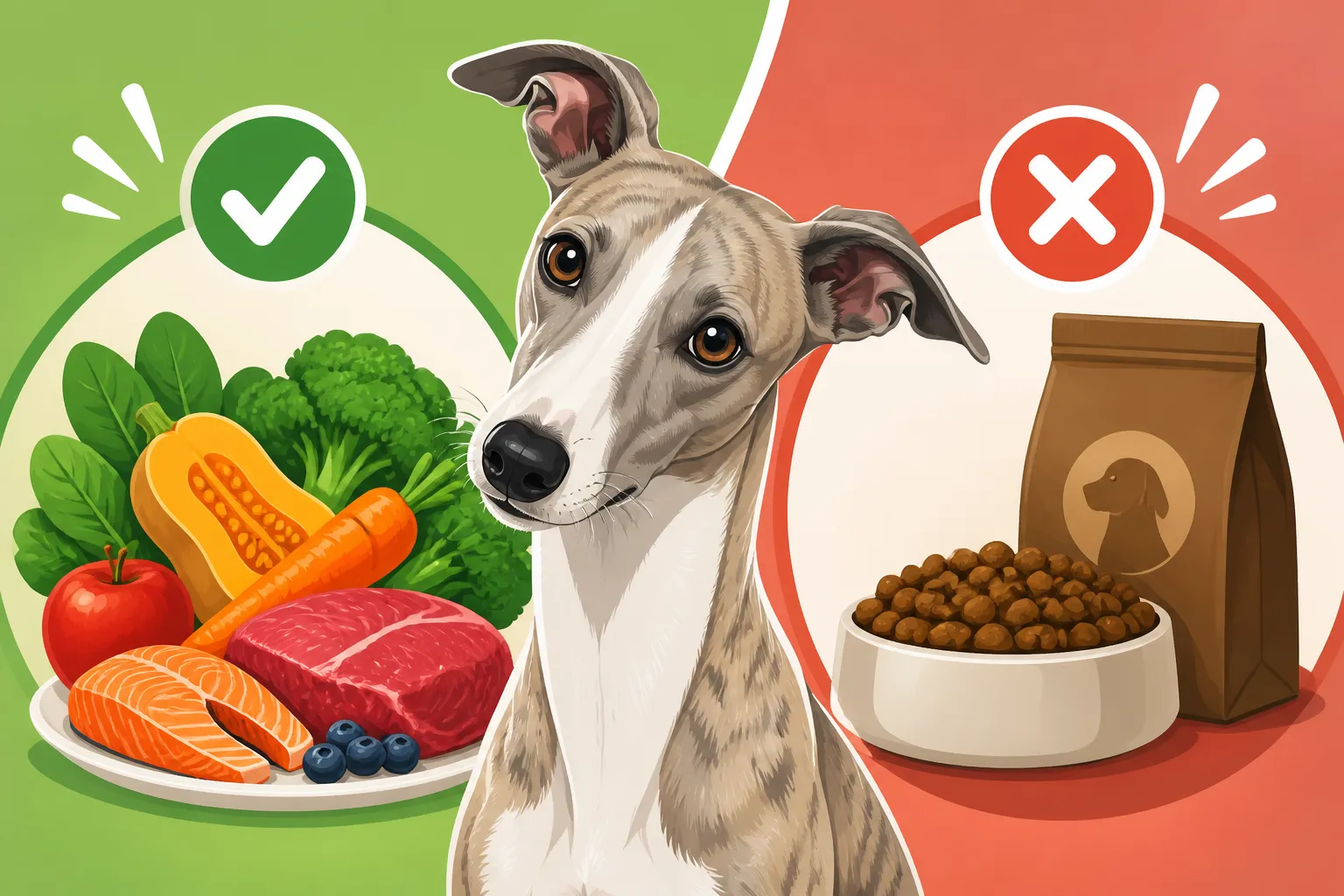
In recent years, a wave of companies has emerged offering pre-prepared, "fresh" dog food delivered directly to your door. These typically fall into two main categories: gently cooked meals and raw food diets. Gently cooked meals are often human-grade ingredients, lightly prepared to retain nutrients while making them safe and palatable. They come pre-portioned and ready to serve, removing much of the guesswork and preparation time for the owner. Services like Ollie deliver pre-portioned, gently cooked meals right to your door, tailored to your dog's specific caloric needs based on their age, weight, and activity level. This approach offers the convenience of kibble with the perceived benefits of fresh ingredients.
Raw food diets, on the other hand, consist of uncooked meat, bones, and organs, often supplemented with fresh fruits and vegetables. The philosophy behind raw feeding is to mimic the diet of a dog's wild ancestors. While some owners swear by the health benefits, raw feeding requires meticulous sourcing, handling, and balancing to avoid nutritional deficiencies or bacterial contamination. Both commercial gently cooked and raw options aim to provide a diet free from artificial preservatives, fillers, and often, common allergens, which can be particularly appealing for a Whippet with digestive issues. Many owners find the subscription model of these services, which often sends monthly or bi-weekly shipments, incredibly convenient, eliminating last-minute trips to the pet store.
Preparing Fresh Food at Home
For those who want complete control over their Whippet's diet, preparing fresh food at home is another viable option. This typically involves sourcing human-grade meats, vegetables, and grains, and then cooking or preparing them yourself. The main advantage here is knowing exactly what goes into your Whippet's bowl – no hidden ingredients, no questionable fillers. You can tailor recipes precisely to your dog's preferences and any specific health needs or sensitivities they might have. If your Whippet struggles with a particular protein, you can easily swap it out without having to find a new commercial brand.
However, homemade diets come with significant responsibilities. It’s not as simple as throwing together some chicken and rice; dogs have complex nutritional requirements that differ from humans. A homemade diet must be carefully balanced with the right ratios of protein, fat, carbohydrates, vitamins, and minerals. Without proper formulation, often with the help of a veterinary nutritionist, you risk causing nutrient deficiencies or excesses that could lead to serious health problems over time. Reliable kitchen scales (easily found on Amazon) become an essential tool, as does a deep understanding of canine nutrition. This route demands dedication and education to ensure your Whippet thrives.
The Fresh Food Advantage: Benefits for Your Whippet's Health and Happiness
Many Whippet owners who switch to a fresh food diet report a range of positive changes in their dogs. These benefits often extend beyond just solving a specific problem and contribute to an overall improvement in the dog's well-being and appearance.
Addressing Picky Eaters and Digestive Upset
For a Whippet who views mealtime with suspicion, a fresh food diet can be a game-changer. The natural aromas and textures of gently cooked meat and vegetables are often far more appealing than dry kibble, enticing even the most discerning palate. I've heard countless stories of Whippets who once grazed reluctantly now enthusiastically "hoovering" their bowls clean. This improved palatability isn't just about enjoyment; it ensures they're actually consuming the calories and nutrients they need, which can be a huge relief for owners worried about their naturally slender dog. Getting Weight On a Whippet That Will Not Eat can be a real struggle, and fresh food often solves this.
Furthermore, for Whippets prone to digestive upset, fresh food can bring much-needed relief. The simpler, less processed ingredients are often easier for their sensitive systems to break down and absorb. Many owners report a noticeable improvement in stool quality—firmer, less voluminous, and less frequent bowel movements—which indicates better digestion and nutrient utilization. Less gas and fewer episodes of vomiting are also commonly cited benefits, leading to a happier dog and a cleaner home. When your Whippet isn't constantly battling an upset tummy, their overall comfort and vitality naturally improve.
Hydration and Nutrient Absorption
One often overlooked benefit of fresh food diets is their higher moisture content compared to dry kibble. Kibble contains very little moisture, meaning dogs need to drink a lot of water to stay adequately hydrated. Fresh foods, especially gently cooked options, are naturally rich in water, which contributes significantly to a dog's daily hydration needs. This can be particularly beneficial for Whippets, supporting kidney function and overall cellular health.
Beyond hydration, the gentle cooking or raw preparation methods used in fresh food diets are often said to preserve more of the natural vitamins, minerals, and enzymes present in the ingredients. This means your Whippet's body might be able to absorb and utilize these essential nutrients more efficiently. When nutrients are readily available and easily absorbed, it can manifest in a healthier, shinier coat, clearer eyes, and a more robust immune system. You might notice their energy levels are more consistent, without the peaks and valleys that sometimes accompany highly processed diets. Whether a Whippet Needs Fish Oil or other supplements might even be less of a concern if their base diet is already nutrient-dense.
Navigating the Nuances: Practical Considerations for a Whippet on Fresh Food
While the benefits of fresh food for Whippets can be compelling, it's crucial to approach this dietary change with a clear understanding of the practical challenges involved. It’s not always a straightforward switch, and there are important factors to consider before diving in.
Ensuring Nutritional Completeness
This is perhaps the most critical consideration, especially if you're leaning towards a homemade fresh food diet. Dogs have very specific and complex nutritional requirements that need to be met precisely over time. Unlike humans, they can't just "eat a balanced diet" by varying their meals; every single meal or a weekly rotation needs to be formulated to provide all essential amino acids, fatty acids, vitamins, and minerals in the correct ratios. Failing to do so can lead to serious health issues, some of which may not become apparent until months or even years down the line. A deficiency in calcium or phosphorus, for instance, could wreak havoc on a Whippet's delicate bone structure.
If you choose a commercial fresh food brand, research their formulation process thoroughly. Look for companies that employ veterinary nutritionists (specifically DACVN certified) to formulate their recipes. They should be transparent about their ingredients and nutritional analysis, ensuring their food meets AAFCO (Association of American Feed Control Officials) guidelines for complete and balanced nutrition for your dog's life stage. For homemade diets, consulting with a board-certified veterinary nutritionist is highly recommended. They can help you create custom recipes tailored to your Whippet's individual needs, ensuring that every nutrient is accounted for. For those supplementing a commercial kibble with fresh toppers, or buying specialized supplements for a homemade diet, online retailers like Chewy offer a vast selection, but be sure to understand what your Whippet actually needs first.
Cost and Convenience Factors
Let's be real, feeding fresh food typically costs more than feeding conventional kibble. Human-grade ingredients, whether bought from the grocery store or delivered pre-prepared, are inherently more expensive than the highly processed components found in many dry dog foods. For a Whippet, while they aren't the largest of dogs, the cumulative cost over their lifetime can add up significantly. It's important to budget for this, especially if you're considering a high-quality commercial fresh food subscription. You might be accustomed to What Feeding a Whippet Costs Each Month on kibble, and fresh food will likely be a noticeable jump.
Beyond monetary cost, there's the cost of time and effort, particularly for homemade diets. Shopping for ingredients, prepping, cooking, portioning, and storing meals takes a substantial commitment. Even with commercial fresh food, you'll need adequate freezer and refrigerator space. This can be a significant lifestyle adjustment for busy individuals or families. You'll also need to consider how this diet fits into travel plans or if your Whippet ever needs to stay with a pet sitter who might not be comfortable or able to maintain a fresh food regimen. These practicalities are important to consider alongside the perceived health benefits.
Making the Switch: How to Transition Your Whippet Safely
Deciding to move your Whippet to a fresh food diet is exciting, but it’s crucial to make the transition gradually and thoughtfully to avoid upsetting their sensitive digestive system. Rushing the process can lead to gastrointestinal distress, which defeats the purpose of introducing a more digestible food.
The Gradual Introduction Method
A slow transition is the golden rule when changing any dog's diet, and it's especially true for Whippets, who can be prone to tummy troubles. Start by replacing a very small portion of their current food with the new fresh food, typically around 10-25% of the meal. Over the next 7-10 days, or even longer if your Whippet is particularly sensitive, gradually increase the percentage of fresh food while decreasing the old food. This allows your Whippet’s digestive enzymes and gut flora to adjust to the new ingredients without becoming overwhelmed. Monitor their stool quality closely during this time; any signs of diarrhea or significant upset mean you should slow down the transition or even revert to the previous ratio for a few days before trying to increase again.
For example, on day one, give 90% old food, 10% new. Day three, 75% old, 25% new. Day five, 50/50. And so on. If you notice any loose stools, pause at that ratio until things firm up. Some Whippets might need two weeks or even three for a smooth transition. If you're going from kibble to a raw diet, the transition might be handled differently, sometimes with an "all at once" approach after a 12-24 hour fast, but this should only be done under the strict guidance of a veterinarian experienced in raw feeding. Always have a supply of digestive aids, like probiotics (available on Chewy or at your vet), on hand in case of minor upset.
Observing Your Whippet's Response
Once your Whippet is fully on the fresh food diet, continue to observe them closely for changes in their overall health and behavior. Look for the positive signs: a shinier coat, clearer eyes, increased energy, better breath, and of course, improved digestion with firm, consistent stools. Pay attention to their enthusiasm at meal times – are they eager to eat? This is often one of the first and most obvious indicators of a diet they truly enjoy.
However, also be vigilant for any negative changes, such as unexpected weight loss or gain, lethargy, or continued digestive issues. If problems persist, it’s essential to consult with your veterinarian or a veterinary nutritionist. They can help you troubleshoot the diet, make adjustments, or rule out any underlying health conditions. Remember, every Whippet is an individual, and what works wonderfully for one might not be ideal for another. The goal is to find the most nutritious and palatable diet that keeps your Whippet thriving, happy, and healthy for years to come. Ultimately, What a Whippet Needs Every Day includes proper, well-balanced nutrition.
| Feature | Traditional Kibble (Dry Food) | Commercial Fresh Food (Gently Cooked) | Homemade Fresh Food (Gently Cooked/Raw) |
|---|---|---|---|
| Ingredients | Rendered meats, grains/fillers, preservatives | Human-grade meats, veggies, grains/supplements | Owner-sourced whole foods, supplements |
| Processing | High heat, extrusion | Lightly cooked (or raw), minimal processing | Cooked/raw by owner, minimal processing |
| Moisture Content | Low (typically 10% or less) | High (typically 60-80%) | High (varies by recipe) |
| Nutritional Balance | AAFCO-certified (if reputable brand) | AAFCO-certified (if reputable brand) | Requires expert formulation/vet nutritionist |
| Palatability | Varies; can be low for picky eaters | Generally high, appealing to most dogs | Generally high, can be tailored |
| Cost | Lowest | Medium to High | Medium to High (ingredients + time) |
| Convenience | Very High (long shelf life, easy storage) | High (pre-portioned, delivered) | Low (significant time/effort) |
| Storage | Pantry | Refrigerator/Freezer | Refrigerator/Freezer |
| Digestibility | Varies; can be difficult for sensitive stomachs | Generally high, easier to digest | Varies; can be very high if balanced |
| Travel Suitability | Excellent | Good (if frozen packs or dry options exist) | Poor (requires careful prep/storage) |
Disclaimer
This article is for general informational purposes only and does not constitute professional advice. Laws, prices and regulations vary by location and change over time. Consult a qualified professional for guidance on your specific situation.