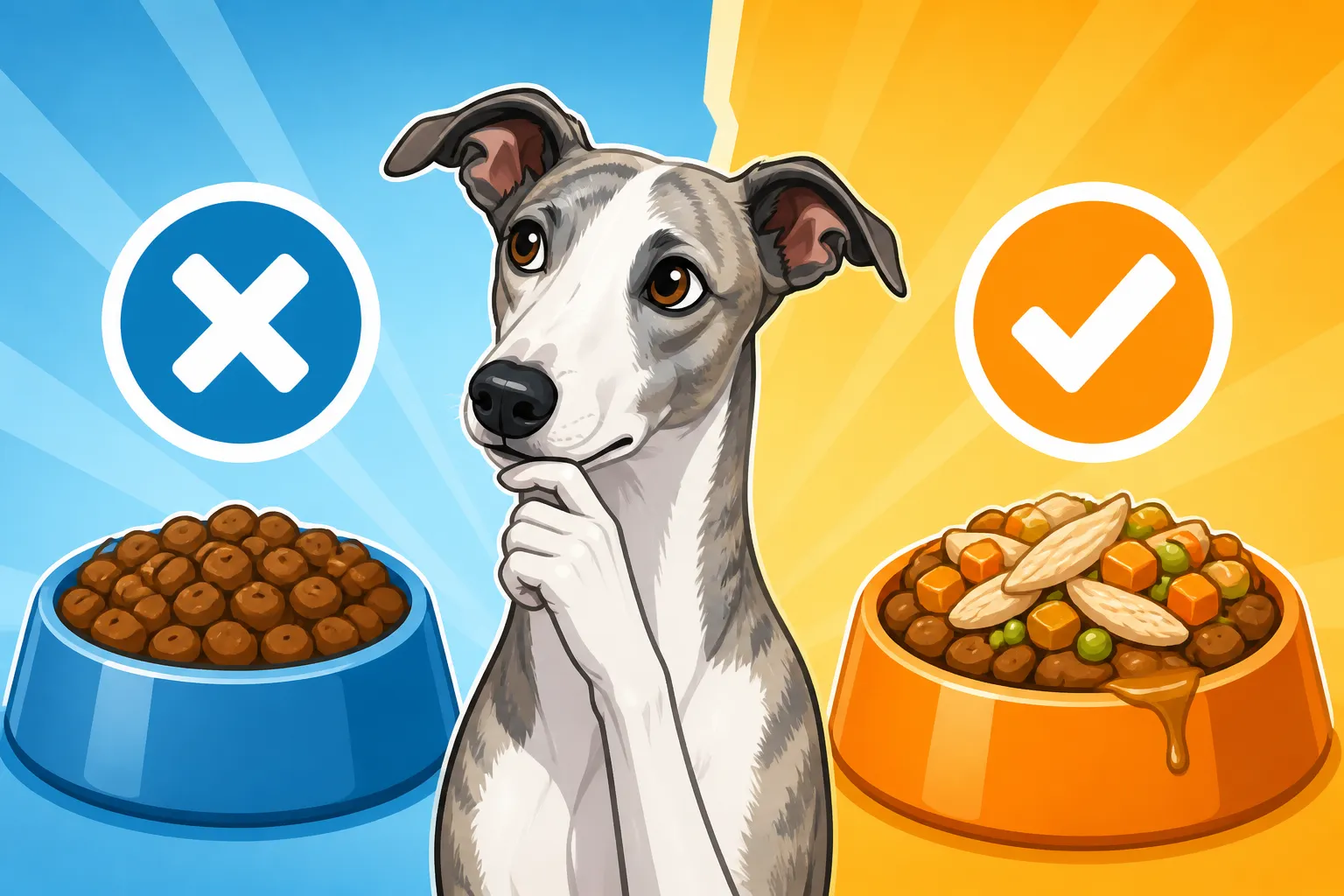
Whether a Whippet Needs a Topper on Its Kibble
It’s a familiar sight for many Whippet owners: you put down a bowl of perfectly good kibble, and your sleek, athletic companion gives it a sniff, looks at you with those soulful eyes, and walks away. Or perhaps your Whippet is one of those who eats with gusto, but you constantly worry they aren't quite keeping enough weight on their lean frame. This guide is here to help you navigate the world of kibble toppers, exploring whether they're a beneficial addition to your Whippet's diet, what options are out there, and how to use them effectively without creating new problems.
Understanding Your Whippet's Eating Habits: Why They Might Be Picky or Need Extra Encouragement
Whippets are truly unique dogs, and their eating habits, much like their personalities, can sometimes be a puzzle. It’s easy to feel frustrated when your dog isn’t keen on their food, especially when you know how much energy they can burn in a quick sprint!
The Finicky Sighthound Stereotype: Is it True for Whippets?
Let's be real, many sighthound owners will nod knowingly when you talk about a picky eater. Whippets often aren't the chowhounds you might expect, especially given their high-octane bursts of speed. Their slender build and sensitive dispositions can sometimes translate into a lack of enthusiasm for mealtime. It’s not necessarily that they dislike the food itself, but perhaps they're easily bored, or their sensitive stomachs prefer variety. They have very little body fat, which means they don't have much in the way of reserves, making consistent eating all the more important. Why a Whippet Is a Picky Eater goes into more detail about this common trait.
Think about it: a Whippet’s metabolism is geared for short, explosive efforts rather than sustained energy storage like a working dog breed. This means they convert food to energy quickly, and if they're not eating regularly, their reserves can deplete fast. Sometimes, pickiness isn't just about taste; it can be influenced by stress, changes in routine, or even just the weather. A cold, wet day might make an outdoor potty break unappealing, and that same sensitive nature can extend to how they approach their food bowl.
When Weight Gain is a Concern: Is Your Whippet Genuinely Too Thin?
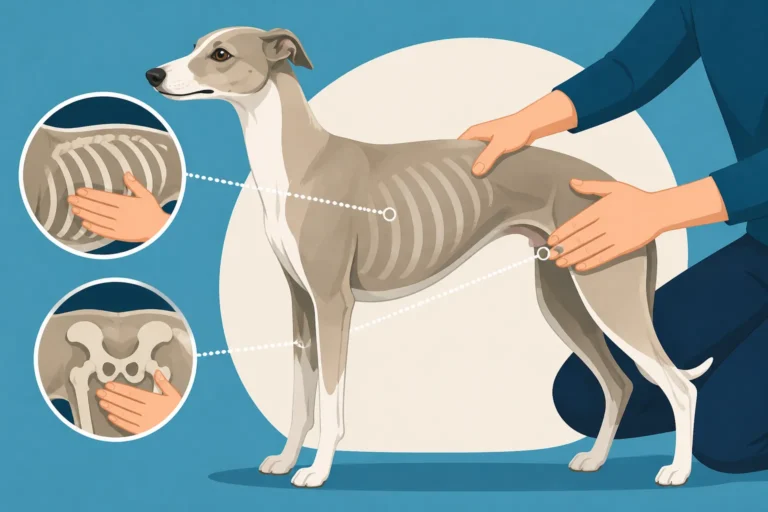
One of the biggest concerns for Whippet owners is managing their dog’s weight. Because Whippets are naturally lean, with prominent ribs and hip bones, it’s common for well-meaning strangers (and even some vets who aren't familiar with sighthounds) to mistakenly think they are underweight. How Thin a Whippet Should Look explains that visible ribs are often a sign of good health for a Whippet, not starvation. However, there's a fine line between a healthy, athletic lean and genuinely too thin.
A truly underweight Whippet might show more than just visible ribs; you might see their spine and hip bones sharply protruding, or their abdominal tuck might be extreme. Their energy levels might dip, their coat could become dull, or they might just look generally "hollow." This is when encouraging them to eat more becomes crucial. Toppers can be a fantastic way to add extra calories and make their regular kibble more enticing, which is often a challenge for dogs that are struggling to put on weight. If you're wondering What Body Condition Score a Whippet Should Be, a general guideline is that you should easily feel their ribs but not see them sharply defined, and their waist should be evident.
What Exactly Is a Kibble Topper and Why Consider One?
So, you're looking at that untouched bowl of kibble and wondering what magic ingredient could make it disappear. That's where kibble toppers come in! They are essentially anything you add to your dog's regular dry food to enhance its appeal, whether through flavor, texture, or added nutrition.
More Than Just Flavor: Nutritional Boosts and Palatability Enhancers
While the primary goal of a topper is often to make food more palatable – to get that picky Whippet to actually eat – they can offer much more. Many toppers are packed with additional nutrients that might complement your Whippet's diet, such as extra protein, healthy fats, or specific vitamins and minerals. For a breed like the Whippet, which benefits from good muscle mass and often needs a little extra fat to maintain condition, the right topper can make a big difference.
A high-quality topper can also boost hydration, especially if you're using wet food or broth-based options. Whippets are prone to The Thin Skin That Sends a Whippet to the Vet for Stitches, and good hydration and nutrition are essential for skin health and healing. Even if your Whippet isn’t struggling with weight, a topper can simply make mealtime more exciting and engaging for them, turning a mundane routine into a delightful experience.
Types of Toppers: From Wet Food to Freeze-Dried and Beyond
The world of kibble toppers is surprisingly vast! There's a perfect option out there for every Whippet's preference and every owner's budget and lifestyle.
- Wet or Canned Dog Food: This is probably the most common and straightforward topper. A spoonful or two mixed into kibble adds moisture, rich aroma, and a different texture that many dogs adore. It’s readily available from brands you trust, and you can find a huge variety of flavors and protein sources. Many owners find options at places like Chewy, which carries a wide range of popular brands.
- Broths and Gravies: Specifically formulated for dogs, these add liquid and flavor without necessarily a lot of extra "stuff." Bone broth is a popular choice, offering joint and gut health benefits. You can also find dog-specific gravies designed to cling to kibble, making it more appealing.
- Freeze-Dried or Air-Dried Raw Food: These are often considered high-value toppers. They come in small, easy-to-crumble pieces (or can be rehydrated) and provide a concentrated burst of flavor and protein. Many freeze-dried options offer the nutritional benefits of raw food in a convenient, shelf-stable form. This can be a great way to introduce variety.
- Fresh or Gently Cooked Food: Services like Ollie, which deliver fresh, human-grade dog food, can be used as a topper. You don't have to commit to feeding fresh food exclusively; a scoop of their beef or chicken recipe mixed into kibble can be incredibly enticing and add fantastic nutrition. For those who cook for their dogs, a bit of plain cooked chicken, turkey, or even a hard-boiled egg can serve the same purpose.
- Yogurt or Kefir: A small dollop of plain, unsweetened yogurt or kefir can act as a probiotic boost, aiding digestion, while also adding a creamy texture. Ensure it's free from xylitol or other artificial sweeteners.
- Sardines or Mackerel: Canned in water or olive oil (not brine or sauces!), these oily fish are packed with Omega-3 fatty acids, fantastic for coat health, skin, and even brain function. A small amount mashed into kibble can be a powerful attractant.
- Cooked Vegetables: Pumpkin puree (plain, not pie filling!), steamed green beans, or cooked sweet potato can add fiber and nutrients. They’re great for dogs that need a little extra bulk or a healthy treat.
Comparison of Popular Kibble Topper Types
Here's a quick overview to help you decide which might be best for your Whippet:
| Topper Type | Pros | Cons | Best For |
|---|---|---|---|
| Wet/Canned Dog Food | High palatability, adds moisture, wide variety | Can be calorie-dense, some dogs may pick out kibble | Picky eaters, adding hydration, easy to find (e.g., Chewy, Amazon) |
| Broths/Gravies | Excellent for hydration, adds strong aroma, low calorie (often) | Doesn't add much bulk/calories, can make kibble soggy if overdone | Dehydrated dogs, increasing palatability without extra food |
| Freeze-Dried/Air-Dried Raw | Nutrient-dense, high protein, very palatable, raw benefits | Can be more expensive, requires rehydration for some types | Picky eaters, adding concentrated nutrition, dogs with sensitivities |
| Fresh/Gently Cooked Food | Highly palatable, human-grade ingredients, excellent nutrition | Can be expensive, requires refrigeration, shorter shelf life | Picky eaters, adding high-quality fresh ingredients (e.g., Ollie) |
| Yogurt/Kefir | Probiotic benefits, adds creamy texture, easy to source | Can cause stomach upset in some dogs, watch for sugar/additives | Digestive support, occasional treat, adding variety |
| Oily Fish (Sardines/Mackerel) | Rich in Omega-3s, highly palatable, affordable | Strong smell, can be messy, must be packed in water/oil only | Coat health, joint support, boosting palatability |
| Cooked Vegetables | Adds fiber, vitamins, low calorie, can aid digestion | Less appealing to some dogs, may require cooking | Weight management, adding fiber, specific nutritional boosts |
The Benefits and Potential Drawbacks of Using Toppers
While adding a topper might seem like a simple solution, it's worth considering both the good and the not-so-good aspects to make an informed decision for your Whippet.
The Upsides: Encouraging Eating, Adding Nutrients, and Hydration
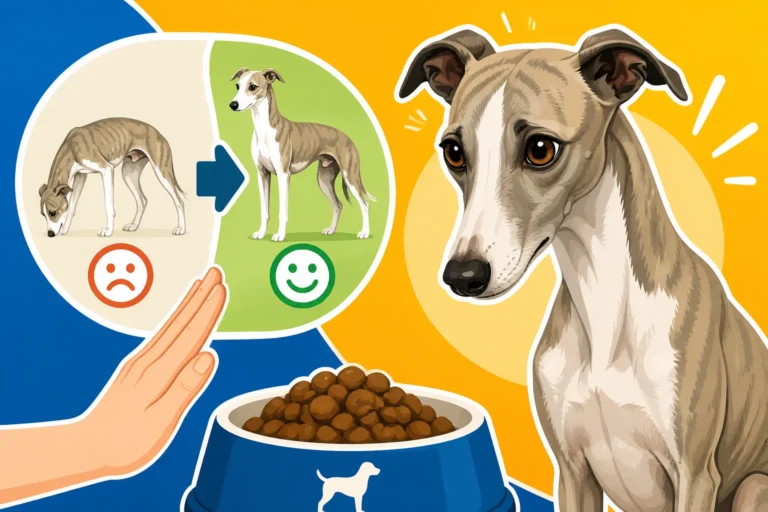
The most immediate benefit is often getting a reluctant Whippet to eat their meal. This can be a huge relief, especially if you've been stressing over their lack of appetite. For Whippets that need to gain weight, a calorie-dense topper can be a lifeline. Getting Weight On a Whippet That Will Not Eat explores various strategies, and toppers are certainly a key one.
Beyond just eating, toppers can significantly improve the nutritional profile of your Whippet's diet. Many kibbles, while complete, can benefit from the boost of fresh protein, healthy fats, or antioxidants found in high-quality toppers. This can support their lean muscle mass, aid in skin and coat health, and even provide extra energy for their famous sprints. If you have a racing Whippet, extra calories and nutrients are often a must, and Whether a Racing Whippet Needs More Calories delves into this.
Furthermore, many toppers, especially wet food, broths, or rehydrated options, add much-needed moisture to your dog's diet. This is great for overall hydration, kidney health, and can even help with digestion. For a breed that might naturally be a bit sensitive or prone to certain health issues, an added nutritional and hydration boost can be really beneficial.
The Downsides: Pickiness Reinforcement, Cost, and Imbalance
While toppers offer many advantages, they aren't without potential drawbacks. The biggest concern for many owners is the risk of reinforcing pickiness. If your Whippet learns that holding out will always get them a "better" meal, you might find yourself stuck in a cycle of needing to add something special to every bowl. This can be frustrating and may make them refuse plain kibble entirely.
Cost is another factor. High-quality toppers can add a significant amount to your monthly dog food budget. If you're using a fresh food service like Ollie as a topper, or premium freeze-dried raw options, the expenses can quickly accumulate. You can often find more affordable options at large retailers like Chewy or Amazon, but always compare unit prices and ingredients.
Lastly, there's the potential for nutritional imbalance. While adding a little extra protein or vegetables is usually fine, consistently adding too much of certain ingredients, or using toppers not specifically formulated for dogs, could inadvertently lead to an unbalanced diet. Too many calories can lead to unwanted weight gain, even in lean Whippets, especially as they get older or if they aren't getting consistent exercise. Over time, an imbalanced diet could lead to deficiencies or excesses of certain nutrients, which could impact their health down the line.
Choosing and Introducing Toppers Safely and Effectively
So, you've weighed the pros and cons and decided a topper might be right for your Whippet. Great! Now, how do you go about it the right way?
Selecting the Right Topper for Your Whippet's Needs
This is where you play detective! Consider your Whippet's individual needs and preferences.
- Picky Eaters: For a truly finicky Whippet, something with a strong aroma and appealing texture is key. Wet food, freeze-dried raw crumbs, or a dollop of something from Ollie’s fresh range can be highly effective. Warming Food to Get a Whippet Eating is also a trick many owners use to release more aroma.
- Weight Gain: If your goal is to help your Whippet put on a bit of healthy weight, look for calorie-dense options. Full-fat plain yogurt, small amounts of cooked meats, or higher-calorie wet foods are good choices. For some dogs, increasing the frequency of meals might also help. How Many Meals a Day a Whippet Needs changes with age, but smaller, more frequent meals can sometimes aid digestion and absorption for those needing to gain.
- Sensitive Stomachs: If your Whippet has a sensitive stomach, introduce new toppers very cautiously. Stick to single-ingredient options initially, like plain pumpkin puree or bone broth, to see how they react. Avoid anything with a long list of ingredients or artificial additives. Whether a Whippet Has a Sensitive Stomach is a common concern, so proceed with care.
- Allergies: If your Whippet has known food allergies, be hyper-vigilant about ingredients in any topper. Opt for novel proteins or hypoallergenic options that align with their specific dietary restrictions.
- Life Stage: An active adult Whippet might benefit from high-protein toppers, while an older Whippet might need softer textures or joint-supporting ingredients. Feeding an Old Whippet discusses how dietary needs change as they age.
Always read ingredient labels carefully, even for toppers you find on reputable sites like Amazon or Chewy. Look for whole, recognizable ingredients and avoid artificial colors, flavors, and excessive fillers.
Gradual Introduction and Monitoring for Best Results
When introducing any new food item, including toppers, slow and steady wins the race. Your Whippet's digestive system is delicate, and sudden changes can lead to an upset stomach, diarrhea, or vomiting.
Start with a very small amount – perhaps just a teaspoon or half a tablespoon – mixed thoroughly with their regular kibble. Serve this for a few days, monitoring your Whippet closely for any signs of digestive upset, changes in stool consistency, or allergic reactions (like itching or skin rashes). If all goes well, you can gradually increase the amount over a week or two until you reach your desired portion.
Observe not just their immediate reaction to the food, but also their overall behavior and energy levels. Are they more enthusiastic about mealtime? Are they maintaining or gaining weight as desired? Are there any negative side effects? Keep a mental (or actual) note of what works and what doesn't. Remember, the goal is to enhance their diet and enjoyment, not to create new problems!
When is a Topper More Than Just a Treat?
For many, a topper is just a little extra something to make dinner more appealing. But there are specific situations where a topper can transition from a nice-to-have to a genuine dietary necessity.
Addressing Specific Health or Behavioral Needs
Sometimes, a topper isn't just about pickiness; it's about addressing a deeper need. For example, an older Whippet who might be losing their sense of smell or has dental issues might find a softer, more aromatic topper much easier and more appealing to eat. Caring for an Old Whippet That Feels the Cold also highlights their overall sensitivity as they age, which can extend to their appetite.
Whippets recovering from illness or surgery often have suppressed appetites. A highly palatable topper can be crucial in encouraging them to eat and get the nutrients they need for recovery. Similarly, dogs experiencing high levels of stress or anxiety might refuse food, and a very tempting topper can sometimes break through that aversion. Even dogs who just skip meals occasionally, as Why a Whippet Skips Meals notes, might benefit from a little encouragement.
For Whippets engaged in intense activities like racing or lure coursing, a topper can provide an essential calorie and nutrient boost to support their performance and recovery. These dogs burn a lot of energy and need consistent, high-quality fuel.
Maintaining Nutritional Balance with Toppers
While toppers can be incredibly beneficial, it's vital to ensure you're not inadvertently throwing off your Whippet's overall nutritional balance. Most commercial kibbles are formulated to be "complete and balanced," meaning they contain all the necessary vitamins, minerals, and macronutrients your dog needs. When you add toppers, you're supplementing that base diet.
The key is moderation. A small amount of a nutrient-dense topper is usually fine. However, if toppers start making up a significant portion of your Whippet's meal, you need to be more careful. Too much of one nutrient (like protein or fat) or too little of another can cause problems. For instance, too many treats or unbalanced toppers can lead to obesity or deficiencies over time.
If you plan to use toppers as a regular and substantial part of your Whippet's diet, especially for health-related reasons, it's always a good idea to consult with your veterinarian or a canine nutritionist. They can help you ensure that the combined diet remains balanced and meets all of your Whippet's specific needs, giving you peace of mind that you're doing the best for your beloved companion.
Disclaimer
This article is for general informational purposes only and does not constitute professional advice. Laws, prices and regulations vary by location and change over time. Consult a qualified professional for guidance on your specific situation.